
Imagine spreading a rich, creamy layer of cashew butter on your morning toast-sounds delightful, right? This “Cashew Butter Recipe For Ultra-Creamy, Spreadable Bliss” will show you just how simple it is to whip up this indulgent treat at home. With only a handful of ingredients, you can create a deliciously smooth nut butter that perfectly complements your favorite snacks, smoothies, and breakfast dishes.
Making your own cashew butter is not just a fun kitchen project; it’s also a fantastic way to control the flavors and ingredients, ensuring your spread is both wholesome and tasty. Whether you’re a seasoned home cook or a kitchen newbie, you’re going to appreciate how quick and easy this recipe is. By the end of this article, you’ll not only have the steps to create your own cashew butter but also ideas for variations to suit your taste. So, let’s dive in and discover the joy of making cashew butter in your own kitchen!
Choosing the Best Cashews for Your Butter
When it comes to making the perfect cashew butter, the quality of your cashews plays a pivotal role in achieving that luxuriously creamy texture and rich flavor. Start by looking for raw, unsalted cashews as your base. These nuts offer the purest taste, allowing the natural nuttiness to shine through without any distractions. While some may be tempted to use roasted cashews for a deeper flavor, the toasting process can sometimes lead to an overly assertive taste that might not blend as smoothly.
One important factor to consider is the size of the cashews. Opt for whole cashews rather than pieces or broken bits, as they tend to blend more consistently. When shopping, pay attention to the freshness of the nuts. Nuts can go rancid, so look for those with a good shelf life ahead-this is usually indicated by the packaging. If available, purchasing from a reputable bulk store can sometimes afford better freshness, as these nuts often have a quicker turnover.
Before you start blending, consider giving your cashews a light toast. This step is optional but can enhance the flavor significantly. Aim for a light golden color, as darker roasting can lead to an overly strong taste. After toasting, let them cool for a few minutes. This is crucial, as hot nuts can lead to overheating the blender and affect the final creaminess of your butter.
Taking the time to choose quality raw cashews can elevate your homemade cashew butter from good to exceptional, ensuring a delightful spread that’s both delicious and satisfying.
Essential Tools to Make Cashew Butter
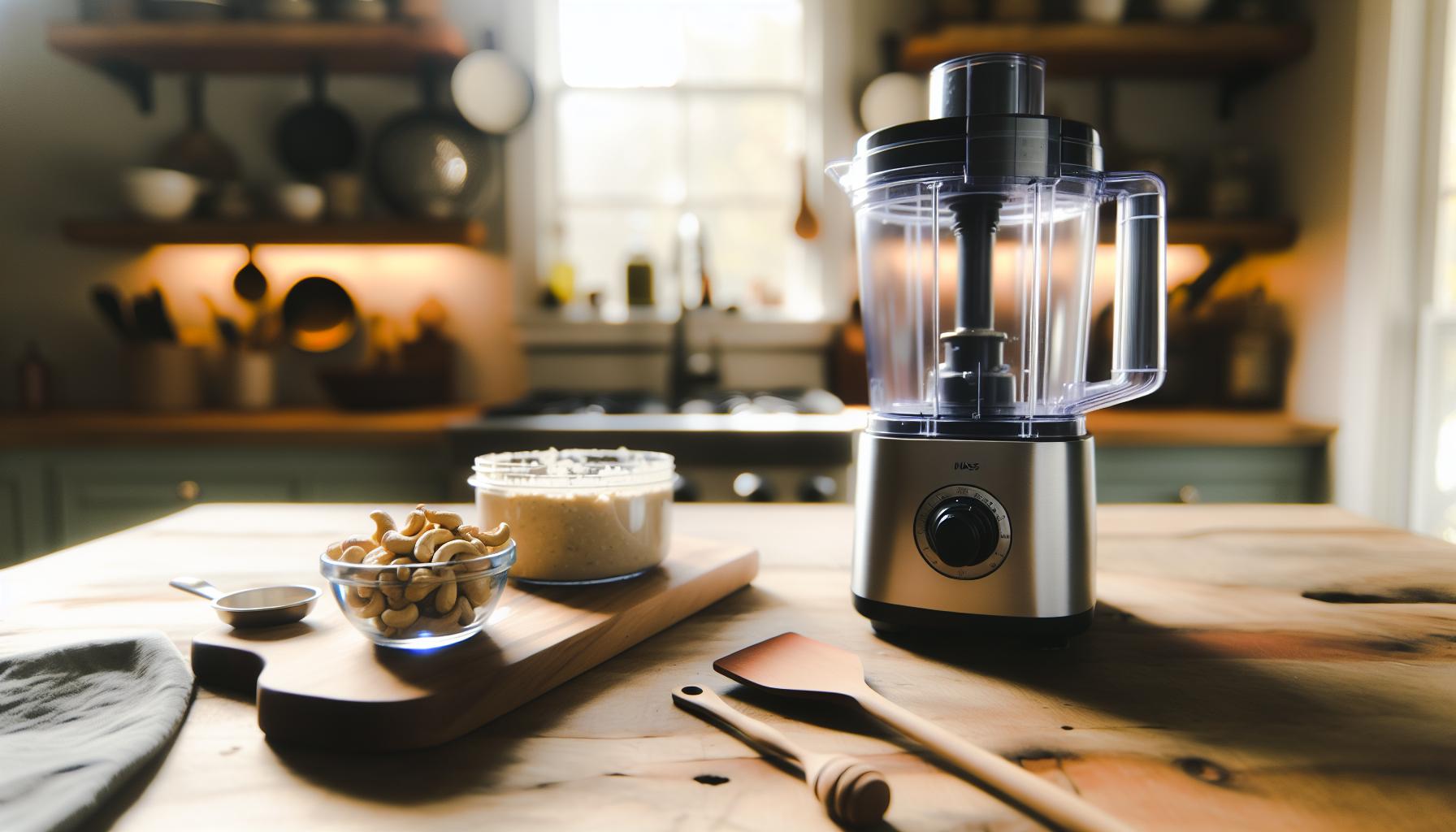
To whip up a batch of deliciously creamy cashew butter, you don’t need a whole arsenal of fancy equipment. A few essential tools are all it takes to embark on this culinary adventure, ensuring you create a dreamy, spreadable delight right in your kitchen.
First and foremost, a high-powered blender or a food processor is pivotal. These appliances will efficiently blend your cashews into the smooth, creamy texture that defines great nut butter. If you’re using a standard blender, be prepared for a slightly longer blending time and consider pausing to scrape down the sides as you go. An immersion blender can work in a pinch but may require more effort and time to achieve the desired consistency.
In addition to your blending powerhouse, here are a few handy tools to streamline your process:
- Measuring Cups: Precise measurements help ensure consistent results, especially if you’re adding any sweeteners or flavorings.
- Spatula: A flexible spatula is ideal for scraping down the sides of your blender or processor, making sure all the cashews get blended to perfection.
- Air-tight Storage Container: To keep your cashew butter fresh, a glass jar with a tight-sealing lid is your best friend. Consider a container with a wide mouth for easy access.
- Oven Tray (if toasting cashews): If you choose to toast your cashews for extra flavor, a simple baking tray lined with parchment paper will do the trick.
Of course, while these tools set the foundation for your cashew butter-making adventure, the real magic comes from the quality of your ingredients and your creativity. So gather your gear, unleash your inner chef, and let’s make some nutty bliss!
Step-by-Step Guide: Making Cashew Butter
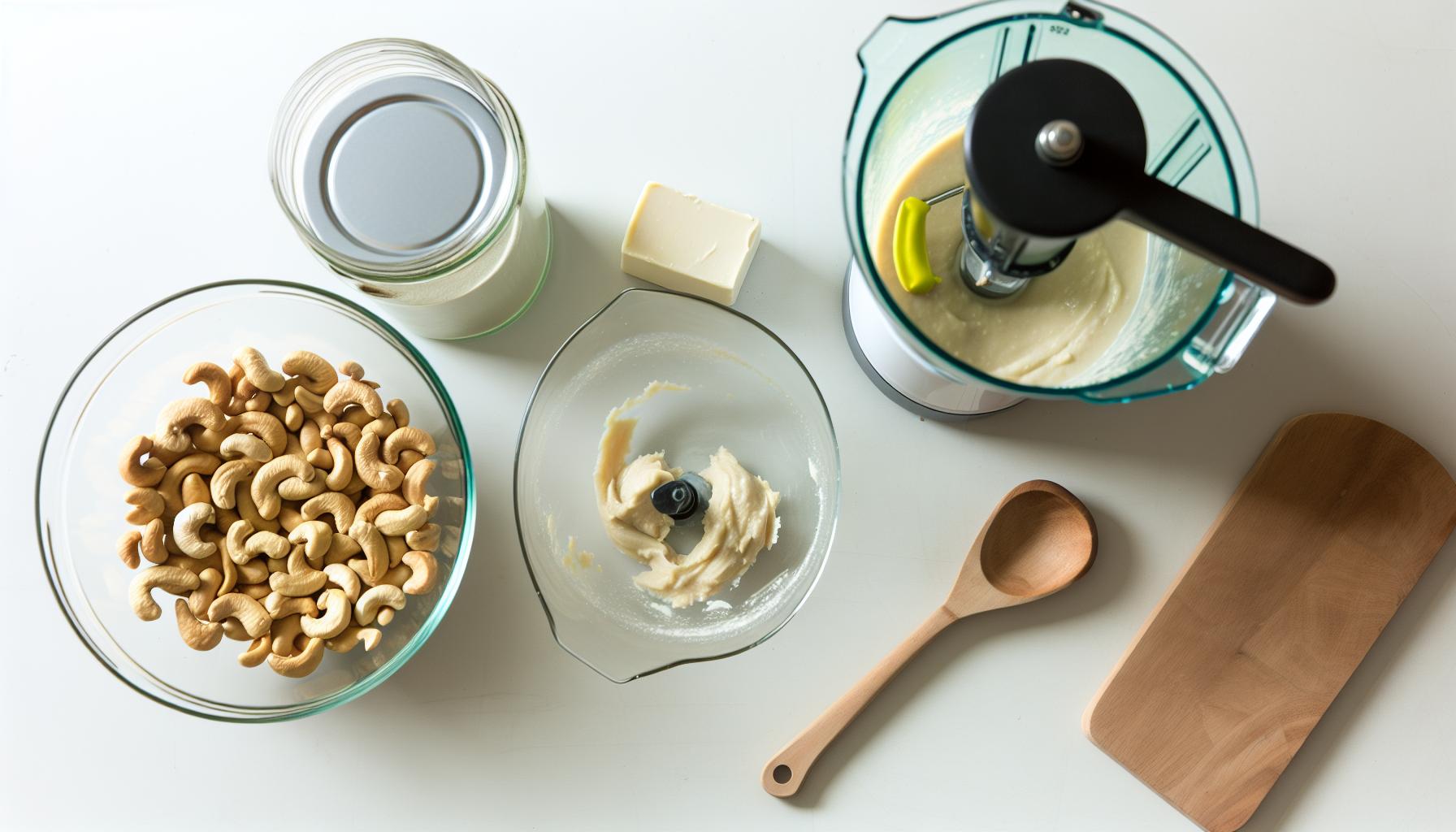
Making your own cashew butter is not only a rewarding endeavor but also surprisingly simple, yielding a creamy delight that’s perfect for spreading, dipping, or adding to your favorite recipes. Let’s jump into the process so you can enjoy a homemade jar of creamy goodness in no time!
To begin, gather your ingredients and tools. You’ll need raw or lightly roasted cashews (about 2 cups), a pinch of salt, and if desired, a sweetener like honey or maple syrup. The first step is to toast your cashews if you prefer that rich, roasted flavor. Spread the cashews in a single layer on a baking tray and toast them in a preheated oven at 350°F (175°C) for about 8-10 minutes, stirring halfway through. Watch them closely to prevent burning, as they can turn from perfectly roasted to burnt in a blink!
Once your cashews are toasted and cooled, transfer them to your food processor or high-powered blender. Blend the cashews on high speed, allowing them to break down into a coarse meal. This can take about 1-2 minutes. You might need to stop every so often to scrape down the sides with a spatula to ensure all the cashews get blended evenly.
As the blending continues, the cashew meal will start to clump together, and then, slowly but surely, it’ll transform into a creamy butter. Don’t panic if it looks a bit crumbly-it just means patience is key! This process usually takes around 5-10 minutes total. If you prefer a thinner consistency, feel free to add a little bit of neutral oil (like grapeseed or coconut oil) during the blending process, or simply continue blending until it reaches your desired texture.
To finish, add salt and sweetener to taste, and give the mixture a final blend to combine everything. Once it’s perfectly creamy, transfer your homemade cashew butter to an airtight container for storage. And voilà! You’ve created a deliciously creamy cashew butter that’s perfect for topping toast, swirling into oatmeal, or simply enjoying by the spoonful. Enjoy the process, and don’t hesitate to experiment with flavors-after all, this is your nutty creation!
Secrets to Achieving Ultra-Creamy Texture
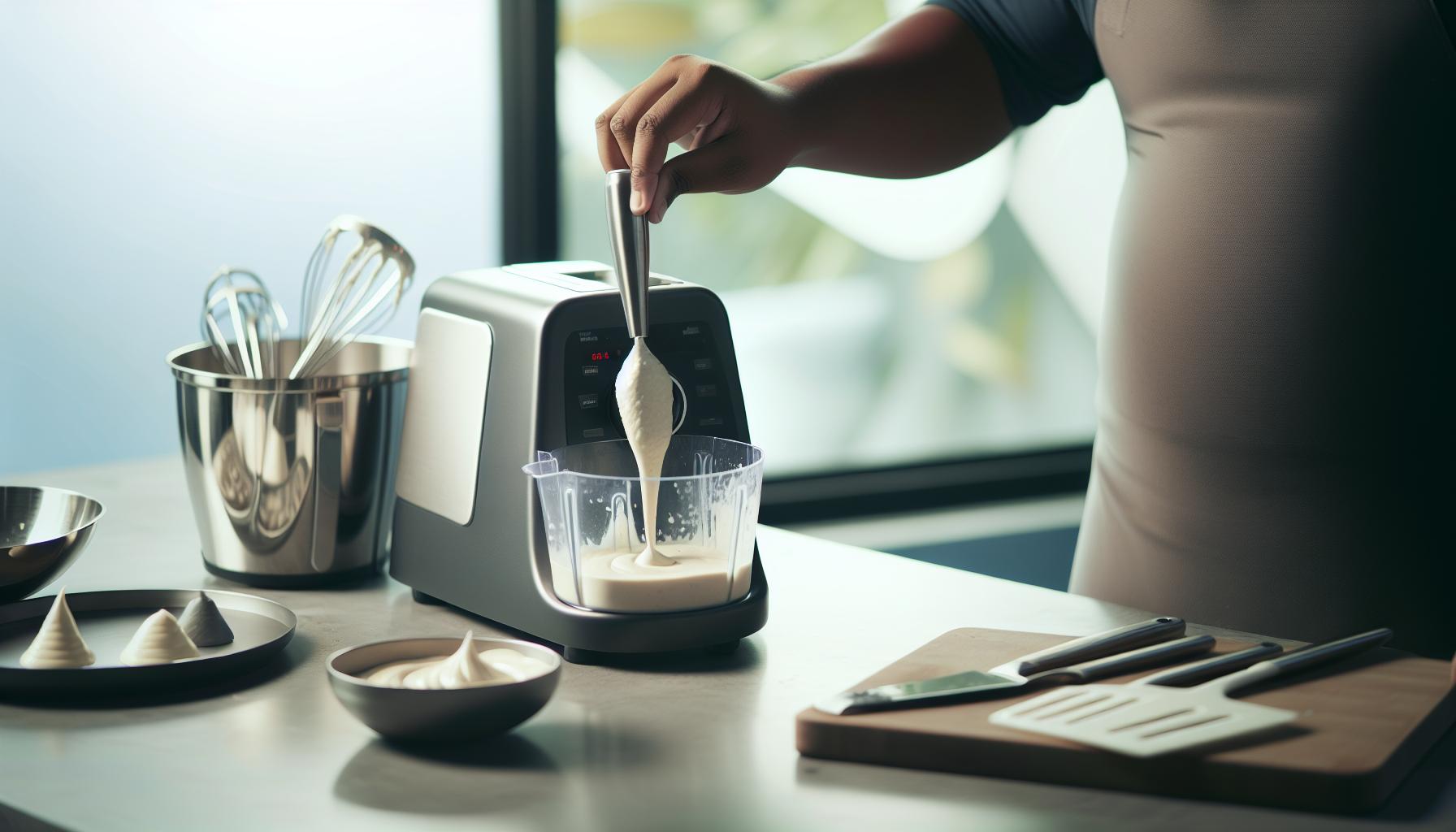
Creating a silky-smooth cashew butter that boasts an ultra-creamy texture can be a delightful journey in your kitchen. The secret lies not only in the choice of ingredients but also in the little techniques that can elevate your homemade creation. Start with high-quality cashews-whether you’re using raw or lightly roasted-and ensure they’re fresh. Stale nuts can result in a drier butter that’s less enjoyable. If you’re aiming for a richer flavor, toasting your cashews is highly recommended. This can be done simply by spreading them on a baking sheet and roasting them in the oven until they’re golden brown.
Once your cashews are ready, the blending process is where the magic happens. Use a high-powered blender or a food processor, as these will help achieve a creamy consistency much faster. Begin by processing the cashews at a lower speed to break them down, then gradually increase the speed. It’s important to pause occasionally to scrape down the sides, ensuring all the cashews are evenly blended. In this stage, you might notice it turning crumbly or dry-don’t be alarmed! Continue blending, and soon it will transform into that luscious, creamy texture you’re aiming for. This process can take anywhere from 5 to 10 minutes, so patience is key.
To enhance creaminess, consider adding a small amount of neutral oil, like grapeseed or coconut oil. Just a tablespoon can significantly improve the spreadability of your cashew butter. Additionally, if you wish to achieve a smoother consistency, adding a bit of warm water a teaspoon at a time can also help. Remember to blend thoroughly after adding any ingredients to ensure they’re fully incorporated.
Lastly, don’t forget the power of seasoning! A pinch of salt can elevate the flavors and enhance that creamy buttery profile, while optional sweeteners like honey, maple syrup, or even vanilla extract can add a delightful twist. Once you’ve achieved the desired texture and flavor, transfer your cashew butter to an airtight container. With these tips in your back pocket, you’re well on your way to crafting the most magnificent, ultra-creamy cashew butter that elevates any of your recipes!
Creative Flavor Variations for Your Cashew Butter
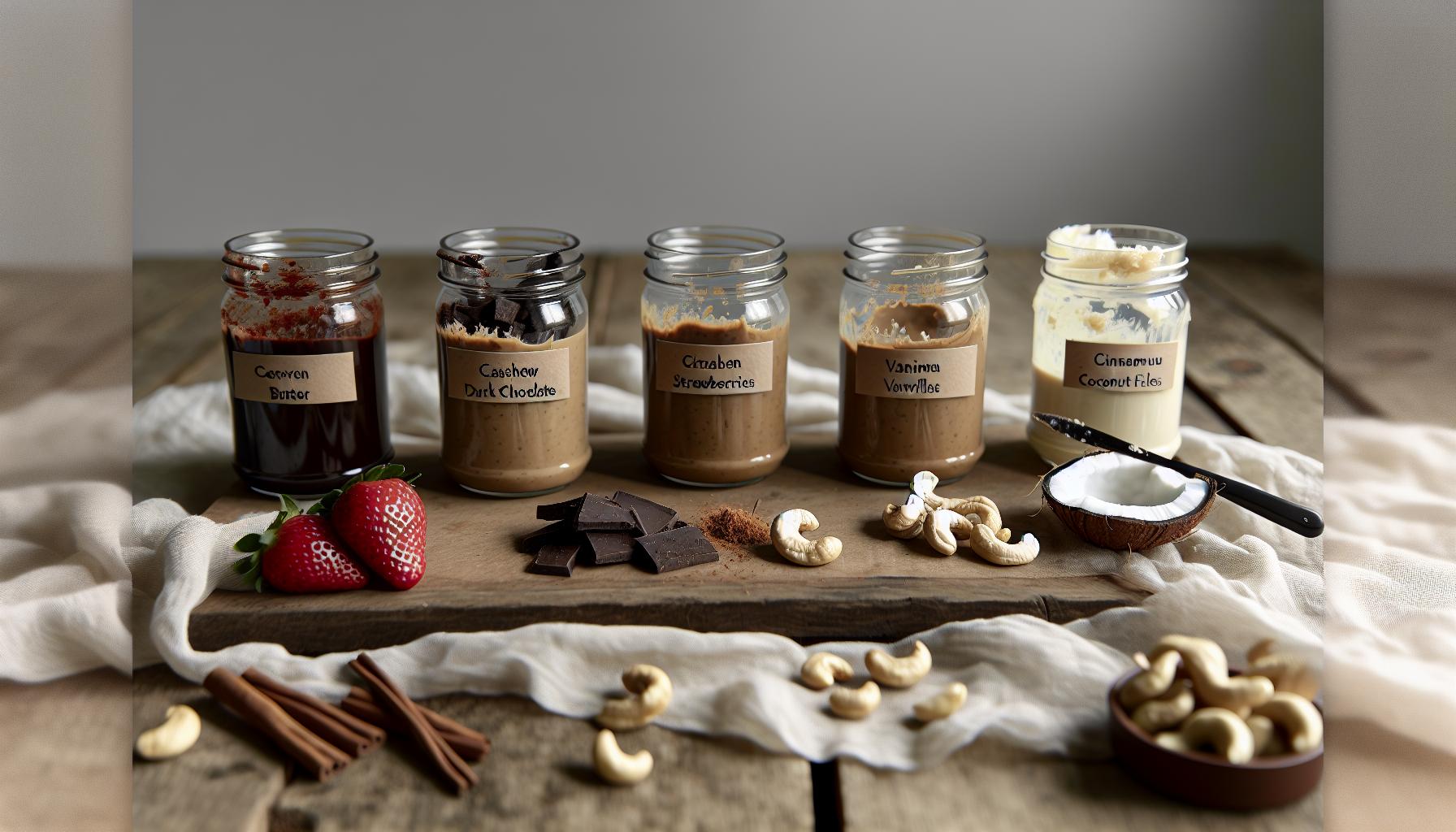
There’s something truly special about making your own cashew butter, and the joy doesn’t have to stop at the classic flavor! Once you’ve mastered the basic recipe, the experimenting can begin. Think of your cashew butter as a blank canvas, ready to be transformed with exciting new tastes and textures. Here are some creative variations that will elevate your homemade butter and keep things fresh.
Delightfully Sweet Options
For a deliciously sweet twist, consider adding ingredients like:
- Maple Syrup: A drizzle will infuse warmth and richness without overpowering the nutty flavor.
- Honey: This natural sweetener adds a floral note; just a tablespoon will do!
- Cocoa Powder: For a chocolatey treat, blend in a couple of tablespoons for a dessert-like spread.
- Vanilla Extract: A splash can brighten the overall flavor and give it a lovely aromatic touch.
Spicy and Savory Twists
If you prefer a more savory profile, think about these bold additions:
- Pinch of Sea Salt: Enhances the nutty flavor and balances sweetness if you’ve added it.
- Cinnamon: A teaspoon will warm up your butter beautifully, perfect for pairing with apples or pancakes.
- Chili Powder: For lovers of spice, adding this can create a unique, zesty spread that’s fantastic on crackers or in savory recipes.
- Garlic Powder: A pinch adds unexpected flavor to dips or spreads.
Mixing in Goodness
Another fun aspect of homemade cashew butter is stirring in extras for texture and nutrition:
- Seeds and Nuts: Toss in some chia seeds, flaxseeds, or even a few crushed almonds for added crunch.
- Dried Fruits: Chopped dates or cranberries can introduce delightful sweetness and chewy texture.
- Coconut Flakes: Unsweetened coconut can provide a tropical touch that pairs perfectly with the creamy cashew base.
Each of these variations can enhance the flavor and versatility of your cashew butter, allowing it to shine in all sorts of dishes, from spreads to baking. Don’t be afraid to experiment and find the combinations you love most. Remember, cooking is all about enjoying the process and celebrating the creativity you bring to your kitchen!
How to Store Cashew Butter for Maximum Freshness
To keep your homemade cashew butter fresh and delicious, proper storage is essential. Storing your nut butter correctly can significantly extend its shelf life and maintain that ultra-creamy texture you’ve worked so hard to achieve. First off, always start with a clean container-glass jars work best as they are non-reactive and don’t impart any unwanted flavors. Avoid using plastic containers, as they can harbor oils that alter the taste and texture over time.
Store your cashew butter in a cool, dark place like a pantry if you plan to use it within a few weeks. It will generally stay fresh for about three weeks at room temperature. However, for longer storage-up to one month-put it in the refrigerator. This will help slow down the oxidation process, which keeps your cashew butter tasting as great as the day you made it. Just remember, when storing in the fridge, the butter might firm up, but a quick stir will bring back its creamy consistency.
If you find you have more cashew butter than you can use in a month, consider freezing it. Transfer your butter into smaller portions or even ice cube trays for easy use later. When stored in the freezer, it keeps well for up to six months. Just be sure to thaw it in the fridge for a few hours or overnight when you’re ready to indulge again! With these storage tips, you can enjoy your ultra-creamy cashew butter without worrying about spoilage, allowing you to focus on experimentation and delicious creations in your kitchen.
Delicious Ways to Use Cashew Butter
From smoothies to savory dishes, cashew butter is a deliciously versatile ingredient that can elevate your meals and snacks in ways you might not have imagined. Its creamy texture and subtle nutty flavor make it a fantastic substitute for many traditional ingredients. Here are some delightful ways to incorporate cashew butter into your cooking and snacking routines.
One of the simplest ways to enjoy cashew butter is as a spread on toast or bagels. Try mixing it with a bit of honey or maple syrup for a sweet twist, or add a sprinkle of cinnamon for an extra flavor boost. You can also layer it with fresh fruits like banana or strawberries for a healthy breakfast that’s both satisfying and nutritious.
In Smoothies and Shakes
Cashew butter can seamlessly blend into smoothies, adding creaminess and a nutty flavor without the need for dairy. Combine a tablespoon of cashew butter with your choice of milk (almond, coconut, or dairy), a ripe banana, a handful of spinach, and a scoop of protein powder for a quick, energizing breakfast or post-workout snack. You’ll enjoy all the creaminess with none of the fuss!
In Savory Dishes
Explore the savory side of cashew butter by adding it to your sauces or dressings. Mix it with soy sauce, lime juice, ginger, and garlic to create a delicious satay sauce perfect for dipping grilled chicken or veggies. Alternatively, stir it into stir-fries for a creamy texture that complements your favorite veggies and proteins.
Creative Baking
Don’t forget dessert! Cashew butter can replace butter or oil in many baking recipes, yielding moist and flavorful results. Use it in cookies, brownies, or quick breads for a rich, nutty taste. You can also make no-bake energy bites by combining cashew butter with oats, honey, and chocolate chips-great for a sweet snack that packs a nutritional punch.
Cashew butter truly opens up a world of culinary creativity. By using it in various dishes, you not only enhance their flavor but also boost their nutritional value. So grab a jar of your ultra-creamy cashew butter and start experimenting-you’ll be pleasantly surprised at how it transforms your favorite recipes!
Nut-Free Alternatives to Cashew Butter
If you’re looking to avoid nuts in your diet or simply want to try something different in place of cashew butter, there are several delicious alternatives that can still provide that creamy texture and rich flavor. These nut-free options are perfect for spreads, baking, or as a base for sauces, making them versatile additions to your kitchen.
One of the most popular substitutes is sunflower seed butter, which comes from ground sunflower seeds. It has a similar texture to cashew butter and offers a slightly sweet, nutty flavor that works wonderfully in both sweet and savory dishes. It’s also a great option for those with nut allergies, making it widely accessible. You can easily substitute sunflower seed butter in recipes that call for cashew butter in a 1:1 ratio.
Choosing Other Nut-Free Alternatives
If you’re up for a bit of culinary experimentation, consider reaching for tahini, which is made from ground sesame seeds. With its smooth consistency and mild flavor, tahini can serve as a fantastic alternative. It’s particularly great in dressings, dips, and as a base for sauces, lending an exotic twist to your cooking. Just remember to stir it well before using, as it can separate in the jar.
Another intriguing choice is pumpkin seed butter, rich in nutrients and boasting a deep green color. Its flavor is slightly earthy and nutty, making it an excellent match for sweet spreads or in granola bars. Much like sunflower seed butter, it works well as a direct replacement for cashew butter.
Cooking Tips with Nut-Free Butters
When using these nut-free alternatives, keep in mind that they may behave slightly different in recipes compared to cashew butter. For instance, sunflower seed butter can react with baking soda to create a greenish hue due to its chlorophyll content; this reaction is completely harmless!
Experimenting with these options can open up new flavor profiles in your dishes while keeping them nut-free. They’re not only great swaps but also bring unique nutritional benefits to your meals, allowing everyone to enjoy creamy spreads without the nuts. So grab your sunflower seed, tahini, or pumpkin seed butter, and let your creativity flourish in the kitchen!
Nutritional Benefits of Cashew Butter
Cashew butter isn’t just a creamy delight; it’s also a powerhouse of nutritional benefits that can enhance your diet in numerous ways. This luscious spread is rich in healthy fats, primarily monounsaturated fats, which are known to support heart health by reducing bad cholesterol levels. A tablespoon of cashew butter can be a satisfying addition to your meals, helping you feel fuller longer and aiding in weight management.
Beyond healthy fats, cashew butter is packed with essential vitamins and minerals. It is an excellent source of magnesium, which is vital for muscle and nerve function, blood sugar control, and bone health. Cashew butter also contains significant amounts of iron, important for oxygen transport in the blood, and zinc, which supports immune function. Here’s a quick breakdown of the key nutrients found in cashew butter:
| Nutrient | Percentage of Daily Value (per 2 tbsp) |
|---|---|
| Magnesium | 20% |
| Iron | 10% |
| Zinc | 15% |
| Vitamin K | 9% |
In addition to these nutrients, cashew butter is also a great source of plant-based protein. One serving provides about 5 grams of protein, making it a fantastic option for those on vegetarian or vegan diets. Pair it with whole grain toast or add it to smoothies for a delightful and nutritious boost.
So, whether you’re dolloping it on oatmeal, blending it into smoothies, or enjoying it straight from the jar, adding cashew butter to your diet can provide a creamy, flavorful jolt of nutrition. Enjoy exploring all the delicious ways to incorporate this versatile nut butter into your meals!
Common Mistakes to Avoid When Making Cashew Butter
Making your own cashew butter can be a rewarding culinary adventure, but there are some common pitfalls that can turn your creamy dream into a grainy nightmare. Here’s how to navigate those tricky moments and achieve that perfectly spreadable texture.
One of the most significant mistakes is choosing the wrong cashews. Opting for store-bought roasted cashews can lead to a stale flavor and often includes low-quality oils that disrupt the taste and texture of your butter. Instead, consider using high-quality, lightly roasted cashews from a trusted source, or you can even roast raw cashews at home for optimal flavor. Remember, freshness is key-always check the expiry date on your nuts to avoid using ones that are past their prime [[1]].
Another common error is adding unnecessary ingredients, especially water. While you might think a splash of water will help the blending process, it actually prevents the nuts from achieving that luscious, creamy consistency and can make your butter spoil faster. Instead, focus on allowing the nuts to blend on their own and be patient-breaking down the nuts can take a few minutes, and the natural oils will eventually release, creating the smooth texture you desire. Keep your blender or food processor running, scraping down the sides as needed until you’re rewarded with that velvety finish [[2]].
Another key error is neglecting your machine’s capacity. If you overload your blender or food processor, you risk overheating the motor or not achieving the right consistency. It’s better to work in smaller batches if you’re making a large quantity-this will ensure even blending and better overall texture. Enjoying the process of making your own nut butter is all about finding the right rhythm, so take your time, and don’t hesitate to pause for breaks if your machine needs it.
Remember, making cashew butter is not just about following a recipe; it’s about experimenting with textures and flavors. Don’t be afraid to adjust your method as you learn what works best for you. With a little practice and attention to these common mistakes, you’ll have a deliciously creamy cashew butter that’s perfect for spreading on everything!
Cashew Butter vs. Other Nut Butters: A Comparison
When it comes to nut butters, the choices can be overwhelming, but cashew butter stands out for its unique flavor and creamy texture. Unlike peanut butter, which has a more pronounced taste and higher protein content, cashew butter offers a subtly sweet and buttery flavor, making it a delicious alternative. In comparisons with other nut butters, cashew butter tends to have a lower fat content, which might appeal to those looking for a lighter option without sacrificing taste.
Nutritional Highlights
One of the significant differences lies in their nutritional profiles. Cashew butter generally contains fewer calories and less sugar than peanut butter. For those interested in cooking or baking alternatives, this lower calorie count can be a beneficial consideration. For example, while a tablespoon of peanut butter often clocks in around 95 calories, cashew butter might be slightly less, averaging around 90 calories per tablespoon. This small difference can add up, especially in recipes where you might use multiple tablespoons.
Texture and Uses
When you think about texture, cashew butter tends to be creamier and smoother than many other nut butters, which can make it a perfect choice for spreads, sauces, or even in desserts. It blends beautifully into smoothies, adds richness to sauces, and can elevate dressings with its subtle nutty flavor. In contrast, almond butter, while nutritious, can be a bit grainier and may require a bit more blending time to achieve that coveted velvety texture.
To illustrate, consider making a homemade dressing. If you use cashew butter, you will likely achieve a silky consistency more effortlessly than with almond butter, which might necessitate additional oil or blending time to smooth it out. Therefore, if you’re looking for a nut butter that merges seamlessly into various recipes, cashew butter is an excellent choice.
Culinary Versatility
Another advantage of cashew butter is its versatility in flavoring. It can hold its own in sweet or savory dishes. You can blend it with maple syrup for a classic sweet treat, or combine it with spices for a savory dip. This flexibility makes it a favorite among those experimenting with various cuisines and flavors.
When choosing your nut butter, understanding these key differences can greatly enhance your cooking and baking experience. Experimenting with cashew butter provides a wonderful opportunity to explore new textures and flavors while keeping your recipes nutritious and delicious. So go ahead, dive into making your ultra-creamy cashew butter and discover the delightful possibilities it brings to your kitchen!
Inspiration for Homemade Cashew Butter Recipes
If you’re ready to explore the delicious world of homemade cashew butter, you’re in for a treat! From sweet to savory, the options are endless, and making your own allows for creativity that store-bought varieties simply can’t offer. Picture this: a warm slice of toast topped with creamy cashew butter swirled with honey-could anything be more delightful?
One of the most exciting ways to personalize your cashew butter is by adding different flavors. Start with the base recipe, and then consider these tasty ideas:
- Chocolate Delight: Blend in cocoa powder and a touch of maple syrup for a rich chocolatey spread.
- Cinnamon Spice: Mix in ground cinnamon and a dash of vanilla extract for a warm, cozy flavor perfect for winter.
- Spicy Kick: For those who love a little heat, try adding cayenne pepper or curry powder. This can transform your cashew butter into a unique dip or spread.
- Nutty Variations: Add in other nuts, like chopped almonds or pecans, for a delightful crunch.
Making flavored cashew butter is quite straightforward! Simply blend your raw cashews until smooth, then gradually mix in your chosen ingredients until fully combined. Remember, the key is to taste as you go-this is your chance to create a blend that’s uniquely yours.
For using your cashew butter, think beyond the classic toast. Drizzle it over pancakes for a luxurious breakfast, or blend it into smoothies for added creaminess. It can also serve as a base for sauces-combine it with soy sauce, ginger, and garlic for a quick and delicious dipping sauce for veggies or spring rolls.
Don’t forget about storage! To keep your cashew butter fresh, store it in an airtight container in the fridge. This will help maintain its flavor and texture for up to two weeks.
Experimenting with homemade cashew butter is not just about the taste; it’s about making your kitchen feel more like home. So, gather your ingredients, get creative, and enjoy the process! Whether it’s your first attempt or you’re a seasoned pro, every batch is an opportunity to learn and discover new flavors.
Frequently Asked Questions
Q: What are the best types of cashews for making ultra-creamy cashew butter?
A: For the creamiest cashew butter, choose raw, unsalted cashews. They have a naturally sweet flavor and blend smoothly. Additionally, freshness is key; buying from a reputable source ensures optimal taste and texture. This choice helps in achieving the ultra-creamy consistency desired in homemade butter.
Q: How can I enhance the flavor of my homemade cashew butter?
A: To enhance flavors, consider adding vanilla extract, maple syrup, or a pinch of sea salt. Such ingredients can transform your cashew butter into a unique spread. Experimenting with spices like cinnamon or cocoa powder can also lead to delightful variations.
Q: Can I make cashew butter without a food processor?
A: Yes! If you don’t have a food processor, a high-speed blender can work just as well. Just blend in small batches, pausing to scrape down the sides. For those without these tools, try mashing cashews with a mortar and pestle, though this requires more effort.
Q: How long does homemade cashew butter last?
A: Homemade cashew butter can last up to two weeks in the refrigerator. To maximize freshness, store it in an airtight container. For longer shelf life, consider freezing it, where it can last for several months.
Q: Is it necessary to soak cashews before making cashew butter?
A: Soaking cashews is not essential, but it can help in achieving an even creamier texture. Soaking softens the nuts, making them easier to blend. If you’re short on time, you can skip this step and still achieve a smooth result.
Q: What are some common mistakes to avoid when making cashew butter?
A: Avoid over-processing as it can lead to heating and a gritty texture. Also, don’t skip the scraping down of the sides during blending, as this ensures even consistency. Lastly, ensure your machine is suitable for nut butter-making to prevent damage.
Q: Can I add oils to my cashew butter for better texture?
A: Yes, adding a small amount of neutral oil, like coconut or sunflower oil, can improve the spreadability of your cashew butter. This addition is particularly beneficial if the butter seems too thick. Start with one teaspoon and adjust as needed.
Q: What are some creative ways to use cashew butter?
A: Use cashew butter as a spread on toast or in smoothies for a creamy texture. It can also be incorporated into baking recipes, dressings, or enjoyed with fruits and veggies for a nutritious dip. The possibilities are endless!
Insights and Conclusions
Now that you have the secrets to creating ultra-creamy, spreadable cashew butter, it’s time to put your culinary skills to the test! This homemade delight not only elevates your toast but is also perfect for cookies or smoothies. Don’t hesitate-try this recipe today and experience the bliss of enjoying fresh, flavorful cashew butter made just the way you like it! If you’re interested in exploring more delicious nut butter ideas, check out our guides on almond butter and peanut butter for additional flavor inspirations.
We’d love to hear about your cashew butter adventures! Drop a comment below sharing your tips or creative twists. And don’t forget to subscribe to our newsletter for more easy recipes and kitchen hacks that keep you inspired. Remember, your journey to homemade goodness doesn’t stop here-keep experimenting and enjoying each delicious creation!
Get our latest guides, news, and insights highlighted in your Google Search & AI Overviews.