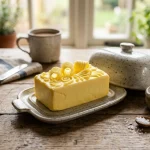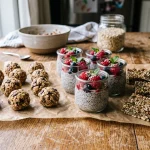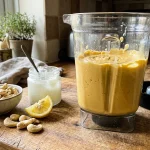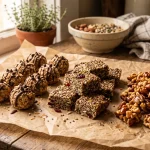

Have you ever craved delicious cookies but wanted to skip the butter? You’re in for a treat! This “No Butter But Big On Flavor” cookie recipe proves that you don’t need butter to create luscious, satisfying treats. By exploring alternative ingredients, we can craft cookies that are not only lighter but also rich in flavor, making them perfect for those with dietary preferences or just seeking a healthier option.
Whether you’re a seasoned baker or a curious novice, this recipe will inspire you to experiment in the kitchen without feeling daunted. Imagine biting into a warm cookie that’s soft, chewy, and bursting with taste- all while being friendly to those looking to cut back on saturated fats. So, roll up your sleeves, gather your ingredients, and let’s dive into a delightful baking adventure that celebrates flavor and creativity. You won’t want to miss this!
Discover the Joy of No-Butter Cookies
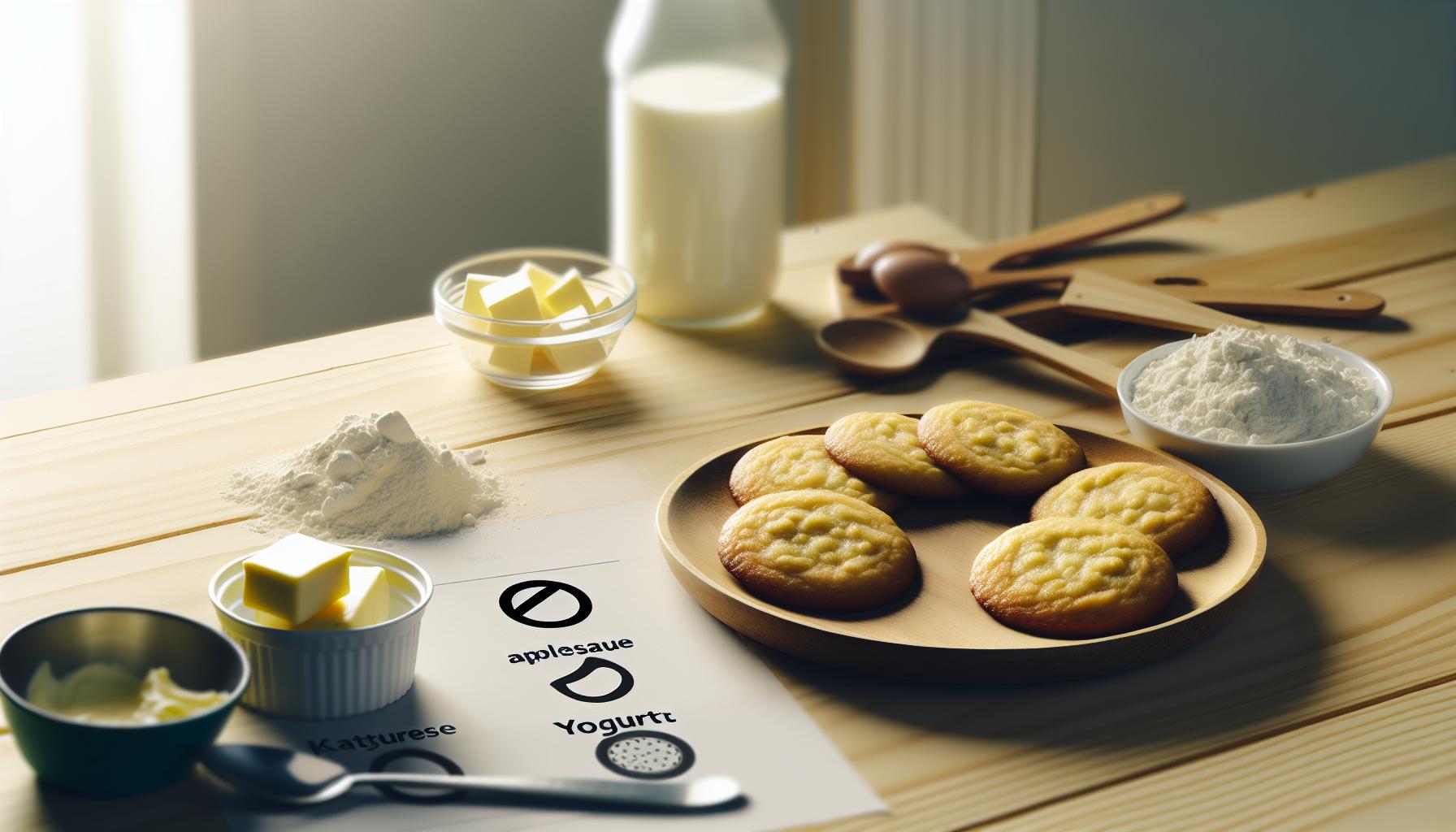
There’s something delightful about no-butter cookies that can surprise even the most devoted butter enthusiasts. These cookies boast an incredible array of flavors while lightening your baking load, allowing for creativity without the heaviness that butter can sometimes bring. Not only do they cater to those looking for a healthier treat, but they also offer a chance to experiment with different fats and ingredients that can bring unique twists to your classic cookie recipes.
One of the joys of baking no-butter cookies is the versatility it offers. By substituting butter with alternatives like coconut oil, applesauce, or even nut butters, you can create a flavor profile that complements any occasion. Whether you’re leaning toward chocolate, peanut butter, or even citrus-infused cookies, the absence of butter can enhance the starring ingredients. Plus, they often yield a lighter texture that’s perfect for snacking or pairing with a favorite beverage.
Additionally, making no-butter cookies can be an easy way to involve the whole family in the kitchen. The methods are usually simple and forgiving, encouraging folks of all ages to join in the fun. Gathering around the mixing bowl to stir in your favorite add-ins, from chocolate chips to dried fruits, fosters quality time while indulging in the process of creating something delicious together. With such accessible recipes, you might find that these butter-free delights become a staple in your cookie collection!
Essential Ingredients for Flavorful Cookies
When crafting delicious cookies without butter, the secret lies in the careful selection of essential ingredients that amplify flavor and create delightful textures. Instead of relying on butter, which gives traditional cookies their richness, you can explore a variety of alternatives that not only maintain but enhance the taste experience.
To start, substitute butter with options like coconut oil, applesauce, or nut butters. These ingredients not only contribute moisture but also add unique flavors to your cookies. For instance, using coconut oil can impart a subtle tropical twist, while applesauce brings a natural sweetness and can help keep your cookies soft. Nut butters, like almond or peanut butter, offer both flavor and healthy fats, contributing to a fulfilling texture.
Another vital component to consider is sweeteners. While sugar is a classic choice, experimenting with alternatives such as honey, maple syrup, or agave nectar can introduce a new dimension to your cookies. These liquid sweeteners also affect the dough’s consistency, making it important to adjust the dry ingredient ratios accordingly.
Don’t forget the dry ingredients that create the structure of your cookies. Typical all-purpose flour works well, but for a gluten-free option, you can use almond or oat flour for a nutty flavor. Adding a pinch of baking soda or baking powder ensures your cookies will rise nicely and achieve that perfect texture. Finally, enhancing the flavor profile with spices, like cinnamon or vanilla extract, can elevate your cookies from ordinary to extraordinary.
Experiment with these components-each has the potential to transform your no-butter cookies into a delightful treat that might just steal the spotlight from their buttery counterparts!
Step-by-Step Guide to Baking Perfection

Baking cookies without butter doesn’t mean sacrificing flavor-in fact, it can lead to exciting new textures and tastes that will revolutionize your dessert game. To get started, gather your ingredients first. You’ll need a fat substitute like coconut oil, a sweetener such as brown sugar or maple syrup, and your dry essentials like flour, baking soda, and any favorite mix-ins, like chocolate chips or nuts. This recipe typically takes about 15 minutes of prep time and 10-12 minutes of baking, making it an efficient choice for a sweet craving!
Begin by preheating your oven to 350°F (175°C). While the oven is heating, prepare a baking sheet lined with parchment paper to prevent sticking. In a mixing bowl, combine your chosen fat substitute-like half a cup of coconut oil-with your chosen sweetener. Use a hand mixer or a whisk to beat them together until smooth and creamy. This step is vital as it blends the flavors together and helps to incorporate air, making your cookies lighter.
Next, add in your dry ingredients. Gradually mix in one and a half cups of all-purpose flour, a teaspoon of baking soda, and a pinch of salt. If you’re feeling adventurous, fold in spices or zest to add a unique twist to your cookies. Continue mixing until just combined; avoid over-mixing as this could affect the texture of your cookies.
Once your dough is ready, scoop tablespoon-sized balls and place them on your prepared baking sheet, leaving enough space between each ball to allow for spreading. You can flatten them slightly if you prefer a chewier texture. Pop your baking sheet in the oven and let them bake for about 10 to 12 minutes, or until the edges are lightly golden. The cookies will continue to firm up once they’re out of the oven, so don’t worry if they seem a bit soft at first touch. Let them cool for a couple of minutes before transferring them to a wire rack to cool completely.
Enjoy your no-butter cookies warm from the oven, or store them in an airtight container to savor later. Baking is all about experimentation, so feel free to adjust proportions or swap in different flavors to find your perfect cookie!
Creative Flavor Variations to Try
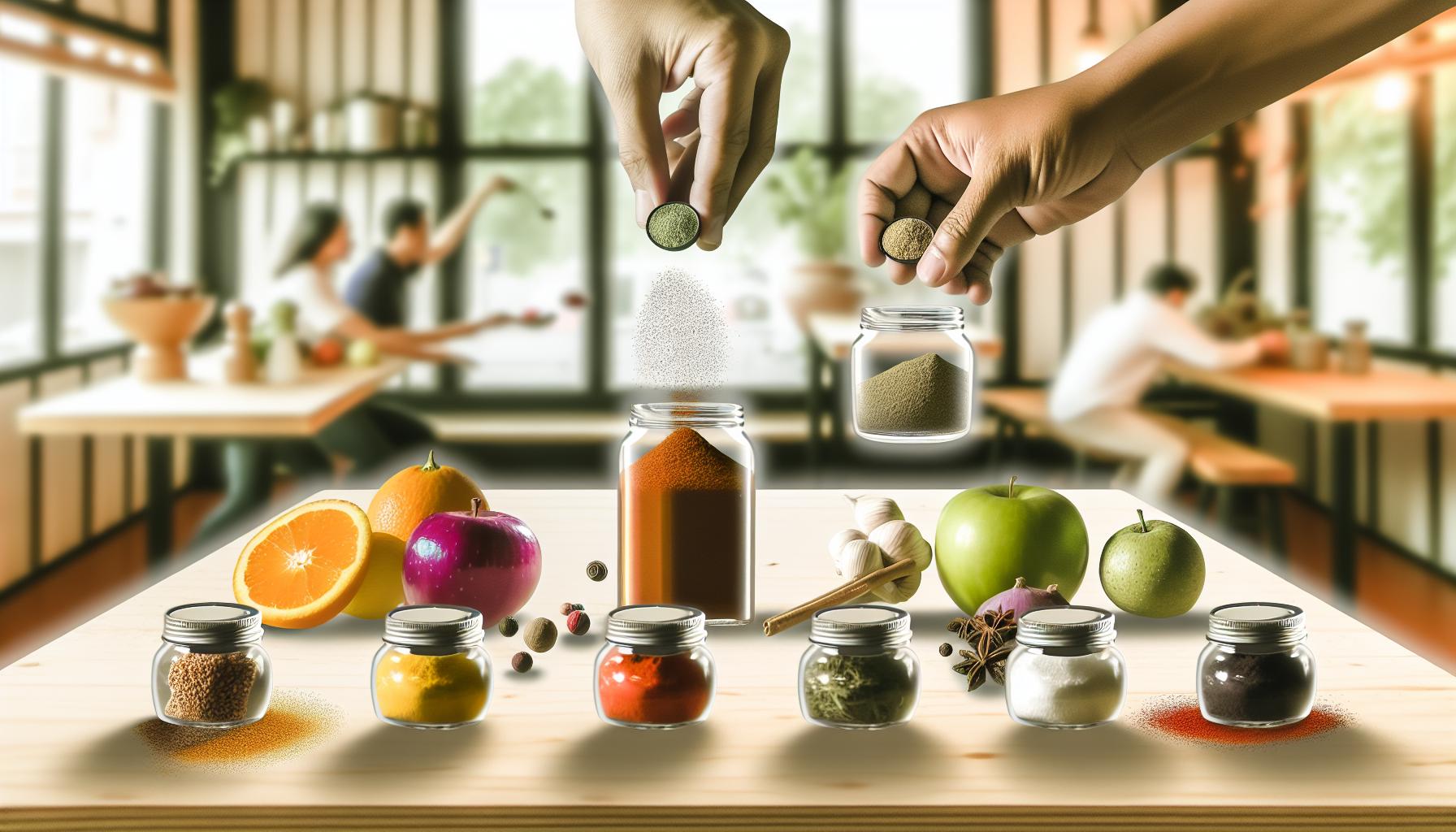
Experimenting with flavors can turn your no-butter cookies into something truly memorable! By embracing diverse ingredients, you can create cookies that cater to different palates and cravings without relying on butter. Whether you’re in the mood for something fruity, nutty, or chocolatey, there are endless possibilities to explore.
Fruit-Infused Variations
Why not bring a burst of freshness to your cookies? Incorporate dried fruits like cranberries, apricots, or raisins directly into the dough for a naturally sweet touch. For a tropical twist, consider adding shredded coconut and pineapple bits. If you want to take it a step further, try mixing in a bit of berry puree or a splash of orange juice to the dough, enhancing the flavor while keeping it moist.
Nuts and Seeds for Crunch
Adding different nuts can provide a delightful crunch and extra nutrition. Chopped walnuts, pecans, or hazelnuts add richness and depth. You can also experiment with seeds like flaxseed or chia seeds, which not only add texture but also boost the health factor. Roasting your nuts beforehand can intensify their flavor, making your cookies even more delicious.
Spice It Up
Spices are a fantastic way to enhance the flavor profile of your cookies without extra calories. A teaspoon of cinnamon can add warmth, while nutmeg can introduce a delightful earthiness. For a more adventurous palate, try adding a pinch of cayenne pepper for a bit of heat or ginger for a zesty kick. Don’t hesitate to create your own spice blend; it’s all about what makes your taste buds happy!
Chocolate Lovers’ Paradise
For those chocolate lovers out there, adding cocoa powder to the dough can turn your cookies into a rich and decadent treat. You can also mix in chocolate chips, chunks, or even white chocolate for a twist. Try different types of chocolate, such as dark, semi-sweet, or even flavored chocolates like mint or orange for a unique flavor explosion.
There you have it-simple ideas that can elevate your baking from ordinary to extraordinary. With these creative flavor variations, you’ll never run out of tasty combinations to try, making your no-butter cookie journey a fun and delicious adventure! Remember, the kitchen is your playground; don’t be afraid to mix and match ingredients based on what you love!
Tips for Achieving the Best Texture
Achieving the perfect texture in your no-butter cookies is essential for creating a delightful treat that’s both chewy and satisfying. Without butter, it might seem challenging to replicate that classic cookie experience, but with a few smart adjustments, you can create cookies that are just as enjoyable. One of the key factors is choosing the right fats. Oils like coconut oil or nut butters will not only replace butter effectively but also enrich the flavor profile. Opt for refined coconut oil to keep the coconut flavor subtle, or almond butter for a nutty twist.
Another important aspect is the mixing technique. When you cream your sugar with oil or nut butter, aim for a light and fluffy consistency. This process helps incorporate air, which results in a lighter, chewier texture. If you prefer a denser cookie, mix just until combined. Additionally, chilling your cookie dough for at least 30 minutes before baking helps prevent spreading, which can lead to a thinner texture. Chilled dough cookies hold their shape better in the oven, making for a more uniform and appealing cookie.
Baking time and temperature are crucial too. Set your oven to a slightly lower temperature and bake your cookies for a shorter period. No-butter cookies can brown faster, so keeping an eye on them can help you avoid overbaking. For a comforting, gooey center, remove them from the oven when they look just set and allow them to firm up on the baking sheet.
Lastly, incorporating ingredients like oats or finely chopped nuts can add wonderful texture contrast. Oats provide a subtle chewiness, while nuts introduce a satisfying crunch. Play around with these textures and find combinations that make your no-butter cookies unique and delicious. Baking is all about experimentation, so enjoy the process of discovering what works best for your taste!
How to Customize Your Cookie Dough
When it comes to cookie dough, the magic happens when you unleash your creativity and personalize it to match your palate. No-butter cookies can be incredibly versatile, allowing you to swap out ingredients easily while still maintaining wonderful flavor. For instance, if you’re looking to add a bit of crunch, think about folding in some chopped nuts, sunflower seeds, or even granola. These additions not only heighten the texture but also encourage a heartiness that can turn a simple cookie into a satisfying snack.
For those seeking a flavor boost, consider using extracts or zests to infuse your dough with personality. A splash of almond extract can transform your cookies into something reminiscent of classic marzipan. Similarly, a bit of orange or lemon zest can introduce a refreshing brightness. You might even experiment with spices like cinnamon, nutmeg, or ginger for a warm, cozy vibe.
Sweetness can also be adjusted; you can use different sweeteners such as maple syrup, honey, or agave nectar. Each will impart its own unique flavor profile that can enhance your cookies in various ways. If you’re worried about sugar, try using mashed bananas or unsweetened applesauce as natural sweeteners that can add moisture and additional flavor layers.
If you’re in the mood for a fun twist, consider incorporating cocoa powder or matcha green tea powder into the mix for chocolate or earthy green cookies. These not only change the color and flavor but can also make your baking feel festive! Each tweak you make brings you one step closer to discovering your perfect no-butter cookie blend, so roll up those sleeves and enjoy the delicious exploration!
Baking Techniques for Golden Brown Cookies
The secret to achieving those perfectly golden brown no-butter cookies lies in a few essential baking techniques that will elevate your cookie game to a new level. Start by preheating your oven to the right temperature-typically between 350°F to 375°F (175°C to 190°C) works best for most recipes. This ensures that your cookies bake evenly and develop that beautiful color without being dry.
When it comes to choosing your baking sheet, opting for a light-colored one can make a difference. Darker pans tend to absorb more heat, which can lead to over-browning on the bottoms before the tops fully bake. If you can, line your baking sheets with parchment paper; this creates a non-stick surface and also allows for even heat distribution.
Consider the placement of your baking sheet in the oven, too. Ideally, you want to position your cookies in the center of the oven. This area typically provides the most consistent heat and airflow. If you’re baking multiple trays at once, remember to rotate them halfway through the baking time to promote even coloring and cooking, especially when using multiple racks.
Timing is critical as well-start checking your cookies a couple of minutes before the suggested baking time. Remove them from the oven once the edges are set and the center still looks a bit underbaked; they’ll continue cooking on the baking sheet as they cool, achieving that perfect chewy texture.
Lastly, allowing your cookies to cool on the sheet for a few minutes before transferring them to a wire rack is key. This step helps them firm up and prevents any breaking or crumbling. With these techniques, you’ll be baking golden brown no-butter cookies that are not only full of flavor but also delightful in texture. Happy baking!
Storing and Freezing Your Cookies
Freshly baked no-butter cookies can easily tempt you into devouring the entire batch, but if you find yourself with leftovers (or simply want to plan ahead), knowing how to store and freeze them is essential. Proper storage will keep those cookies tasting delicious long after they’ve cooled, maintaining their flavor and texture.
To store cookies, let them cool completely before placing them in a container. Using an airtight container is key; it keeps moisture out and helps preserve their freshness. If you’re stacking cookies, place a piece of parchment paper between layers to prevent sticking. For maximum freshness, consume them within a week. If you prefer your treats softer, consider adding a slice of bread to the container-the bread will absorb excess moisture while the cookies stay soft and chewy.
When it comes to freezing, you’re opening the door to longer-lasting enjoyment. The first step is to freeze the cookies individually. Simply lay them out on a baking sheet lined with parchment paper and place them in the freezer for about an hour until firm. Once frozen, transfer the cookies into a more compact, freezer-safe bag or container. Don’t forget to label with the date! They will maintain their best quality for up to three months. When you’re ready to enjoy one (or several), simply take them out and let them thaw at room temperature. For an extra-special treat, you can pop them in the oven for a few minutes to refresh that straight-from-the-oven warmth.
By ensuring proper storage and freezing techniques, you’ll be able to enjoy your no-butter cookies any time the craving hits, keeping homemade sweetness just a reach away. Happy baking and happy snacking!
Ideas for Healthy Additions and Substitutions
Baking no-butter cookies opens up a world of possibilities for healthier ingredients that not only enhance the flavor but also contribute to a more nutritious treat. If you’re looking to elevate your cookie game without compromising on taste, consider these simple yet effective additions and substitutions that will keep your cookies light but packed with personality.
One of the easiest ways to introduce a health kick is by swapping out refined sugars with natural sweeteners. Try using mashed bananas or applesauce in place of sugar. They not only bring moisture and sweetness but also add important nutrients and fibers. If you’re keen on maintaining a bit of crunch, coarse almond flour can replace some or all of the all-purpose flour, offering healthy fats and protein. Alternatively, you might use oat flour for a heartier texture and an added dose of fiber.
Adding seeds and nuts can also boost both flavor and nutrition. Chopped walnuts, pecans, or sunflower seeds can lend a delightful crunch, while also incorporating omega-3 fatty acids and vitamins. If you prefer even more nutrition without the extra calories, consider using chia seeds or flaxseeds; these can provide a satisfying texture while also being a great source of plant-based protein. A tablespoon or two mixed into your cookie dough can go a long way.
Spices can also transform your cookies. Instead of just vanilla or chocolate, explore the warm depths of cinnamon, ginger, or even a touch of nutmeg. Not only do these spices impart delicious aromas, but they also offer various health benefits like anti-inflammatory properties. Enhance inner joy by tossing in a handful of dark chocolate chips or dried fruits like cranberries or raisins for that sweet burst, ensuring you’re still indulging in satisfaction while boosting fiber content.
Finally, don’t shy away from experimenting! Each of these suggestions fosters creativity in the kitchen, leading you to develop a personalized cookie recipe that reflects your taste while being better for you. Remember, the key is to keep it simple, fun, and yes, delicious. Enjoy the process of baking these wholesome cookies that you can feel good about sharing with friends and family.
Pairing No-Butter Cookies with Drinks
Imagine enjoying a warm, freshly baked no-butter cookie paired perfectly with your favorite drink; it’s a delightful experience that enhances both flavor and satisfaction. While you can certainly enjoy these cookies on their own, the right beverage can elevate your snack time to new heights.
Coffee and Espresso
For many, the classic pairing of cookies and coffee is hard to beat. The warm, rich flavors of a freshly brewed cup can complement the sweetness and texture of no-butter cookies beautifully. Dark roast coffee pairs well, especially if your cookies are chocolate-based or spiced with cinnamon. For a more indulgent treat, a shot of espresso can intensify the flavors-especially if you’ve experimented with chocolate or nut flavors in your cookie recipe.
Herbal and Fruit Teas
If you prefer something lighter, herbal or fruit teas are excellent choices. A fragrant chamomile or a zesty lemon ginger tea can bring out subtle flavors in your cookies. When opting for cookies with fruit flavors or nuts, raspberry or hibiscus tea adds a refreshing contrast that makes the experience even more enjoyable. Consider steeping your tea a little stronger to balance the sweetness of your cookies without overwhelming them.
Milk Alternatives
For those aiming for a dairy-free option, almond or oat milk is a fantastic complement. Their nutty notes can enhance the flavors of cookies made with nuts or oats. Serve them chilled or warm, perhaps with a sprinkle of cinnamon on top, to create an enticing dunking experience. This upgrade not only adds a creamy texture but also introduces a nuanced flavor profile to your snack.
Creative Cocktail Pairings
Feeling adventurous? Try pairing your no-butter cookies with light cocktails. A gin and tonic with a twist of lime can add a refreshing pop alongside cookies that are citrusy or herbaceous. Alternatively, a sweet vermouth spritz complements spiced cookies well, creating a sophisticated treat that’s perfect for gatherings or a cozy night in.
No matter which beverage you choose, the key is to balance flavors and textures. Experimenting with these pairings can lead to unexpected delights and enhance your enjoyment of no-butter cookies. So grab your cookies, select your drink, and indulge in the wonderful world of flavors. Happy pairing!
Troubleshooting Common Baking Issues
Baking cookies without butter can sometimes lead to unexpected challenges. But don’t worry! With a little guidance, you can troubleshoot common issues and make your no-butter cookies just as delightful as their buttery cousins. Here are some of the most common problems and how to fix them.
One issue you might encounter is cookies spreading too much during baking. This can happen if your dough is too warm or if there’s insufficient flour. To prevent excessive spreading, chill your dough for at least 30 minutes before baking. Additionally, make sure to measure your flour accurately-using too little can cause cookies to spread out too thin. A good rule of thumb is to spoon the flour into your measuring cup and level it off with a knife for precision.
If your cookies come out too dry or crumbly, it could be due to using the wrong ratio of ingredients. Ensure you’re using enough moisture in your recipe; no-butter cookies often rely on ingredients like mashed bananas, applesauce, or yogurt for moisture. If you’ve substituted something for butter, increase the quantity slightly to balance the overall texture. Also, keep an eye on your baking time; overbaking can lead to dryness, so start checking for doneness a couple of minutes early.
Another common dilemma is cookies that turn out too tough or are overly chewy. This could be linked to overmixing the dough or using the wrong type of flour. When you mix your ingredients, do so just until combined to avoid developing the gluten too much. If you’re using all-purpose flour, try substituting a portion with whole wheat flour for a more tender crumb, but don’t overdo it-too much whole wheat can lead to a dense texture.
Lastly, if you find that your cookies lack flavor, add a bit more sweetness or spice. Since butter provides richness, consider enhancing your flavors with ingredients like vanilla extract, almond extract, or a sprinkle of cinnamon. Experiment with mix-ins like chocolate chips, dried fruits, or nuts for additional flavor and texture.
Remember, baking is as much an art as it is a science, so feel free to experiment until you find what works best for you. Happy baking!
Delicious Serving Suggestions for Cookies
There’s something incredibly satisfying about a plate of freshly baked cookies. When it comes to no-butter cookies, serving them in delightful ways can elevate your baking game and impress your family and friends. These cookies, while lighter on fat, can still burst with flavor and offer a wonderful texture, making them perfect for various occasions.
For a cozy afternoon tea or coffee break, consider pairing your no-butter cookies with a rich beverage. A steaming cup of black tea or a frothy cappuccino complements the flavors beautifully. You can even arrange a mini cookie platter featuring different types of no-butter cookies, showcasing creative flavors like chocolate chip, peanut butter, and oatmeal raisin. This not only allows for variety but brings a fun, shareable element to your gatherings.
Making Events Special
No-butter cookies can be a charming addition to special celebrations. For birthdays or holiday parties, consider stacking them in decorative jars or boxes as party favors. A simple yet elegant presentation can include labeling the jars with a playful tag. Pair your cookies with a scoop of ice cream for an indulgent dessert. A scoop of vanilla or even a fruity sorbet atop two of your cookies makes for a delightful sandwich treat!
Creating a dessert table with your no-butter cookies is another fantastic idea. Mix and match them with other desserts like fruit tarts or cheesecakes to provide a range of textures and flavors. Remember, a touch of fresh fruit or a light dusting of powdered sugar can enhance the visual appeal while adding a refreshing note to the cookies.
Storage for Freshness
To keep your cookies fresh, store them in an airtight container at room temperature for a week. If you’re looking to enjoy them later, freeze them. Just remember to separate them with parchment paper to prevent sticking, and they can last for about three months in the freezer. When you’re ready to indulge, simply thaw at room temperature or warm them in the oven for a few minutes for that just-baked experience.
Overall, no-butter cookies are versatile and can suit any occasion, from casual snacks to elegant parties. Embrace their uniqueness, mix and match with drinks and treats, and enjoy the process of creating memorable moments centered around your delicious baked goods!
Q&A
Q: What can I use instead of butter in cookie recipes?
A: You can use alternatives like applesauce, coconut oil, or margarine in cookie recipes. These substitutes help maintain moisture and flavor without using butter. Experiment with ratios to achieve the desired texture, especially when using oils or liquids.
Q: How can I make cookies without butter but still keep them flavorful?
A: To make flavorful cookies without butter, focus on enhancing spices, using vanilla extract, and incorporating ingredients like nut butters or cocoa powder. These additions can provide depth and richness, making your cookies enjoyable and satisfying.
Q: Are no-butter cookies healthier than traditional cookies?
A: No-butter cookies can be healthier, especially if you use whole grain flours or natural sweeteners. Reducing fat content often lowers calorie counts, making them a better option for those watching their diet. However, balance and moderation are key.
Q: How do I adjust baking time for no-butter cookies?
A: When baking no-butter cookies, monitor the time closely. Typically, you may need to bake them 1-2 minutes less than traditional cookies since alternatives may cook faster. Watch for a golden edge and firm center for perfect results.
Q: Can I freeze no-butter cookie dough?
A: Yes, you can freeze no-butter cookie dough! Simply scoop portions onto a baking sheet, freeze until solid, and then transfer them to an airtight container. They can be baked straight from the freezer, adding convenience to your baking.
Q: What are some quick tips for crispy no-butter cookies?
A: For crispy no-butter cookies, try using refined sugars, spread the dough thinly, and bake at a slightly higher temperature. Let them cool completely on the baking sheet; this helps them firm up and develop the perfect crunch.
Q: How do flavors vary in no-butter cookies compared to regular cookies?
A: Flavors in no-butter cookies can vary due to the absence of butter’s rich dairy notes. Using flavorful substitutes like nut oils, flavored extracts, or spices can enhance taste. Explore additional ingredients, like toasted nuts or dried fruits, for complexity.
Q: What’s the best way to store no-butter cookies?
A: Store no-butter cookies in an airtight container at room temperature for up to a week. For longer freshness, freeze them. Always ensure cookies are completely cool before storing to prevent moisture buildup and maintain crispness.
In Retrospect
Ready to indulge in delicious cookies that are rich in flavor but light on butter? This “No Butter But Big On Flavor” recipe is your ticket to quick, scrumptious bites without the heaviness of traditional cookies. Don’t wait-head to your kitchen and whip up a batch today! Once you see how easy it is to create amazing treats, you’ll want to explore more recipes. Check out our delightful variations such as the “Ultimate Chocolate Chip Cookies” or the “Crispy Oatmeal Cookies” for even more baking fun.
If you loved this recipe, consider signing up for our newsletter for exclusive tips and new recipes delivered straight to your inbox. We’re here to support you every step of the way, whether you’re a seasoned baker or just starting out. Got questions or planning to try a twist on this recipe? Share your thoughts in the comments below-we can’t wait to hear how your cookies turn out! Let’s keep the baking adventure going together!
Get our latest guides, news, and insights highlighted in your Google Search & AI Overviews.