
Imagine elevating your favorite meat or pasta dish with a rich, luxurious red wine sauce that’s surprisingly easy to make! Crafting a delicious red wine sauce can transform a simple dinner into a gourmet experience without requiring fancy equipment or extensive culinary skills. With just a handful of ingredients, including shallots, wine, and broth, you can create a sauce that’s bursting with flavor and perfect for impressing family and friends.
Whether you’re looking to add depth to your Sunday roast or create a vibrant accompaniment to pasta, this guide will walk you through the simple steps to make a delectable red wine sauce. You’ll learn not only the basics but also some creative variations to truly personalize your dish. So grab your apron, pour yourself a glass of wine, and get ready to discover a kitchen secret that will elevate your cooking game!
How Red Wine Sauce Enhances Meat and Pasta Dishes
Red wine sauce is a culinary wonder that transcends the usual expectations we have for sauces. Its rich, complex flavors not only deepen the taste of meats but also elevate pasta dishes to new heights. When simmered, the wine reduces and concentrates, creating a robust sauce that binds beautifully with every ingredient, enveloping them in its luscious embrace. Imagine the aroma filling your kitchen as garlic and herbs mingle with the wine, setting the stage for a dish that promises to impress.
For meats, red wine sauce adds a layer of sophistication. It’s particularly fabulous with hearty options like beef or lamb, where the sauce can complement and enhance the natural richness of the meat. The acidity of the wine helps break down protein, making the meat tender while introducing a beautiful depth of flavor. A classic pairing, like a slow-braised beef with red wine sauce, showcases how this magic happens: the meat virtually melts in your mouth, and the sauce clings lovingly to it.
When it comes to pasta, a simple but well-crafted red wine sauce can turn an ordinary dish into an extraordinary one. The sauce adds an inviting depth of flavor to tomato-based pastas, merging beautifully with the juiciness of fresh tomatoes and the umami of herbs. Tossing fettuccine or spaghetti in a rich red wine sauce garnished with Parmesan creates a comforting and satisfying meal that leaves you craving more. Whether you’re preparing a cozy family dinner or a meal for guests, this sauce brings a sense of warmth and indulgence that’s hard to resist.
Essential Ingredients for a Flavorful Red Wine Sauce

To create a truly flavorful red wine sauce, the choice of ingredients plays a crucial role. Each component contributes to the depth and richness of the sauce, making it a delightful accompaniment to both meats and pasta. Let’s explore the essential ingredients that will elevate your culinary creation.
The star ingredient, of course, is the red wine. Choose a bottle that you enjoy drinking; good quality wine translates to a more refined sauce. Aim for a dry red wine, like Cabernet Sauvignon or Merlot, which offers a nice balance of acidity and fruitiness that enhances the sauce’s flavor profile.
Next, aromatics are vital for building base flavor. Start with finely chopped onions or shallots, which provide sweetness as they sauté and caramelize. Adding minced garlic imparts a rich, savory note. Don’t be shy-both of these ingredients are foundational to achieving a well-rounded taste.
For the sauce’s body, you’ll need a little stock-beef or chicken stock works beautifully. This ingredient adds richness and complexity, complementing the wine. Aim for low-sodium stock if possible, allowing you to control salt levels in your dish.
To finish off your sauce, a pat of butter adds a luxurious shine and a velvety texture. Stirring in butter once the sauce has reduced enhances the mouthfeel, making every bite feel indulgent.
Finally, don’t forget about seasoning. A good pinch of salt and fresh ground black pepper will help all the flavors sing. For an extra layer of flavor, consider herbs like thyme or rosemary. Fresh herbs can elevate your sauce significantly, making it feel vibrant and fresh.
Here’s a quick rundown of the staples you’ll need for a delicious red wine sauce:
- Red Wine: Dry varietals like Cabernet Sauvignon or Merlot
- Aromatics: Onions or shallots, garlic
- Stock: Beef or chicken stock
- Butter: For finishing
- Seasoning: Salt, pepper, and optional fresh herbs
With these ingredients on hand, you’re well on your way to creating a rich, flavorful red wine sauce that transforms your dishes into something special. Enjoy the process-cooking should be a fun and creative adventure!
Step-by-Step Guide: Making the Perfect Red Wine Sauce
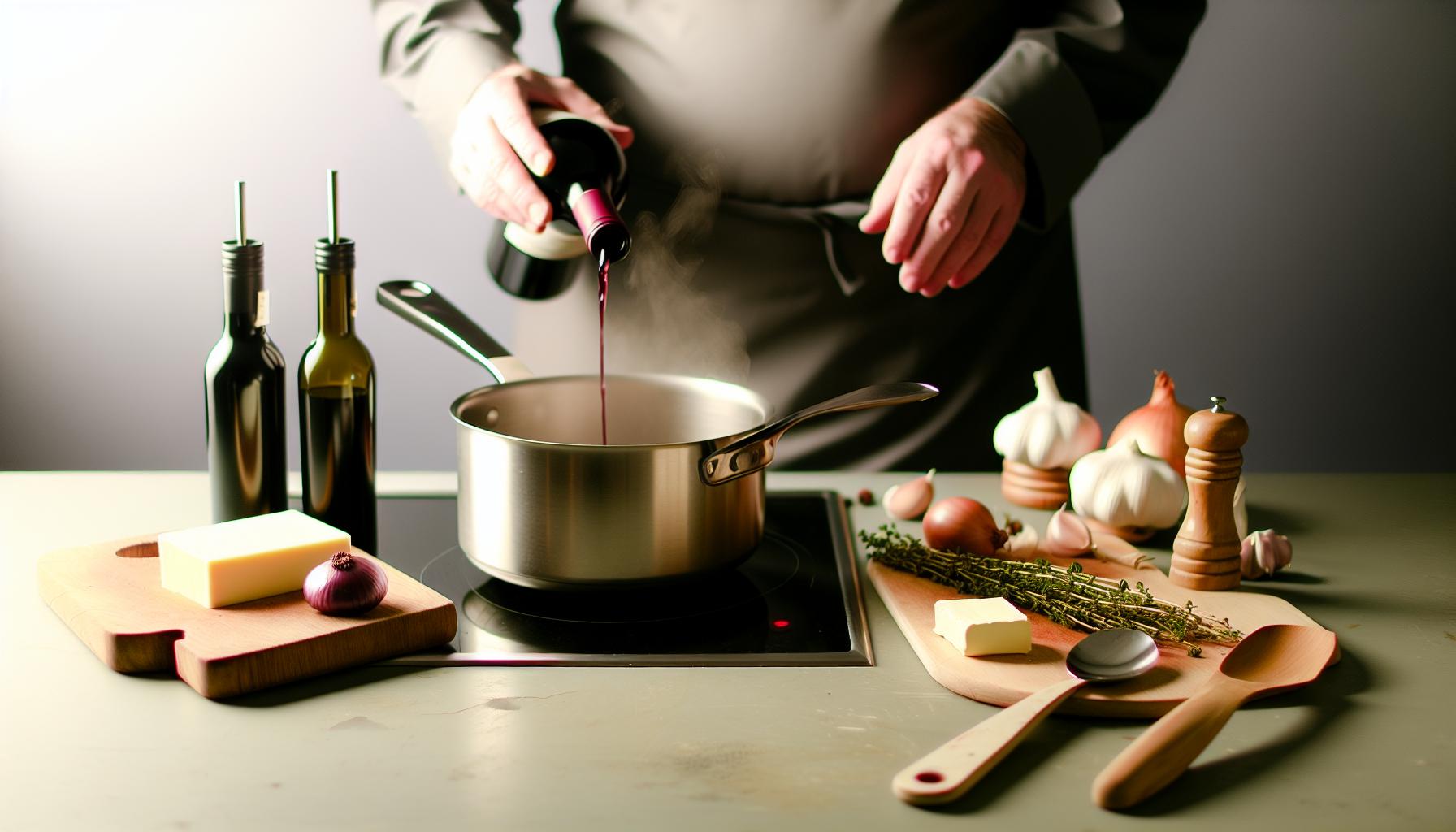
Making a luscious red wine sauce is easier than you might think! With just a handful of ingredients and a little patience, you can create a rich, velvety sauce that elevates your meat and pasta dishes to gourmet status. Let’s walk through the simple steps to craft this delightful sauce.
Start by gathering your ingredients: you’ll need red wine, shallots or onions, garlic, beef stock, and a bit of butter for that silky finish. Begin by finely chopping your shallots and mincing the garlic. Heat a tablespoon of butter in a saucepan over medium heat, letting it melt and foam slightly-this is where the magic begins!
Add the chopped shallots to the pan; sauté them until they turn translucent and fragrant, about 3-4 minutes. Then, toss in the minced garlic and cook for an additional minute, just until it becomes golden. This step is crucial because it builds the foundation of flavor for your sauce.
Next, pour in about 2 cups of a good-quality dry red wine. A Cabernet Sauvignon or Merlot works beautifully here. Increase the heat slightly, bringing the mixture to a gentle simmer. Let the wine reduce by half. This will take about 10-15 minutes. As it reduces, the flavors concentrate, resulting in a richer sauce. Keep an eye on it, stirring occasionally to prevent sticking.
Once the wine has reduced, add in 1 cup of beef stock and a bay leaf. Allow the sauce to simmer for another 10-15 minutes until it thickens to your desired consistency. Taste as you go! If you want more depth, consider adding a splash of balsamic vinegar or a sprinkle of freshly chopped herbs like thyme or rosemary.
Finally, when your sauce reaches the perfect thickness, swirl in another tablespoon of butter off the heat to give it that luscious, glossy finish. Season with salt and pepper to taste, and voilà! You’ve created a fantastic red wine sauce that will enhance any dish. Don’t forget to strain it if you prefer a smoother texture, or leave it rustic for that homemade charm.
This step-by-step process not only makes it easy but also intuitive. You don’t need fancy equipment-just a saucepan and your eager hands. Enjoy the journey and feel free to experiment with flavors that speak to you. Happy cooking!
Choosing the Right Red Wine for Your Sauce
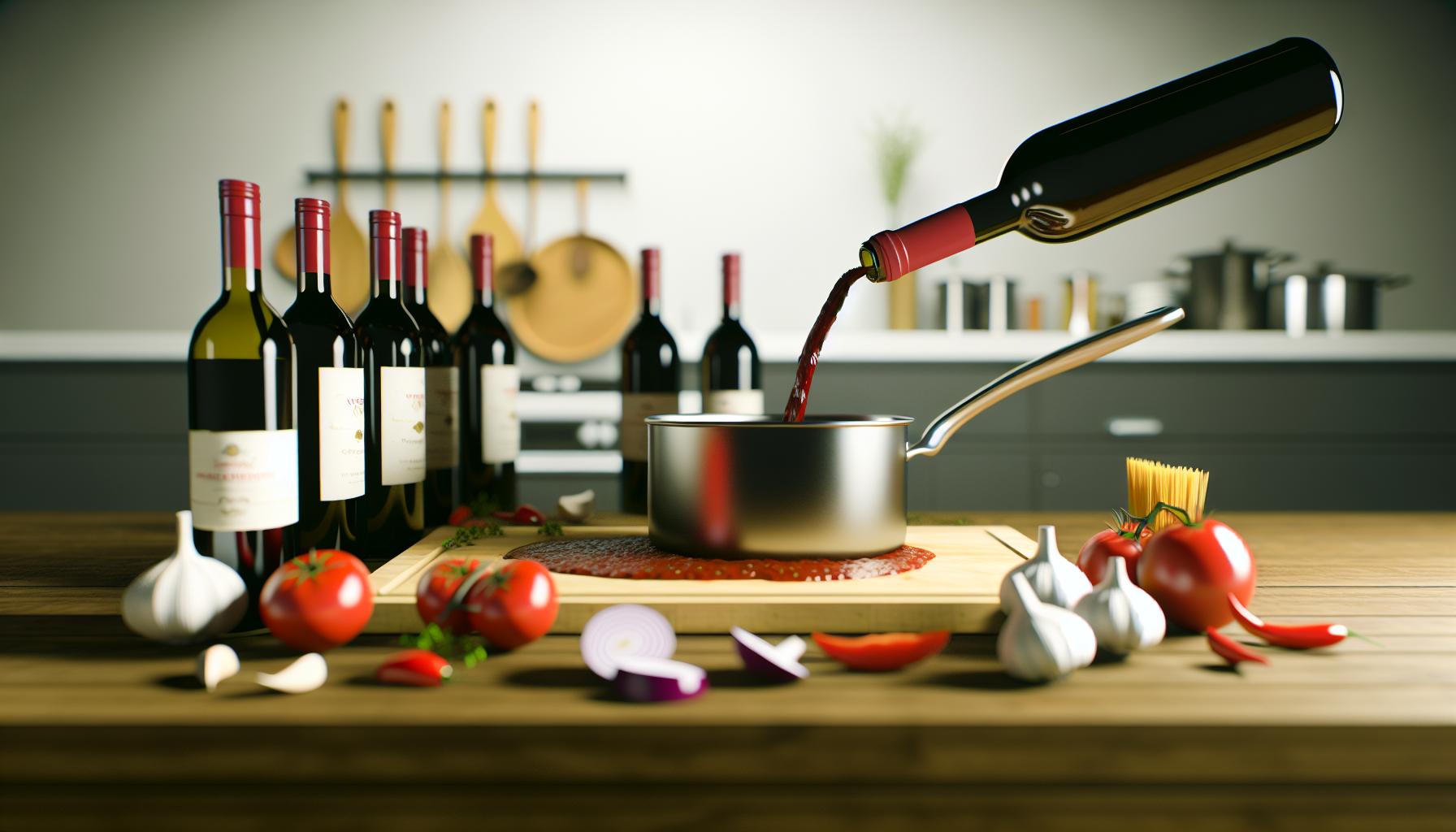
Choosing the right red wine can be the magic ingredient that transforms a good sauce into a great one. The flavor of your red wine will directly impact the depth and character of your sauce, so it’s vital to select one that enhances your dish rather than overpowers it. A common rule of thumb is to use a wine that you would enjoy drinking. If it tastes good in the glass, it will taste even better in your sauce!
When it comes to wine selection, consider a few key factors:
Types of Red Wine
- Cabernet Sauvignon: Bold and full-bodied, this wine offers rich tannins and dark fruit flavors. It’s excellent with hearty meats like beef and lamb.
- Merlot: Softer and fruitier than Cabernet, Merlot adds a luscious mouthfeel that works well with dishes like roasted chicken or pork.
- Pinot Noir: This lighter-bodied wine brings bright acidity and flavors of red fruits, making it a great match for pasta dishes and lighter meats.
- Zinfandel: With its jammy fruit flavors and spicy finish, Zinfandel is perfect for dishes that need a little extra kick.
Quality Matters
Don’t reach for the bottom shelf! A decent quality wine will yield better flavors and complexity. You don’t need to splurge on an expensive bottle, but avoid cooking wines, as they often contain added salt and preservatives that can diminish your sauce’s flavor. Aim for a bottle in the $10-$20 range for good quality without breaking the bank.
Other Considerations
Also, remember the wine’s origin and its unique characteristics. For instance, a California Cabernet will have different flavor notes than an Argentinian Malbec. Feel free to experiment with regional varieties that may surprise you!
In summary, while selecting your red wine, keep your personal tastes and the dish’s ingredients in mind. This choice will bring your sauce to life, making it an outstanding accompaniment to your meat and pasta dishes. Happy cooking, and enjoy the journey of discovery through your favorite bottle!
Tips for Cooking with Red Wine: Dos and Don’ts
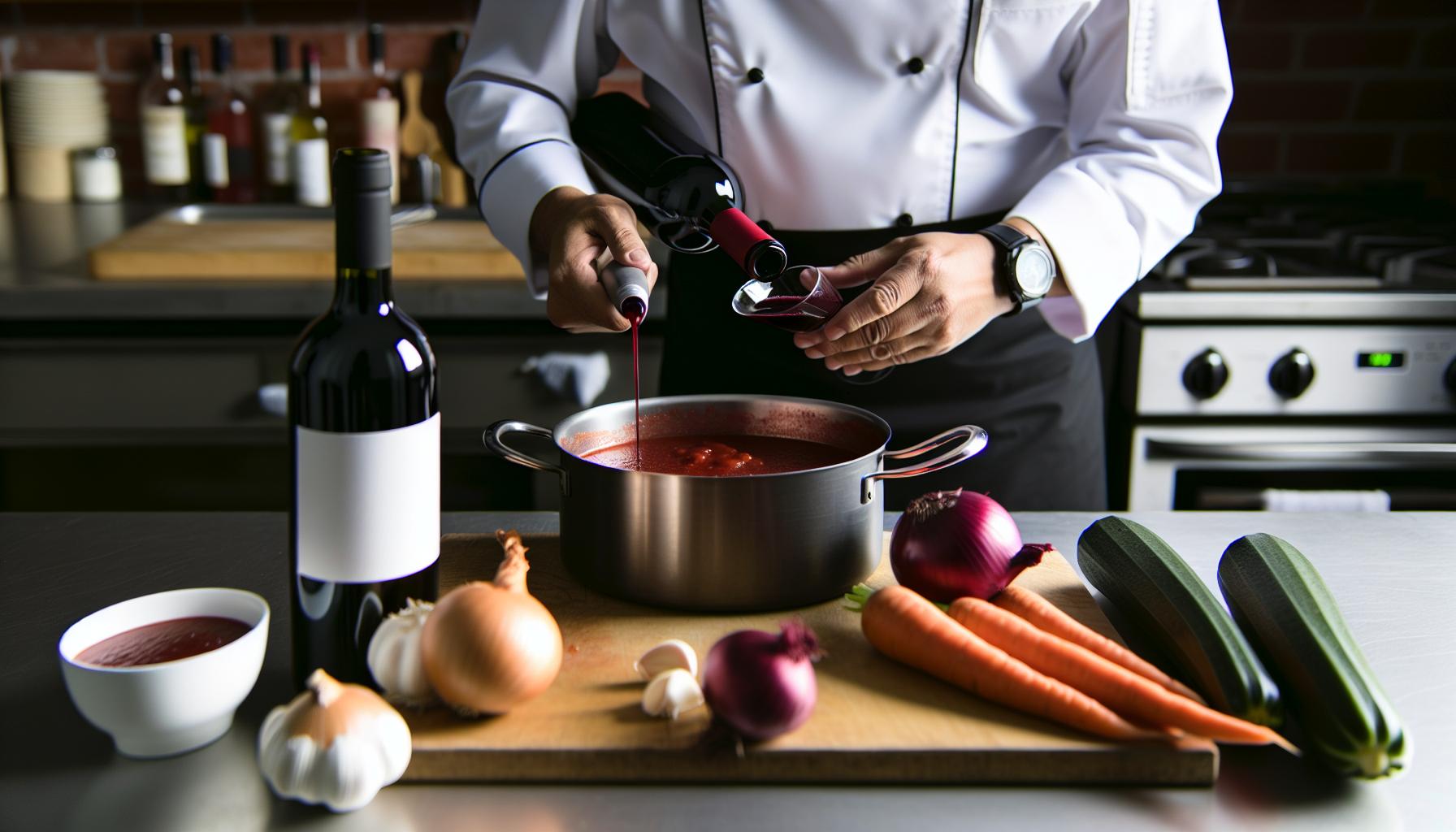
When it comes to cooking with red wine, a little know-how can go a long way in elevating your dishes. The key to a great red wine sauce lies not just in the wine itself but in how you use it throughout the cooking process. Here are some dos and don’ts to guide you in creating a flavorful sauce that compliments your meats and pastas.
Dos
- Do choose quality wine: Always opt for a wine you enjoy drinking. A good bottle can make all the difference in flavor. Remember, what goes into your sauce reflects the quality of what you drink!
- Do let it breathe: When using red wine in cooking, allow it to breathe for a few minutes before adding it to your dish. This enhances the aroma and flavor profile, resulting in a richer sauce.
- Do reduce the wine: Make sure to simmer your wine to reduce it before adding other ingredients. This concentrates the flavors and helps to achieve a velvety texture.
- Do balance your flavors: Pair your wine sauce with complementary ingredients. For example, a splash of balsamic vinegar or a bit of beef stock can enhance the sauce’s depth.
- Do experiment: Feel free to try different varieties of red wine in your sauces. Each type brings a unique profile that can change the character of the dish.
Don’ts
- Don’t use cooking wines: These often come with added salt and preservatives, which can ruin the flavor of your sauce. Stick with drinkable table wines!
- Don’t rush the cooking process: Allow time for the sauce to develop its flavors. Quick cooking can leave you with a bland sauce that lacks depth.
- Don’t overpower: Wine should enhance your dish, not dominate it. Use it judiciously, especially if you’re combining multiple strong flavors.
- Don’t forget to season: While red wine adds complexity, don’t forget to taste and adjust your seasonings like salt and pepper to balance the flavors.
- Don’t store leftover wine sauce improperly: Red wine sauces can be stored, but be sure to keep them in an airtight container in the fridge. Use them within a few days for the best flavor.
Following these simple dos and don’ts will help you navigate the art of cooking with red wine, ensuring that your sauces are not only delicious but also a true reflection of your culinary creativity! Embrace the process, have fun, and let the flavors of your wine sauce shine through in every meal.
Simple Variations to Elevate Your Red Wine Sauce
Enhancing your red wine sauce with simple variations can transform your dish into something truly memorable. Consider adding depth and complexity with a few straightforward tweaks that elevate your flavor profile without overwhelming your cooking process.
Begin by introducing aromatics like shallots or leeks instead of standard onions. These options provide a sweeter, more delicate flavor that complements the richness of the wine. You might also add herbs such as thyme, rosemary, or even a bay leaf during simmering to infuse your sauce with earthy notes. For a touch of umami, try including a small amount of tomato paste or diced mushrooms; both can deepen the color and flavor while blending seamlessly with the wine.
Another delightful variation is to introduce a citrus element. A squeeze of fresh lemon or orange juice at the end of cooking can brighten your sauce, providing a refreshing contrast to the boldness of the red wine. This is particularly effective when serving the sauce with rich meats like lamb or even grilled vegetables. If you enjoy a bit of sweetness, consider a splash of balsamic reduction or honey, which can round out acidity and enhance the overall flavor.
For those who love to experiment, mixing in a splash of fortified wine, like port or sherry, as the sauce reduces can add luxurious layers of flavor. If your sauce starts to feel too thick, a little beef or chicken stock can help achieve your desired consistency without sacrificing taste. Remember that each variation is an opportunity to reflect your personal taste and creativity in the kitchen. Enjoy the process, and don’t hesitate to make this sauce your own!
Ideal Meat Pairings for Red Wine Sauce
When it comes to pairing meat with red wine sauce, the possibilities are as rich and varied as the sauce itself. Red wine sauce enhances the natural flavors of a dish, making it a perfect companion for a range of meats. Whether you’re celebrating a special occasion or simply seeking comfort in a homemade meal, consider the following meats that elevate your dining experience when served with red wine sauce.
- Beef: The classic partner for red wine sauce, beef cuts such as tenderloin, ribeye, or flank steak lend themselves beautifully to the deep flavors of a robust red. The richness of the beef complements the sauce, creating a harmonious balance. For a real treat, try a perfectly seared steak topped with a luscious red wine reduction.
- Lamb: The tender, gamey flavor of lamb shines when paired with red wine sauce. Lamb chops or a slow-cooked lamb shank soaked in red wine sauce can create a mouthwatering dish that also pairs well with a glass of red wine. The sauce highlights the meat’s unique flavors, enhancing the overall meal.
- Pork: Pork tenderloin or pork chops are fantastic with a lighter, fruit-forward red wine sauce. The sweetness and acidity of the sauce can balance the savory, slightly sweet profile of the pork, making for a delightful pairing. Consider simmering the sauce with some diced apples for a fruity twist that complements the pork beautifully.
- Venison: For those adventurous home cooks, venison boasts a rich and bold flavor, making it perfect for a hearty red wine sauce. Because venison is leaner than beef, the sauce not only adds moisture but also amplifies the deep, earthy flavors of the meat. Roasted or grilled venison steaks paired with red wine sauce can be a truly gourmet experience.
- Duck: Duck breast with its rich and fatty meat is another superb partner for red wine sauce. The sauce cuts through the richness, enhancing flavors with each bite. A seared duck breast drizzled with a red wine reduction elevates any dinner table to fine dining status.
Choosing the right meat pairing largely depends on the type of red wine used in the sauce and the preparation method. For instance, a younger, fruitier red wine complements pork and chicken beautifully, while a full-bodied red enhances the flavors of richer meats like beef and venison. Consider experimenting with different cuts and cooking techniques, and don’t be afraid to personalize your dish based on what you love!
Remember, the joy of cooking comes from exploration and adjustment. As you perfect your red wine sauce and find your ideal meat match, you’re not just making dinner-you’re creating a memorable experience. Happy cooking!
Delicious Pasta Dishes to Complement Red Wine Sauce
One of the true delights of cooking is discovering how well red wine sauce pairs with pasta dishes, transforming a simple meal into an exquisite experience. When crafted with care, the depth and richness of red wine sauce can enhance various pasta types, making each bite resonate with flavor. Whether you’re whipping up a cozy dinner at home or impressing guests, try these pasta options that perfectly complement the luxurious notes of red wine sauce.
Red Wine Pasta Recipes to Explore
To kick things off, consider a classic spaghetti dish. Toss al dente spaghetti with a rich red wine sauce infused with garlic, minced shallots, and fresh herbs. The spaghetti’s porous texture helps absorb the sauce, making every forkful bursting with flavor. You can elevate this dish by adding sautéed mushrooms, which contribute an earthy dimension that pairs beautifully with the wine’s fruity undertones.
Another wonderful option is penne arrabbiata in red wine sauce. This variation on a traditional spicy tomato sauce can be crafted by deglazing the pan with red wine after cooking your garlic and chili flakes. The wine melds with the acidity of the tomatoes, delivering a sauce that dances with warmth and zest, perfect for those who appreciate a little kick in their pasta. Finish it off with a sprinkle of fresh parsley and grated Parmesan to round out the experience.
For a more elegant touch, try making fettuccine with a creamy red wine sauce. Start with a base of shallots and garlic sautéed in butter, then slowly incorporate cream and a splash of red wine. The result is a decadent, velvety sauce that clings beautifully to wide ribbons of fettuccine. Add sautéed spinach or wilted chard for a burst of color and nutrition.
Pairing Tips
While crafting these dishes, keep in mind that the type of red wine you use can elevate the overall profile of your sauce. A full-bodied wine, like a Cabernet Sauvignon, works wonders with robust flavors, while a lighter Merlot can complement milder, creamier sauces. Experimenting with different wines in your sauce can yield delightful surprises.
Don’t hesitate to mix and match! The beauty of cooking is in the art of experimentation. Feel free to add proteins like grilled chicken or sautéed shrimp to your pasta dishes for a heartier meal. As you begin to explore these recipes, you’ll find that your creativity in the kitchen will flourish, turning every mealtime into something special. Happy cooking!
Storage Tips: How to Keep Your Sauce Fresh
To keep your homemade red wine sauce fresh and delicious, a few simple storage tips can make all the difference. First off, after making your sauce, let it cool completely. This step is crucial, as placing hot sauce directly into the refrigerator can raise the temperature inside, potentially affecting other stored foods. Once cooled, transfer your sauce to an airtight container. This will help prevent any unwanted odors from seeping in and keep your sauce tasting as fresh as the day you made it.
Refrigeration and Freezing
Generally, red wine sauce can be safely stored in the refrigerator for about 2 to 3 days. If you want to keep it longer, consider freezing it. To do this, pour the sauce into a freezer-safe container, leaving some space at the top for expansion. Alternatively, ice cube trays work well for portioning out smaller amounts. Once frozen, transfer the cubes to a zip-top bag for easy access later. This method allows you to pull out just what you need without defrosting the whole batch.
Thawing and Reheating Tips
When you’re ready to use your frozen sauce, simply transfer it to the fridge to thaw overnight, or use a microwave on a low setting if you’re in a hurry. If the sauce thickened during storage, you can easily bring it back to the right consistency by stirring in a teaspoon of water or stock while reheating. Just remember, as with any sauce that involves meat stock, it’s best to individually assess the sauce before consuming it after lengthy storage. If it smells or looks off, it’s wise to err on the side of caution.
By following these straightforward tips, you can ensure that your red wine sauce stays fresh and ready to elevate your next meal, whether it’s a hearty meat dish or a comforting pasta plate. Happy cooking and enjoy your culinary creations!
Troubleshooting Common Sauce Issues
Making a red wine sauce can elevate even the simplest of dishes, but sometimes things don’t go as planned. If you find yourself facing issues with your sauce, don’t fret! Most common problems have practical solutions that can help you salvage your culinary creation.
One of the most frequent issues is a sauce that tastes “too wine-y.” This can happen if you used a wine that is too bold or if the sauce was not reduced sufficiently. If this happens, try balancing the flavor by adding a touch of sweetness. A small amount of sugar or a splash of balsamic vinegar can counteract the overly strong wine flavor, making your sauce more enjoyable. Additionally, adding a bit of broth can help dilute the flavor while enhancing depth.
Another common troubleshooting scenario is a sauce that has become too thick. If your sauce is clumping or has a paste-like consistency, don’t worry! Simply whisk in a little stock or water, gradually, until the desired texture is achieved. Remember, you can always add more liquid, but it’s hard to take it away once it’s in there. Conversely, if your sauce is too thin, continue to simmer it on low heat to evaporate excess liquid and concentrate the flavors.
If you notice a grainy texture in your sauce, it might be due to the addition of cold ingredients to a hot sauce. Always ensure that any ingredients, like butter or cream, are at room temperature before incorporating them into your sauce. This small step can prevent undesirable texture changes and craft a smoother finish.
Finally, if the sauce simply lacks depth or complexity, fear not! Incorporate additional aromatics like minced garlic or shallots, or herbs such as thyme or rosemary to enrich the flavor profile. A splash of stock or a dollop of tomato paste can also impart a nice richness that complements the wine beautifully.
In the world of cooking, experimentation is key. Every mistake is an opportunity to learn and improve, so embrace the process! Your red wine sauce can still shine brightly at the dinner table, ready to impress your guests or family with a little patience and creativity. Happy cooking!
Transform Leftover Sauce into New Meals
Transforming leftover red wine sauce into new meals is like adding a dash of magic to your cooking repertoire. Whether you have a bit of sauce left from last night’s dinner or a larger batch, there are so many delicious ways to repurpose it that will elevate your menu without requiring extensive effort. Here’s how you can bring your creative cooking skills to life.
One of the simplest ways to use leftover red wine sauce is to turn it into a flavorful stew or braise. Just add some diced vegetables like carrots, celery, and onions into a pot, along with your sauce and a protein of your choice-think chicken, beef, or even hearty mushrooms for a vegetarian twist. Let everything simmer together, and watch as those flavors meld beautifully, creating a comforting dish that’s perfect for chilly evenings.
You could also create a saucy risotto. Start by sautéing some garlic and onion in a pan, then stir in your arborio rice. Gradually add broth and your leftover red wine sauce, stirring until you achieve that creamy texture risotto is known for. Finish it with some grated parmesan and fresh herbs for a decadent side dish or a main course that’s sure to impress.
Creative Uses for Red Wine Sauce
- Pizza or Flatbreads: Spread your sauce as a base for homemade pizzas or flatbreads before adding your favorite toppings. It’ll provide an unexpected depth of flavor.
- Pasta Dishes: Toss it with cooked pasta for a quick and luxurious dinner. Sprinkle with fresh herbs and parmesan cheese for an easy meal.
- Meat Marinades: Use the sauce as a marinade for meats like chicken or pork, infusing them with rich flavors before grilling or roasting.
- Soup Starter: Incorporate it into a broth-based soup to add layers of complexity. Just blend well with some stock and veggies for a new soup experience.
Lastly, if you find yourself with a generous amount of leftover sauce, consider freezing it in portion-sized containers. This way, you can easily pull out a bit whenever you want to jazz up a meal. Toss it into a fresh batch of mashed potatoes for an unexpected twist, or use it to enrich a simple vegetable soup. Cooking should be all about creativity and ease, so don’t hesitate to experiment with what you have.
With these easy transformations, your leftover red wine sauce will not just sit in the fridge but will come alive in fresh, exciting dishes. Embrace the opportunity to explore different culinary paths, and remember, cooking is about having fun and experimenting!
Serving Suggestions: Presentation Ideas for Your Dish
When it comes to serving dishes drizzled with red wine sauce, presentation can elevate your meal from ordinary to extraordinary. A beautifully plated dish not only pleases the eye but also enhances the overall dining experience. Here are some delightful ways to present your meat and pasta dishes dressed in rich, velvety red wine sauce.
Start by thinking about the plate itself. A simple white or neutral-colored plate will allow the deep, vibrant colors of your sauce to stand out. Begin plating your protein-whether it’s a succulent steak or tender chicken breast-at the center of the plate. Use a spoon to carefully drizzle the red wine sauce over the meat, allowing it to pool slightly. This not only highlights the sauce but also adds moisture to the dish, making it appear inviting.
For pasta dishes, consider using a nest-like formation. Twirl the pasta into a mound and place it artfully on one side of the plate. Then, spoon the red wine sauce around it, or toss a little in with the pasta right before serving. This adds a touch of elegance, inviting your guests to dive in. Garnish with a sprinkle of freshly chopped herbs such as parsley or basil, or even a few shavings of parmesan cheese for a pop of color and flavor.
Don’t forget the finishing touches! A few whole herbs, like thyme or rosemary, can be placed atop the protein, while a light sprinkle of sea salt can enhance the flavors. Consider using a dollop of extra sauce in the corner of the plate or alongside a side of mashed potatoes or roasted vegetables, which can help to balance the dish visually. And if you want to really impress, you can even use a squeeze bottle to create decorative swirls or patterns with sauce-just have fun with it!
By paying attention to these small details in your presentation, you can showcase your homemade red wine sauce in a way that’s not only appetizing but also artful, making every meal feel like a special occasion. Enjoy the process of making your dishes look as delightful as they taste!
Q&A
Q: What type of red wine is best for making red wine sauce?
A: The best red wine for making sauce is a dry wine, such as Cabernet Sauvignon, Merlot, or Pinot Noir. These wines add depth and a rich flavor that balances well with meat and pasta dishes. Avoid sweet wines as they can alter the sauce’s taste. For tips on choosing wine, refer to the Choosing the Right Red Wine for Your Sauce section.
Q: How long should I simmer red wine sauce for the best flavor?
A: Simmering your red wine sauce for at least 15-30 minutes is ideal for developing deep flavors. This reduction allows the wine to concentrate, enhancing the overall taste. Adjust simmering time based on desired thickness and intensity. Check the Step-by-Step Guide for detailed instructions on simmering.
Q: Can I use leftover wine for making red wine sauce?
A: Absolutely! Leftover wine is perfect for making red wine sauce. Just ensure it’s still good to drink, as any off-flavors will be present in the sauce. Using leftover wine can help reduce waste and add a personal touch to your dishes. For more on storage and repurposing wine, check the Storage Tips section.
Q: How do I prevent my red wine sauce from becoming too bitter?
A: To prevent bitterness, avoid over-reducing the sauce and use a balanced amount of stock or broth. Incorporating a touch of sugar or honey can counteract bitterness, enhancing the sauce’s sweetness. Refer to the Troubleshooting Common Sauce Issues section for more tips on flavor balance.
Q: What are some common mistakes to avoid when making red wine sauce?
A: Common mistakes include using low-quality wine, overcooking the sauce, or failing to balance flavors. Always taste throughout the cooking process and adjust ingredients as needed. Check the Tips for Cooking with Red Wine: Dos and Don’ts for a thorough guide to successful sauce-making.
Q: Can I make a vegetarian version of red wine sauce?
A: Yes! To create a vegetarian red wine sauce, use vegetable broth instead of beef stock. You can also add mushrooms for umami flavor and depth. Explore variations in the Simple Variations to Elevate Your Red Wine Sauce section for more delicious options.
Q: How can I thicken my red wine sauce without flour?
A: To thicken your red wine sauce without flour, let it simmer longer to reduce and concentrate. Alternatively, you can blend in puréed vegetables or use cornstarch mixed with water. For more thickening tricks, see the Troubleshooting Common Sauce Issues section for effective solutions.
Q: What dishes pair well with red wine sauce?
A: Red wine sauce pairs excellently with hearty meats like steak, lamb, and duck. It also complements pasta dishes, enhancing their flavor. For specific meat and pasta suggestions, visit the Ideal Meat Pairings for Red Wine Sauce and Delicious Pasta Dishes to Complement Red Wine Sauce sections for culinary inspiration.
Wrapping Up
Congratulations on mastering the art of making a delicious red wine sauce that’s perfect for enhancing both meat and pasta dishes! As you savor the rich flavors and aromas, think about how this simple yet elegant sauce can elevate your home cooking. Don’t forget, experimenting is key-try adding different herbs or spices to tailor it to your taste!
To further enhance your culinary adventures, check out our guides on pairing wines with food and easy pasta recipes that will complement your red wine sauce beautifully. If you’re eager to receive more cooking tips and exclusive recipes, consider signing up for our newsletter to stay inspired and informed!
We’d love to hear your thoughts; feel free to leave a comment below sharing your experience or any creative twists you added. Your feedback not only helps us improve but new ideas can inspire others in our cooking community. Keep cooking and experimenting-each dish is a step towards becoming a confident home cook!
Get our latest guides, news, and insights highlighted in your Google Search & AI Overviews.