
Have you ever tasted rhubarb and marveled at its sharp, tangy flavor? Imagine transforming that bright, tart ingredient into a delightful homemade wine that captures the essence of spring! In this guide, you’ll discover not just how to make rhubarb wine, but also how to embrace a fun DIY project that elevates your culinary skills. This approachable recipe is designed for everyone, whether you’re a seasoned wine enthusiast or just dipping your toes into winemaking. With simple ingredients and no fancy equipment required, you’ll find that crafting your own rhubarb wine is not only achievable but incredibly rewarding. So grab your rhubarb, and let’s embark on this flavorful journey together!
Choosing the Right Rhubarb for Wine-Making Success
Choosing the right rhubarb is a key step to ensuring your homemade wine shines with depth and flavor. Not all rhubarb is created equal, and selecting the right variety can dramatically affect the taste of your finished wine. Ideally, you want to look for vibrant stalks with a fresh scent-these are indicators of quality.
There are several varieties of rhubarb you might encounter, but the most popular for winemaking are the ones with the rich, red stalks. Varieties such as ‘Valentine’ and ‘Crimson’ not only look beautiful but also pack a punch in terms of flavor. Their tartness balances well with sugar, making for a delightful wine. Avoid using rhubarb with dull or yellowing stalks, as these tend to be less flavorful and can impart a blandness to your wine.
When you’re at the market or picking from your garden, consider the following tips:
- Freshness: Choose stalks that snap cleanly when bent. Wilted or soft stalks indicate age and will affect your wine.
- Color: Opt for deep red or pink stalks. The deeper the color, often the sweeter the stalks, which can help balance the inherent tartness.
- Size: Thicker stalks usually have a more concentrated flavor than thinner ones. However, make sure they’re not too thick, as overly matured stalks can become woody.
Once you’ve selected your rhubarb, make sure to wash it thoroughly and trim the ends before using it. Remember, while the stalks are edible, the leaves are toxic due to their high oxalic acid content, so do not include them in your winemaking process. With the right rhubarb in hand, you’re one step closer to creating a deliciously tart and satisfying wine that showcases the unique character of this delightful plant!
Essential Ingredients for Homemade Rhubarb Wine
To create a delicious batch of rhubarb wine, having the right ingredients is crucial. The key to a balanced and flavorful homemade wine lies not just in the rhubarb but in a harmonious blend of supportive components that enhance its natural tartness. Here’s what you’ll need to gather before diving into your winemaking adventure.
Start with fresh rhubarb stalks-about 2 to 3 pounds for a standard batch. As mentioned, choose vibrant red or pink stalks for a sweeter flavor profile, and ensure they are firm and fresh. You’ll also need granulated sugar, typically around 3 to 5 cups, depending on how sweet you want your wine to be. Sugar is essential for fermentation and will help balance the rhubarb’s tang, resulting in that delightful sweet-tart flavor that makes rhubarb wine so appealing.
In addition to these main players, don’t forget about the water-3 to 4 quarts, depending on your desired dilution level. Using filtered or spring water can enrich the taste of your wine. Next, for the fermentation process, grab some wine yeast. A packet of champagne yeast or a specific wine yeast will do the trick, as they are formulated to work well with fruity wines. This step is vital for transforming the sugars into alcohol.
Lastly, consider adding some citric acid or lemon juice to enhance the tartness and freshness of the wine. About 1 to 2 teaspoons should suffice, giving your rhubarb wine that refreshing zing. Optional ingredients could include oak chips for aging if you want to infuse a woody flavor or fruit for added complexity-think strawberries or apples for a unique twist.
With these essential ingredients gathered, you’re well on your way to crafting a delightful homemade rhubarb wine that’s sure to impress your friends and family! Embrace the process and feel free to experiment with proportions to make the recipe your own.
Step-by-Step Guide: Making Your Rhubarb Wine
To embark on the delightful journey of making rhubarb wine, you don’t need to be a seasoned winemaker; the process is approachable and rewarding. A standard batch will take about 3 to 4 weeks from start to finish, allowing you to savor the vibrant flavors of rhubarb. Let’s walk through the steps to transform those tart stalks into a refreshing homemade wine.
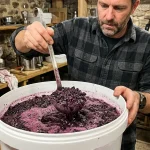
First, prepare your rhubarb. You’ll want to wash and chop the fresh rhubarb stalks into small pieces; around 2 to 3 pounds will do. This will help release their juices during the fermentation process. Once chopped, place the rhubarb in a large, sanitized fermentation vessel.
Next, it’s time to add the other essential ingredients. Pour in approximately 3 to 4 quarts of filtered or spring water over the rhubarb. This dilutes the mixture just enough to allow for proper fermentation. Now, gradually sprinkle in 3 to 5 cups of granulated sugar, stirring gently to dissolve fully. Remember, the sugar will help balance the tangy flavor of the rhubarb, creating that signature sweet-tart perfectly.
After your sugar is dissolved, it’s crucial to kickstart fermentation. Sprinkle in a packet of wine yeast and give it a gentle stir. This yeast is what will convert the sugars into alcohol, so it’s an important step. If you want to enhance the tartness further, consider adding 1 to 2 teaspoons of citric acid or lemon juice at this stage.
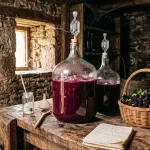
Now, cover your fermentation vessel with a clean cloth or an airlock to allow gases to escape while keeping contaminants out. Store the vessel in a dark, warm place, ideally around 70-75°F (21-24°C). Over the next few weeks, you’ll see bubbling, a sign that fermentation is actively taking place.
Check on your wine after about a week; give it a gentle stir to release any trapped carbon dioxide. After about 2 to 3 weeks, when bubbling has stopped, you’ll want to strain the mixture through a fine sieve or cheesecloth to remove solid particles, transferring the liquid into a sterilized secondary fermenter.
At this stage, you can taste your wine and adjust the sweetness if needed. If you find it too tart, you might add a little more sugar. Finally, seal the secondary fermenter with an airlock and let it age for another 2 to 3 weeks. This aging period will allow the flavors to meld and mature beautifully.
After this period, you can bottle your rhubarb wine with clean, sanitized bottles. Make sure to leave a little space at the top of each bottle. Seal them carefully and place them in a cool, dark place to continue maturing for at least a month.
Your homemade rhubarb wine is now ready to enjoy! Whether you savor it on its own or pair it with a light dessert, it promises to be a delightful treat. Cheers to your winemaking adventure!
Adjusting Sweetness: Balancing Tart and Sweet Flavors
The key to a delightful rhubarb wine lies in mastering the balance between its natural tartness and your desired sweetness. Rhubarb’s intense acidity can be exciting, but without the right adjustments, it can overpower your wine. Here’s how to navigate that flavor spectrum and create a harmonious sip.
When you first taste your fermentation after a couple of weeks, you might find it overwhelmingly tangy. This is the moment to decide how sweet you want your final product. Start by adding small increments of granulated sugar, ideally one cup at a time-give it a good stir and let it dissolve fully before tasting again. This gradual approach allows you to control the sweetness without overshooting your goal. Additionally, if you’re after a more complex flavor, consider alternatives like honey or agave syrup, which can impart their unique characteristics to the wine.
Experimenting with Sweetness
Keep in mind that sweetness perception can also vary depending on temperature. Serve a chilled sample to assess its true flavor profile and sweetness level, as cold temperatures can dull sweetness. If the wine still feels too tart after adjusting sweetness, you might incorporate a small amount of citric acid or lemon juice, which can enhance the wine’s refreshment without making it cloying.
Finally, remember that patience is key. Allow your rhubarb wine to age for a few weeks after bottling; during this time, flavors will meld, and any initial harshness will soften. Come back to it later for a taste-this may change your perspective on sweetness as the wine matures. With these tips, you’ll be well on your way to crafting a rhubarb wine that elegantly dances between tart and sweet. Cheers to your flavorful creation!
Fermentation Tips for Perfectly Brewed Rhubarb Wine
Creating rhubarb wine is an exciting journey that allows you to turn the unique tartness of rhubarb into a delightful homemade beverage. A crucial stage in this process is fermentation, where your rhubarb mixture transforms into the delicious wine you’re aspiring to create. The fermentation period can be fascinating to watch, so let’s delve into some essential tips that will ensure your rhubarb wine turns out perfectly brewed.
Start by monitoring the fermentation temperature closely; ideally, you want to keep your brew between 65°F to 75°F (18°C to 24°C). Temperatures outside this range can stall fermentation or create off-flavors. If you’re fermenting in a cooler space, consider wrapping the fermenter in a blanket or using a heat mat to maintain warmth. Also, ensure you’ve established a good environment by sanitizing all your equipment-this step is critical to prevent any unwanted bacteria from spoiling your brew.
Another key aspect is the yeast you choose. A strong, reliable yeast strain not only initiates fermentation but also helps manage the volatile acidity linked to rhubarb. Consider using a wine yeast variety, as they are more suited to handling the sugar levels and acidic nature of rhubarb. Be sure to pitch the yeast when your mixture is at room temperature to activate it properly.
Throughout fermentation, it’s essential to stir your mixture gently about once a day. This not only incorporates oxygen, which supports healthy yeast activity, but also helps to release trapped carbon dioxide. If you notice a foamy cap forming, that’s fine. Just make sure to check for kinks in your airlock as this can cause it to get clogged. Once bubbling slows down significantly, typically after 1 to 3 weeks, it’s time to check your wine’s specific gravity with a hydrometer to determine if fermentation is complete. You’re aiming for a stable reading over a few days to ensure the yeast has consumed most of the sugars.
Lastly, patience is fundamental during fermentation. Resist the urge to rush the process; let the yeast do its job. After a few weeks, taste your brew to see how it’s developing. This moment can be your first glimpse into the flavor you’d created, helping you visualize what adjustments might be needed later. Happy fermenting!
Common Mistakes to Avoid When Brewing Wine
When diving into the world of rhubarb wine-making, it’s essential to be aware of common pitfalls that can turn your exciting brewing adventure into a frustrating experience. Don’t let a few missteps ruin your delicious endeavor! Here are some key mistakes to steer clear of, ensuring your rhubarb wine is as delightful as you imagine.
One common error is neglecting sanitation. Home winemakers often underestimate the importance of keeping everything clean. Bacteria, wild yeast, and other unwelcome microorganisms can easily spoil your batch. Always sanitize your equipment before using it-this includes fermenters, airlocks, and any utensils. A simple solution of water mixed with unscented bleach or a specialized sanitizer can work wonders. Remember, even a tiny contaminant can ruin your wine.
Another mistake is not paying attention to temperature during fermentation. Rhubarb wine benefits from a stable, moderate temperature, ideally between 65°F to 75°F. Every degree outside this range can significantly affect yeast performance, leading to off-flavors or stalled fermentation. If your environment is too cold, consider using heating pads or blankets to maintain warmth. Conversely, if it’s too hot, find a cooler spot for your fermentation vessel.
Overlooking the fermentation timeline is also a trap many fall into. Be patient! Rushing to bottle your wine can lead to unwanted flavors. The fermentation process can take anywhere from one to three weeks. Monitor the activity by observing bubbling and checking the specific gravity with a hydrometer. When the bubbling slows significantly and you achieve stable gravity readings for a couple of days, you’re ready to proceed. A little patience goes a long way in allowing the flavors to develop beautifully.
Lastly, many new winemakers fail to taste their brew during the fermentation process. Tasting your rhubarb wine at different stages can be incredibly instructive. It helps you assess the flavor development and decide if adjustments are necessary. Remember, winemaking is about discovery; every batch offers new experiences to learn from. By staying engaged with your brew, you can create a product that’s not only a success but also personal and reflective of your unique flavor preferences.
Avoiding these common mistakes will not only enhance your chances of brewing a delicious rhubarb wine but also make the entire process enjoyable. Happy brewing!
How to Flavor Your Rhubarb Wine with Herbs and Spices
Enhancing your rhubarb wine with herbs and spices can elevate its flavor profile, bringing out the best of its tartness while adding depth and complexity. Imagine the bright, tangy notes of rhubarb harmonizing with the warm, aromatic scents of spices or the fresh, herbal undertones of an herb. This is your canvas for creativity, so don’t be afraid to experiment!
To start, consider common additions that pair beautifully with rhubarb. Ginger offers a spicy kick, while cinnamon adds warmth and comforting sweetness. Cloves bring a hint of earthiness, and vanilla can soften the tartness, creating a lush backdrop. For a herbal touch, try adding mint for a refreshing finish or basil for a unique and sophisticated twist. You can also explore the bright, citrusy flavors of lemongrass or the subtle bitterness of hops, often used in brewing.
When you’re ready to infuse your rhubarb wine, you can do this at various stages of the process. If you want to jump into it right after fermentation, simply add your selected herbs or spices to the secondary fermentation container. For dried spices like cinnamon or cloves, a good rule of thumb is to start with around 1 teaspoon per gallon of wine, adjusting to your taste. Fresh herbs can be added in greater amounts, about 1 to 2 tablespoons per gallon, but monitor their potency; fresh herbs can sometimes impart stronger flavors than expected.
Flavor Extraction Tips
For the best flavor extraction, consider creating a sachet or tea bag with your chosen herbs and spices. This way, you can easily remove them once the desired flavor is achieved. Remember to taste your wine periodically! This stage is all about finding balance-if you find the spice is too strong, you can dilute it with additional wine or water.
Finally, don’t forget to document your experiments! Take notes on what combinations you tried and how they turned out. This will help you refine your approach with each batch, allowing your rhubarb wine to evolve into something that perfectly suits your palate. Happy flavoring, and enjoy the delightful journey of crafting your own signature rhubarb wine!
Bottling and Aging Your Rhubarb Wine for Optimal Taste
The final stages of winemaking are where patience and anticipation pay off. Bottling and aging your rhubarb wine are exciting moments that can significantly influence its final flavor and quality. Proper bottling ensures that all your hard work is preserved, while aging allows the flavors to meld and mature, creating a more harmonious drink.
Start by selecting the right bottles. Choose glass bottles specifically designed for wine, preferably dark-colored to protect the wine from light. Before bottling, it’s crucial to sanitize your equipment, including bottles, corks, and any other tools you’ll use. A simple solution of water and mild bleach or a specialized sanitizer will do the trick. Rinse everything well to avoid any off-flavors in your wine.
When you’re ready to bottle, use a siphon or racking cane to transfer the wine from the fermentation vessel. This method minimizes exposure to oxygen, which can lead to off-flavors and spoilage. Fill each bottle, leaving about an inch of space at the top, known as “headspace.” This gap is essential as it allows for any expansion that might occur during aging. After filling, cork each bottle securely. If you’re using screw caps, ensure they fit tightly to avoid any leaks.
Aging for Flavor Depth
Aging your rhubarb wine can make a world of difference. While it may be tempting to dive straight into tasting, allowing your wine to age for a few months will enhance its character. Store your bottles upright for the first few days to allow any sediment to settle at the bottom, then lay them on their sides to keep the cork moist.
The ideal aging temperature is around 55-65°F (12-18°C), with consistent humidity levels to prevent corks from drying out. You can taste your wine periodically, starting from about three months in the bottle. Many home winemakers find that their rhubarb wine peaks between six months to a year, but it’s all about personal preference.
Your journey of crafting rhubarb wine culminates in this rewarding stage. With each bottle, you’re not just capturing the bright, tart essence of rhubarb; you’re also creating a unique blend of flavors that reflects your skills and creativity. So, embrace the waiting game, enjoy the process, and get ready to savor the fruits of your labor!
Creative Variations: Experimenting with Rhubarb Wine Recipes
There’s something magical about crafting rhubarb wine-a delightful blend of tart and sweet that showcases the unique characteristics of this vibrant vegetable. Once you’ve mastered the basic recipe, feel free to unleash your creativity and try some exciting variations that can elevate your homemade wine to new heights. With just a few adjustments and additions, you can tailor your rhubarb wine to suit your taste buds or impress friends and family with unique flavor profiles.
To start experimenting, consider blending in other fruits. Strawberries pair beautifully with rhubarb, adding a juicy sweetness that balances the tartness. A simple addition of crushed strawberries during fermentation can create a fruit-forward delight. Other fruits like cherries or blueberries can also enhance the wine’s complexity. Just keep in mind that adding additional sugars from fruits might require you to adjust the initial sweetness level of your wine.
Herbs and spices are another fantastic way to personalize your rhubarb wine. Think about infusing your batch with fresh ginger for a warming spice note or adding a few sprigs of mint for a refreshing twist. Use vanilla beans to impart a rich, creamy flavor that complements the tang of rhubarb beautifully. When experimenting, start with small amounts and taste as you go-the key is to find the right balance that highlights the natural tartness of the rhubarb while introducing new flavors without overwhelming them.
Lastly, don’t shy away from playing with spices like cinnamon or star anise. They can add an aromatic depth that makes your rhubarb wine even more intriguing. Just remember, when you add spices, they can become quite potent, so a little goes a long way! You can always add more during the tasting phase, but removing it once it’s in can be quite a challenge.
Incorporating these creative variations not only makes the winemaking process more enjoyable but also allows you to craft a wine that’s uniquely yours. So gather your ingredients, let your imagination flourish, and enjoy the delightful journey of making rhubarb wine that’s bursting with flavor and personality!
Serving and Pairing Suggestions for Rhubarb Wine
Rhubarb wine offers a delightful contrast of tartness and sweetness that can elevate any meal or gathering. When it comes to serving this unique beverage, you’ll want to highlight its refreshing qualities while finding foods that complement its flavor profile. Picture a sunny afternoon where you can sip on a glass of beautifully chilled rhubarb wine, the perfect accompaniment to your next al fresco dining experience.
Start by considering the temperature at which to serve your rhubarb wine. Chilled is the key! Aim for around 45°F to 50°F (7°C to 10°C) to enhance its refreshing qualities. If you’ve infused your wine with additional herbs or spices, those notes will shine through beautifully in the colder temperature. For serving, opt for elegant wine glasses that let the wine breathe while showcasing its lovely hue.
When it comes to food pairings, think about the inherent tartness of rhubarb. It pairs wonderfully with a variety of dishes:
- Grilled Meats: Try serving your rhubarb wine alongside grilled chicken or pork. The wine’s acidity cuts through the richness of the meat and balances flavors harmoniously.
- Cheese Platters: A selection of tangy cheeses, such as goat or feta, pairs excellently with rhubarb wine. The tartness of the wine enhances the creaminess of the cheese, creating a delightful pairing.
- Salads: Fresh salads with citrus vinaigrettes or fruity additions complement the crispness of the wine. Consider a mixed green salad with strawberries and a light balsamic dressing for a refreshing bite.
- Desserts: Don’t forget about dessert! Rhubarb wine pairs beautifully with fruit-based desserts, especially those featuring strawberries or apples. A slice of strawberry-rhubarb pie, warm from the oven, is an especially divine match.
With these pairings in mind, you can easily create a delightful menu that showcases the charm of your homemade rhubarb wine. Whether it’s a casual gathering or a special occasion, serving rhubarb wine can be a celebration of flavors that brings your friends and family together in a warm and inviting atmosphere. Remember to experiment and enjoy the process; it’s all part of the joy of making and sharing your incredible homemade creations!
Health Benefits of Rhubarb and Homemade Wines
Rhubarb isn’t just a delightful ingredient for wine-it’s also packed with health benefits that make it a wonderful choice for your DIY projects. This vibrant, tart vegetable is low in calories but rich in essential nutrients, making it a fantastic addition to a health-conscious diet. A single cup of rhubarb provides about 26 calories, while offering a dose of vitamin K, fiber, and several antioxidants, which can contribute to overall well-being.
The fiber in rhubarb supports digestive health and can help maintain a healthy weight by promoting a feeling of fullness. Plus, the antioxidants found in rhubarb, such as anthocyanins, may help reduce inflammation and lower the risk of chronic diseases. When you transform rhubarb into wine, these health benefits carry over in moderation. While wine should be consumed responsibly-keeping the health benefits in check-many homemade wines, including rhubarb, can contain less sugar than commercial options, especially if you adjust your recipes thoughtfully.
Important Nutrients in Rhubarb
- Vitamin K: Supports bone health and proper blood clotting.
- Vitamin C: An antioxidant that aids in skin health and boosts the immune system.
- Calcium: Important for bone strength and density, vital for overall skeletal health.
- Fiber: Aids digestion and promotes regularity.
In addition to these nutrients, the process of fermentation in winemaking can enhance the bioavailability of certain compounds, making it easier for your body to absorb their benefits. The natural acidity in rhubarb can also aid digestion when enjoyed in wine form, making it a refreshing choice with meals. If you’re looking to add an herbal twist, consider infusing your homemade rhubarb wine with herbs, such as mint or basil, which can further elevate both flavor and health benefits.
Overall, crafting your own rhubarb wine not only allows you to enjoy a unique taste experience but also lets you celebrate the health advantages of rhubarb in a fun and delicious way. Whether you choose to sip it solo or pair it with your favorite dish, you’re making a choice that brings delight to your palate and nourishment to your body.
Troubleshooting: Fixing Common Rhubarb Wine Issues
Crafting your own rhubarb wine is an exciting journey, but like any homemade process, it can come with its share of hiccups. Understanding how to troubleshoot common issues will not only enhance your confidence in the kitchen but also lead to a more enjoyable and successful winemaking experience.
One of the most frequent challenges you might encounter is excessive tartness. Rhubarb is naturally very acidic, and sometimes this can overpower your wine. If you find your brew too sour, consider adding a bit of sugar or even honey to balance it out. Start by adding small amounts-about a quarter cup at a time-after the fermentation process has completed, letting it dissolve before tasting again. If you’re looking for an alternative, adding sweeter fruits like strawberries or even ripe bananas during fermentation can help mellow out that tartness, creating a delightful blend.
Another common issue is incomplete fermentation, which could leave your wine tasting flat or overly sweet. This can happen for several reasons, like insufficient yeast activity or temperature fluctuations during fermentation. Ensure that your yeast is fresh and viable, and maintain a consistent temperature in your fermentation area, ideally between 65°F to 75°F (18°C to 24°C). If you suspect your fermentation has stalled, you can add more yeast or rehydrate a new batch. Just make sure to avoid introducing oxygen into the mixture, as it could lead to spoilage.
Cloudiness in your wine can be disheartening, but it’s often not a permanent issue. Sediment and haziness can result from incomplete fermentation or just the natural consistency of rhubarb. To clear your wine, consider racking-transferring the wine from one container to another while leaving the sediment behind. You might also use fining agents like bentonite, which helps bind the particles causing cloudiness. Just remember to be gentle; overly vigorous shaking of your wine can introduce air and lead to oxidation.
Lastly, if you notice off-flavors or odors, it may indicate a fermentation problem or contamination. Always use clean, sanitized equipment to minimize this risk. If you suspect spoilage, you might need to toss the batch (better safe than sorry!) and start anew, but take good notes on what went wrong. Learning from each batch, successful or not, will elevate your home winemaking skills.
With each hiccup, remember that even seasoned winemakers encounter setbacks. Embrace the learning process, enjoy experimenting, and keep your spirits high. Your next batch of rhubarb wine might just be the best one yet!
Frequently asked questions
Q: What type of rhubarb is best for making wine?
A: The best rhubarb for wine-making is the red-stalked variety, known for its tart flavor that balances well with sugar. Choose fresh and firm stalks for optimal taste and quality. For detailed guidance, check the section on Choosing the Right Rhubarb for Wine-Making Success in the article.
Q: How long does it take to make rhubarb wine?
A: Making rhubarb wine typically takes about 4 to 6 weeks from preparation to fermentation. This timeframe includes active fermentation and aging before bottling. For a complete timeline, refer to the Step-by-Step Guide in your recipe.
Q: Can you use frozen rhubarb to make wine?
A: Yes, frozen rhubarb can be used to make wine. Just ensure it’s properly thawed and drained before adding it to your recipe. This is a great option if fresh rhubarb is unavailable. For more tips, see the Essential Ingredients for Homemade Rhubarb Wine section.
Q: What sugar is best for sweetening rhubarb wine?
A: Granulated sugar or honey are excellent choices for sweetening rhubarb wine. Honey can add unique flavors, while granulated sugar is straightforward and effective. Adjust the sweetness to your taste during the Adjusting Sweetness stage.
Q: How do you know when rhubarb wine is ready to bottle?
A: Rhubarb wine is ready to bottle when fermentation has ceased, indicated by a stable specific gravity reading and no bubbling in the airlock. If you’re unsure, the Bottling and Aging Your Rhubarb Wine for Optimal Taste section provides further insights.
Q: What kind of yeast should I use for rhubarb wine?
A: Champagne yeast or wine yeast (like Lalvin EC-1118) are ideal for rhubarb wine. They enhance fermentation efficiency and flavor profile. Refer to the Fermentation Tips for Perfectly Brewed Rhubarb Wine for more advice on yeast selection.
Q: Can I add other fruits to rhubarb wine?
A: Absolutely! Adding fruits like strawberries, raspberries, or apples can complement the tartness of rhubarb. Experiment with flavors during the Creative Variations section of your wine-making process.
Q: How should I store my rhubarb wine after bottling?
A: Store bottled rhubarb wine in a cool, dark place away from sunlight. Ideal storage temperatures are between 50°F to 60°F. For more about this topic, see the Bottling and Aging Your Rhubarb Wine for Optimal Taste section.
Concluding Remarks
Congratulations on embarking on your rhubarb wine-making adventure! We hope you found this guide both straightforward and inspiring, proving that crafting your own tart and sweet beverage can be a rewarding experience-no fancy equipment required! If you’re excited to experiment further, consider checking out our tips on pairing rhubarb wine with delicious desserts or exploring other DIY fruit wines in our blog.
Don’t wait too long-gather your fresh rhubarb and start fermenting today to enjoy a homemade delight that’s sure to impress friends and family. We’d love to hear about your experience, so drop a comment below with your thoughts or any questions you might have! And remember, every sip of your unique creation is a celebration of homemade creativity. For more kitchen inspiration, sign up for our newsletter and never miss a recipe! Cheers to your new culinary journey!
Get our latest guides, news, and insights highlighted in your Google Search & AI Overviews.