Did you know that rice wine is an essential ingredient in many Asian cuisines, adding a depth of flavor and authenticity to your dishes? Making your own rice wine at home is not only rewarding, but it unlocks the delicious potential of your cooking repertoire. In this easy guide, we’ll walk you through the simple steps to create your own homemade rice wine, using just a few basic ingredients like glutinous rice and a fermentation starter.
Whether you’re looking to enhance your stir-fry, craft a unique cocktail, or simply impress your dinner guests, this authentic recipe empowers you to elevate your culinary skills without the need for specialized equipment or extensive experience. So roll up your sleeves, and let’s dive into the enchanting world of homemade rice wine, where creativity and delightful flavors await!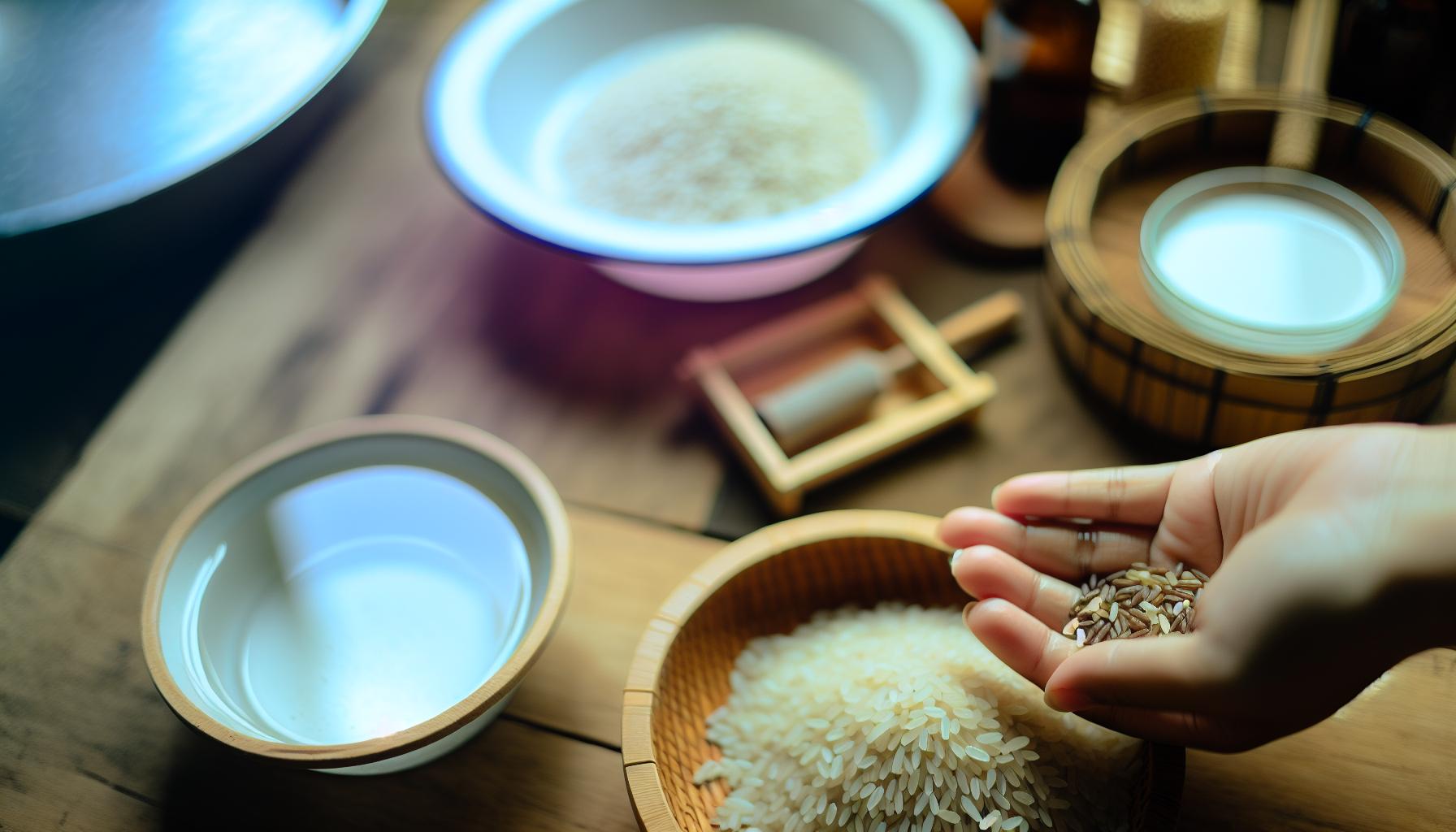
Choosing the Right Ingredients for Rice Wine
When embarking on the exciting journey of making rice wine, choosing the right ingredients is crucial to achieving that authentic flavor you crave. At its heart, rice wine is a beautiful blend of simple components, each contributing to the overall taste and character of the final product. You may be surprised to learn that the key ingredient in rice wine is not just any rice but specifically a short-grain variety. This type of rice is more glutinous, which means it has a higher starch content. The stickiness helps in fermentation, creating the delightful texture and flavor profiles typical of quality rice wines.
The process begins with selecting your rice. Aim for quality short-grain rice, like glutinous rice, often used in Asian cooking. Look for rice that is polished but not overly processed, as this can strip away essential nutrients that aid fermentation. Once you’ve chosen your rice, consider the importance of the fermentation starter, which is often a unique blend of mold and yeast. You can purchase koji-a cultivated mold that converts starches into sugars, kickstarting fermentation-or make your own. The koji plays a crucial role, influencing the aroma and depth of flavor in your rice wine.
Additionally, the quality of water you use can’t be overlooked. Opt for filtered or spring water free from chemicals, as impurities can negatively impact the taste. The right environment for fermentation is also important; maintaining the right temperature allows the flavors to develop fully, so keep your fermentation area warm, ideally between 70°F and 85°F (21°C to 29°C). If you’re interested in experimenting, consider infusing flavors with fruits or herbs at the start or during fermentation, but remember that simplicity can often yield the most delicious results. Happy brewing!
Step-by-Step Guide to Brewing Rice Wine
Brewing your own rice wine is not only a rewarding kitchen adventure, but it’s also an opportunity to create something uniquely your own. While the ingredients may be simple, the process is filled with tradition and flavor, making it accessible for all home cooks. Here’s a straightforward guide to help you navigate the steps to crafting your very own rice wine.
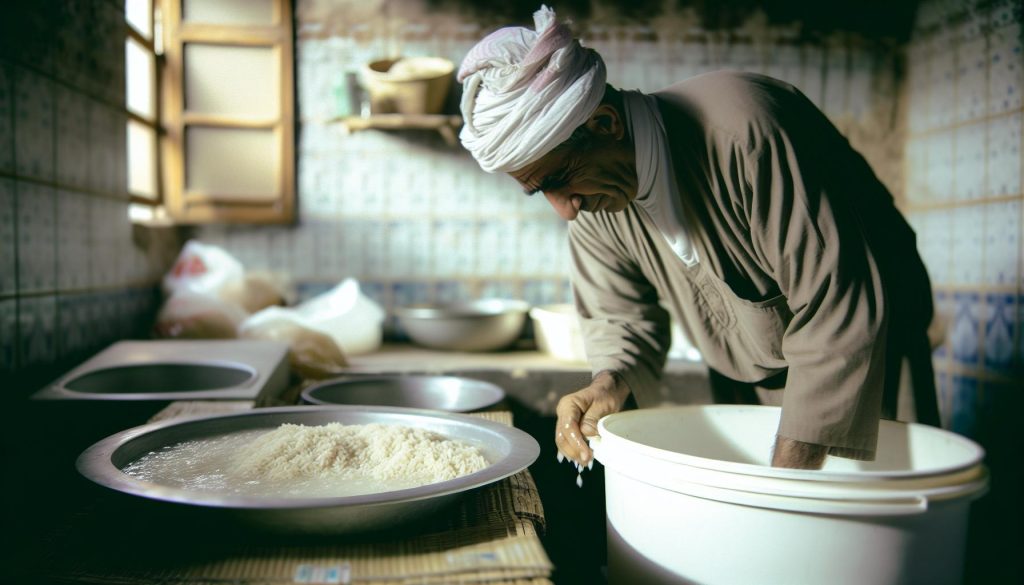
Start by rinsing your glutinous rice thoroughly under cold water until the water runs clear. This removes excess starch, ensuring that your finished product won’t be overly cloudy. Soak the rice in water for about 8 hours or overnight; this helps soften the grains, making them easier to steam. After soaking, drain the rice and let it sit until it’s no longer dripping wet.
Next, it’s time to steam the rice. Set up a bamboo steamer lined with cheesecloth or use a traditional rice cooker. Steam the rice for about 30-40 minutes, checking occasionally to ensure it doesn’t become mushy. Once done, allow the rice to cool to room temperature. This is crucial; hot rice can kill the fermentation starter, so patience pays off here!
When the rice is cool, it’s time to introduce the starter. Sprinkle a mixture of crumbled koji (the fermentation starter) evenly over the rice. Mix gently using clean hands, ensuring the koji is well-distributed. If you want to add extra flavors, now’s the time to incorporate any fruits or herbs you’ve chosen, like sliced peaches or ginger.
Transfer the rice mixture into a clean, fermentation container. A glass or earthenware jar works wonderfully. Press down the rice gently to eliminate air pockets and cover it with a cheesecloth or a loose lid to allow airflow while keeping contaminants out. Store your jar in a warm area (70°F to 85°F or 21°C to 29°C) for about 1-2 weeks, checking on it regularly.
During fermentation, you’ll notice bubbles forming, and the sweet aroma of rice wine will start to waft up, a sign that the rice is doing its magical transformation. After this period, taste it to see if it has reached your desired flavor profile; if it’s to your liking, strain the mixture through a fine mesh to separate the liquid from the solids. Preserve your rice wine in sterilized bottles-keep it cool and dark for optimal flavor development.
Embrace your creativity, explore different flavor infusions, and remember, every batch can be a little different. Making rice wine at home might seem daunting, but with these simple steps, anyone can enjoy the process-and the delicious results! Happy brewing!
Essential Equipment for Homemade Rice Wine
Crafting your own rice wine can be a beautiful culinary adventure, and the good news is you don’t need fancy equipment to get started. With just a few essential items, you can prepare and ferment your rice wine right in your kitchen. Let’s dive into what you’ll need to ensure your brewing process runs smoothly.
Basic Equipment
To get started, you’ll want to gather these fundamental tools:
- Measuring Cups and Spoons: Accurate measurements are key to balancing your ingredients properly.
- Large Bowl: For soaking and mixing your rice, a spacious bowl will allow you to easily handle the grains.
- Steamer: A bamboo steamer is traditional, but any steamer setup will work. You can also use a rice cooker if that’s what you have on hand.
- Fermentation Container: A clean glass jar or earthenware pot is perfect for allowing the fermentation process to take place. A container with a wide mouth is ideal for easier mixing.
- Cheesecloth: This is crucial for covering your fermentation container. It keeps contaminants away while allowing air to flow, which is essential for fermentation.
Additional Handy Items
Besides the basics, having a few extra tools can enrich your brewing experience:
- Fine Mesh Strainer: After fermentation, use this to separate the liquid from the rice solids, yielding clear wine.
- Rubber Spatula: A great tool for gently mixing the koji with the cooled rice without breaking the grains.
- Thermometer: If you’re keen on monitoring the temperature of your fermentation area, a simple kitchen thermometer will help keep it within the ideal range.
- Sterilizing Solution: Keeping everything clean is paramount. Use a food-safe sanitizer on your containers and equipment to prevent unwanted bacteria from ruining your wine.
With these accessible items, you’ll be set to start brewing your rice wine. Embrace the joy of experimentation! Each batch is a chance to customize flavors and techniques, turning this kitchen project into a personal culinary masterpiece. Happy brewing!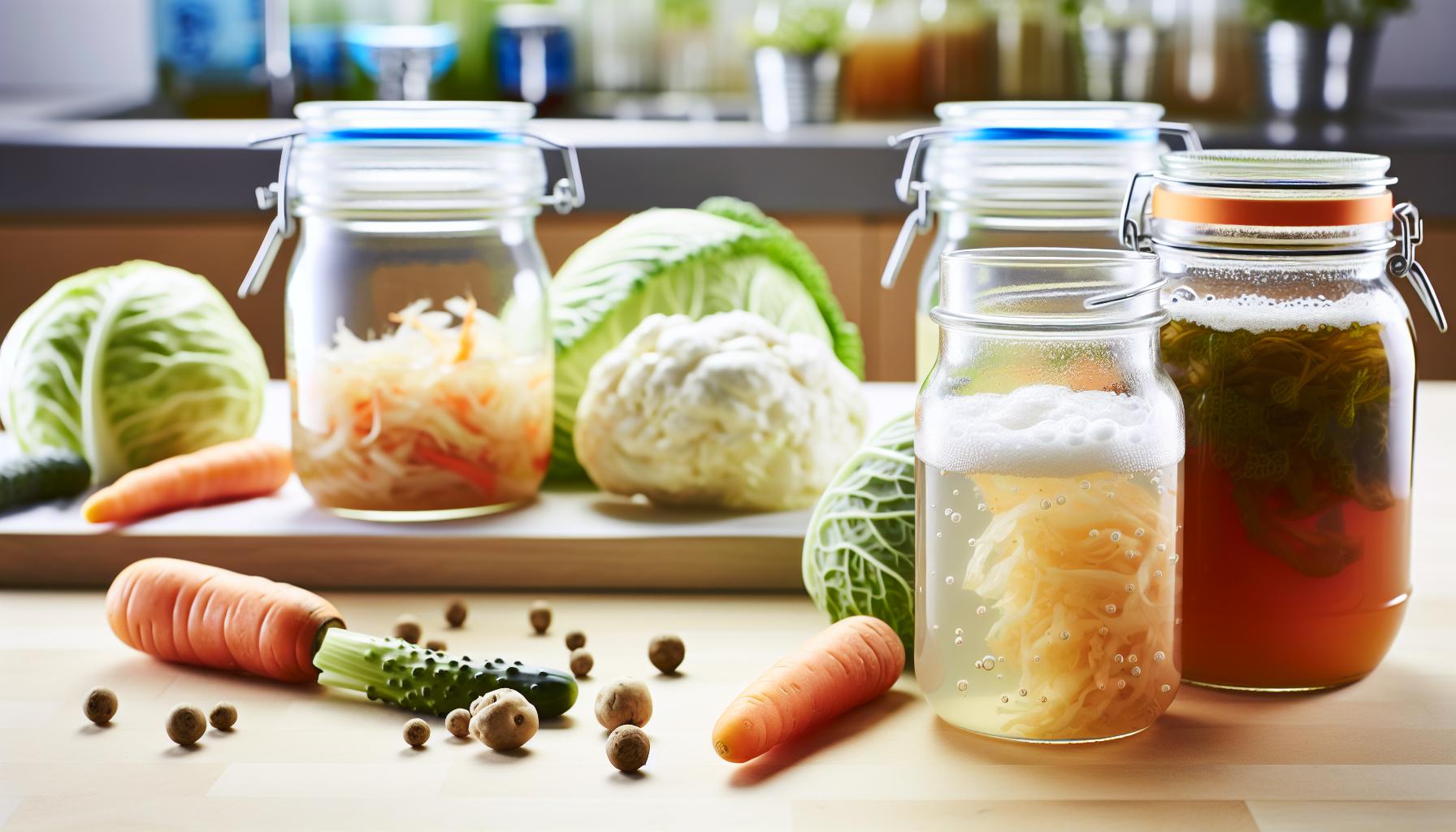
Understanding Fermentation: The Key Process
The transformation of cooked rice into rice wine is a magical process that hinges on fermentation, a natural phenomenon that has been embraced by culinary traditions worldwide. At its heart, fermentation is about harnessing specific microorganisms to convert sugars in your ingredients into alcohol and flavor compounds, giving rise to the unique characteristics of the finished product. In the case of rice wine, this process primarily involves the action of yeast and mold, namely the Aspergillus oryzae used for koji.
To kick off the fermentation, you’ll first need to mix your cooked, cooled rice with koji. This mold plays a crucial role by breaking down the starches in the rice into sugars that yeast will later consume. Once mixed, transfer the rice and koji to your fermentation container. This is where the magic unfolds! Cover the container with cheesecloth to allow air circulation while preventing contaminants from coming in. It’s essential to maintain a warm, stable temperature during fermentation; ideally, between 70°F to 80°F (21°C to 27°C) is perfect for yeast activity. You can use a thermometer to help monitor this.
As fermentation progresses, you’ll notice bubbling-the yeast is busy consuming the sugars and producing alcohol and carbon dioxide. This initial phase can take anywhere from a few days up to a week, depending on the temperature and the specific conditions of your environment. Stirring gently once daily can promote even fermentation and prevent any unwanted clumping of rice. Pay attention to the scent; a pleasant, slightly sweet aroma indicates that your fermentation is going well.
After about a week, you’ll begin to see signs that fermentation is winding down. The bubbling will diminish, and the mixture will start to clarify. At this point, it’s time to strain your rice wine through a fine mesh strainer to separate the liquid from the solids. What you’re left with is your very own homemade rice wine, ready to enjoy or further age for deeper flavors! Each batch will teach you something new, so take notes and adjust the process to suit your tastes as you delve deeper into the world of rice wine brewing.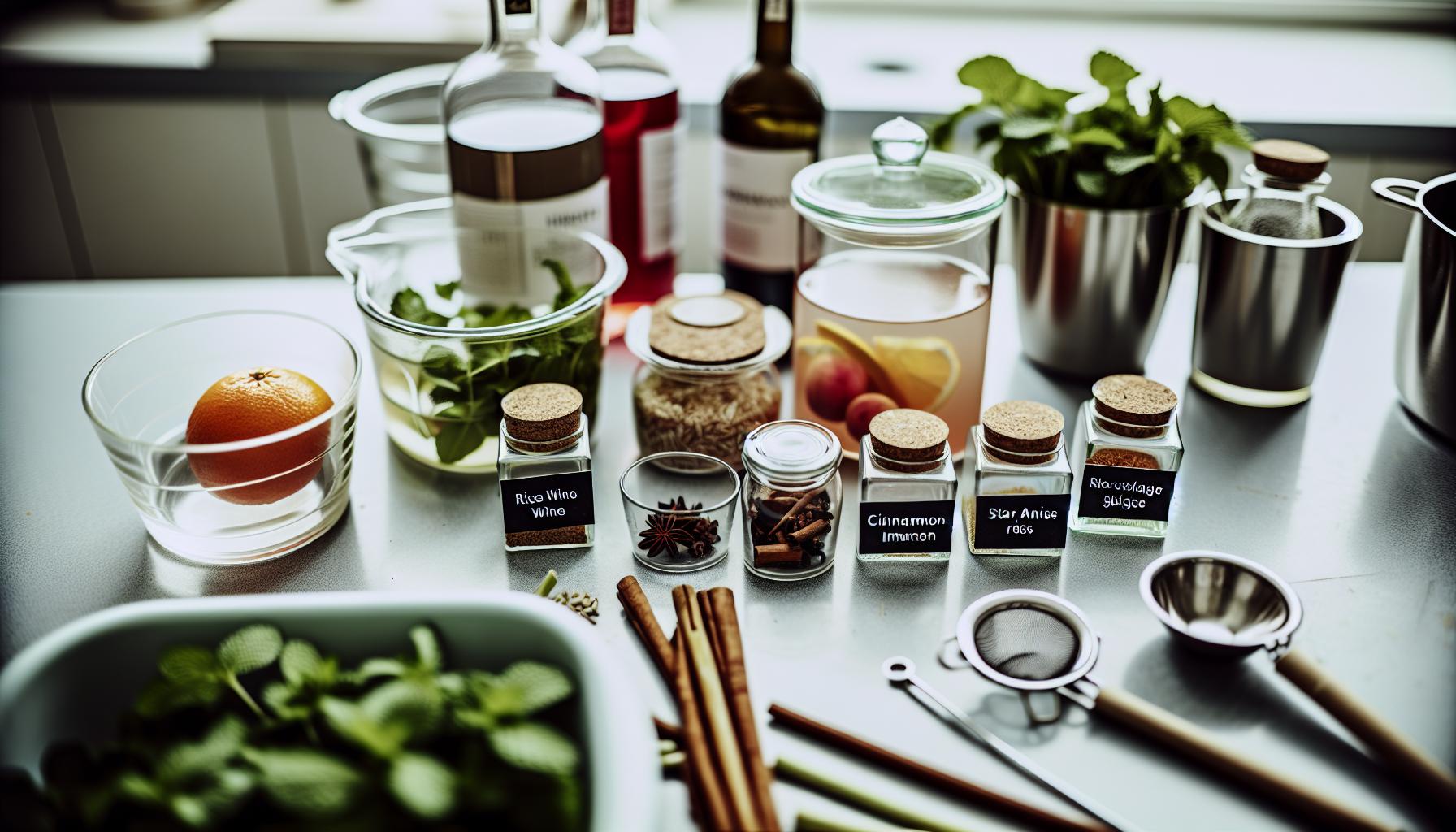
Tips for Flavoring Your Rice Wine
Flavoring your rice wine is an exciting way to add a personal touch to your homemade creation. While the fermentation process imparts a base flavor, there’s a world of delicious possibilities to explore. One of the simplest methods is to infuse your rice wine with herbs, fruits, or spices during the fermentation stage. For example, adding slices of ginger or star anise can imbue a warm, aromatic profile. Alternatively, try incorporating citrus peels like orange or yuzu for a bright, refreshing taste.
Another popular approach is to experiment with different types of sugar or sweeteners. Instead of using just plain sugar, consider honey, maple syrup, or brown sugar. Each will lend a unique character to your wine. For a bolder flavor, you might even add cooked grapes or raisins to the mix. These ingredients not only provide sweetness but add complexity to the wine’s flavor.
When it comes to spices, think outside the box! A light dusting of cinnamon or nutmeg can create a cozy, festive element, perfect for colder months. Just a pinch goes a long way. For those who enjoy a kick, adding a dash of chili pepper can spice things up, leading to an intriguing balance of sweet and heat.
Significantly, keep track of your ratios and ingredients. Whether you decide to go with classic flavors or creative combinations, document what works best for you. This practice allows you to refine your technique and replicate your favorite blends in future batches. So, don your chef’s hat and start experimenting, because the beauty of homemade rice wine lies in its versatility, inviting you to tailor it to your taste!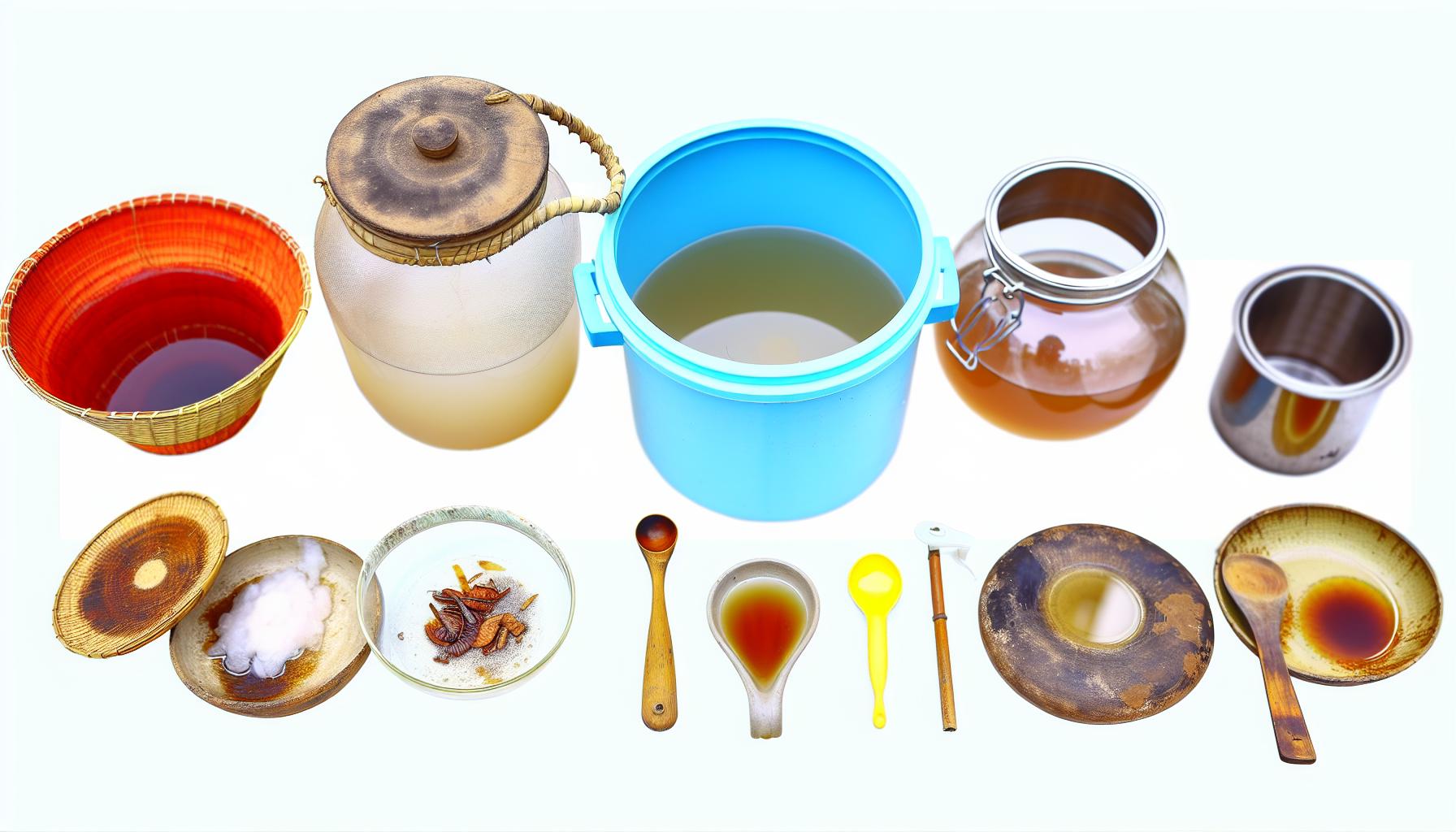
Common Mistakes in Rice Wine Making
Mistakes are a natural part of the winemaking journey, especially when you’re crafting your very own rice wine. Embracing this process means learning from errors that can affect the quality and flavor of your finished product. Here’s a rundown of some common pitfalls and how to sidestep them for a more enjoyable and successful winemaking experience.
One major mistake is not properly cleaning and sanitizing your equipment. Unwanted bacteria can spoil your batch before it even has a chance to ferment. Always start with thoroughly washed and sanitized containers, utensils, and any other tools you’ll be using. A simple solution of warm water with a bit of vinegar or a specialized cleaner can do wonders. This attention to hygiene minimizes the risk of off-flavors and ensures a smooth fermentation.
Another frequent issue is overwhelming your rice with too many flavors or additives at once. While experimentation is part of the fun, adding too many unique ingredients can mask the delicate nuances of your rice wine. Begin with small quantities of additional flavors-like herbs, fruits, or spices-and taste as you go. This approach not only helps you develop your palate but also allows you to refine your recipe based on what you love most.
Temperature control during fermentation is crucial as well. Many new winemakers either let their mixture get too warm or too cool, which can hinder the yeast performance and lead to undesirable outcomes. Ideally, keep your fermentation at a stable temperature, generally between 70°F to 80°F (21°C to 27°C). If your environment is particularly chilly, consider using a heating pad or moving your fermentation vessel to a warmer spot in your home. Conversely, avoid placing it in direct sunlight or near heat sources that can lead to overheating.
Lastly, patience is a virtue in winemaking. Rushing the fermentation process can result in an underdeveloped flavor profile. While it might be tempting to bottle up your rice wine after just a few days, it’s often best to allow it to ferment for several weeks. Taste your wine periodically, and trust your instincts; the wine will tell you when it’s ready. Remember, each batch is a chance to learn and improve, bringing you one step closer to that perfect homemade rice wine!
Experimenting with Unique Variations
Experimenting with rice wine can be a thrilling adventure, igniting your creativity and elevating your brewing skills. The beauty of crafting your own rice wine lies not just in the fermentation process but in the endless possibilities for unique flavors. Whether you want to infuse your rice wine with fruity notes or enhance its complexity with spices, the key is to start simple and build from there.
Consider incorporating different types of rice to create distinct profiles. While traditional sake uses short-grain rice, try medium or long-grain varieties for a different mouthfeel or taste. Additionally, experiment with flavorings during fermentation. Ingredients like ginger, lemongrass, or even citrus peels can add refreshing layers of flavor. Start by adding small amounts-maybe a teaspoon or two-and taste frequently to gauge how the flavors develop over time.
Flavor Pairing Ideas
You can also explore various combinations of flavors. Here are some ideas to inspire you:
- Ginger & Honey: Add fresh ginger slices and just a hint of honey for a smooth, aromatic twist.
- Citrus Zest: Lemon, lime, or orange peels can provide a bright, zesty profile that’s perfect for summer.
- Herbal Infusions: Fresh herbs like basil or mint can give your rice wine a refreshing kick.
- Spicy Kick: A few slices of jalapeño or a dash of spicy pepper can create an interesting heat.
Adjusting fermentation duration can also lead to unique results. A shorter fermentation might yield a sweeter, more fruity wine, while a longer fermentation typically results in a drier, more complex flavor. Don’t be afraid to adjust your brewing recipe based on the results from previous batches-this is all part of the delightful learning curve.
Document Your Process
As you experiment, keep a brewing journal to note what you added and how different variations turned out. This way, you’ll be able to recreate your successes or refine the recipes that didn’t quite hit the mark. With each batch, you’re not just making rice wine; you’re crafting your own unique blend. So gather your ingredients, let your taste buds guide you, and have fun along the way-after all, the art of making rice wine is as delightful as sipping on the finished product!
Serving and Pairing Rice Wine
Serving your homemade rice wine opens up a world of delightful culinary possibilities. It’s not just a drink; it’s a complement to various dishes, bringing out their flavors and enhancing your dining experience. Whether you’ve crafted a sweet, fruity brew or a drier, earthier variety, understanding how to serve rice wine will make all the difference in showcasing your creation.
Rice wine shines when paired with a range of Asian cuisines. Consider serving it chilled or at room temperature alongside sushi and sashimi, where its subtle sweetness and acidity can beautifully contrast the freshness of the fish. For heartier dishes, like teriyaki chicken or Korean barbecue, a slightly warmer serving temperature helps the wine’s flavors to fully express themselves, complementing the umami flavors of the meat.
Flavor Pairing Ideas
To fully appreciate your rice wine, think about pairing it with ingredients that share flavor profiles. Here are some great suggestions to guide you:
- Sushi and Sashimi: The wine’s lightness enhances the subtle flavors without overpowering them.
- Spicy Dishes: Pair it with spicy food like Thai curries, where the wine can act as a soothing complement.
- Salads: Crisp, fresh salads with citrus dressing can balance a sweet rice wine nicely.
- Cheeses: Experiment with creamy cheeses like Brie or goat cheese that can play off the smoothness of the wine.
Don’t hesitate to get creative with your presentations too! Utilize small, elegant glasses or traditional sake cups to serve your rice wine, and consider chilling it for hot summer days. Garnishing your drink with fresh herbs like mint or basil can add a refreshing visual appeal and aromatic touch that enhances the overall experience.
Ultimately, the key to is all about balance and personal preference. Enjoy the adventure of finding what combinations work best for your palate. Each sip and bite carries the essence of your craft, turning every meal into a delightful celebration of flavors.
Storing Rice Wine: Best Practices
Properly storing your homemade rice wine is essential to maintaining its delicious flavors and ensuring its longevity. With the right practices, you can savor your creation for months to come. First, always remember that rice wine is sensitive to both temperature and light. The ideal storage environment mimics the cool, dark conditions of a traditional cellar. Aim for a temperature between 50°F and 60°F (10°C to 15°C), which helps to preserve its complex flavors. If you don’t have a wine fridge, a dark cupboard or pantry that avoids direct sunlight works just fine.
To keep your rice wine in peak condition, seal it tightly after each use. If you’ve bottled it in glass, consider using corks or screw caps to prevent oxidation. Oxygen can spoil the wine, dulling the fresh, fruity notes you’ve worked hard to achieve. For larger batches or unfinished bottles, transferring rice wine into smaller containers can minimize air exposure, helping to maintain its quality.
Furthermore, pay attention to the duration of storage. While homemade rice wine generally lasts longer than store-bought varieties due to its lower sugar content, it’s best enjoyed within a few months for optimal flavor. If you’re unsure about its freshness, a quick taste test will tell you if the flavors have faded or if it has developed any off-putting notes.
Finally, embracing a bit of experimentation can also be fun! As you store and observe your rice wine, consider creating tasting evenings to explore how different storage conditions affect its taste over time. This way, you’ll not only enjoy your rice wine but also gain insights into your own fermentation process, making your future batches even better.
Exploring the Cultural Importance of Rice Wine
Rice wine is not just a beverage; it carries a rich tapestry of cultural significance across many Asian traditions. From celebratory rituals to daily meals, rice wine serves as a symbol of hospitality and community. Its profound connection to various cultural practices makes understanding its importance essential for anyone interested in brewing this unique drink.
In many cultures, rice wine plays a vital role in ceremonies and festivals. For instance, in Japan, sake (a type of rice wine) is often offered to the gods during Shinto rituals and is a centerpiece in wedding celebrations. Similarly, in Chinese culture, rice wine is integral to toasting at banquets and is used in traditional rites. This practice creates moments of connection among guests, reinforcing bonds through shared experiences. Brewing your own rice wine can bring you closer to these traditions, allowing you to partake in cultural practices while creating something uniquely your own.
However, the significance of rice wine extends beyond celebrations. In daily life, it is commonly used in cooking, imparting depth and flavor to dishes. Think about a fragrant stir-fry or a savory braised dish-rice wine can elevate these recipes while holding cultural roots in the cuisine it enhances. This dual role as both a beverage and a cooking ingredient showcases its versatility and importance in Asian culinary arts.
Moreover, the process of making rice wine is a journey that connects you to history and tradition. Every step, from selecting the right ingredients to fermentation, mirrors practices that have been passed down through generations. Each batch becomes a story of your experience and a celebration of the cultures that have embraced this delightful beverage. So, as you embark on your rice wine-making adventure, remember that you are not just crafting a drink; you are honoring a legacy that spans cultures and centuries.
Health Benefits and Challenges of Rice Wine
Rice wine offers a unique blend of flavors and experiences, and while it’s celebrated for its culinary uses and cultural significance, there are essential health benefits and challenges to consider too. Enjoyed in moderation, rice wine can have a few perks. Notably, it contains antioxidants, which can help combat oxidative stress in the body. Some studies suggest that moderate consumption may improve heart health by increasing good cholesterol levels and improving circulation.
However, it’s important to remember that moderation is key, as the high alcohol content can pose risks if consumed excessively. Overindulgence can lead to liver damage and other health concerns. Additionally, those with allergies or sensitivities to gluten should be cautious, as some rice wines may still contain traces of gluten depending on the fermentation process and additional ingredients used.
Challenges to Consider
Brewing your own rice wine can be a wonderfully rewarding endeavor, but it does come with its challenges. Fermentation requires precision. If the environment is too warm or too cold, it can affect the final product’s taste and quality. A common hurdle for home brewers is achieving the right balance of sweetness and acidity, which can vary based on the type of rice and yeast used.
Additionally, proper sanitation is crucial during the brewing process to avoid contamination, which can lead to off-flavors or spoilage. Every batch is a learning experience, and perseverance is essential. Keeping a detailed brewing log can help you track what works and what doesn’t, guiding your future attempts. Remember, making rice wine is a journey, and embracing the process-even with its bumps along the way-can lead to delightful results.
In conclusion, rice wine can be a delightful addition to your culinary repertoire while offering health benefits when consumed responsibly. Just balance your excitement for brewing with mindfulness about its challenges, and you’ll soon be enjoying your own homemade rice wine, celebrating both its flavors and history.
Creative Uses for Rice Wine in Cooking
Rice wine is not only a delightful beverage but also a versatile ingredient that can elevate your cooking. Its unique flavor profile brings depth to various dishes, making it a secret weapon in both savory and sweet recipes. By incorporating rice wine into your culinary creations, you can add a touch of authenticity to your meals, particularly those inspired by Asian flavors.
You can use rice wine in a variety of ways:
- Marinades: Rice wine works beautifully as a marinade base. Mix it with soy sauce, garlic, and ginger for a fragrant marinade that pairs excellently with chicken, pork, or tofu. The acidity in the rice wine helps to tenderize meat while infusing it with flavor.
- Sauces and Glazes: Incorporate rice wine into stir-fry sauces or glazes. A splash of rice wine in your stir-fry sauce can enhance the overall taste, adding umami richness. For a simple glaze, simmer rice wine with honey and chili flakes for a delicious glaze to brush on roasted vegetables or grilled meats.
- Soups and Stews: A dash of rice wine can brighten soups and stews, contributing complex flavors. Add it to broth-based dishes like miso soup to deepen the flavor without overpowering it. It’s also great in heartier stews, where it can complement the richness of the ingredients.
- Sweets and Desserts: Don’t overlook rice wine in dessert recipes! Use a small amount in fruit-based desserts, like poached pears or fruit compotes, to add a subtle depth. It pairs particularly well with coconut milk and creates a lovely balance in creamy desserts.
Experimenting with rice wine can lead to delightful discoveries. Try swapping out traditional cooking wines for rice wine in your recipes to see how it can transform familiar dishes. Whether you’re making a classic stir-fry or a modern culinary twist, rice wine can enhance and elevate your dishes, inviting a taste of tradition right into your home kitchen. Embrace the versatility and have fun experimenting-cooking should always be a joyful adventure!
Faq
Q: What type of rice is best for making rice wine?
A: The best rice for making rice wine is sticky or glutinous rice, as its high starch content enhances fermentation. Choosing high-quality, non-washed rice helps retain natural sugars essential for brewing. For authentic flavors, consider using Japanese or Thai sticky rice.
Q: How long does it take to ferment rice wine?
A: Fermentation usually takes about 4 to 12 days, depending on temperature and yeast activity. Monitor the process and taste frequently; the best flavor develops with patience. For detailed fermentation techniques, see the Understanding Fermentation section in the main article.
Q: Can I use regular rice instead of glutinous rice for rice wine?
A: While you can use regular rice, it is not ideal as it lacks the starchiness of glutinous rice. Glutinous rice produces a smoother, sweeter wine. If experimenting, blend regular rice with glutinous rice to improve flavor and texture.
Q: What are common mistakes when making rice wine?
A: Common mistakes include not sterilizing equipment, using the wrong rice type, or incorrect fermentation temperatures. Always ensure a clean environment and follow the guidelines in the Common Mistakes in Rice Wine Making section for better results.
Q: How can I enhance the flavor of my rice wine?
A: To enhance flavor, consider adding fruits or spices, such as ginger or orange zest, during fermentation. Experimenting with unique variations can lead to exciting results. You can find more tips in the Tips for Flavoring Your Rice Wine section.
Q: What are the health benefits of rice wine?
A: Rice wine contains antioxidants and probiotics that may promote health. Moderate consumption can aid digestion and boost metabolism. For a comprehensive view of health considerations, refer to the Health Benefits and Challenges of Rice Wine section.
Q: How should I store homemade rice wine?
A: Store your homemade rice wine in a cool, dark place in tightly sealed bottles. Proper storage helps maintain flavor and quality. For detailed practices, check the Storing Rice Wine: Best Practices section in the article.
Q: What dishes pair well with rice wine?
A: Rice wine pairs beautifully with Asian cuisine, especially dishes with soy sauce or entrées featuring fish. It can also enhance sauces and marinades. For pairing insights, refer to the Serving and Pairing Rice Wine section for inspiration.
To Wrap It Up
Congratulations on taking the delicious plunge into winemaking with our authentic rice wine recipe! You’ve learned how simple ingredients and a bit of patience can transform your kitchen into a hub of Asian flavors. Now, it’s time to put your newfound skills to the test-impress family and friends with your homemade rice wine that reflects your unique touch!
Before you go, check out our related articles on How to Pair Rice Wine with Your Favorite Dishes and Creative Variations for Homemade Rice Wine. These resources will deepen your culinary journey and inspire you with exciting possibilities. Don’t forget to sign up for our newsletter for exclusive tips and tasty recipes straight to your inbox.
We’d love to hear about your winemaking adventures! Share your experiences in the comments below and connect with others who share your passion. Whether you’re a seasoned cook or just starting, remember: every great chef was once a beginner. Embrace the process, and happy brewing!
Get our latest guides, news, and insights highlighted in your Google Search & AI Overviews.