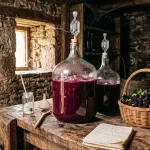

Did you know that sweet wine can elevate your gatherings and make any meal a celebration? Making your own sweet wine may seem daunting, but with simple ingredients and easy steps, you can create a delightful beverage tailored to your taste. Whether you’re looking to impress guests or enjoy a personal indulgence, homemade sweet wine can be a rewarding project.
In this guide, we’ll walk you through the essential techniques to achieve a perfect balance of flavors without requiring any professional equipment. You’ll learn the basics of winemaking, including selecting your fruits and managing the fermentation process, all while celebrating your unique creativity. So grab your kitchen gear, and let’s embark on this sweet journey together. Your future self sipping on your very own sweet wine will thank you!
Choosing the Right Grapes for Sweet Wine
When it comes to crafting sweet wine, the choice of grape is fundamental to achieving that delightful balance of flavors. Certain grape varieties are naturally higher in sugars, which is essential for producing sweet wines. For instance, grapes like Riesling, Moscato, and Sémillon are renowned for their sweetness potential. Riesling, often celebrated for its fruity aromas and floral notes, can produce wines ranging from off-dry to lusciously sweet. Meanwhile, Moscato presents a refreshing and sweet profile, perfect for those new to sweet wines.
In addition to selecting the right grape, consider the conditions in which they are grown. Grapes that are allowed to over-ripen on the vine develop higher sugar levels, which translates to sweeter wines. Late harvest wines, such as those made from the Sémillon grape in Bordeaux, showcase this process beautifully, resulting in rich and complex flavors. The climate also plays a pivotal role; regions with warmer temperatures generally produce grapes with higher sugar content.
Another factor to keep in mind is how the grapes will be processed during winemaking. Techniques such as noble rot-where grapes are purposely infected with a fungus called Botrytis cinerea-can concentrate sugars and enhance the wine’s flavor profile. This technique is particularly famous in producing exquisite Sauternes. Whether you’re experimenting with traditional methods or innovative approaches, selecting the right grapes and understanding their unique characteristics will guide you toward creating sweet wines that are not only enjoyable but also a true expression of your creativity in the kitchen.
Essential Equipment for Home Winemaking
Creating sweet wine at home is an exciting journey that requires just a handful of essential equipment to get you started. You don’t need a fancy winery setup to produce delicious wine; with a few accessible tools, you can embark on your winemaking adventure in your own kitchen or garage. Here’s what you’ll need to turn those flavorful grapes into a sweet, refreshing glass of homemade wine.
First and foremost, you’ll need a fermentation vessel. This can be a glass carboy or a food-grade plastic fermenter-both options work well. A fermentation vessel holds the grape juice during the primary fermentation process and should have a capacity of at least 5 gallons if you want to make a typical batch of wine. Don’t forget to equip it with an airlock, which allows gases from fermentation to escape while keeping the environment sealed from contaminants.
You’ll also need a hydrometer. This handy tool measures the specific gravity of your grape juice, which tells you the sugar content. Monitoring sugar levels is crucial for achieving the desired sweetness in your final product. If you’re interested in adding a little sweetness post-fermentation, you might also consider a siphoning tube for racking your wine later on. This helps you transfer the wine without disturbing the sediment that settles at the bottom.
For processing the grapes, a crusher or destemmer can be very helpful, especially if you’re working with whole clusters. If you’re starting small, hand crushing is perfectly acceptable-just be prepared to get a little messy! Lastly, you’ll need bottles and corks for storage. Make sure to clean and sanitize your bottles thoroughly before filling to avoid any unwanted bacteria that could spoil your wine.
With the right gear in hand, you’re well on your way to making delightful sweet wines without needing advanced technology. Each piece of equipment plays a significant role, but remember that the most important ingredient is your passion and creativity!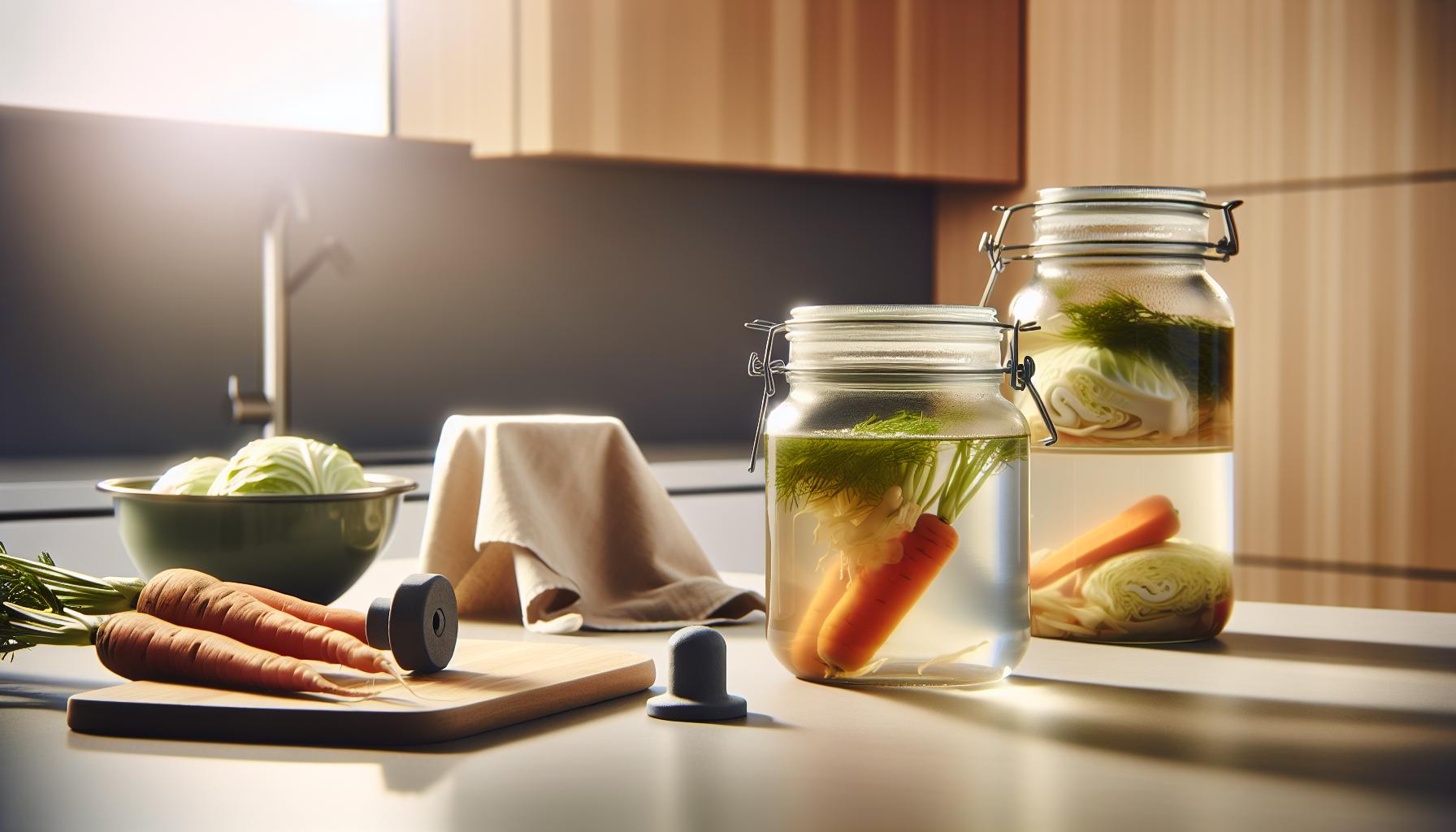
Simple Steps to Start Fermentation
Starting the fermentation process is the heart of winemaking, especially for creating sweet wines. This step is where your grape juice transforms into the luscious liquid we all love. The beauty of fermentation lies in its simplicity-despite its scientific nuances, you have the power to create a delightful sweet wine right in your home. Let’s break it down into easy-to-follow steps that make the process accessible, even for beginners.
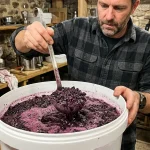
First, ensure your grapes are ready. Wash them thoroughly to remove any dirt or chemicals. If you’re using whole grapes, now’s the time to crush them gently. You can use your hands or a simple potato masher-there’s no need for elaborate gadgets. The goal is to release the juice while keeping the skins intact, which adds flavor and color during fermentation.
Now, transfer the crushed grapes and juice into your fermentation vessel. If you’re using a carboy or fermenter, make sure it’s sanitized to prevent any unwanted bacteria from spoiling your wine. Add any additional ingredients you desire, such as sugar to boost sweetness or yeast to kickstart fermentation. Yeast is essential; it converts sugars in the grape juice into alcohol and carbon dioxide, and the type of yeast you choose can affect the final flavor.
Once everything is in your fermentation vessel, seal it with an airlock. This nifty device allows carbon dioxide to escape while keeping out air and contaminants. Place your fermentation vessel in a warm, dark spot-ideally around 70-75°F (21-24°C)-and let it work its magic. Depending on the desired sweetness, fermentation can take a week to several weeks. Keep an eye on the bubbling activity in the airlock; it’s a good sign that fermentation is underway!
To check your progress, use your hydrometer to measure the specific gravity of your mixture. This will indicate how much sugar is left, giving you a clear idea of when to stop fermentation if you want to keep the wine sweet. Remember, winemaking is an art as much as a science, so don’t hesitate to taste your creation at various stages. This hands-on experience helps you learn what works best for your palate.
By following these simple steps, you’ll be well on your way to crafting a sweet wine that reflects your unique style. So roll up your sleeves, gather your grapes, and embrace the joy of fermentation! Happy winemaking!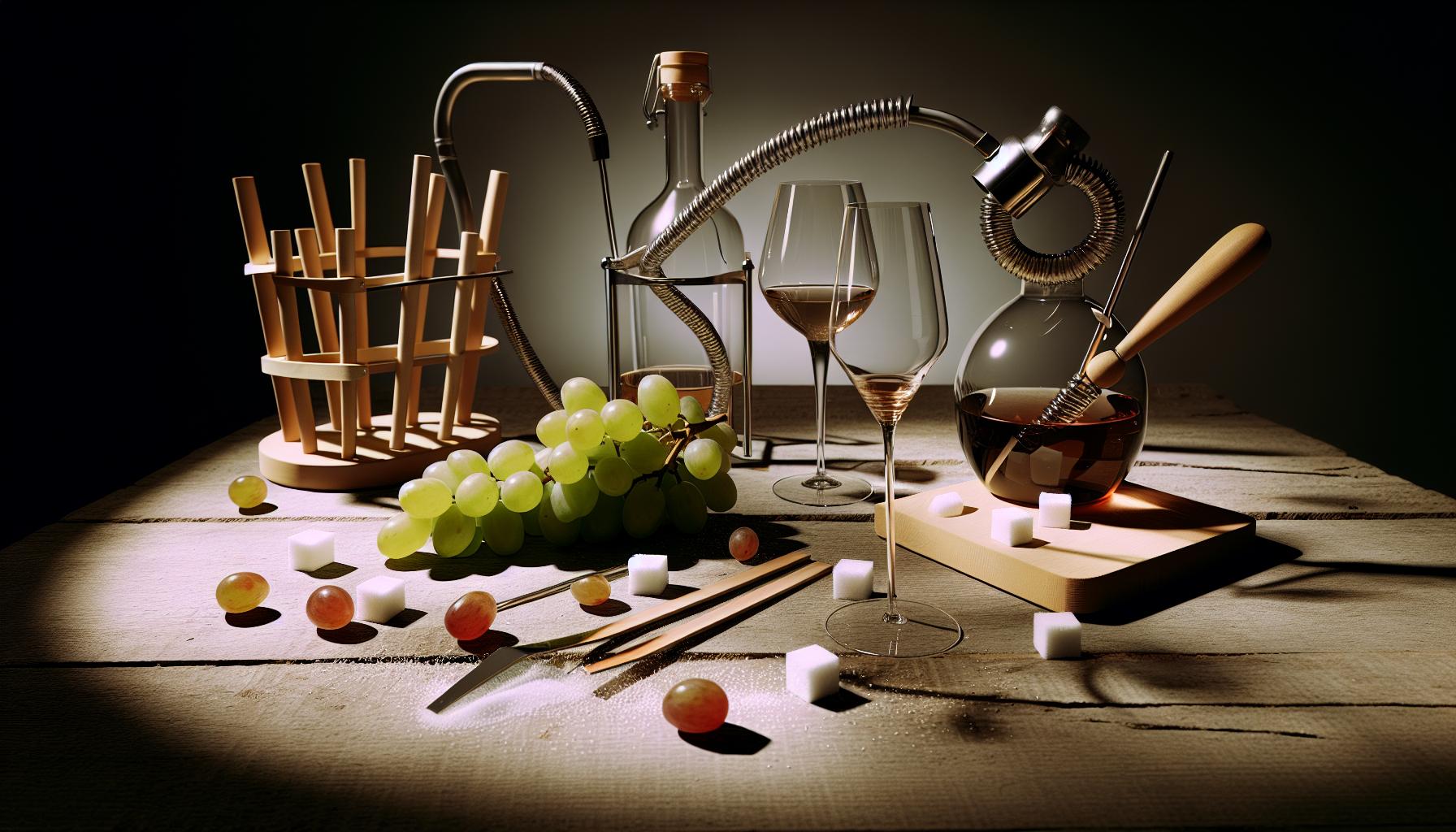
Techniques to Enhance Sweetness in Wine
To create a truly delightful sweet wine, you can employ several techniques that will enhance the sweetness while maintaining balance and complexity. Achieving that perfect level of sweetness isn’t just about adding sugar; it’s about understanding your ingredients and making thoughtful choices during the fermentation process. Let’s dive into some tried-and-true methods that will help you craft a sweet wine that tantalizes the palate.
One effective technique is the addition of sugar during fermentation. By adding sugar-or even honey-to your crushed grapes, you can directly increase the sweetness of the final product. Start with a small amount, around one to two cups per gallon of juice, and gradually adjust according to your taste. Remember to dissolve the sugar in a small portion of the grape juice before adding it to ensure it mixes evenly. Keep in mind that the type of yeast you choose will also impact how much sugar is ultimately converted to alcohol, so select a yeast strain that is known to leave residual sugar.
Another excellent method is stopping fermentation early. This technique allows you to retain more of the natural sugars from the grapes. To do this, keep an eye on your fermentation progress using a hydrometer. Once your desired sweetness level is reached, you can chill the fermentation vessel to approximately 32°F (0°C) for 24 hours to halt yeast activity, then stabilize and rack the wine. This method preserves a luscious sweetness while still allowing the flavors to develop.
You can also explore the technique of using noble rot or botrytis. This is a natural process where a specific mold grows on grapes under certain conditions, concentrating their sugars. If you have access to late-harvest grapes or those affected by noble rot, these can be a fantastic choice for creating sweet wines with complex flavors like apricot, honey, and spice. Just remember that working with such grapes requires careful handling and often more advanced winemaking knowledge.
Lastly, consider blending your finished sweet wine with a drier wine to achieve balance. This can help cut through the sweetness while still allowing the rich flavors to shine. Keep in mind that less is often more; start with a small quantity of the drier wine, and gradually increase until you reach your desired flavor profile.
By implementing these techniques, you’ll find that enhancing sweetness in your homemade wine can be both an art and a science, giving you the freedom to experiment and find what best suits your unique palate. Happy winemaking!
Balancing Acidity: Key to Flavorful Sweet Wines
When crafting sweet wines, mastering the balance between sweetness and acidity is essential for creating a well-rounded and enjoyable beverage. Imagine indulging in a sweet wine that doesn’t overwhelm your palate but instead offers a delightful harmony of flavors-the secret often lies in how you manage acidity. Too much acidity can lead to a sharp, uninviting taste, while too little can make the wine flat and cloying. Striking the right balance enhances the wine’s complexity and makes every sip a genuine pleasure.
To begin, consider the natural acidity of the grapes you’re using. Varietals like Riesling and Chenin Blanc are known for their vibrant acidity, which can beautifully contrast with sweetness. A good practice is to taste the grapes and take note of their natural acidity levels. One simple way to assess balance while winemaking is to regularly taste your wine throughout the fermentation process. This will help you understand how the flavors evolve and adjust your techniques accordingly.
You can also employ specific techniques to manage acidity effectively. For instance, if your wine is tasting too tart, you might consider blending it with a sweeter varietal or adjusting the sugar levels during fermentation. Using the method of stopping fermentation early, as mentioned in previous sections, preserves the grape’s natural sugars while leaving some acidity intact, creating a luscious finish without overwhelming sweetness.
Moreover, don’t shy away from using additives like potassium bicarbonate to soften sharp acidity levels. Just remember, moderation is key; a little goes a long way. Experimenting with these techniques not only allows for greater creativity in your winemaking but also helps ensure your sweet wine remains pleasant and approachable. Embrace the process and enjoy the journey of finding that perfect balance-it’s a rewarding part of the sweet wine crafting experience!
Common Sweet Wine Styles to Explore
Exploring different styles of sweet wine can be an exciting adventure that brings a new dimension to your winemaking journey. Each style not only has its unique flavor profile but also varies in production methods, making them accessible for home winemakers looking to experiment. Here’s a closer look at some common options you can try.
Fortified Wines
Fortified wines like Port and Sherry are excellent choices if you want to create something that has both depth and sweetness. The process involves adding distilled alcohol to the wine, which halts fermentation and preserves the natural sugars from the grapes. This method results in a rich and flavorful wine with higher alcohol content, perfect for sipping or using in cocktails. The key here is selecting the right base wine; for instance, a robust red can produce a beautiful Port.
Late Harvest Wines
Late Harvest wines are another delightful option. These wines are made from grapes that are left on the vine longer than usual, allowing them to develop extra sugars. Varietals such as Riesling and Sauternes are popular for this style because their natural acidity balances the sweetness, creating a lovely complexity. To make a Late Harvest wine, ensure you carefully monitor the grapes, harvesting them only when they reach the desired sugar concentration. This can take extra time and patience, but the results are well worth it!
Ice Wine
If you’re feeling a bit adventurous, consider trying your hand at Ice Wine. Made from grapes that have been naturally frozen on the vine, this style is concentrated and intensely sweet. Because the grapes freeze, their water content turns to ice, leaving behind a syrupy sweetness rich in flavor. Creating Ice Wine can be more challenging due to the weather requirements, but if you live in a suitable climate, it’s a fun project to undertake.
Sweet Sparkling Wines
Lastly, sweet sparkling wines like Moscato d’Asti provide a refreshing change to the sweeter side of the wine spectrum. They tend to be lower in alcohol and offer a delightful bubbly texture that can make them perfect for celebrations. The sweetness here often comes from the natural sugars present in the grapes, and the slight effervescence enhances its fruity characteristics.
Each of these sweet wine styles presents unique challenges and rewards, and you can approach them using simple home winemaking techniques. Don’t be afraid to experiment-try combining different varietals or methods, and take notes on what works best for your palate. Enjoy the process, and soon you’ll have an array of delightful sweet wines to share with friends and family!
Adding Flavor: Fruits, Spices, and More
Enhancing the flavor of your sweet wine with fruits, spices, and other additives can turn a good bottle into something truly exceptional. Think of it this way: creating flavored wine is like crafting a beautiful dish in the kitchen, where the key is balancing one flavor against another to achieve perfection. Whether you want to make a fruit-forward wine or introduce a hint of spice, experimenting with different additions can elevate your homemade creation.
One of the most common and delightful ways to add flavor is by using fruits. You can infuse your wine with fresh or dried fruits like peaches, cherries, or even berries. To do this, simply slice the fruits and place them in the fermenter along with your base wine. If you prefer a more subtle flavor, consider using fruit extracts or concentrates-just a few drops can make a big impact. Here’s a quick tip: allow your wine to sit with the fruits for a few days during fermentation, tasting routinely to monitor how the flavors develop. Remember, the goal is to complement the natural sweetness of the wine without overpowering it.
Spices and botanicals can also significantly enhance your sweet wine. Popular choices include cinnamon sticks, cloves, or even a pinch of vanilla bean for warmth. Adding these spices can create layers of complexity. You might experiment by steeping the spices in some neutral alcohol and then mixing it back into your wine, or simply adding them directly during fermentation. Just keep in mind that a little goes a long way, so start with small amounts and adjust based on your taste preferences.
To make this process even smoother, consider the following approaches:
- Flavor Timing: Adding fruits or spices at different stages can yield varied results. Early additions influence the fermentation process, while late additions can impart fresher flavors.
- Trial and Taste: Always sample your mixture as you go. Winemaking is as much about instinct as it is about measurements.
- Preserve New Flavors: Once you achieve the desired taste, don’t forget to stabilize your wine (using sulfites) if you plan to age it for longer periods. This will help preserve those vibrant flavors you’ve worked hard to create.
By weaving together fruits, spices, and perhaps unexpected flavors like herbs or even floral notes, you can craft a unique profile that truly reflects your personality and style in winemaking. Don’t shy away from experimenting-after all, the best wines often come from adventures in the kitchen. Enjoy the process of creating and tasting your delightful, flavorful sweet wine!
Troubleshooting Common Winemaking Issues
Sometimes, even the most diligent of home winemakers face the unexpected. Whether your sweet wine has gone awry during fermentation or just isn’t turning out as planned, troubleshooting can feel daunting. Luckily, most issues have practical solutions that can help you salvage your efforts and turn a challenging batch into a delightful beverage.
One common issue is excessive sweetness. If your wine ends up sweeter than you intended, you might be able to balance this by introducing acidity. A quick taste test with some acid, like citric or tartaric, can help determine if adding a small amount would enhance the overall flavor profile. Just remember to add gradually-you don’t want to over-acidify!
Another frequent concern is the risk of re-fermentation, especially if you’ve added sugar late in the process. This can create a fizzy disaster instead of the still sweet wine you envisioned. To prevent this, ensure that your fermentation is fully complete and consider adding potassium sorbate, which helps inhibit yeast activity in sweet wines. Good sanitation practices and keeping the wine chilled can also help minimize this risk.
Sometimes, even with the best intentions, flavors can feel disjointed. If your sweet wine tastes flat or unbalanced, don’t hesitate to experiment! Adding complementary flavors-like fruit or spices-can uplift the overall profile. If you want to play it safe, start small; you can always add more, but it’s tough to take flavors away once they’re in the bottle. Tasting frequently during the process helps you get it just right.
Lastly, if your wine appears cloudy or has sediment, don’t panic. This can often be addressed by racking the wine, which means siphoning it off from the sediment at the bottom into another clean vessel. This process not only clarifies your wine but also helps improve its flavor as it breathes.
With these tips in mind, remember that winemaking is as much about experimentation as it is about technique. Embrace the journey and enjoy creating something unique-every hiccup is just another opportunity to learn and refine your craft!
Experimenting with Fortification for Sweetness
Fortification can be a game-changer in your quest to create the perfect sweet wine. This technique involves adding a distilled spirit, typically brandy, to your wine during fermentation, halting the activity of the yeast and preserving some of the natural sugars from the grapes. This method not only boosts the sweetness but also increases the alcohol content, enhancing the wine’s body and flavor profile.
Start by selecting the right time for fortification. You’ll want to add the spirit when the wine has reached a desired level of sweetness, usually when fermentation is about halfway complete. For home winemaking, aim for a fortification level of about 15-20% alcohol. This sweet spot will yield a rich, flavorful wine while preserving the essence of the grapes. Measure carefully-use a hydrometer to monitor sugar levels, as aiming for a specific gravity will help you achieve the sweetness you want without risking excessive sugar loss.
For example, if you’re making a dessert wine, consider using a high-quality brandy-this will enhance, not mask, the grape flavors. Experiment with different types of spirits, like dark rum or whiskey, for unique flavor variations. Combine this with a tasting session with friends or family to refine your craft. Discussing the flavors and adjustments can lead to delightful surprises and new discoveries!
Do keep in mind that fortification is just one technique in your winemaking toolbox. Pair it with proper aging solutions to develop complexity and character. Use oak barrels or chips for additional flavor notes, and allow your wine to breathe after fortification to let those flavors unfold beautifully. Enjoy the creative journey of winemaking, and don’t hesitate to try variations until you find the perfect recipe that suits your palate!
Home Bottling: Best Practices for Fresh Wine
Bottling your homemade sweet wine is an exciting moment, as it signifies the culmination of your careful crafting and nurturing. This is where all your effort pays off, and preserving that freshness is key. After all, you want to enjoy your sweet creation in its prime without any mishaps along the way! Understanding bottling best practices will set you up for a rewarding experience.
Start by preparing everything you need. Gather clean bottles, corks, and a reliable bottling setup. It’s wise to sanitize your equipment using a solution of Star San or a similar no-rinse sanitizer to prevent unwanted bacteria from spoiling your wine. This preparation cannot be stressed enough-it’s the last line of defense for your lovely brew. Typically, you should aim to have a funnel and a siphon or auto-siphon to make the process smoother and eliminate the risk of introducing oxygen into your wine.
Once your bottles are sanitized, it’s time to fill them. Use your siphon to transfer the wine from your fermentation vessel to the bottles, leaving about an inch of space at the top. This small air gap is crucial as it helps prevent pressure buildup from fermentation byproducts or any residual sugar that might still be active. After filling, it’s essential to cork the bottles immediately. If you’re using corks, ensure they are also sanitized, and insert them firmly into the bottles-barrel-aged wines or those meant for long-term storage can benefit from proper sealing to maintain their integrity.
Finally, labeling your bottles is both practical and fun! Include the date, type of wine, and any notable tasting notes. This not only helps in tracking your wine’s age and sweetness level but also adds a personal touch, perfect for sharing with friends or for future reference. Remember to store your bottles in a cool, dark place as they age gracefully. By following these simple yet effective steps, you’ll ensure that your homemade sweet wine remains fresh and delightful, ready to be savored at just the right moment!
Storing Your Sweet Wine: Tips for Longevity
When it comes to storing sweet wine, understanding the conditions that maintain its unique flavors and aromas is critical. Sweet wines, with their rich profiles, deserve a bit of extra care to ensure they can age gracefully and be enjoyed at their best. The right storage not only preserves the wine’s character but also enhances its longevity, making it a joy to uncork a well-kept bottle months or even years later.
Optimal Temperature and Environment
First and foremost, temperature is a major factor. Aim for a cool, stable environment where the temperature hovers around 55°F (13°C). Fluctuations in temperature can cause the wine to expand and contract, potentially drying out the cork or allowing air to seep into the bottle. High heat can be particularly damaging, leading to premature aging or spoilage. Choose a spot like a wine fridge dedicated to this purpose or a dark corner of your basement that remains consistently cool.
Humidity Matters
Humidity is another key component in wine storage. Aim for around 60-70% humidity to keep corks moist and prevent them from drying out. This is important because a dry cork can lead to oxidation, ruining the wine’s complex flavors. If you’re in a particularly dry area, consider using a humidifier or placing a small, open container of water near your wine storage area to help maintain an ideal climate.
Keeping the Bottles Upright
For sweet wines, it’s generally best to store bottles upright unless you’re dealing with corks that are particularly high quality and designed for long-term storage. Storing upright minimizes contact between the wine and cork, which can lead to unwanted flavor changes. However, if you’re using screw caps or other closures, it’s less of a concern.
Protecting from Light
UV light can be harmful to wine, causing it to age prematurely and altering its delicate aromas. Store your sweet wines in a dark place or use bottles that are tinted or opaque to protect against light exposure. If natural light is unavoidable, decant your bottles with a cloth or store them in a box to keep them shielded.
Utilizing these simple yet effective practices will help you maintain the integrity of your homemade sweet wine. By creating the right environment and taking consistent care in how you store your bottles, you’ll ensure that every sip will reflect the hard work and creativity that went into its making.
Sharing and Enjoying Your Homemade Sweet Wine
There’s nothing quite like the joy of sharing a bottle of your homemade sweet wine with friends and family. Not only does it showcase your creativity and effort, but it also creates memorable moments during gatherings or celebrations. When it comes to serving sweet wine, a few tips can elevate the experience, making your creation shine.
First and foremost, consider the perfect serving temperature. Sweet wines are often best enjoyed slightly chilled, typically around 45-50°F (7-10°C). This cooler temperature not only brings out the wine’s freshness but also balances its sweetness. So, pop your bottles in the fridge for a couple of hours before serving, ensuring each pour is cool and inviting.
Pairing your sweet wine with the right foods can significantly enhance its flavors. Think about serving it alongside fruit-based desserts, creamy cheeses, or even savory dishes with a hint of sweetness, like glazed roasted chicken. Here are a few delicious pairings to consider:
- Fruit Tarts: The sweetness of a fruit tart highlights the fruity notes in your wine.
- Cheese Board: Creamy cheeses like brie or blue cheese can beautifully contrast with the wine’s sweetness.
- Spicy Dishes: A spicy Asian dish can be a delightful match, as the sweetness can temper the heat.
Presentation matters too! Use beautiful glassware that allows your sweet wine to sparkle. Consider glasses with a larger bowl to capture the aromas and encourage swirling-a simple action that can release more intricate scents, enhancing the tasting experience.
Lastly, don’t forget to share the story behind your creation. Your friends will appreciate knowing what grapes you chose, the techniques you used, and any special memories associated with the winemaking process. This personal touch can transform an ordinary sip into a cherished memory, making your homemade sweet wine a centerpiece of heartfelt conversation and enjoyment. Cheers to your winemaking journey and the delightful moments yet to come!
FAQ
Q: What are the best grapes for making sweet wine?
A: The best grapes for sweet wine include Riesling, Moscato, and Sémillon. These varieties naturally have high sugar content and contribute delightful fruity flavors. Choosing quality grapes helps achieve a luscious sweetness and complex profile in your wine, ensuring a successful fermentation process.
Q: How do I measure the sweetness level in my wine?
A: You can measure the sweetness level in wine using a hydrometer or refractometer. These tools provide readings on the specific gravity or sugar content before and after fermentation. Aim for a higher residual sugar level if you desire a sweeter end product.
Q: What techniques can I use to enhance sweetness in my wine?
A: To enhance sweetness, consider techniques such as stopping fermentation early or adding sugar post-fermentation. You can also incorporate fruit juices or honey during the process. Experiment with flavors while ensuring the balance of acidity for a rounded taste.
Q: When should I bottle my sweet wine?
A: You should bottle your sweet wine once fermentation is complete and it has reached your desired sweetness level. Allow the wine to clear for a few weeks before bottling, ensuring clarity and stability. This is crucial for preserving the flavors you’ve developed.
Q: How can I improve the acidity in my sweet wine?
A: To improve acidity, consider adding a small amount of citric acid or tartaric acid during the winemaking process. Test your wine’s pH and adjust accordingly. A balanced acidity enhances the overall flavor and balance of the sweet wine.
Q: What common mistakes should I avoid when making sweet wine?
A: Common mistakes include not monitoring fermentation closely, leading to overly dry wine, or forgetting to sanitize equipment, which can introduce unwanted flavors. Additionally, overloading with sugar can inhibit fermentation, so make gradual adjustments as needed.
Q: Can I use flavored additives in sweet wine?
A: Yes! You can add fruits, spices, or aromas like vanilla and cinnamon to enhance your sweet wine. Make sure these additions complement the wine without overpowering the base flavors. Adding during fermentation allows these flavors to meld beautifully.
Q: How should I store my homemade sweet wine?
A: Store your homemade sweet wine in a cool, dark place with stable temperatures. Use corked bottles and keep them away from direct sunlight. Proper storage helps maintain flavor and quality, allowing you to enjoy it longer.
Feel free to dive deeper into specific sections of our article for more tips and techniques on making sweet wine!
In Summary
Congratulations on taking the steps to create your own sweet wine! Remember, the key to success is balancing flavors to suit your palate while enjoying the process. If you’re curious about more advanced techniques or want to explore different flavor combinations, check out our guide on “Perfecting Your Wine Aging Process” and “A Beginner’s Guide to Fruit Wines.”
Don’t forget to share your winemaking journey in the comments below-your experiences can inspire others! For fresh tips and exclusive recipes, consider signing up for our newsletter. It’s your gateway to a world of culinary creativity that makes winemaking feel accessible and fun. Now, grab those ingredients and start experimenting; your perfect sweet wine awaits! Cheers!
Get our latest guides, news, and insights highlighted in your Google Search & AI Overviews.