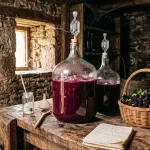

Are you tired of overly bitter wines ruining your enjoyment? You’re not alone-many wine lovers struggle with balancing complex flavors. The good news is that making wine less bitter is easier than you think! In this guide, we’ll explore simple tricks to smooth out those harsh edges and enhance your sipping experience. Whether you’re crafting your own blend or selecting a store-bought bottle, we’ll arm you with practical tips to achieve that perfect balance. So, let’s dive into the world of flavor adjustment and discover how to transform your wine into a delightful experience that caters to your palate!
How Wine’s Bitterness Impacts Flavor Profile

The role of bitterness in wine is often misunderstood, yet it plays a vital part in shaping its overall flavor profile. Bitterness, primarily derived from tannins-a natural compound found in grape skins, seeds, and stems-adds complexity and balance to wine. A little bitterness can enhance the perception of sweetness and fruitiness, but when it overwhelms, it can lead to an unappealing taste that many find off-putting. Understanding how to manage this element can make all the difference in crafting a more enjoyable wine experience.
In winemaking, it’s essential to recognize that not all bitterness is bad. In fact, it can create depth and structure, contributing to a wine’s aging potential. White wines tend to be less bitter, while reds, especially those made from thicker-skinned grapes like Cabernet Sauvignon or Syrah, often exhibit more pronounced tannins. This bitterness can sometimes feel harsh, particularly in younger wines. To mitigate overwhelming bitterness, consider the wine’s characteristics: ingredients, fermentation process, and aging conditions all contribute to the final taste.
One practical way to soften bitterness is through blending. By mixing a bitter wine with something fruitier or sweeter, you can create a more harmonious flavor profile. For example, a bold, tannic Merlot could be blended with a soft, fruity Grenache to temper its intensity while still achieving a rich and inviting wine. Additionally, letting the wine breathe through decanting or aeration can help mellow the bitterness, allowing more aromatic qualities to emerge and creating a richer, softer experience.
Lastly, don’t underestimate the power of food pairings in balancing bitterness. Serving wine alongside a meal-especially one with fats or sweetness-can help mask the wine’s bitter notes. Think cheese, creamy sauces, or drizzled honey with desserts-they can significantly enhance the overall tasting experience. By understanding and managing bitterness, you can elevate your wine enjoyment to new heights, making each sip a delightful adventure rather than a challenge.
Understanding Tannins and Their Role
The presence of tannins in wine can be a double-edged sword. They add complexity, but they can also lead to a bitter taste that detracts from the overall enjoyment-especially when the balance isn’t just right. Tannins are naturally occurring compounds found primarily in grape skins, seeds, and stems. They play a crucial role in how a wine tastes and ages, contributing to a wine’s structure and mouthfeel. Think of tannins as the backbone of a wine; they can create firmness and age-worthiness while also acting similarly to the bitterness of dark chocolate or coffee.
When considering how to make wine less bitter, it’s important to understand how tannins interact with other flavor components. For example, a bit of bitterness can actually enhance the perception of sweetness and fruitiness in a wine due to a sensory phenomenon known as “contrast.” However, this can easily tip to the other side if too much bitterness is present. If you’re working with overly tannic red wines, you might notice that letting them breathe through decanting can significantly alter their flavor profile. Breathing softens the harsh edges and allows the more pleasant, fruity notes to emerge.
Blending is another effective strategy for managing tannin levels. A wine with high tannin can be blended with a fruit-forward counterpart to create harmony in flavors. Consider combining a bold Cabernet Sauvignon with a softer, juicier Merlot. This not only balances out the tannins but also enriches overall flavor and mouthfeel, making your wine experience more inviting.
In addition to blending and aeration, pay attention to food pairings as a simple yet effective method for reducing perceived bitterness. Rich, fatty foods like creamy pasta or cheese can help coat the palate, softening the impact of tannins while enhancing both wine and food flavors. So, next time you find a wine a bit too bitter for your liking, try experimenting with these tips-discover what balance works for you, and enjoy the delightful journey of winemaking!
Simple Tricks: Sweetening Without Sugar

When you want to sweeten a wine without adding sugar, the key lies in balancing flavors and enhancing the wine’s inherent characteristics. There are creative ways to achieve this that can make your wine experience more enjoyable without compromising your palate or health.
One of the simplest tricks is to incorporate fruit. Fresh fruits such as berries, peaches, or even a slice of citrus can provide a natural sweetness and lively acidity to your wine. Just drop a few pieces into your glass or serve the wine alongside a fruit platter to complement its flavors. You might be surprised at how a small addition can transform the tasting experience. Experiment with infusions by letting the fruit sit in the wine for a little while; this not only sweetens but can also add new flavor dimensions.
Another effective approach is to utilize aromatics like herbs and spices. For instance, a sprig of mint or a pinch of cinnamon can add a gentler sweetness and aromatic complexity without resorting to sugar. A popular method involves muddling herbs like basil or rosemary in the bottom of your glass before adding wine. This herbaceous note can soften the bitterness while enhancing the overall flavor profile.
Lastly, consider the temperature at which you serve your wine. Slightly chilling sweeter wine varieties or even slightly warming bold reds can alter the perception of sweetness. Cooler temperatures can highlight the refreshing notes, making the wine seem more rounded, while warming can bring forward fruit and spice flavors, making the wine feel richer and more comforting.
By playing with these simple techniques-adding fruit, experimenting with herbs, and adjusting serving temperatures-you can create a more pleasant drinking experience that emphasizes sweetness without ever touching sugar. So, gather your favorite fruits and herbs, and get ready to discover new favorite ways to enjoy your wine!
Dilution Techniques: Balancing Flavor Intensity

When facing a wine that’s a bit too bitter for your taste, dilution techniques can be a game changer, allowing you to balance the intense flavors without sacrificing quality. The beauty of dilution is in its simplicity and versatility-it doesn’t require fancy equipment or ingredients! Let’s explore some approachable methods that can transform your wine experience.
One effective way to dilute bitterness is by adding a splash of sparkling water or tonic. These fizzy companions not only lighten the intensity but also introduce refreshing bubbles that elevate the sensory experience. Consider this: filling a wine glass halfway with your chosen red or white, then topping it off with chilled sparkling water. This method can drastically soften bold flavors while adding a playful effervescence. If you prefer something a little sweeter, a splash of soda, like lemon-lime or ginger ale, can infuse a pleasant zing and sweetness, which helps mask bitterness.
Another excellent trick is to mix your wine with other beverages to create a delightful spritzer. Combining wine with citrus or berry juices can work wonders. Try mixing equal parts of wine and citrus soda with a splash of orange or grapefruit juice for a refreshing summer drink. The citrus notes not only brighten the overall flavor but also counteract the wine’s more astringent qualities. This is especially delightful with white wines, where the added acidity complements the fruity notes.
If you’re feeling adventurous, consider making a sangria. This classic blend of wine, fruit, and a splash of something sweet can be incredibly effective at masking bitterness. Simply mix your favorite red or white wine with chopped fruits like peaches, berries, and oranges. Add a little brandy or orange liqueur for depth, then let it chill. As the fruits macerate, they release their juices and sweeten the mix deliciously, creating a beautifully balanced drink that’s perfect for gatherings or relaxing evenings at home.
Incorporating these straightforward dilution methods allows you to enjoy your wine more fully. Whether it’s a fizzy addition, a refreshing spritzer, or a fruit-infused sangria, balancing flavor intensity while keeping your palate satisfied is within reach. Cheers to experimenting with your favorite flavors and making every pour enjoyable!
The Art of Blending: Combating Bitterness
To transform a wine that’s leaning toward the bitter side, blending can be a creative and enjoyable solution. Blending is not just for winemakers; it’s a technique you can easily adopt at home. Imagine a beautifully balanced glass that enhances your experience instead of detracting from it. The key to successful blending lies in understanding how different elements interact in your glass and using those relationships to your advantage.
Understanding Blending Basics
Start by considering the flavor profiles of the wines you want to mix. A generally good rule is to blend wines that complement each other. For instance, if you have a robust red wine with pronounced tannins, mixing it with a fruit-forward, soft red can counter the bitterness. You might try combining a Cabernet Sauvignon with a Grenache-the former’s structure can be softened by the latter’s fruity notes.
Attuning your palate is crucial. Pour small amounts of each wine into separate glasses, taking notes on their unique characteristics. Ask yourself questions as you taste: Is one wine too tannic? Does another lack depth? This approach will guide you in determining how much of each wine you might need to create balance.
Practical Blending Steps
- Start Small: Use small quantities to experiment before committing to larger amounts. A good starting ratio is one part of the bolder wine to two parts of the lighter wine.
- Mix and Match: Don’t hesitate to throw some white wine into the mix! A splash of a zesty Sauvignon Blanc can brighten up a heavy red without overwhelming it.
- Taste as You Go: This is the most important step! After blending, taste your mixture and adjust accordingly. If it’s still too bitter, consider adding another splash of the softer wine or a sweet wine like a Moscato to round out the edges.
Enhancing the Blend with Other Ingredients
As you blend, think about introducing other elements to further combat that bitterness. You can infuse flavors using fresh fruit or herbs. For example, a few slices of peach or a sprig of mint can add freshness and lift the flavors, mitigating bitterness without incorporating extra sugars.
Also, don’t forget about aging! Letting your newly blended wine sit for a short while can help the flavors meld beautifully. A simple decanting for about 30 minutes before serving can work wonders, allowing volatile compounds to settle and pleasant aromas to shine through.
By embracing the art of blending, you’re not only refining the wine but also enhancing your enjoyment. So grab a couple of bottles, gather some friends, and start experimenting! Each blend is a personal expression of your taste-and who knows, you might just create your next favorite wine concoction. Cheers to creative blending!
Choosing the Right Grapes for Balance
When it comes to crafting a wine that dances on the palate and doesn’t lean toward bitterness, choosing the right grapes is pivotal. Different grape varieties come with their own personalities, bringing unique flavors and tannin profiles that can enhance or mitigate how bitterness is perceived. For example, fruit-forward varieties like Merlot or Zinfandel can introduce lush sweetness and vibrant fruitiness, which soften the harsh edges presented by more tannic grapes like Cabernet Sauvignon.
One key strategy is to look for grapes that naturally possess lower tannin levels. Pinot Noir is an excellent choice, as it typically offers a lighter body with bright acidity and fruit-driven flavors, making it less likely to present bitterness. On the other hand, blending in a bit of sweet or fruity white wine such as Chardonnay can effectively offset a heavier red, creating a delightful harmony that keeps bitterness at bay.
Practical Grape Pairing Tips
- Combine Varieties: Don’t shy away from blending. A splash of a fruity Grenache with a robust Syrah can balance the boldness and integrate sweetness.
- Explore Regions: Grapes from warmer climates often have higher sugar content, which translates to sweeter wines. Look for wines from regions like California or Australia that embrace these varietals for a naturally softer palate.
- Consider Juice: If you have access to grape juice, consider fermenting lower-tannin juice (like that from table grapes) to create a refreshing option infused with natural sweetness.
Creating balance through grape selection doesn’t require advanced knowledge; it’s about being curious and willing to experiment. As you taste different varieties, take notes on how they interact with your palate. This journey will likely lead you to perform your own delightful experiments with grape combinations, ultimately crafting a wine that feels personal and utterly enjoyable. Cheers to your wine adventures!
Temperature’s Effect on Wine Taste
When it comes to enjoying a glass of wine, temperature plays a surprisingly vital role in shaping the overall flavor experience. Did you know that serving wine at the wrong temperature can accentuate bitterness and mask the delightful nuances that make a wine truly enjoyable? Whether you’re sipping a robust red or a crisp white, the right temperature can balance flavors and soften sharp edges.
Most red wines are best enjoyed slightly below room temperature, around 60-65°F (15-18°C). This allows the aromas to open up, and the tannins to become less pronounced, making the wine feel smoother and less bitter. On the other hand, serving whites too cold can mute their flavors, leading to a less vibrant taste. Aim for white wines around 45-55°F (7-13°C); this way, their fruity and floral notes shine without the bitterness that over-chilling can create.
Practical Tips for Serving Temperature
- Invest in a Thermometer: A simple wine thermometer can help you hit the perfect serving temperature. Just pop it on your bottle before pouring.
- Chill in Advance: If you know you’re serving whites, pop them in the fridge at least an hour before your gathering. For reds, place the bottle in the fridge for about 15-20 minutes before serving.
- Use Ice Buckets: If your wine is a bit too warm, an ice bucket can quickly bring it to the ideal temperature. Just be sure to keep it moving; half ice and half water work best!
By paying attention to the temperature, you ensure that each sip of wine presents its best self. A little adjustment can mean the difference between a glass that’s overly bitter and one that sings with harmony. So as you experiment with different wines, remember that serving temperature can dramatically enhance your tasting experience. Cheers to discovering the perfect balance!
Using Food Pairings to Reduce Perceived Bitterness
When it comes to enjoying wine, the right food pairing can transform a glass that feels overly bitter into a harmonious experience. Certain foods can mask or counterbalance the sharp edges of bitterness, allowing the wine’s true character to shine through. Here’s how you can use food pairings to enhance your wine experience and reduce perceived bitterness.
Start with incorporating fat. Foods rich in fats, like creamy cheeses or buttery dishes, can soften the astringency of tannins in red wines. Think of a bold cabernet paired with a rich, creamy brie. The creaminess of the cheese coats your palate, helping to tame the wine’s bitterness while allowing its fruitiness to emerge. Similarly, when enjoying a tannic red, try serving it alongside grilled meats or fatty fish. This combination not only complements the wine’s structure but also brings out its underlying flavors.
Sweetness can also work wonders. A touch of sweetness in foods can balance bitterness effectively. Consider serving a spicy dish with a slightly sweet wine, like a Riesling or a Gewürztraminer. The sweetness cuts through the heat and bitterness, creating a pleasing contrast. Alternatively, chocolate desserts, particularly dark chocolate, can enhance the perception of rich red wines. When paired carefully, chocolate can elevate the wine experience, softening any harshness while accentuating deeper notes of fruit and spice.
Don’t forget acidity! Foods with a bright, zesty acidity, such as tomatoes, pickles, or citrus-based dishes, can counteract bitterness by refreshing the palate. For instance, a sharp salad dressing made with lemon or vinegar can lift the flavors of an otherwise bitter wine, creating a delightful balance. A classic pairing is a tangy citrus salad with a glass of Sauvignon Blanc, where the acidity of the salad complements the wine without letting bitterness dominate.
Experimenting with these food pairings not only enhances your wine experience but also opens up a world of flavors that delight the senses. Don’t be afraid to play around in your kitchen and discover combinations that work best for your palate-you might just find a delightful pairing that transforms your wine enjoyment!
Experimenting with Herbs and Spices
can be a delightful way to transform the flavor profile of your wine, particularly when you find that bitterness is detracting from your enjoyment. By incorporating these natural flavor enhancers, you not only diminish the perception of bitterness but also add an exciting twist to your palate. Imagine sitting down with a glass of bold red wine and experiencing it anew with just a hint of fresh herbs or an aromatic spice.
Start by considering what herbs might complement your wine. For instance, a sprinkle of fresh mint or basil can bring a refreshing note to a heavier wine, while rosemary or thyme can enhance the earthy elements in a more robust varietal. Don’t shy away from experimenting! A simple method is to muddle a few leaves of your chosen herb in the bottom of your glass before adding wine. This gentle release of oils can significantly alter the tasting experience.
Spices are another fantastic avenue for experimentation. A dash of cinnamon or nutmeg can add warmth to the profile of a sweeter white wine, enhancing its complexity and balancing any bitterness that may be present. A pinch of black pepper can also elevate the experience with robust reds, showcasing their robust character. When using spices, start small; you can always add more if needed, but it’s harder to remove the flavor once it’s been introduced.
To help you get started, here are some herbs and spices to consider pairing with different types of wine:
| Wine Type | Herbs | Spices |
|---|---|---|
| Cabernet Sauvignon | Rosemary, Thyme | Black Pepper, Clove |
| Chardonnay | Basil, Dill | Cinnamon, Cardamom |
| Pinot Noir | Mint, Parsley | Ginger, Allspice |
| Sauvignon Blanc | Chives, Tarragon | Nigella, Coriander |
Unlocking new dimensions of flavor in your wine glass can be as simple as tweaking your approach to herbs and spices. Get creative in your kitchen and have fun tasting the results; you might just stumble upon a combination that elevates your wine experience to new heights!
Decanting and Aeration: Techniques That Matter
When it comes to making a wine less bitter and enhancing its overall flavor, the processes of decanting and aeration play crucial roles. These techniques are not just reserved for fine wines; they can make a noticeable difference in your everyday drink. By exposing wine to air, you allow it to breathe, softening harsh tannins and unlocking hidden aromas and flavors. This transformation can significantly reduce bitterness and create a more enjoyable tasting experience.
Decanting is the process of transferring wine from its bottle into another container, usually a decanter. This not only helps separate the wine from any sediment that might have settled but also maximizes exposure to oxygen. To decant effectively, aim to pour the wine gently down the side of the decanter, allowing it to cascade and mix with the air. A rule of thumb is to decant younger wines for about 30 minutes and older wines for up to two hours, though you should always taste as you go. Remember, the goal is to enhance the wine’s character while minimizing unwanted bitterness.
Aeration can also be achieved directly in your glass. Swirling the wine releases volatile compounds that contribute to its bouquet, enhancing its aroma and taste. If you don’t have a decanter, simply pouring the wine into your glass and letting it sit for a few minutes can do wonders. For particularly bitter reds, consider using a wine aerator, which can quickly introduce air to the wine as you pour. This quick process can help mellow out sharp flavors, making your sips smoother and more rounded.
Incorporating these techniques into your wine routine doesn’t require special equipment or extensive knowledge. Just remember to experiment with different wines and take notes on what works best for you. Whether you’re preparing for a dinner party or simply enjoying a glass at home, decanting and letting your wine breathe can elevate your experience, turning potential bitterness into a harmonious and delightful profile. So grab your favorite bottle, give it some air, and savor the transformation!
Tips for Storing Wine to Maintain Balance
Storing wine properly can make all the difference in maintaining its balance and enhancing its flavors, particularly if you’re working to reduce any bitterness. Did you know that the right storage conditions not only preserve the wine but also allow it to evolve gracefully in the bottle? Here are practical tips to ensure your wine stays in its best shape, making each sip enjoyable.
First, it’s crucial to keep your bottles in a cool, dark place. Ideally, aim for a temperature around 55°F (13°C). Extreme fluctuations in temperature can lead to expansion and contraction of the liquid, which affects how the wine interacts with the cork and can introduce unwanted oxidation. Additionally, protect your wine from direct light, as UV rays can degrade its quality over time, exacerbating bitterness. If you don’t have a wine fridge, a cool cupboard away from heat sources will do just fine.
Next, consider the positioning of your bottles. Store them horizontally when possible. This keeps the wine in contact with the cork, preventing it from drying out and letting air in, which can spoil the wine. If you’re using a wine rack, ensure it’s stable and that the bottles are secured to prevent movement, which can affect their internal environment.
Lastly, humidity also plays a role; maintaining a humidity level between 50-70% helps keep corks from drying out. If you live in a particularly dry area, using a small humidifier or placing a shallow dish of water near your wine storage can help maintain the ideal humidity levels. By following these simple yet effective tips, you’ll ensure that your wine remains balanced, ready to showcase its best flavors, minimizing any bitterness along the way. Cheers to enjoying your perfectly stored bottles!
FAQ
Q: How can I naturally reduce bitterness in red wine?
A: You can naturally reduce bitterness in red wine by experimenting with *sweetness* and *acid balance*. Adding a small amount of fruit juice like cherry or cranberry can enhance sweetness without adding sugar. Consider food pairings, such as cheese or chocolate, which can mellow the wine’s bold flavors.
Q: What foods pair well to mask wine bitterness?
A: Foods that pair well to mask wine bitterness include *ricotta cheese*, *dark chocolate*, and *grilled meats*. These foods can create a harmonious balance that softens the wine’s tannins and enhances the overall tasting experience. Try serving wine with a charcuterie board for a delightful combination!
Q: Why does red wine taste bitter?
A: Red wine may taste bitter due to *tannins*, which come from grape skins and seeds. Higher tannin levels are common in bold red wines like Cabernet Sauvignon and Syrah. Understanding the role of tannins can help you choose wines that are less bitter and more balanced to your taste preferences.
Q: Can aging wine help reduce bitterness?
A: Yes, aging wine can help reduce bitterness. Over time, tannins soften and integrate, leading to a smoother mouthfeel. If you’re holding onto a *young wine*, consider aging it for a few years to allow these changes to occur and improve its overall flavor profile.
Q: What techniques can I use to enhance wine taste before serving?
A: To enhance wine taste, consider *decanting* before serving. This process aerates the wine, allowing it to open up and reduce bitterness. Additionally, serving wine at the correct temperature, typically slightly cooler for whites and slightly warmer for reds, can significantly improve flavor perception.
Q: Is there a best time to serve wine to reduce bitterness?
A: The best time to serve wine to reduce bitterness is *after decanting* for at least 30 minutes. This allows ample time for the wine to breathe, which can mellow intense flavors. Serving at the right temperature further optimizes the tasting experience.
Q: How does the choice of glassware affect wine bitterness?
A: The choice of glassware can influence wine bitterness. Using a glass with a wider bowl allows for better *aeration*, promoting a smoother tasting experience. A good glass design also helps to direct the aroma to your nose, enhancing the overall enjoyment of the wine.
Q: Are there specific grape varieties that are less bitter?
A: Yes, certain grape varieties are known for being less bitter. Varieties like *Pinot Noir*, *Gamay*, and *Chardonnay* tend to have lower tannin levels, making them smoother and easier to enjoy. Selecting these grapes can help minimize perceived bitterness in your wine selection.
The Way Forward
Now that you have the tools to make your wine less bitter, it’s time to put these tips into action! Remember, balancing flavors is all about experimentation, so don’t hesitate to try different combinations to find what pleases your palate. If you’re curious about pairing your newly balanced wine with delicious foods, check out our guide on perfect pairings [link]. And for those who want to dive deeper, explore our article on wine fermentation techniques [link] to enhance your winemaking knowledge.
Have any questions or success stories to share? We’d love to hear from you in the comments! Don’t forget to sign up for our newsletter for more expert tips that will elevate your winemaking skills. By embracing these simple tricks today, you’ll soon be enjoying a smoother glass that impresses your friends and elevates your gatherings. So grab your ingredients and start crafting a wine experience that’s uniquely yours! Cheers to creative winemaking!
Get our latest guides, news, and insights highlighted in your Google Search & AI Overviews.