
Imagine a rich, velvety sauce that elevates your seafood dishes from ordinary to extraordinary. That’s the magic of lobster butter-a simple yet decadent dip that brings the ocean’s best flavors right to your table. This homemade lobster butter recipe is not only easy to prepare but also a fantastic way to make the most of your seafood feasts without breaking the bank. With just a few ingredients and minimal cooking time, you’ll create a luxurious dipping sauce that your friends and family will rave about. Perfect for enhancing grilled shrimp, drizzling over crab legs, or simply spreading on warm bread, this lobster butter will transform any meal into a gourmet experience. So roll up your sleeves, and let’s dive into the delightful world of homemade lobster butter!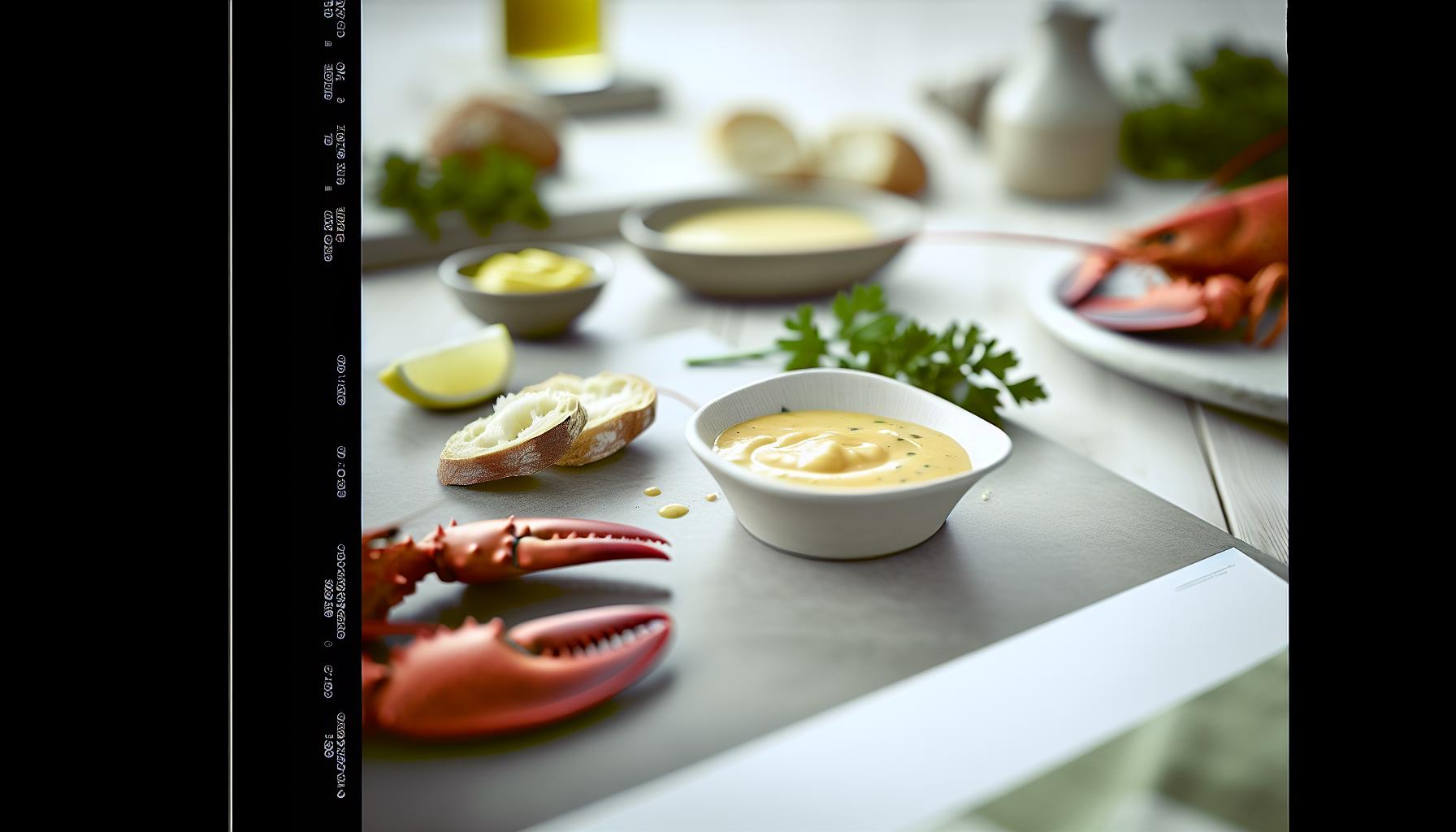
Lobster Butter: A Seafood Lover’s Dream Dipping Sauce
Lobster butter transforms any seafood experience into a luxurious delight. Imagine dipping tender lobster meat or succulent shrimp into a rich, buttery sauce infused with the essence of the sea. This dipping sauce is not just a treat; it’s a celebration of flavors that elevates even the simplest seafood dishes into something truly special. When crafted with care, lobster butter brings a sweet, briny taste that dances on your palate, leaving you craving more.
To make this seafood lover’s dream come true, it starts with quality ingredients. Using fresh or frozen lobster meat, along with good quality unsalted butter, is essential. Supplement this with aromatics such as garlic, shallots, or herbs like thyme and parsley to enhance complexity. The blend of these ingredients creates a velvety texture and a mouthwatering flavor profile that’s perfect for dipping.
Getting the consistency just right is about balance. You want your lobster butter to be rich and creamy, not overly thick or greasy. A simple tip is to first melt the butter slowly over low heat and then incorporate minced lobster meat and aromatics. Stir gently to achieve a smooth blend, adding a splash of lemon juice for brightness and a pinch of salt to round out the flavors. This method creates a texture that clings beautifully to whatever seafood you choose to dip.
Whether you’re serving it with steamed lobster tails, grilled shrimp, or even drizzling it over a seafood pasta, lobster butter fits seamlessly into any seafood feast. With just a little patience and creativity, you’ll have a dipping sauce that not only impresses your guests but also pays homage to the wonderful flavors of maritime cuisine. So next time you’re planning a seafood gathering, remember that a bowl of homemade lobster butter can turn an ordinary dish into a memorable culinary experience.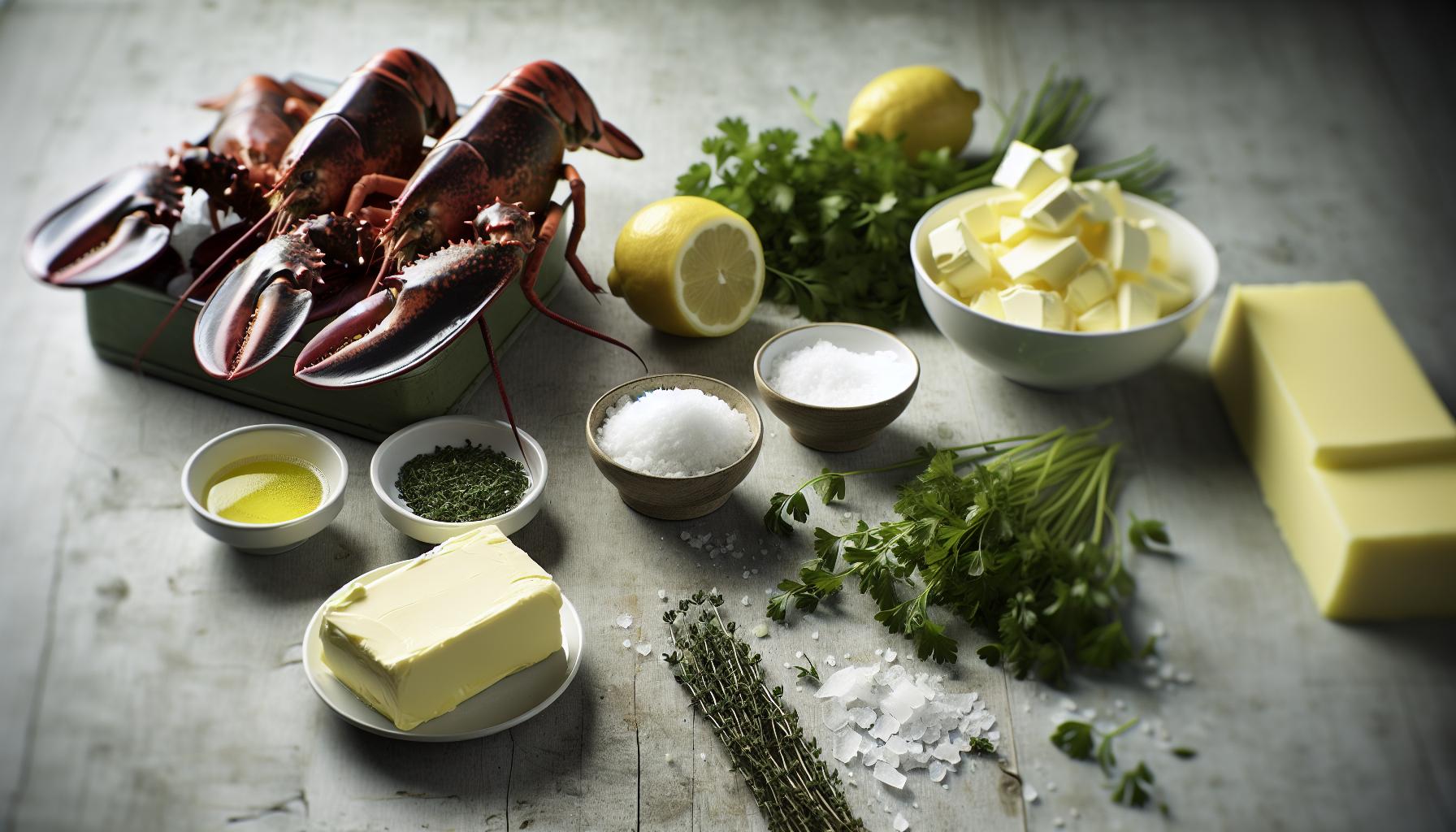
Essential Ingredients for Perfect Lobster Butter
To create an irresistible lobster butter, you’ll want to start with a selection of high-quality ingredients that come together to elevate this rich dipping sauce. Every bite should reflect the freshness of the sea and the indulgence of creamy butter. Your essential components include fresh or frozen lobster meat, unsalted butter, and some key aromatics. Choosing the right ingredients is vital to achieving that luxurious flavor profile that makes lobster butter such a treat.
Quality Lobster Meat
The star of the show is, of course, the lobster meat. You can use leftover meat from boiled or steamed lobsters, or if you’re feeling adventurous, you could even make a habit of preparing lobster tails just for the butter. If you opt for frozen lobster, ensure it’s of high quality. The fresher the lobster, the better the flavor, so don’t hesitate to splurge a little here when planning a seafood feast.
Unsalted Butter
Next up is the butter. Using unsalted butter allows you to control the salt levels in your lobster butter, letting the natural sweetness of the lobster shine through. Aim for a high-quality butter-European-style butters with higher fat content will yield an even creamier texture, making your final product extra decadent.
Aromatics and Seasonings
Don’t overlook the aromatics, as they add essential depth to your sauce. Classic choices include:
- Garlic: Fresh minced garlic lends a robust flavor and aroma.
- Shallots: These add a mild sweetness and a subtle onion flavor.
- Fresh Herbs: Thyme and parsley are fantastic for adding brightness. You could also experiment with dill for a unique twist!
- Lemon Juice: A squeeze of fresh lemon not only brightens up the sauce but also balances the richness of the butter.
- Cayenne Pepper: A pinch can add a touch of heat, which beautifully complements the sweetness of the lobster.
The combination of these ingredients creates a sauce that’s not just rich but layered in flavor, making every dip a sensational experience. You’ll find that the simplicity of blending these quality components makes the process rewarding, and the resulting lobster butter can transform any seafood dish into a gourmet delight. Enjoy experimenting with your combinations-cooking should be as much about creativity as it is about following recipes.
Step-by-Step Guide: How to Make Lobster Butter
Creating your own lobster butter at home can turn a simple dish into an extravagant feast, and it’s easier than you might think! This rich dipping sauce brings out the sweet, briny flavor of lobster, making it a perfect companion for your seafood dishes. Without needing any professional kitchen equipment, you can whip up a batch that will impress your family and friends. Ready to dive in? Here’s a simple, step-by-step guide to making lobster butter.
Start by gathering your ingredients. You will need about 8 ounces of cooked lobster meat, which can be leftover from a previous meal or freshly cooked. Next, grab half a cup (one stick) of unsalted butter; this is key for controlling the salt levels in your butter. You’ll also want fresh garlic, shallots, lemon juice, and any herbs that you enjoy-think thyme or parsley for freshness and brightness.
Next, chop the lobster meat into small, bite-sized pieces. This will help it incorporate better into the butter. In a medium saucepan, melt the unsalted butter over medium heat. Once melted, add minced garlic and shallots, cooking until they are fragrant and the shallots are translucent-a great way to build a flavorful base.
After that, add your lobster meat to the mixture, stirring gently to combine all the ingredients. Allow this to cook for a couple of minutes just enough to warm the meat through without overcooking it, which would toughen the lobster. Squeeze in some fresh lemon juice to add acidity and balance the richness of the butter, and finish with chopped herbs and a pinch of cayenne if you’re feeling adventurous!
Once your lobster butter is ready, you can either serve it immediately or let it cool slightly before transferring it to a jar for storage. It should be served warm as a dipping sauce, perfect for drizzling over seafood or using as a topping for grilled vegetables. The process is simple, and once you’ve crafted your first batch, feel free to experiment with different flavorings or add-ins to find your perfect lobster butter blend. Enjoy your culinary creation!
Tips for Achieving the Right Consistency
Achieving the perfect consistency for your lobster butter can elevate it from good to truly exceptional. The goal is to create a rich, creamy texture that clings beautifully to seafood without being overly greasy or too thin. A few simple techniques can help you master this balance.
Start by ensuring your butter is at the right temperature. Using room-temperature butter allows for smoother incorporation with the lobster meat and other ingredients. If you’re starting with cold butter, it can separate or create an uneven texture when melted. Melting it slowly over medium heat prevents it from browning, which can also contribute to a more pleasing consistency.
As you blend in the chopped lobster meat, consider adding a small amount of reserved lobster stock or water from cooking. This not only enhances the flavor but can also help achieve a silkier texture. Start with just a tablespoon or two and mix it in gradually until you reach your desired consistency. If the lobster butter seems too runny, a quick fix is to add more butter at room temperature, which will thicken it up while keeping the flavor intact.
Another useful tip is to allow the butter to cool slightly before serving. As it begins to set, its consistency will change, making it thicker and more conducive to dipping. Just be sure to keep it warm enough to prevent it from solidifying completely!
Lastly, remember that consistency isn’t just about thickness. The inclusions of garlic, shallots, and herbs should be evenly distributed throughout the butter, adding not just flavor but also textural interest. To ensure this, finely mince your aromatics and stir thoroughly, so every bite is bursting with the symphony of flavors you’ve crafted. Enjoy your delicious concoction with confidence, knowing its perfect balance is sure to impress!
Flavor Variations to Elevate Your Lobster Butter
Elevating your lobster butter with creative flavor variations can transform this classic dipping sauce into a gourmet experience. The beauty of homemade lobster butter lies not only in its rich, buttery base but also in how adaptable it can be to suit different tastes and complement various seafood dishes. With just a few additional ingredients, you can take your lobster butter to new heights and impress your guests with bold and interesting flavor profiles.
One delightful variation to try is adding citrus zest. The bright notes of lemon or orange zest can cut through the richness of the butter, adding a refreshing aspect that enhances the overall taste. Simply incorporate the zest of one citrus fruit while slowly melting the butter, and finish it off with a squeeze of lemon juice to brighten the flavors even more.
For those who enjoy a bit of heat, consider mixing in finely chopped fresh herbs like dill or tarragon, alongside a pinch of red pepper flakes for a slightly spicy kick. These flavors pair beautifully with the sweetness of lobster. If you want to take it up a notch, try blending in some sriracha or a dash of cayenne pepper for a more pronounced warmth that can really elevate your seafood feast.
Another option is to embrace an umami-rich twist by incorporating ingredients like miso paste or smoked paprika. These additions introduce depth and complexity to your lobster butter, making it a unique accompaniment. A teaspoon of white miso stirred in at the end not only enriches the flavor but also provides a slight creaminess.
Finally, do not overlook the power of infused oils. A drizzle of garlic-infused olive oil can add a lovely aromatic quality, while a bit of truffle oil can lend an extravagant touch to your butter, turning a simple sauce into a luxurious item on your table. Remember, the key to flavor variations is to balance additional ingredients with the main component to keep that beloved lobster flavor at the forefront. Enjoy experimenting, and your homemade lobster butter will surely become a standout star in any seafood spread!
Creative Uses: Beyond Just Dipping Sauce
Imagine the rich, oceanic flavor of lobster butter elevating dishes beyond just dipping. This decadent delight can become a hero ingredient in your kitchen, enhancing meals and impressing your diners with minimal effort. Not only is it perfect for seafood feasts, but it can also bring a unique flair to pasta, veggies, and more. Let’s explore creative ways to use lobster butter that will leave everyone asking for your secret.
Transforming Pasta Dishes
Lobster butter can be a game changer in pasta preparations. Simply melt it into your favorite noodles for a luxurious finish to dishes like fettuccine or linguine. Add a splash of white wine and a squeeze of fresh lemon juice for brightness. Toss in some sautéed garlic or spinach to round out the flavors. You’ve just created a restaurant-quality meal at home in minutes!
Enhancing Vegetables
Your vegetable sides can also benefit from this rich butter. Drizzle melted lobster butter over steamed or roasted vegetables, such as asparagus, carrots, or Brussels sprouts. The buttery goodness will elevate even the simplest veggies, making them a standout accompaniment to any main course. For an extra touch, top with a sprinkle of freshly grated Parmesan or some finely chopped herbs.
Lobster Butter Soups and Sauces
Incorporate lobster butter into creamy soups and sauces for added depth. A bisque or cream of corn soup benefits immensely from a tablespoon or two of this infused treat. Stir it in at the end of cooking for a silky finish that brings all the flavors together. You can also create a lobster butter sauce by blending it with heavy cream and fresh herbs for drenching over fish or scallops.
Bringing Flavor to Grilled Meats
If you’re grilling chicken, steak, or even veggies, consider basting them with lobster butter during the last few minutes of cooking. This adds a sheen and a delightful flavor that can make your barbecue meals unforgettable. Just a little goes a long way, enhancing the overall taste without overwhelming the primary flavors.
With these creative uses, your lobster butter becomes more than a dipping sauce; it turns into a versatile ingredient that showcases your culinary creativity. Dive into these ideas, and you’ll see how this luxurious butter can transform everyday meals into memorable dining experiences. Enjoy exploring your kitchen with this simple yet sophisticated ingredient!
Pairing Lobster Butter with Different Seafood
When you think of seafood, pairing it with a rich, flavorful butter can elevate the experience to a whole new level. Lobster butter, with its inherent sweetness and complex flavors, is an ideal companion for various types of seafood. The key is to find harmony between the robust essence of the lobster butter and the delicate nature of the fish or shellfish you choose to serve it with.
Perfect Matches for Lobster Butter:
- Crab: The sweet, succulent meat of crab legs or crab cakes pairs wonderfully with the richness of lobster butter. Simply drizzle melted lobster butter over steamed crab legs or mix it into crab cakes before pan-frying for an irresistible flavor boost.
- Shrimp: Whether grilled, sautéed, or boiled, shrimp becomes even more luscious when tossed in lobster butter. For a quick dish, sauté shrimp in a skillet and finish with a dollop of warm lobster butter mixed with garlic and a squeeze of lemon juice.
- Scallops: Pan-seared scallops are a crowd-pleaser, and adding lobster butter into the mix creates a savory depth. After searing, simply swirl in some lobster butter and finish with fresh herbs for a meal that’s both elegant and comforting.
- Fish: Mild, flaky fish like cod, halibut, or sole are beautifully enhanced by the rich flavor of lobster butter. Brush the fish with lobster butter before grilling or baking, or serve a warm sauce drizzled on top just before serving.
Complement your seafood feast by using lobster butter in creative ways. Consider using it as a finishing sauce for baked or grilled fish, stirring it into seafood risottos, or even using it as a base for rich seafood pasta. Experimenting with different seafood might lead you to delightful combinations that surprise both you and your guests.
Remember, the beauty of lobster butter lies in its versatility. By being open to different seafood pairings, you not only enrich the dining experience but also showcase your culinary creativity. Enjoy the process, and don’t hesitate to adjust flavors to suit your palate-after all, cooking should be as enjoyable as it is delicious!
Storing and Reheating Your Lobster Butter
Savvy home cooks know that lobster butter is a luxury worth savoring, and enjoying it more than once is both practical and delicious. Fortunately, storing and reheating your homemade lobster butter is a cinch, allowing you to have this rich, elegant sauce on hand for those impromptu seafood feasts.
To store your lobster butter, let it cool to room temperature after making it. Then, transfer it to an airtight container, ensuring that no air can seep in. For the freshest flavor, store it in the refrigerator where it can last up to a week. If you need it to last longer, you can freeze it! Simply pour the lobster butter into ice cube trays, freeze until solid, and then transfer the cubes to a resealable freezer bag. This makes it incredibly easy to grab just the right amount for your recipes later on.
When it’s time to enjoy your lobster butter again, reheating is simple. If frozen, allow the cubes to thaw in the refrigerator overnight or pop them in the microwave in short bursts of 15-20 seconds until just softened. Avoid overheating, as this can change the texture and flavor. If you are reheating from the fridge, warm it gently in a small saucepan over low heat, stirring until it reaches a pourable consistency. If you find it has thickened, you can also mix in a splash of lemon juice or a little more melted butter to bring it back to life.
Storing and reheating lobster butter doesn’t need to be intimidating! With these straightforward tips, your culinary creations will always shine, ensuring that every seafood meal you serve is nothing short of exceptional. Whether drizzled over grilled shrimp, stirred into pasta, or served with crusty bread, it’s a treat that transforms any dish into a gourmet experience. Enjoy the convenience and the indulgent flavors that homemade lobster butter brings to your table!
Common Mistakes to Avoid When Making Lobster Butter
When crafting your lobster butter, it’s easy to fall into common traps that can detract from the luxurious experience you aim to create. Here are some pitfalls to watch out for, ensuring your sauce shines as brightly as your culinary skills.
First, overcooking the lobster is a frequent mistake. Remember that lobster meat is delicate and cooks quickly! Aim for just a few minutes until the meat turns opaque. If you overdo it, you risk tough, rubbery results that won’t blend well into your butter. Just think, if you wouldn’t want to eat it plain, it certainly won’t enhance your butter.
Another issue is not using enough quality butter. The richness of your lobster butter hinges on the butter you choose, so opt for unsalted, high-fat options for the best flavor. Many home cooks make the mistake of skimping on the butter, which can leave the sauce lacking in depth. It’s meant to be a decadent addition to your seafood dishes, so indulge a bit!
In addition, underestimating the importance of seasoning can lead to a bland final product. While lobster has a wonderful flavor, it can benefit from a bit of salt and aromatics like garlic or shallots. Experimenting with fresh herbs, lemon zest, or even a hint of paprika can elevate your mixture, transforming it from ordinary to extraordinary.
Lastly, failing to emulsify properly can leave your mixture separated or greasy. To achieve that harmonious blend, introduce the lobster and melted butter gradually, stirring continuously. This technique helps meld the flavors beautifully, giving you that creamy consistency you desire. Just remember, patience is key!
By steering clear of these common errors, you’re well on your way to creating a lobster butter that’s as exquisite as it sounds-rich, flavorful, and ready to elevate any seafood feast!
Serving Suggestions for Seafood Feasts
Lobster butter isn’t just a luxurious dipping sauce; it’s a culinary delight that elevates any seafood gathering into an unforgettable feast. Imagine a spread featuring fresh lobster tails, succulent shrimp, or pan-seared scallops all complementing that rich, flavorful butter. When plating your seafood, think about presentation and how to best highlight each dish’s flavors while keeping everything simple.
For a stunning seafood platter, arrange your lobster tails and shrimp on a large, white serving dish. This elegant backdrop makes the vibrant shades of the seafood pop. Include bowls of lobster butter for dipping in different spots around the platter to encourage sharing and celebration. You might even want to garnish the platter with fresh herbs like parsley or dill for a fragrant touch that ties it all together.
When serving, keep the butter warm. A small fondue pot or a slow cooker set on low makes an excellent choice, allowing guests to dip as they please without the butter cooling down. Pair your lobster butter with something extra, like a squeeze of fresh lemon or a sprinkle of freshly chopped chives, to enhance the flavors even further.
Additionally, consider offering a variety of seafood alongside the lobster butter. Options like grilled corn on the cob, garlic bread, or even crispy vegetable fries add texture and variety. As your guests dip and savor, the conversation will flow, and your gathering will transform into a delightful experience filled with laughter and good food. Enjoy the simplicity and joy of sharing delicious flavors in your very own home!
The Best Side Dishes to Complement Lobster Butter
Creating a memorable seafood feast is all about pairing your delicious lobster butter with the right side dishes. These accompaniments not only enhance the flavors of your meal but also add variety and texture, making your gathering feel complete. Picture your guests savoring succulent lobster along with sides that perfectly complement that rich, buttery sauce. Here are some fantastic options to consider.
Starches That Shine
Carbohydrate-heavy sides are ideal for balancing the richness of lobster butter. Here are a few crowd-pleasers:
- Garlic Bread: A classic choice, warm, crusty garlic bread is perfect for dipping in that luscious butter. It adds flavor and a satisfying crunch that pairs wonderfully with seafood.
- Grilled Corn on the Cob: Sweet, smoky corn adds a delightful bite and texture contrast. A sprinkle of lime juice and a dash of chili powder can elevate the flavor profile.
- Herbed Rice: Light, fluffy rice infused with fresh herbs like parsley or dill makes for a fantastic accompaniment, soaking up any remaining lobster butter.
Vegetables for Freshness
Bright, fresh vegetables not only enhance the plate’s color but also provide a refreshing note to balance the richness of the butter. Consider:
- Roasted Asparagus: Tossed in olive oil with a sprinkle of garlic salt, roasted asparagus becomes a tender, flavorful side that adds elegance to your meal.
- Crispy Vegetable Fries: Zucchini or sweet potato fries deliver crunch and a hint of sweetness-adding a fun twist to your seafood spread.
- Grilled Vegetables: A mix of bell peppers, zucchini, and onions drizzled with olive oil and grilled brings a smoky flavor that complements lobster perfectly.
Feast Your Eyes with Salads
A light, zesty salad can be the perfect counterbalance to a rich meal. Opt for:
- Citrus Salad: Combining oranges, grapefruit, and a handful of greens with a citrus vinaigrette refreshes the palate with every bite.
- Coleslaw: A tangy coleslaw with a vinegar or yogurt dressing adds crunch and brightness, making it a delightful counterpart to butter-drenched lobster.
Incorporating these side dishes will transform your seafood gathering into an unforgettable experience. They will not only enhance the flavors of your lobster butter but also engage your guests, inviting them to enjoy a feast that celebrates culinary creativity and shared enjoyment. Happy cooking!
Frequently Asked Questions
Q: What is the best way to serve lobster butter with seafood?
A: Lobster butter is best served warm as a dipping sauce alongside seafood like lobster, shrimp, or crab. Drizzle it over grilled fish for added flavor, or serve it in small bowls for individual dipping. Pair it with some crusty bread to soak up any extra sauce!
Q: Can I make lobster butter without using fresh lobster?
A: Yes, you can make lobster butter using lobster stock or lobster base if fresh lobster is unavailable. Simply combine melted butter with either of these alternatives for a similar flavor profile, but fresh seafood provides the richest taste.
Q: How long can I store homemade lobster butter?
A: Homemade lobster butter can be stored in the refrigerator for up to one week. For longer storage, freeze it in airtight containers or ice cube trays for up to three months. Just thaw and reheat before serving.
Q: What are some flavor variations to try in lobster butter?
A: You can elevate lobster butter by incorporating flavors like garlic, lemon zest, fresh herbs (like parsley or thyme), or a pinch of chili flakes for heat. Each addition creates a unique twist that complements seafood dishes beautifully.
Q: Is lobster butter suitable for other types of seafood?
A: Absolutely! Lobster butter pairs well with various seafood, including shrimp, scallops, and even grilled vegetables. Use it as a sauce on pastas or drizzled over clams to enhance their natural flavors.
Q: What common mistakes should I avoid when making lobster butter?
A: Avoid overcooking the butter, as it can develop a burnt taste. Ensure to melt it gently over low heat. Additionally, don’t skimp on seasoning, as this can leave your lobster butter bland.
Q: How do I reheat lobster butter without separating it?
A: To reheat lobster butter without separation, do it slowly and gently in a saucepan over low heat. Stir occasionally until just warmed through. Avoid boiling, which can cause the butter to break.
Q: Can I customize the consistency of my lobster butter?
A: Yes, you can customize the consistency of lobster butter. For a thinner sauce, add a splash of white wine or stock. For thicker butter, incorporate more solid butter or reduce the liquid ingredients, creating the perfect dipping sauce.
The Way Forward
Now that you have the ultimate Lobster Butter recipe, you’re ready to elevate your seafood dishes! This rich dipping sauce not only complements lobster but enhances shrimp, crab, and even crusty bread for a gourmet touch. Don’t wait; whip up a batch today and experience the deliciousness firsthand!
For more seafood inspiration, why not check out our Lobster Mac and Cheese recipe for a comforting twist or learn how to steam lobsters perfectly? Join our community by signing up for our newsletter to get more mouthwatering recipes delivered right to your inbox. We’d love to hear how your Lobster Butter turned out, so share your thoughts in the comments! Keep experimenting and enjoy every bite of your culinary journey!
Get our latest guides, news, and insights highlighted in your Google Search & AI Overviews.