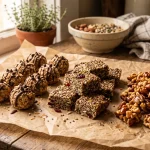

If you’re on the hunt for a sweet treat that’s both delicious and safe for allergy sufferers, you’re in the right place! These No Bake Oatmeal Cookies Without Peanut Butter are a perfect solution, offering a delightful blend of flavors and textures without the worry of common allergens. With just a few simple ingredients, these cookies come together in minutes and are perfect for satisfying your sweet tooth or sharing with friends and family.
Imagine indulging in a homemade cookie that everyone can enjoy, regardless of dietary restrictions. Whether you’re navigating nut allergies or simply looking for a quick, guilt-free dessert, these cookies deliver comfort and creativity right from your kitchen. Let’s dive in and discover how easy it is to whip up this allergy-safe treat that promises to please both kids and adults alike!
No Bake Oatmeal Cookie Basics: Quick and Easy Recipes
There’s something wonderfully satisfying about no-bake cookies, especially when you can whip them up without worrying about allergies. No bake oatmeal cookies can be a delicious alternative that skips the peanut butter, making them safer and just as delightful for everyone to enjoy. A typical batch takes around 15 minutes, and all you need are a handful of simple ingredients.
To create these allergy-safe treats, you can start with basic staples like oats and sweeteners. Here’s a straightforward recipe to get started:
Ingredients:
- 2 cups rolled oats
- 1/2 cup maple syrup or agave nectar
- 1/4 cup coconut oil or a nut-free butter substitute (like sunflower seed butter)
- 1/4 cup cocoa powder
- 1 tsp vanilla extract
- Pinch of salt
Simply melt the coconut oil in a saucepan, then stir in the sweetener, cocoa powder, and salt until well combined. Remove from heat, mix in the oats and vanilla, and drop spoonfuls onto a parchment-lined baking sheet! Let them cool in the fridge until set, and you’ll have a tray of yummy, no-bake oatmeal cookies ready to be devoured.
These cookies shine in their simplicity and adaptability. If you’re looking to add variety, consider mixing in some chocolate chips (dairy-free, if necessary), dried fruits, or seeds for extra crunch and flavor. Remember, each ingredient plays a vital role in not just the taste but also the texture, so experiment with the ratios to find your family’s perfect balance!
Making no-bake oatmeal cookies without peanut butter doesn’t just cater to allergies; it opens up a world of creative potential-perfect for those who might not have access to an oven or who simply want something easy yet satisfying. Enjoy the process of cooking without the stress, and let your kitchen be the canvas for your delicious creativity!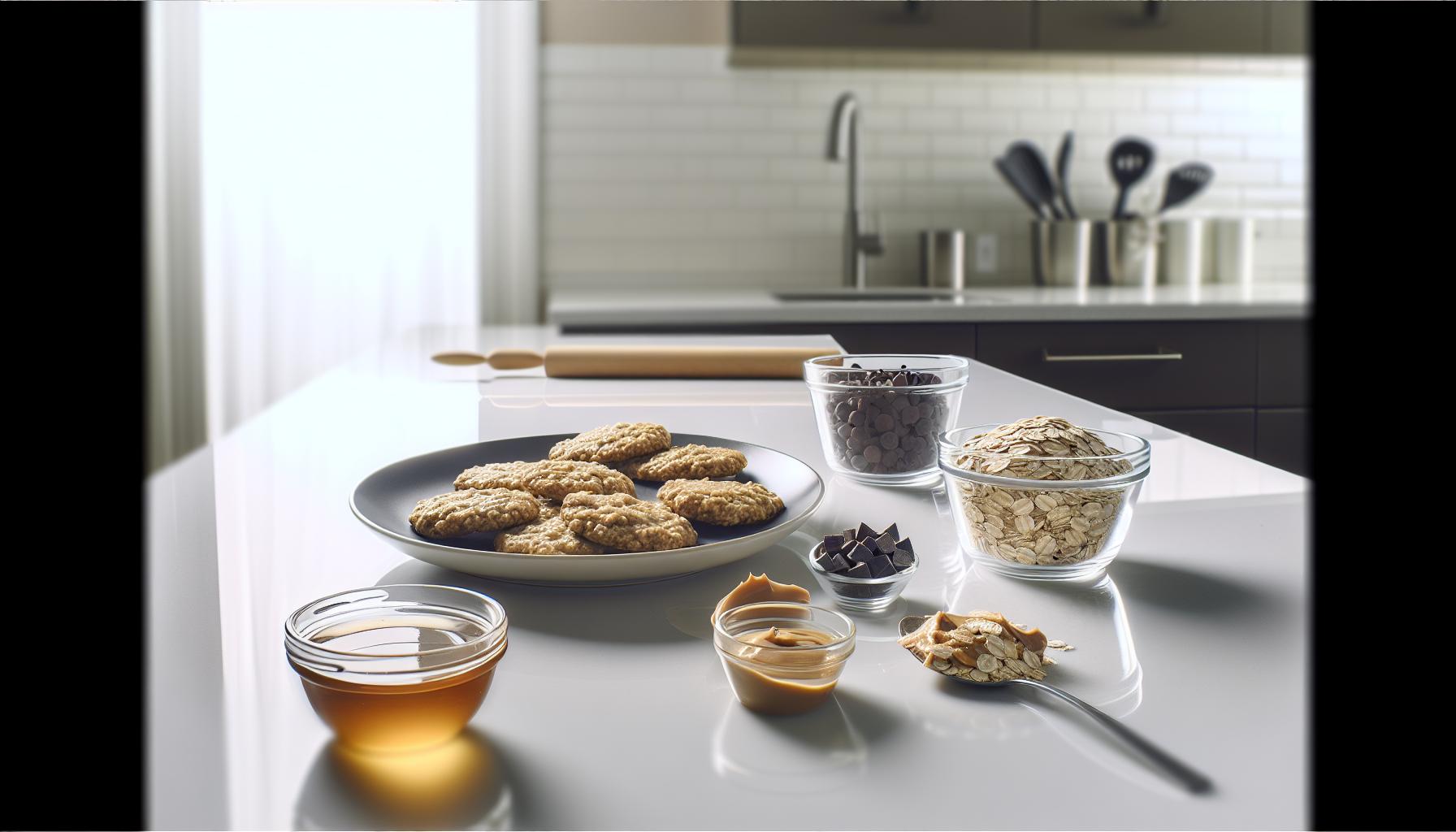
Essential Ingredients for Allergy-Safe Cookies
Creating tasty, no-bake oatmeal cookies without peanut butter opens up a world of allergy-safe sweetness that’s easy to whip up in no time. The key lies in choosing the right ingredients that not only cater to diverse dietary needs but also promise delightful flavors and textures. With a few simple swaps, you can craft cookies that everyone can enjoy, whether they’re gluten-free, nut-free, or following other dietary restrictions.
For the base of your cookies, you’ll want to focus on wholesome ingredients such as rolled oats. They provide the chewy texture we all love and offer additional nutritional benefits, including fiber. To sweeten your treats, opt for maple syrup or agave nectar, both of which are great alternatives to honey and refined sugars, making your cookies vegan-friendly, too. When it comes to binding and adding richness, coconut oil is a fantastic choice; it gives a subtle flavor while being nut-free. If you prefer, sunflower seed butter can take the place of nut-based options, adding creaminess without the risk of allergies.
Other ingredients can enhance both flavor and nutrition. Cocoa powder lends a rich chocolate taste without the guilt, while vanilla extract uplifts the overall profile with its aromatic goodness. Don’t forget a pinch of salt to balance the sweetness. You can also experiment with mix-ins like seeds, dried fruits, or dairy-free chocolate chips for added texture and flavor variation. Each ingredient you choose not only plays a role in taste but contributes to the overall health benefits of the cookies, making them a smart choice for snacks or treats.
Being mindful of allergies doesn’t mean sacrificing flavor or fun. Embrace the creative potential of your kitchen and explore the variations of your no-bake oatmeal cookies. They’re quick to prepare and allow for endless customization to cater to preferences and dietary needs!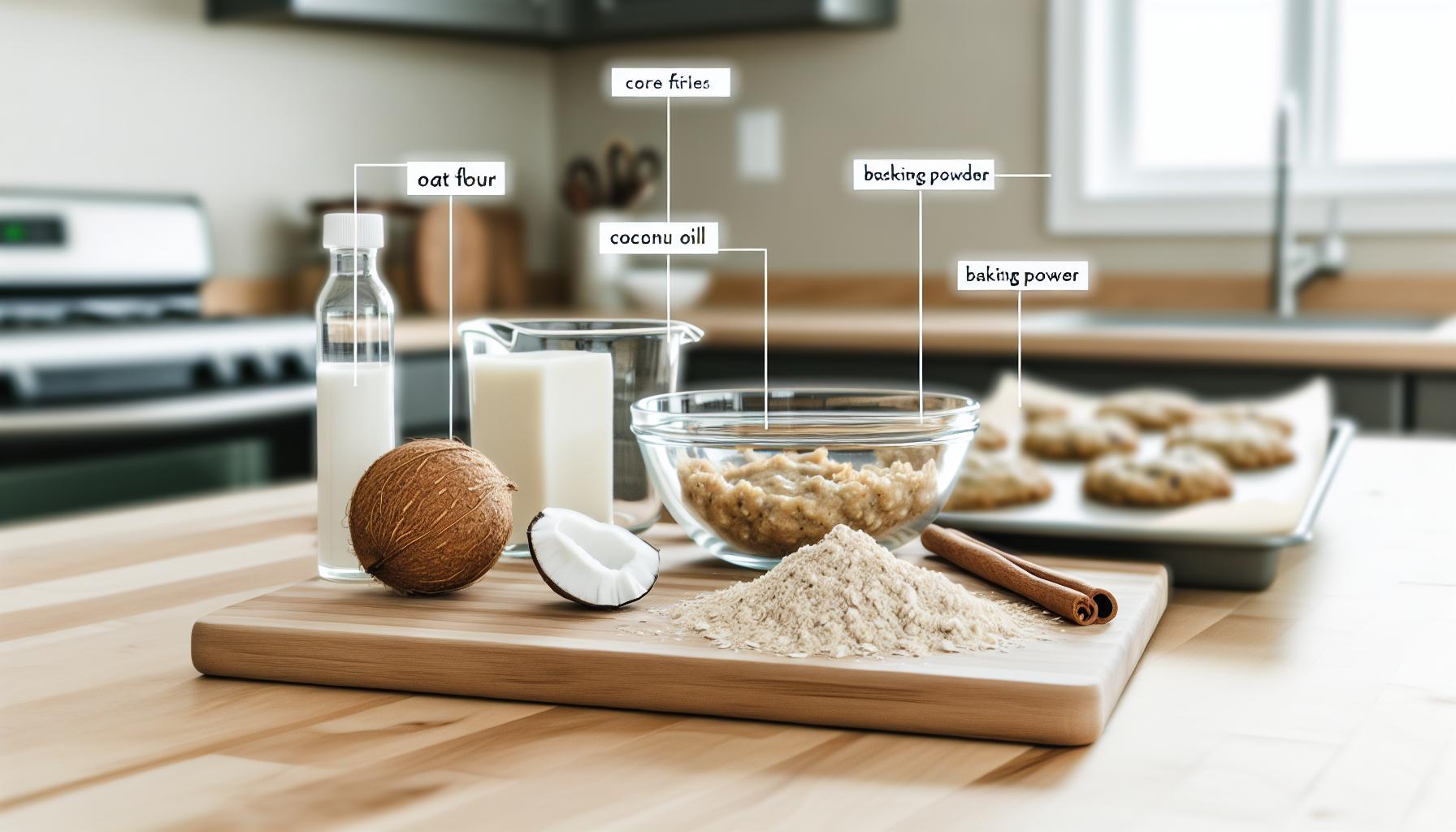
Substitutions for Common Ingredients: Finding Your Match
Crafting delicious no-bake oatmeal cookies without peanut butter can be a delightful adventure, especially as you explore ingredient substitutions that cater to various dietary needs and preferences. Whether you’re avoiding peanuts, gluten, or other allergens, finding the right replacements can lead to scrumptious results without sacrificing flavor or texture. Here’s a handy guide to help you navigate substitutions that make your cookie-making a breeze!
One of the most versatile swaps you can make is with the sweetener. If you’re aiming for a healthier or vegan-friendly option, consider using maple syrup or agave nectar instead of honey. Both alternatives provide a lovely sweetness, while also being perfect for those with strict dietary restrictions related to honey.
When it comes to binding and enriching your cookies, coconut oil is an excellent choice, giving your treats a wonderful flavor and making them completely nut-free. In place of peanut butter, good alternatives include sunflower seed butter or soy nut butter. These not only create a creamy texture but also cater to those with nut allergies, ensuring everyone can enjoy your cookies.
Another key ingredient often used in no-bake recipes is oats. If you’re looking for a gluten-free option, make sure to opt for certified gluten-free oats. These oats have the same wonderful chewyness while being safe for those with gluten sensitivities.
Additionally, flavor enhancers like cocoa powder or dairy-free chocolate chips can be used to add depth to your cookies without the need for traditional chocolate. A splash of vanilla extract can elevate the overall taste, and don’t forget a pinch of salt to balance the sweetness.
Experimenting with different mix-ins can also set your cookies apart. Consider dried fruits, or various seeds like pumpkin or chia, to add texture and extra nutrients.
By replacing common ingredients with these alternative options, your no-bake cookies can be made allergy-safe without compromising on taste. Embrace the flexibility of the recipe-after all, the best cookies are the ones crafted with love and a dash of creativity!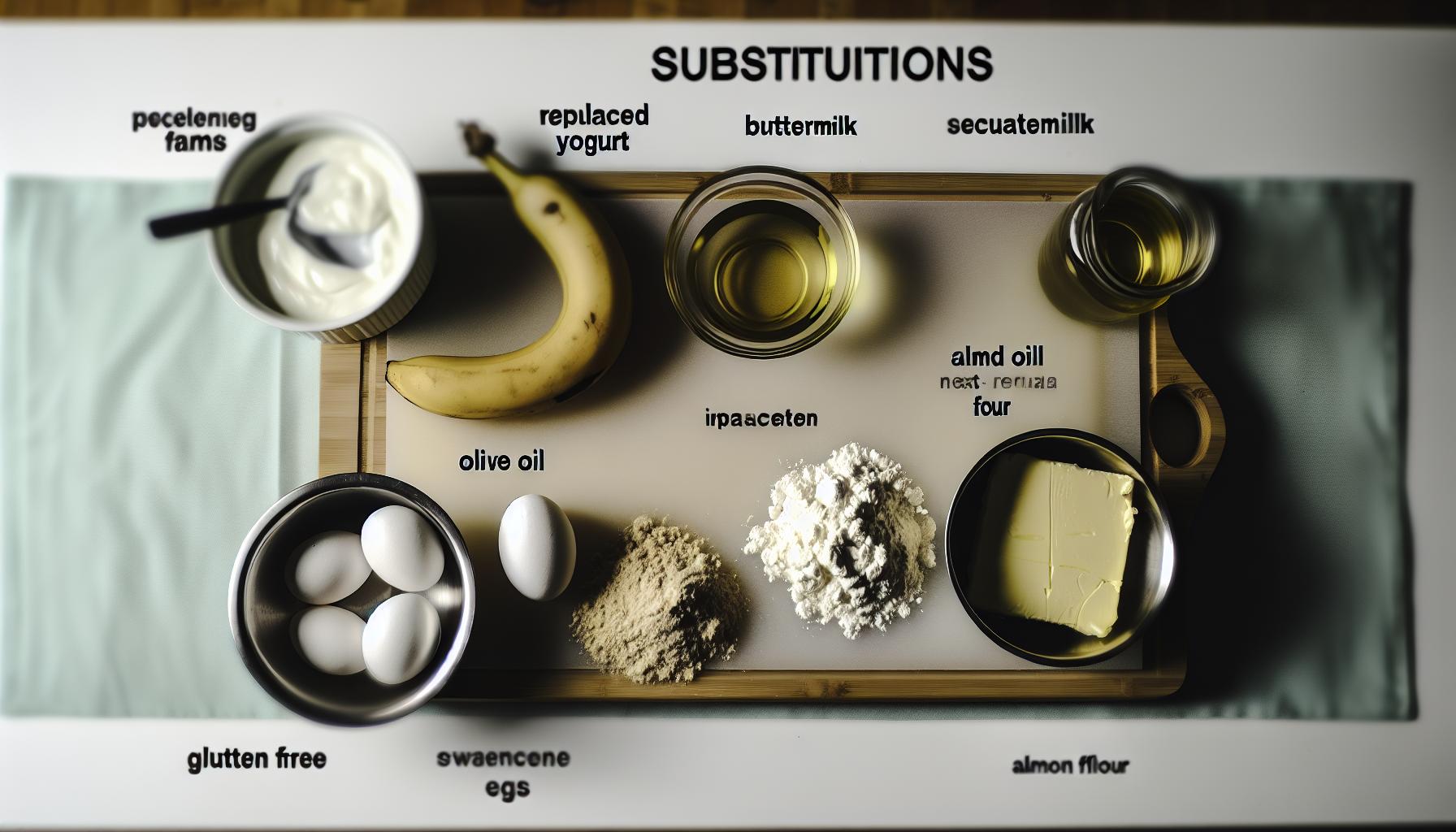
How to Achieve the Perfect Cookie Texture
Getting the texture right in no-bake oatmeal cookies can transform an ordinary treat into something truly delightful. The key to achieving the perfect cookie consistency lies in understanding how different ingredients work together. For starters, the balance between wet and dry ingredients is crucial. If your mixture is too wet, it won’t hold together; too dry, and it will crumble instead of forming a satisfying bite.
To create that creamy yet firm structure, using a combination of binding agents is essential. Items like sunflower seed butter or soy nut butter not only add richness but also help your cookies retain moisture without the use of peanut butter. Meanwhile, ingredients such as coconut oil deliver a smooth texture while enhancing flavor. When melting the oil, ensure it’s not too hot when mixing with oats and sweeteners, as this can alter the final texture.
Beyond binding, the choice of oats can significantly influence the texture. Rolled oats provide that hearty chewiness synonymous with oatmeal cookies, while quick oats can create a softer base. If you prefer a finer texture, consider pulsing rolled oats in a blender for a few seconds – this will yield a more flour-like consistency, allowing for a smoother bite. Remember to measure your oats correctly;too much can make the cookies dry and crumbly.
Lastly, don’t underestimate the power of chilling. After forming your cookies, let them sit in the fridge for at least 30 minutes. This step firms them up nicely and makes them easier to handle. Each bite should have that satisfying combination of chewiness from the oats and creaminess from your nut-free butters, culminating in a delicious and allergy-friendly treat that everyone can enjoy!
Creative Flavor Variations for No-Bake Cookies
Get ready to unleash your creativity in the kitchen with no-bake oatmeal cookies! These delightful treats are a blank canvas, ready to transform into various flavor sensations that will please every palate. In addition to the essential ingredients, adding unique flavors can elevate your cookies, making them truly one-of-a-kind. Here are some exciting variations to consider when aiming for that perfect bite.
Sweet and Fruity Twists
Infusing your cookies with fruity flavors is an easy way to add a refreshing twist. You can fold in ingredients like dried fruits, such as cranberries, apricots, or raisins, to pack a natural sweetness. For an added zing, try mixing in a tablespoon of orange or lemon zest; it brightens the flavor remarkably. Another fun idea is to substitute half of the oats with quick-cooking oatmeal and incorporate mashed bananas or applesauce for a moist, fruity base.
Chocolaty and Nutty Enhancements
If you’re a fan of chocolate, this is your moment! Cocoa powder or chocolate chips can seamlessly blend with your cookie mixture. For an allergy-safe option, use dairy-free chocolate. You could also experiment with carob chips as a nut-free alternative to traditional chocolate. To complement the chocolate, consider adding finely chopped nuts like almonds or walnuts, or even seeds such as sunflower or pumpkin for a delightful crunch. Remember to use nut butters like sunflower seed or tahini instead of peanut butter to keep things allergy-friendly.
Spices and Seasonings
Don’t overlook the magic of spices to enhance your no-bake cookies. A teaspoon of cinnamon or nutmeg can add warmth and depth, making your cookies feel cozy and inviting. For an autumn-inspired treat, add a sprinkle of pumpkin pie spice or chai seasoning. If you’re feeling adventurous, toss in a dash of cayenne pepper for a subtle heat that contrasts beautifully with the sweetness.
Experiment with Textures
Textural contrasts can also play a significant role in making your cookies exciting. Consider adding crispy rice cereal or crushed pretzels for an unexpected crunch. Chia seeds can offer a delightful chew, and shredded coconut gives a tropical flair. Embrace these crunchy elements to create an engaging eating experience that’s far from ordinary.
With all these variations at your fingertips, there’s no limit to the creativity you can explore. Remember, the key is to keep things fun and spontaneous. Adjust the sweetness or flavors according to your liking, and feel free to share your newfound creations with family and friends. Your no-bake oatmeal cookies will be the talk of the town, providing sweet moments of joy-all while being mindful of allergies and dietary preferences!
Healthy Add-Ins: Boosting Nutritional Value
Incorporating healthy add-ins into your no-bake oatmeal cookies can elevate their nutritional profile without compromising on flavor or fun. These little tweaks not only enhance the health benefits but also keep your cookies exciting with a range of textures and tastes. For those creating allergy-safe sweets, it’s a delight to discover that wholesome ingredients can work beautifully in harmony with the foundational oats and syrup.
Start by considering seeds as an excellent source of healthy fats, protein, and fiber. Chia seeds and flaxseeds are easy to sprinkle in, adding a nutty flavor while boosting omega-3 fatty acid content. Try including about 2 tablespoons of ground flaxseed or chia seeds into your mixture; it’s a simple way to enhance the overall texture, providing a slight crunch along with their health benefits.
Another fantastic add-in is coconut. Unsweetened shredded coconut can bring a chewy sweetness that complements the oats and provides additional fiber. To make your cookies more tropical, add half a cup of shredded coconut; it pairs well with chocolate flavors or fruity additions, creating a delightful contrast.
For an extra layer of nutrition, consider adding protein powder. A couple of tablespoons of unflavored or plant-based protein powder can help keep you feeling full longer. Opt for allergy-safe options like pea protein or rice protein to ensure everyone can enjoy these treats without worry. It won’t alter the cookie’s taste significantly, but it can significantly boost its nutritional value.
Lastly, nuts and nut butters can usually be a go-to for flavor and nutrients; however, to maintain allergy safety, switch to sunflower seed butter or pumpkin seed butter. These alternatives not only offer a creamy texture but also infuse your cookies with vitamins and minerals, making them a great safe choice. About a third of a cup mixed in can create a delightful richness that binds everything together beautifully.
Creating no-bake oatmeal cookies that are not only delicious but also packed with nutrient-dense ingredients is entirely achievable. With these healthy add-ins, you can craft treats that suit various dietary needs, ensuring everyone can relish in the joy of homemade cookie bliss!
Storing and Freezing No Bake Oatmeal Cookies
Storing no-bake oatmeal cookies properly can ensure they stay fresh and delicious for days or even weeks, making your sweet creations ready to enjoy anytime. These cookies, especially those without peanut butter, are versatile and safe for various dietary needs, but they still require care when it comes to storage.
For optimal freshness, let the cookies cool completely after they’ve set. Once they’re ready, place them in an airtight container. This will keep them soft and chewy without drying out. You can layer parchment paper between cookies to prevent them from sticking together. If you’re preparing them in batches, consider dividing the cookies into smaller containers; this way, you can grab just what you need without exposing the whole batch to air and moisture.
If you want to keep your no-bake cookies for an extended period, freezing them is a fantastic option. Start by wrapping each cookie individually in plastic wrap or aluminum foil. Then place them in a freezer-safe bag or container-this added layer of protection helps maintain their texture and flavor. When you’re ready to indulge, simply take out the desired number of cookies and let them thaw in the refrigerator or at room temperature. It’s a great way to have a sweet treat on hand whenever a craving strikes!
For those exploring flavor variations, be mindful that the add-ins can affect storage. For instance, cookies with fruits or chocolate might need more careful monitoring for freshness compared to those with drier ingredients. Always keep an eye (and nose) out for any signs of spoilage or changes in texture; fresh cookies should retain their delightful taste and appeal even when stored over longer periods.
Lastly, feel free to get creative with your storage solutions! A decorated jar or a fun container can make your cookies look as appealing as they taste, especially if you’re giving them as gifts. Your no-bake oatmeal cookies will not only bring joy to your kitchen but also to anyone fortunate enough to receive them!
No Bake Cookies for Kids: Fun and Safe Cooking
There’s something incredibly joyous about cooking with kids, especially when it involves making delicious no-bake oatmeal cookies! These treats are not only simple and fun to prepare but are also perfect for children, as they require no baking and can be customized to accommodate various allergies. Choosing a recipe without peanut butter ensures that even kids with nut allergies can safely join in on the fun, making it an inclusive and delightful kitchen activity.
To get started, gather all your ingredients on a clean countertop. You’ll need oats, agave syrup or honey, cocoa powder, a bit of vanilla extract, and your choice of add-ins like mini chocolate chips or dried fruit. Kids will love measuring ingredients, mixing them, and, of course, rolling the mixture into balls or pressing it into a pan. Encourage them to get creative! Let them choose their favorite components-maybe sprinkles would make them even more exciting!
Safety First: Since this recipe doesn’t require any cooking, supervision is minimal, but it’s still wise to keep an eye on younger children while they handle any sticky ingredients. You can also highlight the importance of washing hands before cooking to instill good hygiene habits.
After mixing, you can help them spoon the mixture onto parchment paper. This step is where the excitement builds as they see their creations take shape! Once the cookies are formed, they will need some time to set in the refrigerator, allowing everyone to anticipate the delicious results.
Involving children in the kitchen is a wonderful opportunity to teach them about healthy eating and experimenting with flavors. Not only do no-bake oatmeal cookies provide a sweet treat, but they also open discussions about nutrition, such as the benefits of oats. Make it a memorable experience, filled with laughter and learning, and you’ll have not only tasty cookies but also cherished family memories.
Common Mistakes to Avoid When Making No Bake Cookies
Making no-bake oatmeal cookies can be a delightful experience, but there are a few common missteps to watch out for to ensure your treats turn out perfectly every time. One of the most frequent mistakes is not measuring your ingredients accurately. Because the texture of no-bake cookies relies heavily on the right balance of wet and dry ingredients, using too much or too little can result in cookies that are either too crumbly or too sticky. To prevent this, use measuring cups and spoons, and consider weighing ingredients for precision.
Another pitfall is skipping the refrigeration step. Many beginner bakers underestimate the importance of letting the cookies set in the fridge. This crucial chilling time not only helps the cookies firm up but also allows the flavors to meld together. If you’re impatient and skip this, you might end up with a gooey mess rather than nicely formed cookies. Aim for at least 30 minutes in the fridge to achieve the best results.
Overmixing the dough is a common concern as well. When combining your ingredients, mix just until everything is incorporated. Overmixing can lead to tough cookies, resulting in a less-than-perfect texture. A gentle folding technique is often all that’s needed when adding in different ingredients like chocolate chips or dried fruit-this keeps your cookies soft and chewy.
Finally, don’t forget about the importance of taste testing! Using ingredients that you enjoy is key to making cookies you’ll love, so feel free to adjust flavors or even add in your own unique twists, like spices or extracts. Remember, no-bake cookies are forgiving and encourage experimentation. Embrace the creative process and encourage kids to do the same while having fun in the kitchen!
The Nutritional Benefits of Oatmeal Cookies
Oatmeal cookies are not just delicious; they pack a nutritional punch that’s hard to beat, especially when you’re making no-bake versions without peanut butter. One of the standout benefits of oatmeal is its high fiber content, which is essential for digestive health. With each bite of your no-bake creation, you’re indulging in a treat that promotes satiety and helps keep your gut happy-a perfect blend of indulgence and health!
Moreover, oats are a great source of complex carbohydrates that provide lasting energy, making these cookies an excellent option for busy days or when you need a quick snack. They contain various vitamins and minerals, such as iron, magnesium, and B vitamins, supporting overall wellness. Including ingredients like rolled oats in your recipe not only contributes to the texture but also elevates the nutritional profile of your cookies, ensuring that they’re both scrumptious and satisfying.
For those concerned about dairy or nut allergies, using alternatives such as almond milk or coconut oil can enhance the flavor without compromising safety. Options like flaxseed meal or chia seeds can also be added for an extra boost of omega-3 fatty acids and protein, making your cookies even more nourishing. This flexibility allows you to create a treat that is both delicious and considerate of various dietary needs.
Finally, making no-bake oatmeal cookies at home encourages creativity in the kitchen, empowering you to control what goes into your treats. You can experiment by adding healthy mix-ins, such as dried fruits or seeds, which can add layers of flavor and additional nutrients. The beauty of these cookies lies in their simplicity and the ability to customize them while ensuring they remain allergy-safe and health-conscious. Enjoy crafting your own creations that not only taste good but also nourish your body!
Serving Suggestions: Perfect Pairings for Your Cookies
When it comes to enjoying your no-bake oatmeal cookies, the right pairings can elevate your treat from delicious to delightful! Whether you’re serving these allergy-safe sweets at a gathering or simply treating yourself at home, there are several simple and satisfying ways to enhance your tasting experience.
Start with the classic combo of cookies and milk. For a twist, consider using alternatives like almond or oat milk, which not only complement the nutty flavors of your oatmeal cookies but also keep everything allergy-friendly. If you want to add a touch of indulgence, a scoop of dairy-free ice cream on the side makes for a delightful dessert. You could even crumble some of the cookies over your ice cream for an interesting texture contrast.
Another fantastic pairing is fresh fruit. Slices of banana or a handful of berries add a refreshing brightness that balances the rich flavors of the cookies. You could create a simple fruit salad with a splash of lemon or honey for sweetness, perfect to serve alongside your cookies during warm weather or gatherings.
For a more sophisticated touch, try pairing your cookies with a cup of herbal tea or coffee. The warm, comforting notes enhance the cookie’s flavors, creating a cozy experience. If you’re feeling adventurous, why not make a dipping station? Pour some tea or coffee into small cups and let everyone dip their cookies to their heart’s content-it’s a fun way to indulge!
Remember, the beauty of these no-bake treats lies in their versatility. You can experiment with toppings too; sprinkle some shredded coconut, nuts, or seeds on top of your cookies just before serving to add an extra crunch and visual appeal.
With these pairing ideas, every bite of your no-bake oatmeal cookies can be a mini celebration of flavor, creativity, and comfort. Enjoy the process of discovering what combinations you love most!
How to Customize Cookies for Dietary Needs
When it comes to no-bake oatmeal cookies, the beauty lies in their flexibility. With just a few simple ingredient swaps, you can create a delicious treat that meets a variety of dietary needs and preferences. Whether you’re navigating allergies or simply following a specific diet, there are plenty of ways to customize your cookies without compromising on taste or texture.
To start, consider the binding ingredient in your cookies. While traditional recipes often use peanut butter, you can easily replace it with alternatives like almond butter, sun butter (made from sunflower seeds), or even a simple banana mash for added sweetness and moisture. Each of these options brings its own unique flavor profile while also keeping your cookies nut-free if needed.
Another area to customize is the sweetener. Instead of using honey or traditional sugar, try maple syrup or agave nectar, both of which offer a different flavor and are suitable for vegans. If you’re looking to cut down on sugar, consider using a sugar substitute like stevia or erythritol. Just remember to adjust the quantity according to the specific substitute’s conversion guides.
When it comes to oats, there are also choices to make if gluten is a concern. Ensure your oats are certified gluten-free, as regular oats can often be contaminated with gluten. Additionally, you can incorporate puffed rice or quinoa for a unique twist that adds crunch and variety to your cookie’s texture.
Finally, boost the nutritional value of your no-bake cookies by adding seeds, such as chia or flaxseeds, and incorporating dried fruits like raisins or cranberries. These options not only enhance the overall health profile of your treats but also introduce new flavors and textures. With these simple adjustments, you can tailor your no-bake oatmeal cookies to ensure they are as delightful as they are inclusive, making them perfect for sharing at any gathering or enjoying at home!
Frequently asked questions
Q: What can I use instead of peanut butter in no bake oatmeal cookies?
A: You can substitute peanut butter with *sunflower seed butter*, *almond butter*, or *Soynut butter* for an allergy-safe option. These alternatives maintain similar textures and flavors while ensuring your no bake oatmeal cookies remain safe for nut allergies.
Q: How do I make no bake oatmeal cookies stick together without peanut butter?
A: To help your no bake oatmeal cookies stick together without peanut butter, use sticky ingredients like *honey*, *maple syrup*, or *agave nectar*. These sweeteners will bind the oats together while adding delicious flavor to your cookies.
Q: Can I use rolled oats instead of quick oats for no bake cookies?
A: Yes, you can use rolled oats instead of quick oats. However, you may need to *increase the binding agent* slightly or allow a longer setting time. Rolled oats will provide a heartier texture to your no bake cookies.
Q: How should I store no bake oatmeal cookies without peanut butter?
A: Store your no bake oatmeal cookies in an *airtight container* at room temperature for up to a week, or in the refrigerator for up to two weeks. For longer storage, freeze them, separating layers with parchment paper to prevent sticking.
Q: Why are my no bake cookies falling apart?
A: If your no bake cookies are falling apart, it may be due to insufficient binding ingredients or not chilling them long enough. *Ensure you use a suitable binding agent* and let the cookies set in the fridge for at least 30 minutes to firm up.
Q: Are no bake oatmeal cookies healthy?
A: Yes, no bake oatmeal cookies can be healthy! They are made with oats, which are high in fiber, and you can customize the sweetness and fats. Opt for natural sweeteners and healthy mix-ins, like *nuts or dried fruits*, to enhance nutritional value.
Q: How long does it take to set no bake oatmeal cookies?
A: It typically takes about *30 minutes to 1 hour* for no bake oatmeal cookies to set in the refrigerator. The chilling time allows the cookies to firm up, making them easier to handle.
Q: Can I add protein powder to my no bake oatmeal cookies?
A: Absolutely! Adding *protein powder* to your no bake oatmeal cookies can boost their nutritional profile. Start with one scoop of protein powder, and adjust other ingredients slightly, especially liquids, to maintain the desired consistency.
To Wrap It Up
You’ve just learned how to whip up delicious no-bake oatmeal cookies that are not only simple to make but also allergen-friendly! These treats are perfect for satisfying your sweet tooth while being safe for those with peanut allergies. If you’re worried about substitutions or variations, remember that experimenting in the kitchen adds a personal touch to your treats. Now is the perfect time to gather your ingredients and give this recipe a try-you won’t regret it!
For more scrumptious ideas, check out our guides on easy no-bake desserts and healthy snack alternatives. Don’t forget to sign up for our newsletter for exclusive recipes and tips straight to your inbox! We love hearing from you, so share your cookie photos and let us know how yours turned out in the comments below. Your creativity inspires others, and together, we can make the kitchen a fun and safe space for everyone!
Get our latest guides, news, and insights highlighted in your Google Search & AI Overviews.