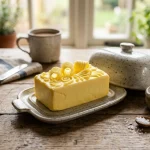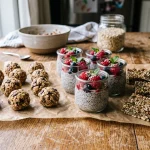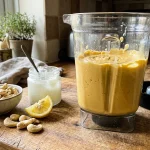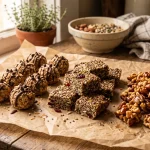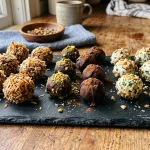

If you’re on the hunt for a delicious, nut-free spread that everyone can enjoy, sunflower seed butter is a game changer! Not only is it creamy and rich, but it’s also a fantastic option for those with nut allergies. Made from roasted sunflower seeds, this spread is not just versatile for sandwiches; it’s perfect for smoothies, baking, or simply enjoying with fruit. Plus, making it at home is easier than you might think, requiring just a few simple ingredients and minimal equipment. Dive into our sunflower seed butter recipe and discover how this simple, wholesome spread can elevate your meals and snacks, all while being allergy-friendly and packed with nutrients. Let’s create something delicious and satisfying together!
Choosing the Best Sunflower Seeds for Smooth Butter
When it comes to crafting smooth sunflower seed butter, the type of sunflower seeds you choose can make all the difference in texture and flavor. For the creamiest results, look for raw, unsalted sunflower seeds. These seeds are typically de-shelled and come with their natural oils intact, which help achieve that delightful, spreadable consistency. Avoid roasted or salted varieties, as these can introduce undesirable flavors and textures that may interfere with the creaminess you’re aiming for.
It’s also worthwhile to consider the variety of sunflower seed. Organic seeds are often a great choice because they are grown without synthetic pesticides, ensuring a cleaner taste and a healthier product. Some brands even offer hulled sunflower seeds, which have had their outer shells removed, saving you the hassle of preparing them yourself. When selecting seeds, check the packaging for freshness; this can impact both flavor and the quality of your butter.
For those who want to experiment, you might find sprouted sunflower seeds an interesting option. They can add a subtle sweetness and nuttiness to your butter while also enhancing its nutritional profile. However, keep in mind that any variations in seed type may necessitate slight adjustments in the blending process to achieve that perfect creamy texture. Embrace the journey of finding what works best for your taste and enjoy the creativity that homemade sunflower seed butter brings to your kitchen!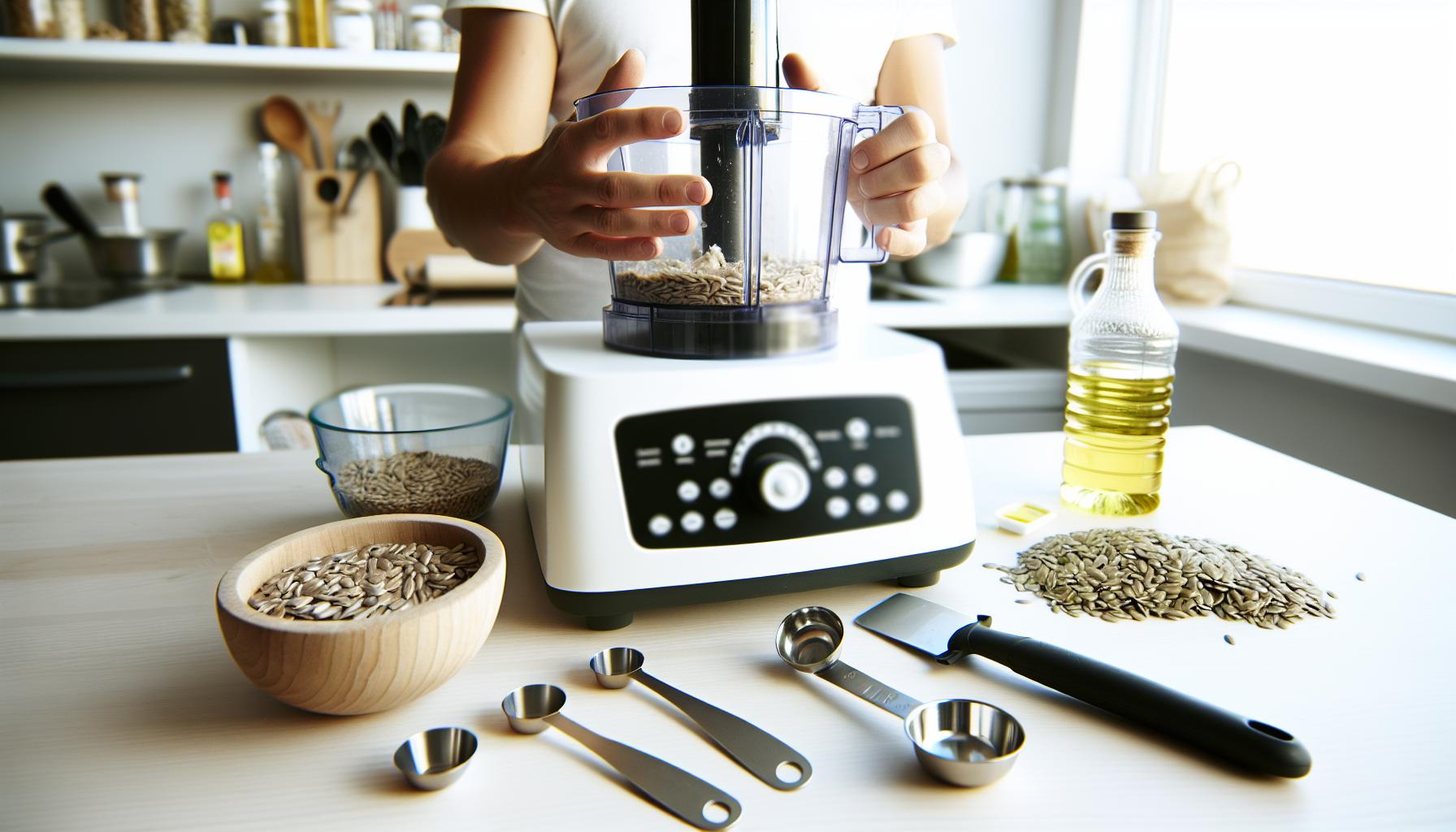
Essential Tools for Making Sunflower Seed Butter
To create delicious sunflower seed butter at home, having the right tools can make the process easier and more enjoyable. A few key pieces will set you up for success, allowing you to achieve that perfect creamy texture and rich flavor without feeling overwhelmed.
First and foremost, you’ll need a reliable food processor. This kitchen workhorse is essential for blending the seeds into a smooth consistency. A high-powered blender can also work in a pinch, but food processors typically offer better results for nut and seed butters due to their ability to handle the thicker mixtures without overheating. If you’re aiming for a really smooth butter, some brands even suggest using a high-speed blender, but this is not a requirement for everyone.
Another handy tool is a spatula. You’ll want it to scrape down the sides of your processor or blender as you go, ensuring that all the sunflower seeds are evenly incorporated into the butter. This extra step can make all the difference when it comes to achieving a consistent texture. If you’re preparing a larger batch, having an additional mixing bowl can give you more space to work as the mixture comes together.
For those who are just starting out, a simple measuring cup and measuring spoons will keep your ingredients precise, ensuring your sunflower seed butter turns out perfectly every time. Lastly, consider investing in an immersion blender if you’re looking for an even smoother consistency. This tool lets you process the butter directly in your jar for easy cleanup and minimal fuss.
By gathering these essentials, you will have everything you need at your fingertips to dive into making your nut-free sunflower seed butter. Enjoy the process, and let your creative side shine as you experiment with flavors and textures!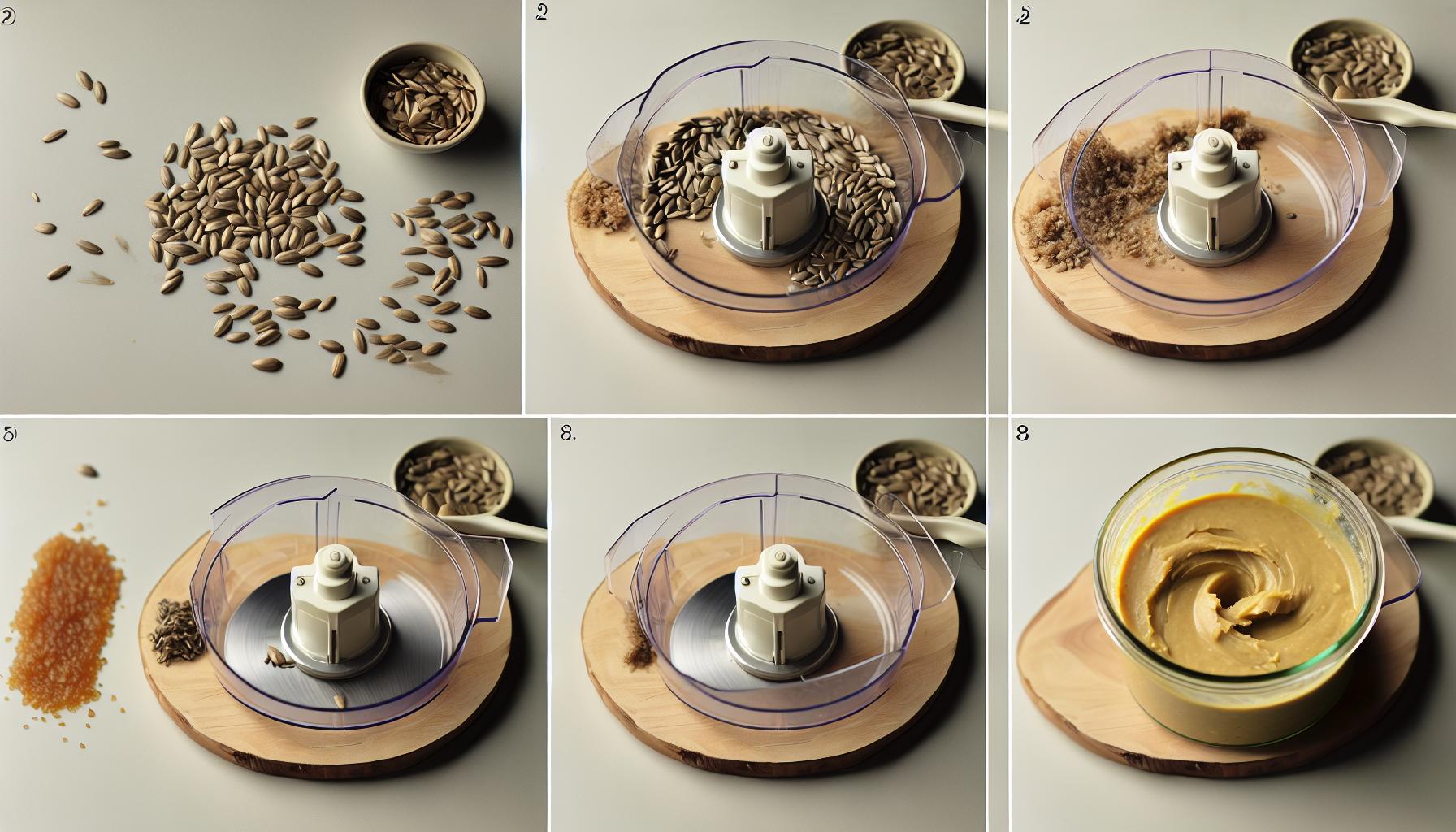
Step-by-Step Guide: Making Creamy Sunflower Seed Butter
To create your own creamy sunflower seed butter, you’ll find that the process is simple, and the results are incredibly rewarding. First, gather your ingredients and tools. You will need raw sunflower seeds, typically about 2 cups, and a pinch of salt if you desire. Optional additions might include a sweetener like honey or maple syrup, or flavors like vanilla or cinnamon to elevate the taste.
Start by preheating your oven to 350°F (175°C). Spread the sunflower seeds evenly on a baking sheet, and roast them for about 10-12 minutes. Roasting enhances their nutty flavor, making for a more delicious butter. Keep an eye on them, as you want a light golden color, not brown.
After roasting, let the seeds cool for a few minutes before transferring them to your food processor. Here’s where the magic starts! Blend the seeds on high speed. At first, they will grind into a crumbly texture, but don’t fret; this is part of the process. Just keep blending, and after about 5-10 minutes, you will notice the mixture getting smoother and creamier. At this point, scrape down the sides of your processor with a spatula to ensure even blending.
If you find your sunflower seed butter is too thick, you can add a tablespoon or two of a neutral oil, like sunflower or grapeseed oil, to achieve your desired consistency. Once it’s creamy and smooth, taste it! Adjust with salt or sweeteners according to your preference. Transfer your butter to a jar, and it’s ready to enjoy!
Making sunflower seed butter at home is not only economical, but it also allows you to customize it precisely to your liking. It’s ideal for spreads, baking, or even straight from the spoon. Celebrate your homemade creation and share it with friends and family; they’ll be impressed with your delicious, nut-free spread!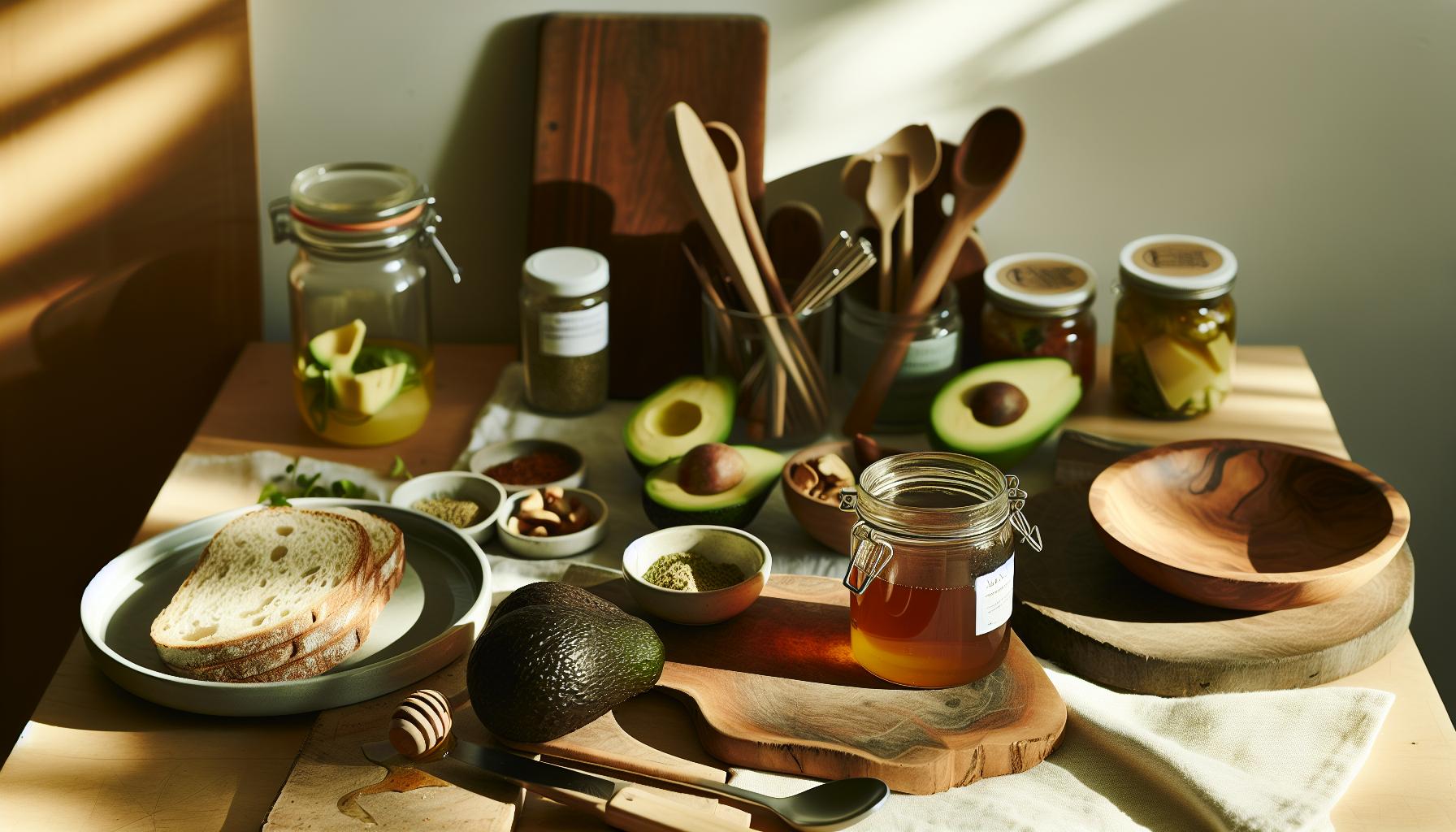
Flavor Enhancements: Sweet and Savory Additions
Creating sunflower seed butter is a delightful experience, and flavoring it can elevate your homemade spread into something truly special. Whether you’re leaning towards sweet or savory enhancements, there’s a world of possibilities to explore right in your kitchen!
For those who enjoy a touch of sweetness, consider adding a drizzle of raw honey or pure maple syrup. Start with a tablespoon and blend it in; you can always adjust to your taste. Cinnamon and vanilla extract can also work wonders-just a teaspoon of each adds warmth and depth. If you want to get a bit fancy, a pinch of sea salt will enhance the sweetness beautifully.
If savory is more your style, think outside the box! A sprinkle of smoked paprika or a dash of garlic powder can create a unique twist, adding a savory kick perfect for spreading on toasts or pairing with vegetables. You might even try mixing in finely chopped fresh herbs like parsley or basil for a refreshing herbal note that can double as a sandwich spread or dip.
Experimenting with these additions not only makes your sunflower seed butter delicious but also personalizes it to match your palate. Remember, it’s all about fun and creativity-so don’t hesitate to try new combinations!
Storage Tips: Keeping Your Sunflower Seed Butter Fresh
To keep your homemade sunflower seed butter fresh and delicious, proper storage is key. Sunflower seed butter is not only a fantastic alternative to nut butters but is also packed with nutrients. However, like any homemade spread, it can spoil if not stored correctly.
Firstly, the ideal storage container is one that is airtight; glass jars or BPA-free plastic containers work beautifully. These containers limit exposure to air, which can cause the oils to oxidize and the flavor to diminish over time. Be sure to clean your storage container thoroughly before filling it to prevent any unwanted flavors from mingling. For the best results, transfer your sunflower seed butter to the fridge as soon as it’s cooled down, if you’ve just made a batch. Refrigeration keeps it fresh for up to a month, and many find that the flavors continue to develop over time.
Freezing for Longevity
If you want to extend the shelf life even further, consider freezing your sunflower seed butter. This is a great option if you’ve made a large batch. Portion it into smaller containers or freezer-safe bags, leaving a little space for expansion. When ready to use, simply thaw it in the refrigerator overnight. Note that upon thawing, you may need to stir it to recombine any separated oils.
Keep an Eye Out
Always check for signs of spoilage before using your sunflower seed butter. If you notice any off smells, mold, or an unusual change in texture, it’s best to err on the side of caution and discard it. To maintain freshness, try to use clean utensils each time you scoop out some butter, as introducing moisture can lead to mold growth.
By following these simple storage tips, you can enjoy your creamy sunflower seed butter at its best, ready to enhance your favorite recipes or simply spread on your morning toast!
Creative Uses for Sunflower Seed Butter in Recipes
Sunflower seed butter is not just a fantastic spread for bread; it can be a versatile ingredient that adds creaminess and flavor to a multitude of dishes. Whether you’re drizzling it over pancakes, blending it into smoothies, or incorporating it into savory meals, the nut-free delight can elevate your culinary creations effortlessly. Here are some imaginative ways to include sunflower seed butter in your cooking.
Start your day with a twist by adding sunflower seed butter to your morning oatmeal or yogurt. A dollop on top of warm oatmeal adds rich creaminess and a nutty flavor that pairs beautifully with fresh fruit or a drizzle of honey. You can also blend a spoonful into your smoothie for an extra protein boost; it thins nicely when mixed with liquids and makes the drink satisfyingly creamy.
For those looking for a savory route, sunflower seed butter can shine in sauces and dressings. Whisk together sunflower seed butter, apple cider vinegar, soy sauce, and a touch of maple syrup for a quick and delicious salad dressing. This mixture brings a unique taste that can enhance any leafy green or grain-based salad. It can also serve as an excellent base for a dipping sauce-just mix it with garlic, lime juice, and a little chili paste for a zesty dip for fresh veggies or rice paper rolls.
Baking with sunflower seed butter is another exciting avenue. Incorporate it into cookies or muffins for added moisture and a nutty flavor. Substitute sunflower seed butter for peanut butter in your favorite recipes-think classic peanut butter cookies or even energy balls-for a school-safe, allergen-friendly treat that everyone can enjoy.
Don’t forget the potential for savory dishes too! A sunflower seed butter curry can be a delightful surprise. Combine it with coconut milk, spices, and your favorite vegetables for a creamy, comforting dish that can be served over rice.
With these creative uses, sunflower seed butter isn’t just a stand-alone condiment; it’s a versatile ingredient that can bring richness and depth to both sweet and savory recipes. Embrace this nut-free delight in your kitchen, and allow your creativity to flow!
Comparing Sunflower Seed Butter with Other Nut Butters
When it comes to nut butters, sunflower seed butter stands out as a flavorful and versatile option, especially for those with nut allergies. It’s not only creamy and delicious, but it also holds its own against popular nut butters like almond and peanut. One of the first things to note is that sunflower seed butter offers a robust taste that is slightly earthier than peanut butter, making it an exciting alternative in various recipes.
Comparing nutritional profiles can be eye-opening. Sunflower seed butter, for example, is rich in vitamin E, magnesium, and antioxidants, providing a heart-healthy boost. In contrast, peanut butter is higher in protein and typically has more folate. Meanwhile, almond butter brings a nice dose of calcium and fiber to the table. Here’s a glance at key nutritional aspects:
| Type | Protein (per 2 tbsp) | Vitamin E | Calories | Fat (g) |
|---|---|---|---|---|
| Sunflower Seed Butter | 6g | 3.5mg | 200 | 18g |
| Peanut Butter | 8g | 0.5mg | 190 | 16g |
| Almond Butter | 7g | 4.5mg | 200 | 18g |
Texture is another important factor. Sunflower seed butter is often creamier due to its high oil content, which makes it easy to spread and mix into recipes, mimicking the qualities of peanut butter. For those making energy balls or sauces, sunflower seed butter incorporates smoothly, bringing a delightful nostalgia similar to that beloved PB&J, but with a twist of caution for allergy sufferers.
Also, consider taste profiles when switching between these options. While peanut butter is sweet and slightly salty, and almond butter leans towards a sweet, nutty profile, sunflower seed butter can add a unique flavor to baked goods and savory dishes alike. For example, it can replace peanut butter in most recipes without losing the essence of flavor, making it a perfect choice for school lunches or snacks that need to be nut-free.
In summary, whether you’re making creamy spreads, energy bars, or dressings, sunflower seed butter is an excellent alternative that accommodates various dietary needs while offering distinct flavors and nutritional benefits. With a little creativity, you can elevate your kitchen creations beyond the traditional nut butters, making room for this delightful spread!
Health Benefits of Sunflower Seed Butter Explained
Sunflower seed butter is not just a delightful spread; it’s a nutritional powerhouse that can enrich your diet! Packed with beneficial nutrients, it serves as an excellent alternative to traditional nut butters, particularly for those navigating nut allergies. One of the standout features of sunflower seed butter is its high content of vitamin E, a potent antioxidant that supports skin health and helps protect against oxidative stress. Just a couple of tablespoons can provide you with about 20% of your daily recommended intake.
Regularly incorporating sunflower seed butter into your meals can also be advantageous for heart health. It’s rich in healthy fats, including polyunsaturated and monounsaturated fats, which are known to support cardiovascular function. This butter offers approximately 18 grams of total fat per serving, making it a heart-friendly option when enjoyed in moderation. Moreover, magnesium-a mineral that plays a crucial role in maintaining normal muscle and nerve function-is also abundant in sunflower seeds, further contributing to your overall well-being.
Additionally, sunflower seed butter contains a variety of essential nutrients, including iron, which is vital for the production of red blood cells, and B vitamins that aid in energy production and brain function. The protein content is a nice bonus, too, offering about 6 grams per serving. This makes it a satisfying choice for those looking to boost their protein intake without turning to nut-based products.
To make the most of sunflower seed butter, consider trying it in a variety of recipes. Spread it on whole grain bread for a quick breakfast, use it in smoothies for a creamy texture, or incorporate it into savory dressings for a unique twist. Embracing this versatile ingredient not only adds flavor to your dishes but also supports your health with each delicious bite!
Allergy-Friendly Recipes Featuring Sunflower Seed Butter
Sunflower seed butter is a fantastic alternative for those craving a nut-free spread that still delivers on flavor and nutrition. If you or your loved ones need to avoid nuts, there are plenty of delicious recipes that highlight the versatility of sunflower seed butter while ensuring everyone can enjoy them without worry. From snacks to meals, this creamy spread can fit right into your culinary repertoire.
Sunflower Seed Butter Energy Bites
Start your day with these easy energy bites that pack a punch. Simply mix 1 cup of sunflower seed butter, 2 cups of rolled oats, 1/2 cup of honey or maple syrup, and 1/2 cup of mini chocolate chips (use dairy-free chips if desired). Roll into bite-sized balls and refrigerate for a few hours until firm. These bites are not only quick to make but also perfect for snacking on the go.
Sunflower Seed Butter Banana Smoothie
For a refreshing breakfast or post-workout treat, blend together 1 banana, 2 tablespoons of sunflower seed butter, 1 cup of milk or a dairy-free alternative, and a handful of spinach for an extra nutrient boost. This smoothie is not just creamy and delicious but also packed with protein, making it a satisfying option to start your day.
Sunflower Seed Butter Dressing
Elevate your salads with a quick and easy sunflower seed butter dressing. Combine 3 tablespoons sunflower seed butter, 2 tablespoons apple cider vinegar, 1 tablespoon soy sauce, 1 tablespoon honey, and 1-2 tablespoons of water to thin it out to your desired consistency. Drizzle over fresh greens and enjoy a nut-free, flavorful dressing that complements any salad!
These recipes highlight how sunflower seed butter can seamlessly fit into various dishes, making meal prep simple and enjoyable. Whether you’re in the mood for a snack, a breakfast boost, or a fresh salad dressing, sunflower seed butter can do it all. Embrace the creativity in your kitchen and enjoy the nut-free goodness!
Troubleshooting Common Issues When Making Sunflower Seed Butter
Making sunflower seed butter is generally straightforward, but occasionally, you might encounter some hiccups along the way. Here are some common issues you might face and simple solutions to keep you on track for that creamy, nut-free delight.
Sometimes, your sunflower seed butter might turn out a bit too thick or gritty, preventing that smooth texture you crave. If this happens, don’t worry! Simply add a teaspoon of oil (such as sunflower oil or coconut oil) at a time, blending after each addition, until you reach your desired consistency. This little trick can help emulsify the mixture and achieve that creamy richness.
Another common challenge is overheating your machine, especially if you’re using a food processor. These appliances can get warm quickly, which can affect the texture of your sunflower seed butter. If you notice excessive heat, pause to let your processor cool down every few minutes. Additionally, try mixing the seeds during processing to ensure they blend evenly and don’t clump together.
You might also find that your butter lacks flavor or depth. This can be easily remedied! Add a pinch of salt to enhance the taste. For a touch of sweetness, consider incorporating a bit of honey or maple syrup. These enhancements can transform your sunflower seed butter from simple to sensational, making it a delightful spread.
Lastly, if you end up with a batch that’s too oily, it often means the seeds have released too much oil during blending. To fix this, try blending more sunflower seeds into the mix. This will help absorb some of that excess oil, bringing back balance to your butter.
Remember, making sunflower seed butter is a fun and experimental process. Don’t be afraid to adjust and tweak the ingredients as you go. With a little practice and creativity, you’ll find that perfect recipe that suits your taste. Enjoy the journey of making your own nut-free butter!
Variations on Classic Sunflower Seed Butter Recipes
Sunflower seed butter is incredibly versatile, and once you’ve mastered the classic recipe, there’s a whole world of delicious variations to explore! Whether you’re looking to spice things up or add some sweetness, these creative twists can elevate your homemade spread from ordinary to extraordinary.
Add flavor with spices and herbs
One of the simplest ways to enhance your sunflower seed butter is to incorporate spices or herbs. Imagine the warmth of cinnamon or a dash of nutmeg mingling with the nutty flavor. Here are a few suggestions to consider:
- Cinnamon and Vanilla: Add 1 tsp of ground cinnamon and a splash of vanilla extract for a warm, comforting flavor.
- Smoky Paprika: For a savory twist, blend in 1/2 tsp of smoked paprika and a pinch of garlic powder.
- Herbs: Try a teaspoon of dried rosemary or thyme for a more adventurous spread.
Dreamy sweet variations
If you’re craving something on the sweeter side, think about incorporating natural sweeteners or spices to satisfy your taste buds. Here are delightful additions to whip up a sweeter version:
- Honey or Maple Syrup: Blend in 1-2 tablespoons of honey or maple syrup to accentuate the flavor without overpowering it.
- Cocoa Powder: For a chocolatey treat, add 2 tablespoons of unsweetened cocoa powder, perfect for spreading on toast or drizzling over fresh fruit.
- Dried Fruit: Mash in small bits of dried figs, dates, or raisins to add natural sweetness and texture.
Nut-Free Alternatives
For those seeking alternatives to popular nut flavors, consider infusing your sunflower seed butter with flavors reminiscent of other nut butters:
- Almond Extract: A drop or two can give your sunflower spread a distinct nutty profile.
- Cashew Cream: For a creamier texture, mix in cashew cream. Just blend equal parts soaked cashews and water, then fold it into your sunflower butter.
Trying these variations can add new life to your sunflower seed butter, allowing you to enjoy something unique each time. Remember, the key is to start small with your additions, tasting as you go to achieve the perfect balance of flavors. With these creative options, your sunflower seed butter can be anything from a sweet treat to a zesty dip, perfect for sandwiches, fruit, or just spooning directly from the jar! Enjoy the process and let your kitchen creativity shine!
Frequently Asked Questions
Q: How do you make sunflower seed butter with a food processor?
A: To make sunflower seed butter with a food processor, roast 2 cups of sunflower seeds at 350°F for 10-15 minutes. Then, blend the seeds in the processor for 5-10 minutes, stopping to scrape down the sides. Add salt or sweeteners for flavor. Enjoy your smooth homemade butter!
Q: Can I sweeten my sunflower seed butter? If so, how?
A: Yes, you can sweeten sunflower seed butter by adding honey, maple syrup, or agave nectar while blending. Start with 1-2 tablespoons and adjust to taste. This can enhance the flavor for spreads or dessert recipes-perfect for creative culinary uses!
Q: What can I substitute for oil in sunflower seed butter?
A: If you prefer to omit oil in your sunflower seed butter, try adding a little water or a splash of vanilla extract to achieve a creamier texture. This keeps the mixture smooth and enhances its flavor. For more variations, check out the section on Flavor Enhancements in the main article!
Q: How long can homemade sunflower seed butter last?
A: Homemade sunflower seed butter can last up to 2 weeks at room temperature or 3 months in the fridge. Store it in an airtight container to maximize freshness. For storage tips, refer to the relevant section in the article.
Q: Is sunflower seed butter suitable for baking?
A: Yes, sunflower seed butter is suitable for baking! It can replace nut butters in most recipes like cookies and brownies. Just ensure you’re adhering to any necessary adjustments for liquid content. Explore creative uses in the article for more ideas!
Q: Why is sunflower seed butter a good alternative to nut butter?
A: Sunflower seed butter is an excellent alternative because it’s nut-free, making it safe for those with nut allergies. It also offers numerous health benefits, including high vitamin E and magnesium content. Learn more about these benefits in our Health Benefits section.
Q: How can I troubleshoot graininess in my sunflower seed butter?
A: If your sunflower seed butter appears grainy, blend it longer in the food processor. Additionally, adding a small amount of oil or water can help achieve a creamier consistency. For more troubleshooting tips, see the Troubleshooting Common Issues section.
Q: Can I add spices to my sunflower seed butter? Which ones work best?
A: Absolutely! Spices like cinnamon, nutmeg, or cocoa powder enhance the flavor of sunflower seed butter. Add them during blending for a unique twist. For detailed suggestions, refer to the Flavor Enhancements section in the article!
In Summary
Thanks for joining me in making a delicious, nut-free sunflower seed butter that’s not just easy to whip up but also versatile and creamy! Remember, you can experiment with flavors by adding ingredients like vanilla or cocoa powder to personalize it to your taste. Don’t forget to store your sunflower seed butter in an airtight container to keep it fresh and at its best.
If you loved this recipe, why not explore our other easy spreads, like a chocolate hazelnut spread or homemade creamy almond butter? You’ll find all the tips you need for successful homemade creations. Plus, sign up for our newsletter to receive more unique recipes and kitchen hacks directly in your inbox!
What’s your favorite way to use sunflower seed butter? Share your thoughts in the comments below! Keep experimenting and enjoy being the chef in your own kitchen. Your culinary adventure doesn’t have to stop here-let’s keep cooking together!
Get our latest guides, news, and insights highlighted in your Google Search & AI Overviews.