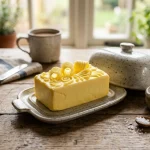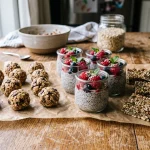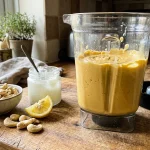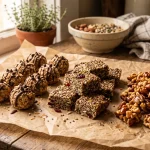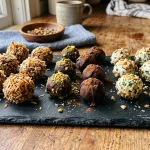

Coconut butter is a dream come true for anyone looking to add a creamy, tropical twist to their meals and snacks. This spreadable delight is just pure coconut flesh blended until silky smooth, making it perfect for spreading on toast, drizzling over fruit, or incorporating into your favorite recipes. Did you know that coconuts are not true nuts but actually seeds of drupes? This unique fruit is packed with healthy fats and essential nutrients, offering a delicious alternative to traditional butters in a multitude of ways. Whether you’re vegan, lactose-free, or simply curious about incorporating more plant-based options into your diet, making your own coconut butter is not only simple but also incredibly satisfying. In this recipe, I’ll guide you step-by-step through creating your own batch. So, roll up your sleeves and let’s turn those coconuts into a smooth, delightful treat that you’ll want to use every day!
The Benefits of Using Coconut Butter

Coconut butter is not just a delightful spread; it packs a punch when it comes to health benefits and culinary versatility. This creamy concoction is made by blending the whole coconut flesh into a smooth, rich butter that shines in both flavor and nutrition. Whether you’re spreading it on toast, adding it to smoothies, or using it in baking, the advantages of incorporating coconut butter into your diet are substantial.
One of the key benefits is its rich content of medium-chain triglycerides (MCTs), a type of healthy fat that can provide your body with quick energy. MCTs are known to boost metabolism and may aid in weight management-a fantastic benefit for those looking to maintain a healthy lifestyle. Moreover, coconut butter retains the fiber from the coconut meat, which can support digestive health and promote a feeling of fullness. This makes it a smart addition to your meals and snacks, helping to curb cravings and keep you satisfied longer.
Furthermore, coconut butter is cholesterol-free and suitable for various dietary preferences, including vegan and paleo diets. Its natural, wholesome ingredients appeal to those looking for healthier alternatives to traditional butters or spreads that may contain unhealthy trans fats. When you make your own coconut butter at home, you can enjoy the delightful flavor without any additives or preservatives. The creamy texture and delightful taste can elevate a simple dish to gourmet status, making your kitchen experiments even more enjoyable.
In summary, incorporating coconut butter into your recipes not only enhances flavor but also contributes to a balanced diet filled with healthy fats and fiber. Whether for its health benefits or its versatility in cooking, coconut butter can be a delicious way to enrich your culinary experiences.
Essential Ingredients for Homemade Coconut Butter

To craft your own homemade coconut butter, you only need a couple of essential ingredients that play a pivotal role in achieving that creamy, delectable spread. The star of the show is, of course, unsweetened shredded coconut, which forms the base of your butter. Look for high-quality, organic shredded coconut to ensure rich flavor and optimal texture. This ingredient is usually available at health food stores or even your local grocery store.
Another helpful addition is a pinch of salt. While optional, a tiny sprinkle enhances the flavor profile and balances the sweetness of the coconut, giving your butter just the right touch. If you like experimenting with flavors, you might also consider adding a splash of vanilla extract or even a drizzle of raw honey for a hint of sweetness, but again, this is entirely up to your taste preferences.
For equipment, you won’t need anything fancy-just a good-quality blender or food processor that can handle hard ingredients. Keep in mind, the fresher the coconut, the smoother your final product will be, so sourcing fresh shredded coconut is crucial. With these basic ingredients in hand, you’re set to embark on your coconut butter-making adventure!
Step-by-Step Guide to Making Coconut Butter
Making coconut butter at home is not just simple; it’s a fun kitchen project that rewards you with a deliciously creamy spread. This versatile butter is made entirely from coconut, capturing its rich, tropical flavor and health benefits. Once you see how easy it is to whip up, you’ll wonder why you didn’t try it sooner!
Start by measuring out about 2 to 4 cups of unsweetened shredded coconut. The amount depends on how much butter you want to make, and remember, the fresher the coconut, the better your butter will taste. Place the shredded coconut into a good-quality blender or food processor. If you have a high-powered blender, that’s perfect! If not, don’t worry-any decent blender will do; just be patient as the process may take a little longer.
Blend the coconut on high speed, scraping down the sides of the container every minute or so to ensure an even consistency. Initially, you’ll notice that the shredded coconut turns into a fine powder, but keep blending! After a few minutes, it will begin to clump together and form a thick paste. Don’t rush this process; it usually takes about 5 to 10 minutes depending on your equipment. The key is to let the heat from the friction help break down the coconut’s natural oils.
When you achieve a smooth, creamy consistency, you can enhance the flavor by adding just a pinch of salt, a splash of vanilla extract, or even a drizzle of honey for sweetness, if desired. Blend again to incorporate these flavors, and taste your creation-feel free to adjust the flavorings to your liking! Finally, transfer your coconut butter into a clean, airtight jar and store it in the fridge. It will thicken as it cools, resulting in a spreadable delight that’s ready to enjoy!
Tips for Achieving the Perfect Spreadable Consistency
Achieving a perfectly spreadable coconut butter requires a little patience and some thoughtful steps. If you’ve ever experienced the frustration of thick or grainy coconut butter, fear not! With the right techniques, you can create a smooth and creamy delight that spreads easily over toast, pancakes, or any of your favorite treats.
First, the temperature is crucial. Coconut butter can harden when it’s cold, so if you’ve stored it in the fridge, consider letting it sit at room temperature for about 30 minutes before you attempt to use it. If it’s still too firm, gently warming it in a water bath can help soften it up. Just place the jar in a bowl of hot water, ensuring that no water gets inside, and let it sit for several minutes. This method helps maintain that lovely, creamy texture while avoiding overheating.
Next, during the blending process, don’t skip the scraping down of the sides. As the coconut breaks down, it can cling to the container’s walls, leading to uneven consistency. Stop the blender every minute or so, scrape down those sides, and start blending again. The friction and heat created by your blender will help fully break down the coconut until it reaches that luscious, creamy state. If your equipment struggles, add a tiny bit of coconut oil to ease the blending process.
For those who enjoy a bit of flavor, you can also enhance the spreadable quality by incorporating additives like a pinch of salt or a splash of vanilla extract at the blending stage. These additions not only bring out the coconut flavor but also help create a smoother texture as the flavors meld together beautifully while blending.
Lastly, remember to store your coconut butter in an airtight container, preferably glass, to maintain freshness. Keeping it in a cool, dark place helps preserve its spreadable nature. If you find a texture change after it’s been stored for a while, a quick reblend can revitalize its creamy goodness. Embrace the process, and you’ll soon be smearing this delightful treat on everything you can think of!
Creative Flavors: Infusing Coconut Butter
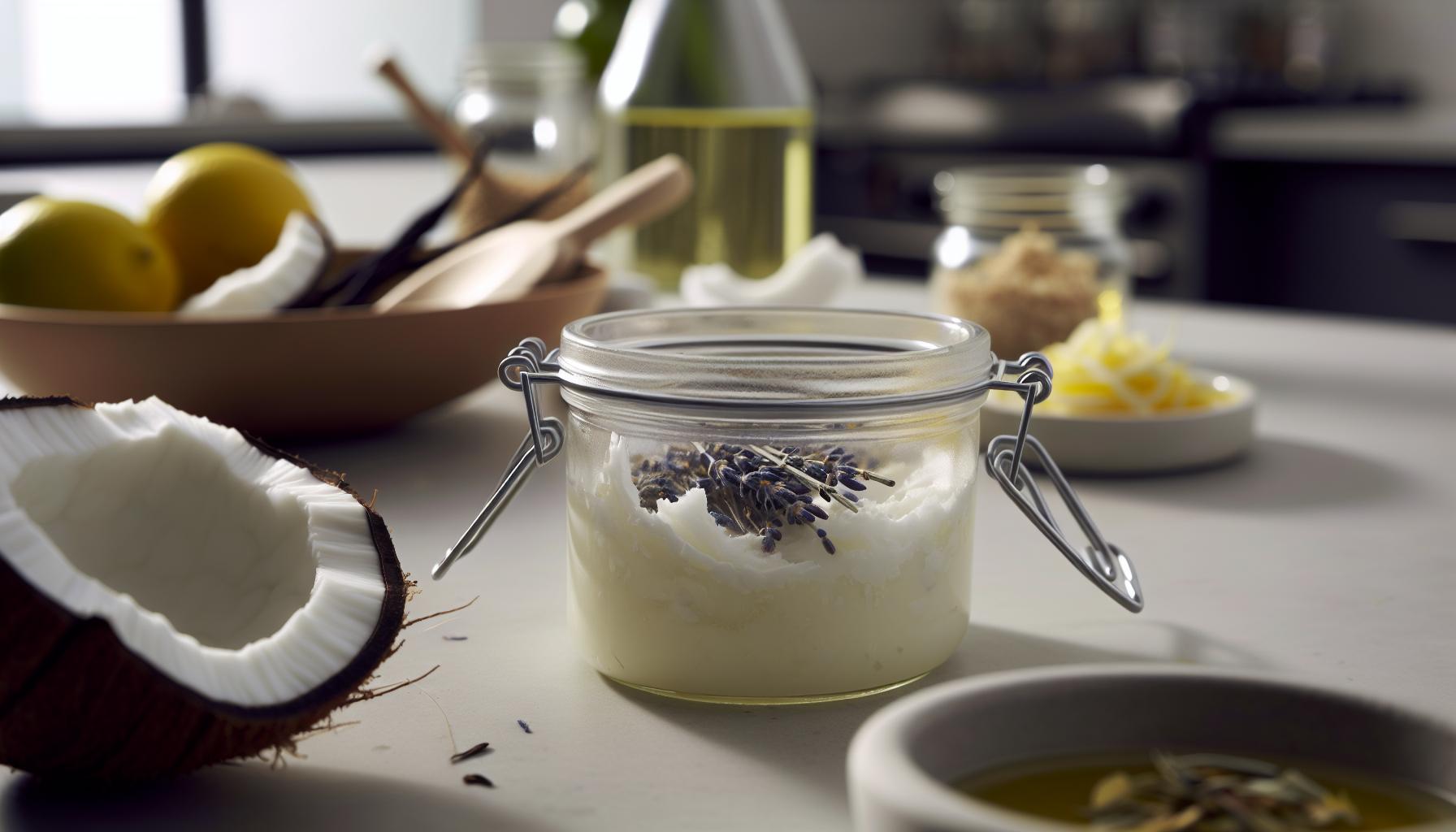
You can transform your homemade coconut butter into a flavorful experience that dazzles the taste buds. Infusing coconut butter with various ingredients not only enhances its taste but also allows you to express your creativity in the kitchen. Whether you’re preparing for brunch, a snack, or a special dessert, infused coconut butter can elevate your dishes to new heights.
To get started, think about your flavor profiles. Here are a few ideas to inspire your imagination:
- Nutty Bliss: Add almond or hazelnut extracts for a rich, nutty twist. Mix in finely chopped nuts for added texture.
- Sweet and Spicy: A dash of cinnamon or nutmeg can give your coconut butter a warm, comforting flavor. Pair it with a bit of honey or maple syrup for sweetness.
- Cocoa Delight: Stir in unsweetened cocoa powder for a chocolatey treat. This pairs wonderfully with fruits like bananas or strawberries.
- Citrus Zing: Grate in some lemon or orange zest. The fresh citrus notes will brighten and lighten your coconut butter, making it perfect for summer spreads.
Making these flavor additions is simple. Just blend your coconut butter with the chosen ingredients until smooth, ensuring that everything is well combined. A tiny pinch of salt can enhance the overall taste, balancing sweetness and richness.
For an extra layer of fun, try layering flavors. Create a marbled effect by stirring in different flavors without fully mixing them. This not only looks beautiful but also allows each bite to offer a surprise.
With these creative infusions, you can make your coconut butter a unique spread that suits your personal taste. Spread it on toast, mix it into oatmeal, or use it to top pancakes. The possibilities are endless! Enjoy the process of experimenting, and don’t hesitate to try new combinations. It’s all about having fun in the kitchen and personalizing your coconut butter experience!
How to Store Coconut Butter for Freshness

To keep your homemade coconut butter fresh and delicious, proper storage is key. Unlike conventional butters, coconut butter can solidify at cooler temperatures, but with the right techniques, you can maintain its creamy consistency while enhancing shelf life.
Start by transferring your coconut butter to a clean, airtight container. Glass jars are perfect as they seal tightly and allow you to see how much you have left. Once sealed, store the container in a cool, dark place, ideally away from heat sources like sunlight or stoves. This helps prevent the coconut butter from going rancid, allowing you to enjoy it longer. If you live in a particularly warm climate or if your kitchen tends to heat up, refrigeration is a wise choice. Just keep in mind that it will solidify in the fridge, making it a bit harder to scoop out.
If your coconut butter becomes too hard in the refrigerator, don’t worry! You can gently warm it up to return it to that lovely spreadable state. Place the jar in a bowl of warm water for a few minutes or use a microwave on low power in short bursts to soften it up. Always remember to stir well after warming to ensure an even consistency.
For added longevity, consider making smaller batches of coconut butter if you find you’re not using it quickly. This way, you can keep fresh jars on hand, preventing spoilage. And don’t forget to label your jars with the date you made them! This simple practice helps you keep track of freshness.
By following these tips, your coconut butter will stay fresh and ready for all your culinary adventures. Whether slathered on toast or used in your favorite recipes, enjoying your homemade creation is just a scoop away!
Delicious Ways to Use Coconut Butter
There’s something special about homemade coconut butter-it’s not just a spread; it’s an ingredient packed with versatility and flavor that can elevate many dishes. Whether you’re using it as a creamy topping or a flavor enhancer, coconut butter opens the door to a world of delicious possibilities in your kitchen.
One of the simplest ways to enjoy coconut butter is on warm toast or pancakes. Just spread a layer on top and let it melt slightly while still maintaining its creamy texture. For an extra treat, sprinkle some cinnamon or drizzle honey for a sweet twist! You can also blend it into smoothies for a rich, creamy texture. Just a spoonful adds a delightful coconut flavor that pairs wonderfully with fruits like bananas and berries.
Coconut butter can also work its magic in baking! Replace regular butter or oil in recipes for cookies, muffins, or brownies. It brings a slightly sweet, tropical flavor that will impress anyone who takes a bite. Additionally, you can use coconut butter as a base for homemade energy balls. Mix it with oats, nuts, and a bit of honey or maple syrup for a quick, healthy snack that’s perfect for on-the-go or post-workout refueling.
For a satisfying dip or spread, blend coconut butter with spices and herbs. Mix in some garlic, lime juice, and cilantro for a zesty dip that complements fresh veggies or whole-grain crackers. It can even serve as a delightful addition to sauces or dressings, enhancing everything from green salads to grilled meats with its unique taste.
Embrace the creativity that homemade coconut butter offers! From sweet to savory, it can be adapted to suit any palate. Don’t hesitate to experiment and find your favorite combinations. The kitchen is your playground, and with coconut butter, the possibilities are endless!
Troubleshooting Common Coconut Butter Issues
Coconut butter can be a delightful addition to your culinary repertoire, but sometimes you might run into a few hurdles while preparing or using it. Don’t worry-every kitchen experiment has its bumps, and troubleshooting these common issues can lead to perfecting your technique!
One frequent issue is separation. If you notice that your coconut butter is becoming grainy or that the oil is separating from the solids, this usually happens when it’s cooled down after being melted. Simply warm it slightly-either in a microwave-safe bowl for a few seconds or over a double boiler-until it becomes creamy again. Stir it well to blend the ingredients. Alternatively, you can use a powerful blender to re-emulsify the mixture for a super-smooth texture.
Sometimes you may find your coconut butter isn’t as spreadable as you’d like, especially after chilling. To solve this, consider adding a touch of coconut oil (also melted) to your coconut butter during the blending process. Start with a teaspoon, blend, and then adjust as necessary until you achieve the desired consistency. This little trick not only improves spreadability but also adds a bit of richness to the flavor!
When it comes to flavor, you might encounter an unwanted bitterness. This can happen if the coconut flakes are over-processed or if they are not fresh. To avoid this, ensure you are using high-quality, unsweetened coconut flakes, and pulse them in short bursts. If you do end up with a bitter batch, try balancing it out with a pinch of salt or a drizzle of honey to soften the flavor.
Lastly, if your coconut butter has crystallized, it may seem daunting, but it’s not unfixable. Just place the jar in a bowl of warm water or use a gentle heat source to melt it back down, then stir thoroughly. If you find that your coconut butter isn’t retaining its texture after cooling, this could be due to the quality of the coconut used. Always opt for organic or high-quality coconut for the best results.
Cooking is all about experimentation and a little trial and error, so don’t be discouraged. Each batch of coconut butter can guide you to perfect your method, leading to creamy, delicious results every time. Enjoy the process, and let your kitchen become your canvas!
Nutritional Benefits of Coconut Butter
Coconut butter is not just a delicious spread; it’s also packed with nutritional benefits that support overall health. Rich in healthy fats, particularly medium-chain triglycerides (MCTs), coconut butter can be a great energy source. MCTs are metabolized differently than other fats, providing quick energy and potentially boosting metabolism. This means you can enjoy that creamy texture while fueling your body effectively.
In addition to healthy fats, coconut butter contains a variety of vital nutrients. It boasts a good amount of fiber, which aids in digestion and helps maintain steady energy levels. Incorporating coconut butter into your meals can promote satiety, keeping you full longer and helping to curb those snack cravings between meals. It’s also a source of essential vitamins and minerals, such as iron, magnesium, and zinc, all of which play important roles in bodily functions, from immune health to muscle recovery after a workout.
h3>How Coconut Butter Fits into Your Diet
If you’re exploring dietary options, coconut butter is a wonderful addition for both vegan and Paleo diets, adding flavor and nutrients without the need for animal products. You can use it in smoothies, baked goods, or simply spread on toast. The versatility allows for creative culinary uses, whether you want to enhance the flavor of your breakfast or include a tasty element in your desserts.
When making coconut butter at home, you’re not just gaining a delicious spread but also ensuring the quality and purity of your ingredients. Choosing organic coconut ensures you’re getting the best nutritional profile and flavor, free from additives or preservatives. Plus, homemade coconut butter supports your culinary exploration, inviting you to experiment with flavors and textures. Overall, adding coconut butter to your pantry not only elevates your recipes but also contributes to your health in a delicious way.
Comparing Coconut Butter to Other Spreads
When it comes to spreads, coconut butter stands out not just for its unique flavor and creamy texture, but also for its impressive nutritional profile. Unlike traditional nut butters, which often consist mainly of one type of nut, coconut butter is made from the whole coconut, including the meat and oil. This means it offers a delightful combination of healthy fats, vitamins, and minerals that make it a fantastic choice for those looking to diversify their pantry.
While peanut butter and almond butter are popular choices, coconut butter brings a tropical flair that can elevate any dish. For example, if you’re preparing a smoothie, swapping in coconut butter can add a creamy richness without the need for dairy. Additionally, coconut butter is rich in medium-chain triglycerides (MCTs), which are known to provide quick energy and may support weight loss by enhancing metabolism. In contrast, many nut butters contain higher levels of omega-6 fatty acids, which, while healthy in moderation, can lead to an imbalance if overconsumed.
Here’s how coconut butter compares with other common spreads:
| Spread Type | Primary Nutritional Benefits | Flavor Profile | Best Uses |
|---|---|---|---|
| Coconut Butter | Rich in MCTs, fiber, iron, and magnesium | Slightly sweet, nutty, and tropical | Toast, smoothies, baking, desserts |
| Pecan Butter | High in omega-3 fatty acids, vitamin E | Earthy and rich | Spreads, baking, sauces |
| Almond Butter | High in vitamin E, magnesium, and protein | Nutty and slightly sweet | Snacks, smoothies, baking |
| Peanut Butter | Protein-rich and full of niacin | Savory and slightly sweet | Sandwiches, snacks, baking |
Coconut butter is particularly appealing for those following vegan or Paleo diets. Since it doesn’t contain any animal products, it’s a great option for enhancing plant-based recipes. Plus, its versatility means you can get creative! Try adding a spoonful to curries for a creamy finish or swirling it into oatmeal for added richness. Whether you’re spreading it on whole grain bread or drizzling it over fruit, coconut butter adds not just flavor, but also a host of health benefits that other spreads may not provide.
Embrace your kitchen creativity with coconut butter, knowing you’re making a nourishing choice that supports both your palate and overall health!
Coconut Butter in Vegan and Paleo Diets
Coconut butter is a game-changer for anyone following a vegan or Paleo diet, offering a delicious way to enjoy a creamy texture without compromising dietary restrictions. Not only does it provide healthy fats, but it also brings a unique flavor that can elevate your meals. Rich in medium-chain triglycerides (MCTs), coconut butter can enhance metabolism and provide quick energy, making it an excellent choice for those focusing on balanced nutrition.
What makes coconut butter a fantastic addition to your vegan pantry is its versatility. You can incorporate it into a variety of dishes, from smoothies to baked goods. For a delightful boost, try adding it to your morning oatmeal or smoothie bowls-this not only adds creaminess but also enriches your meal with essential nutrients. Additionally, when making sauces or soups, a spoonful of coconut butter can provide a luscious, tropical flavor that enhances the overall dish.
For those on a Paleo diet, coconut butter aligns perfectly with the emphasis on whole foods. Unlike processed spreads that might contain additives or sugar, homemade coconut butter can be crafted with just one ingredient: coconut! This simplicity means you can enjoy a truly natural product that supports your healthy eating goals. Spread it on apple slices for a quick snack or use it in dressings for a unique twist on your salads.
Remember, the beauty of coconut butter lies in its adaptability. Feel free to experiment with flavors by adding spices like cinnamon or vanilla for a sweet treat, or mix it with garlic and herbs for a savory dip. Embrace the chance to create something flavorful and wholesome in your kitchen with coconut butter, knowing it complements both your vegan and Paleo lifestyle beautifully!
Exploring Coconut Butter Recipes Beyond Spreading
Coconut butter is not just a delightful spread; it opens up a world of culinary possibilities that can transform your favorite dishes. Imagine infusing smoothies with its creamy texture or enhancing baked treats with a rich coconut flavor. The versatility of coconut butter makes it an ideal ingredient for both sweet and savory recipes, providing a tropical twist that can elevate any meal.
To incorporate coconut butter into your cooking, start by using it as a base for creamy sauces. Simply melt the coconut butter in a saucepan and add ingredients such as garlic, ginger, and a splash of soy sauce or coconut aminos for a delicious stir-fry sauce. You can also whisk it into curries or soups to add a luscious mouthfeel and depth of flavor.
For a quick and nutritious breakfast, blend coconut butter into your smoothies for added creaminess and healthy fats. Combine it with bananas, spinach, and your choice of milk or yogurt for a deliciously thick and filling smoothie that will keep you energized throughout the day.
Baking enthusiasts can have fun incorporating coconut butter into their recipes as well. Substitute it for regular butter in muffins, brownies, or pancakes for a subtle coconut flavor. Not only will this keep your baked goods moist, but it will also add a nutritional boost thanks to the medium-chain triglycerides found in coconut.
Feel free to get creative by adding other flavors. Consider mixing in cacao powder for a chocolate version or blending coconut butter with honey and nuts for homemade energy bites. The opportunities are endless, and experimenting with coconut butter can lead to delightful new favorites in your kitchen!
Faq
Q: What is the best way to make coconut butter smooth and spreadable?
A: To achieve ultra-smooth, spreadable coconut butter, blend the coconut meat in a high-speed blender or food processor. Warm the coconut meat slightly for easier blending and continue until the mixture is creamy and has no lumps. For best results, scrape down the sides frequently to ensure even blending.
Q: How long does homemade coconut butter last?
A: Homemade coconut butter can last up to 2-3 weeks when stored properly. Keep it in an airtight container at room temperature or in the refrigerator. However, storing it in a cool, dark place helps maintain its freshness and flavor longer.
Q: Can I infuse flavors into my coconut butter?
A: Yes, you can easily infuse flavors into coconut butter! To do this, add vanilla extract, cinnamon, or even a hint of cocoa powder during blending. Experiment with herbs like mint or spices to create unique flavor profiles that suit your taste.
Q: Why is my coconut butter too hard to spread?
A: If your coconut butter is too hard, it may be because it was stored in a cool place. Gently warm it in a bowl of warm water or in the microwave for a few seconds to soften it. For future batches, blending it longer can result in a creamier texture, preventing hardness.
Q: Can coconut butter be used in baking?
A: Absolutely! Coconut butter can replace traditional butter or oil in recipes. It adds moisture and flavor to baked goods like cookies, muffins, and breads. Use it in recipes that require creaming or melting for best results.
Q: How do I make coconut butter without a blender?
A: If you don’t have a blender, you can use a food processor. Chop the coconut meat into smaller pieces before adding it to the food processor for easier grinding. Keep processing until smooth, adding a small amount of coconut oil if necessary to aid in blending.
Q: What are the health benefits of using coconut butter?
A: Coconut butter is rich in medium-chain fatty acids, which provide quick energy and may help improve metabolism. It’s also high in fiber, supporting digestive health, and contains antioxidants to protect your body from damage. Incorporating it can be a delicious and nutritious choice.
Q: Is coconut butter suitable for a vegan diet?
A: Yes, coconut butter is entirely plant-based, making it an excellent choice for vegan diets. It can replace dairy butter in many applications, offering a rich and creamy texture without animal products. Enjoy it spread on toast, in smoothies, or in baking recipes.
Final Thoughts
Now that you’ve crafted your deliciously smooth and spreadable coconut butter, why not take it a step further? Use it as a delightful spread on toast or add a spoonful to your morning smoothie for a creamy boost. Remember, experimenting with flavors can lead to your unique twist-consider adding a touch of vanilla or a sprinkle of sea salt for an extra layer of indulgence!
Don’t forget to share your coconut butter creations with us in the comments below. We love seeing your culinary adventures! For more tasty ideas, check out our guides on Coconut Recipes To Try This Week and The Health Benefits of Coconut-your kitchen journey is just beginning! Plus, if you enjoyed this recipe, sign up for our newsletter to receive more mouth-watering recipes delivered straight to your inbox.
So grab those coconuts and get started-home cooking is all about creativity and joy. Your next delicious creation is only a few steps away!
Get our latest guides, news, and insights highlighted in your Google Search & AI Overviews.