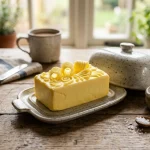

If you’re aiming to elevate your turkey game while keeping it juicy and bursting with flavor, mastering a compound butter recipe is essential. This delightful blend of butter and herbs infuses moisture and taste right into the meat, transforming your holiday centerpiece into a culinary masterpiece. Imagine serving a turkey that’s not only perfectly cooked but also melts in your mouth, leaving your guests raving about the flavor long after the meal is over. Whether you’re an experienced cook or a kitchen novice, this easy compound butter recipe will empower you to bring gourmet quality to your Thanksgiving table without any fancy equipment. Get ready to impress your family and friends as we guide you through this simple yet impactful technique that guarantees juicy, flavorful turkey every time!
Essential Ingredients for Compound Butter Success
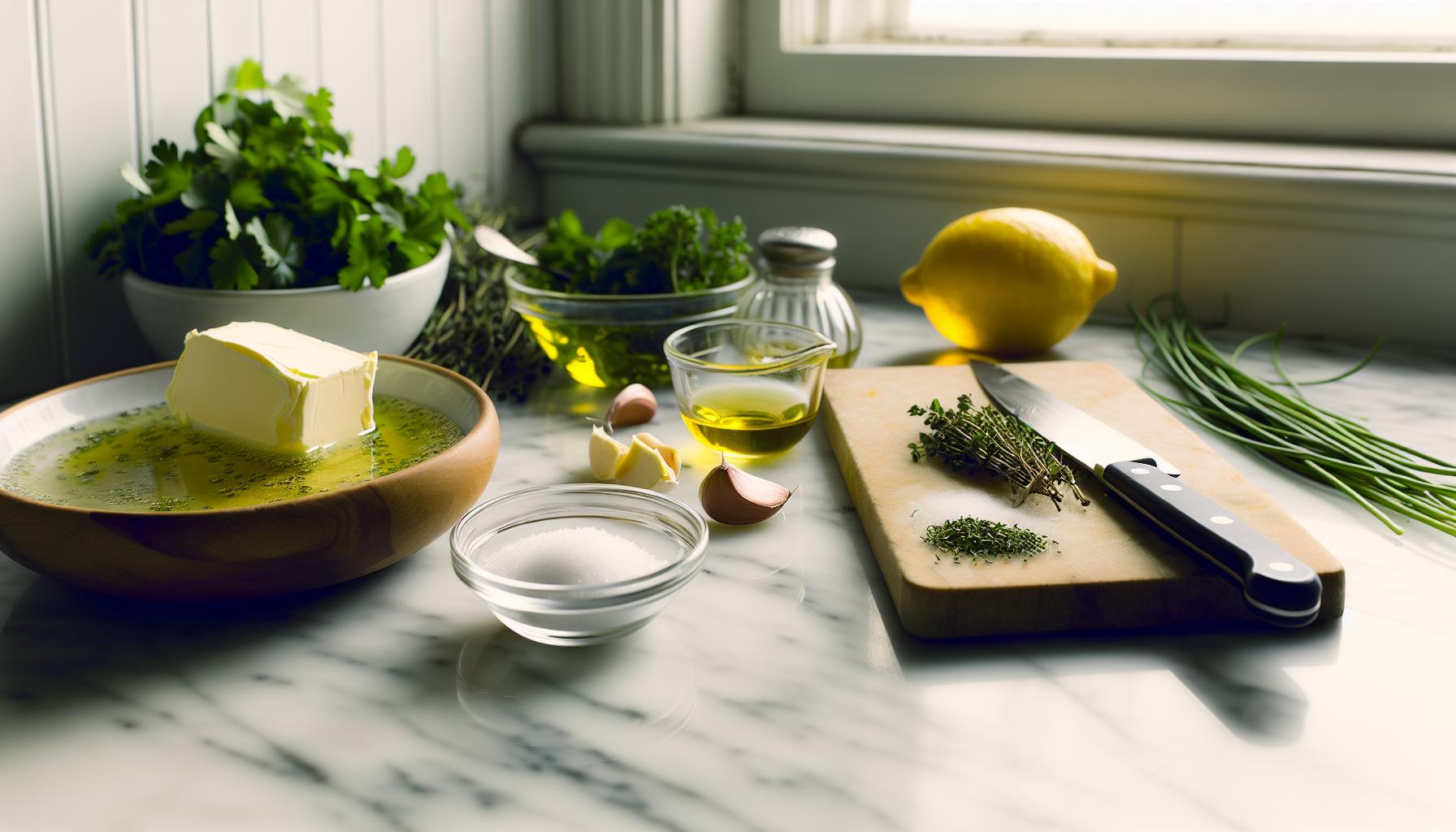
To achieve success with your compound butter, particularly for making your turkey juicy and flavorful, it’s essential to focus on a few key ingredients that enhance both the taste and texture. At the heart of any compound butter is high-quality unsalted butter, which should ideally be at room temperature for easy mixing. Unsalted butter allows you to control the saltiness of your final dish, a factor that can make a significant difference in flavor balance.
Next, think about the flavorings you want to incorporate. Fresh herbs such as thyme, rosemary, or sage work beautifully with turkey, lending a fragrant and earthy quality. Additionally, minced garlic or shallots can add depth, while spices like paprika or black pepper can introduce warmth and character. If you’re in the mood for something sweeter, consider adding honey or maple syrup, along with spices like cinnamon or nutmeg, for a unique twist that complements the savory notes of turkey.
When combined, these elements create a rich flavored butter that not only infuses your turkey with moisture and taste but also helps achieve that beautiful golden-brown skin during roasting. Experimenting with different combinations allows you to tailor your butter to your taste and makes every Thanksgiving meal distinctively yours. Whether opting for a more traditional flavor profile or something adventurous, the key is to mix well until smooth, ensuring an even distribution of flavors throughout the butter.
As you prepare, remember the golden rule: your ingredients should be fresh and of good quality. This ensures that every bite of turkey bursts with vibrant flavors, making your dish memorable for all the right reasons. With the right foundation, compound butter becomes a fantastic tool in your culinary arsenal, especially for celebratory meals.
Step-by-Step Guide to Making Compound Butter
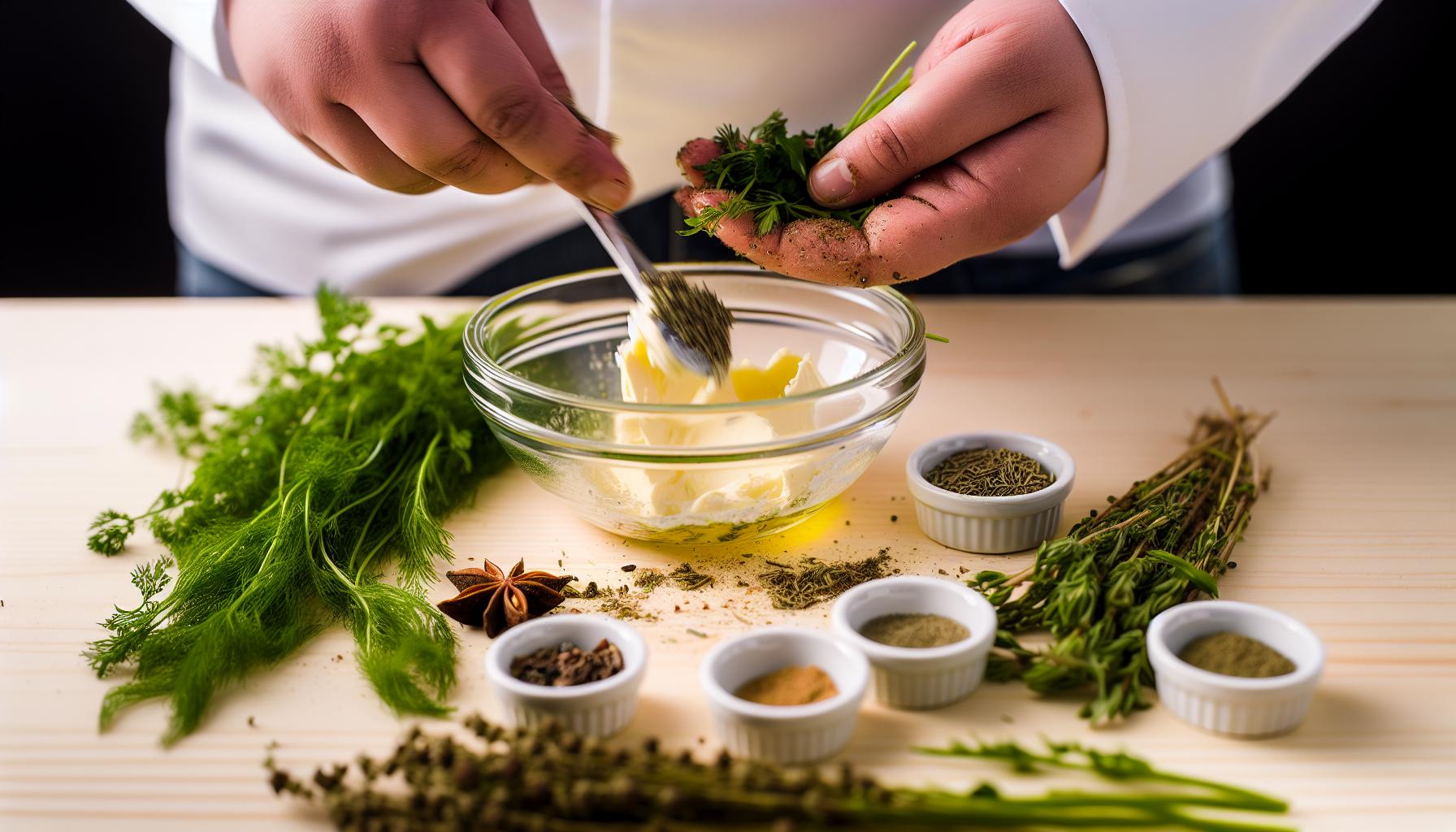
Creating your own compound butter is like unlocking a treasure chest of flavor possibilities, especially when you’re preparing a delicious turkey for a special occasion. It’s not only quick to make, but it also enhances the taste and juiciness of the bird, ensuring a succulent roast that dazzles at the dinner table. Using just a few fresh ingredients, you can whip up a compound butter that takes your holiday meal from ordinary to extraordinary.
Start with high-quality unsalted butter, about one cup, left out at room temperature until it’s soft and spreadable. Soft butter makes it easier to incorporate all those delightful flavors you’ll add. Then, grab your mixing bowl and add in your chosen flavorings. Some classic options include:
- Fresh herbs: Rosemary, thyme, and sage work beautifully with turkey.
- Garlic: Minced garlic brings a depth of flavor.
- Citrus zest: Lemon or orange zest adds a refreshing brightness.
- Spices: Consider paprika or black pepper for warmth.
- Sweet elements: A touch of honey or maple syrup can offer a lovely balance.
Once you’ve gathered your ingredients, place the softened butter in a bowl and mix it with a fork until smooth. Gradually blend in each of your flavorings, tasting as you go to ensure a balanced flavor profile. The key here is to mix thoroughly, so every bite of your exquisite turkey is infused with that buttery goodness.
When the mixture is well-combined, you can shape it into a log for easy use. Place the butter onto a sheet of parchment paper, then roll it tightly into a log shape, twisting the ends to seal. This makes it convenient to slice off a piece whenever you need it. Just pop the log in the refrigerator for at least an hour to firm up before using. Not only is it a fantastic addition to turkey, but this compound butter can also be stored in the freezer for up to six months, making it a handy staple for future meals.
In just a few simple steps, you’ve created a versatile compound butter that will elevate your turkey-and many more dishes to come. The beauty of homemade butter lies not only in its freshness but also in the joy of creative experimentation with flavors that suit your palate, turning your cooking into a delightful adventure. Enjoy the process, and don’t hesitate to try out different combinations. Each time can bring a new expression to your culinary repertoire!
Flavor Variations: Creative Ideas for Your Butter
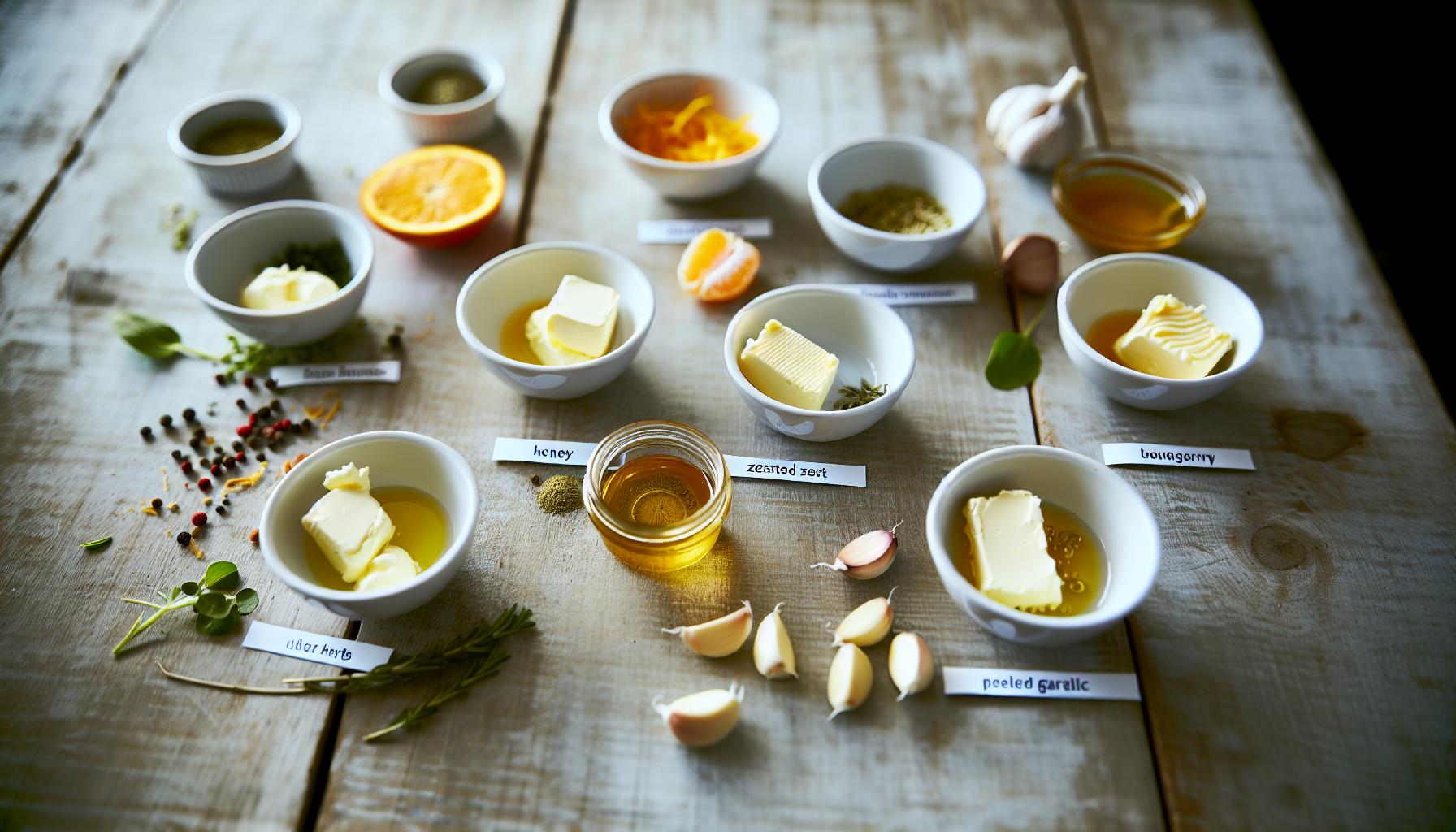
Imagine transforming your Thanksgiving turkey into a succulent masterpiece with just a dollop of flavor-packed compound butter! The beauty of this culinary creation lies in its versatility, enabling you to customize your butter to perfectly complement your turkey while infusing it with deliciousness. Let’s explore some delightful flavor variations that will elevate your roasted bird beyond the ordinary.
One fantastic idea is a Herbed Citrus Butter. Combine fresh herbs like rosemary, thyme, and parsley with zesty lemon or orange peel for a bright, fragrant blend. This combination not only adds freshness but also enhances the turkey’s natural flavors. For a little kick, toss in a hint of crushed red pepper flakes.
If you’re drawn to classic comfort, consider a Garlic and Herb Butter. Use roasted garlic for a mellow sweetness, mixed with earthy thyme and a touch of sage. This duo works wonderfully with turkey and adds a rich depth to every bite. A sprinkle of black pepper will give it just the right amount of warmth.
For those with a sweeter palate, a Maple Pecan Butter can be a delightful surprise. Blend maple syrup with finely chopped pecans and a dash of cinnamon for a nutty, sweet twist. This compound butter drizzled over turkey can create a warm contrast that pairs beautifully with traditional sides.
Don’t forget about Spicy Southwestern Butter for a bold option! Mix chipotle powder, cumin, and cilantro with the butter for a smoky flavor that brings a fun, unexpected twist to your meal. This variation works really well if you’re serving your turkey with zesty sides like cornbread or Mexican-style dishes.
Experimentation is key! Feel free to swap ingredients based on your preferences or what you have on hand. Whether you’re going for sweet, savory, or spicy, you can’t go wrong with a compound butter tailored to your unique taste. Just remember to start with quality ingredients and have fun in the kitchen!
How to Use Compound Butter on Turkey
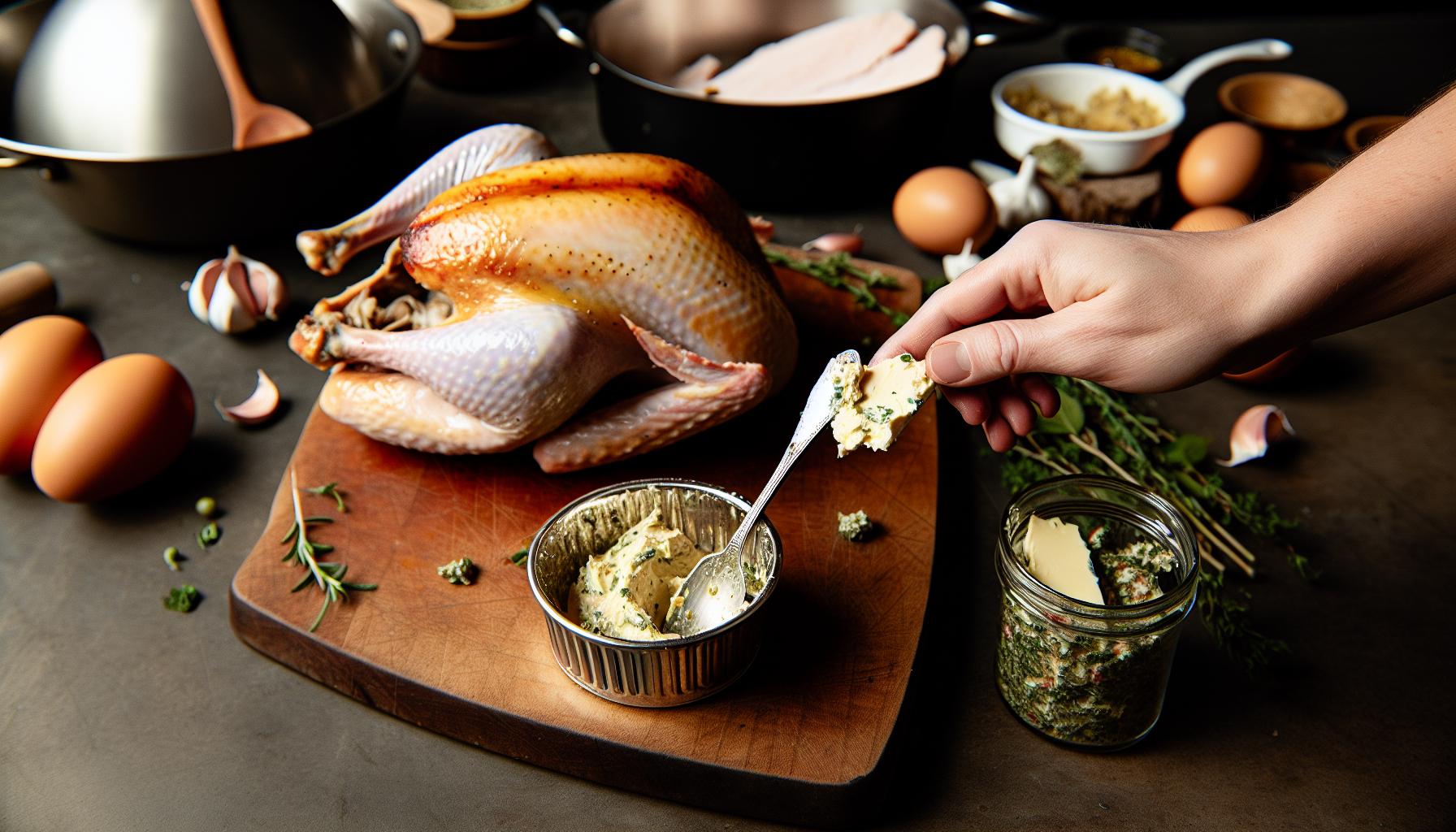
A perfectly roasted turkey can be elevated to new heights of flavor and moisture simply by using compound butter. Applying this delicious concoction is not only a secret to maintaining juiciness, but it also infuses rich flavors into your turkey. Here’s how to get the most out of your compound butter and ensure your turkey turns out succulent and packed with taste.
Start by preparing your turkey with a dry brine the night before. This technique helps to lock in moisture. Then, when you’re ready to roast, take your chilled compound butter and gently loosen the skin over the turkey breasts and thighs. Use your fingers to create a pocket between the skin and the meat-just be careful not to tear the skin. With this pocket ready, scoop generous amounts of the compound butter into it. This allows the butter to melt during roasting, basting the turkey from the inside out.
Next, take what’s left of the compound butter and rub it all over the exterior of the turkey. Don’t be shy! This will create a flavorful crust and help the skin crisp up beautifully in the oven. If you’re using a flavored compound butter, like garlic and herb or spicy southwestern, this is the perfect opportunity to blend those flavors into the skin.
As you’re preparing to roast, remember to use an appropriate cooking temperature. A good rule of thumb is to start roasting at a higher temperature (around 425°F) for the first 30-45 minutes, which helps to brown the turkey, then lower it to about 350°F until the turkey reaches the desired internal temperature (165°F in the thickest part of the breast). Baste the turkey every 30 minutes with its own juices, and if you notice it’s browning too quickly, cover it loosely with aluminum foil.
By adding compound butter both under the skin and on the surface, you’ll not only enhance the flavor but also achieve a beautifully golden and crispy exterior. Each slice you serve will be bursting with juicy, buttery flavor-perfect for impressing your Thanksgiving guests!
Tips for Keeping Your Turkey Juicy
When it comes to ensuring your turkey remains juicy and flavorful, nothing beats the magic of compound butter. This flavorful blend not only enhances the taste but helps lock in moisture, making each slice succulent. Here are some key tips to keep your turkey juicy for your holiday feast.
Start the process with a dry brine. This simple technique involves rubbing salt all over the turkey and letting it sit uncovered in the refrigerator overnight. The salt draws moisture out initially, but then it’s reabsorbed back into the meat, seasoned perfectly. This method is critical for achieving juicy turkey flesh when you roast it the next day.
When applying your compound butter, be strategic about how you do it. Loosen the skin carefully over the breasts and thighs without tearing it, and fill these pockets generously with the butter. This not only provides flavor from within but also helps baste the meat as it cooks. Be sure to also rub the remaining butter all over the skin for a beautiful golden-brown crust that seals in juices.
During roasting, start with a high temperature (around 425°F) for the first 30-45 minutes. This initial heat will give the turkey a nice sear, locking in those delicious juices and flavors. Then, lower the temperature to about 350°F to continue cooking evenly until it reaches the perfect internal temperature of 165°F in the thickest parts. Remember to baste the turkey regularly with its own juices-this keeps the meat moist. If the skin starts browning too quickly, don’t hesitate to cover it loosely with aluminum foil.
Finally, once your turkey is done roasting, let it rest for at least 20-30 minutes before carving. This resting period allows the juices to redistribute throughout the meat, ensuring that each slice remains juicy and flavorful. Bringing all these elements together will make your turkey the star of the feast, impressing your guests with its richness and moisture.
Storing and Freezing Compound Butter
If you love the rich taste of compound butter, you’ll be thrilled to know that it’s easy to store and freeze, ensuring that you always have your favorite flavors on hand. Proper storage will keep your compound butter fresh and flavorful, allowing you to elevate your dishes anytime.
To store compound butter, you can simply wrap it in parchment paper, shaping it into a log and twisting the ends tightly. This method not only keeps the butter protected from air and moisture but also makes slicing off the desired amount a breeze. If you want an extra layer of protection, place the wrapped butter in an airtight container or a resealable plastic bag. Make sure to label it with the type of butter and the date, so you remember what’s inside and how long it’s been stored.
When it comes to freezing, compound butter is a star! You can freeze it for up to three months without sacrificing taste or texture. For best results, cut your log into individual portion-sized pieces before freezing. This not only makes it easier to thaw only what you need, but also helps the butter freeze faster, reducing the chance of ice crystals forming. Just remember to wrap each piece in plastic wrap or parchment for added protection.
To use your frozen compound butter, simply transfer the needed amount to the refrigerator for a few hours or let it sit at room temperature for 30 minutes before use. Avoid microwaving as it can cause uneven melting and affect the flavor. By incorporating this simple storage and freezing technique, you can ensure that your compound butter is ready to add that burst of flavor whenever you need it, especially when preparing your juicy turkey for the holidays!
Pairing Suggestions: Sides and Sauces for Turkey
Pairing your roasted turkey with the right sides and sauces can elevate your meal from delicious to unforgettable, especially when you incorporate compound butter. Using compound butter not only enhances the turkey’s flavor but also adds richness that complements a variety of side dishes and sauces beautifully.
To start, consider classic accompaniments that harmonize with the buttery richness of your turkey. Here are some delightful pairing ideas:
- Garlic Mashed Potatoes: Creamy mashed potatoes infused with garlic and a touch of compound butter create a luscious side that’s perfect for soaking up savory turkey juices.
- Roasted Seasonal Vegetables: A medley of roasted carrots, Brussels sprouts, and sweet potatoes tossed in herb-infused compound butter brings sweetness and texture to your plate.
- Cranberry Sauce: The tartness of cranberry sauce cuts through the richness of the turkey and butter, creating a beautiful balance on your palate.
- Stuffing: Whether it’s traditional bread stuffing or a wild rice blend, a dollop of compound butter stirred in just before serving can elevate it further.
When it comes to sauces, you can’t go wrong with a savory turkey gravy made from the drippings, but why not add a twist? Consider a herbed gravy, where you incorporate leftover compound butter into your gravy while it simmers. This adds a layer of flavor that complements the seasoned turkey magnificently. Alternatively, a simple reduction of white wine and chicken stock, finished with a pat of herbed compound butter, can offer a light, flavorful sauce that brightens the dish.
Don’t forget about garnishes! Fresh herbs like parsley or chives sprinkled over your turkey and sides can enhance both the presentation and flavor. And for a bit of texture and crunch, top your mashed potatoes with crispy fried onions or serve a side of toasted nuts with your vegetable medley. By thoughtfully combining your compound butter with sides and sauces, you’ll create a Thanksgiving feast that not only stays juicy and flavorful but also impresses your guests.
Common Mistakes to Avoid with Compound Butter
When making compound butter, it’s easy to overlook a few essential steps that can make a significant difference in flavor and overall experience. One of the most common mistakes is not allowing the butter to come to room temperature before mixing. This is crucial because soft butter blends seamlessly with herbs and spices, creating a smooth texture that enhances the flavor profile. When the butter is too hard, you risk leaving chunks of unmixed ingredients, which can lead to an uneven taste.
Another pitfall is not measuring ingredients accurately. While cooking often invites a more improvisational spirit, for compound butter, precision is key to achieving a balanced flavor. Start with a standard ratio-about one cup of butter to a quarter cup of add-ins (herbs, spices, or sweeteners)-and adjust to your taste. This ensures that your compound butter has a delightful punch rather than being overpowered by one ingredient.
Additionally, be mindful of the storage method. Many people neglect to wrap their compound butter properly. Leaving it exposed can lead to freezer burn or undesirable absorption of odors from the fridge. Use wax paper or plastic wrap to shape and seal your butter tightly. When ready to use it, simply slice off what you need, keeping the rest fresh and flavorful.
Lastly, don’t forget about seasoning! A sprinkle of salt can elevate the flavor of your compound butter immensely. Even if you’re using flavorful herbs, a touch of salt can enhance the overall taste and bring out the best in your turkey. So, remember these tips, and you’ll enhance both the butter and your Thanksgiving turkey with rich, vibrant flavors that will wow your guests.
Enhancing Your Thanksgiving Feast with Compound Butter
Using compound butter is a fantastic way to elevate your Thanksgiving feast, particularly when it comes to preparing the turkey. Imagine a bird that is not only perfectly juicy but also bursting with flavors that dance on your palate. By incorporating flavored butter, you can infuse your turkey with unique tastes that will be the talk of your gathering. Whether you prefer herb-infused butters or sweet and savory combinations, compound butter is your ticket to a truly unforgettable turkey experience.
Start by softly blending room temperature butter with your choice of herbs, garlic, citrus zest, or sweet elements like maple syrup and cinnamon. Spread this mixture under the turkey skin and inside the cavity before roasting. This technique allows the flavors to permeate the meat as it cooks, keeping it moist and enhancing the overall flavor profile. A classic combination is blending unsalted butter with fresh rosemary, thyme, and a hint of lemon zest for a fresh, aromatic kick.
Another method is to use compound butter as a finishing touch. Once your turkey is out of the oven and resting, dot it with slices of compound butter for an instant upgrade. As the butter melts into the hot turkey, it creates a rich sauce that you can drizzle over the slices on your serving platter. This simple step not only adds a beautiful gloss but also an extra layer of flavor that guests won’t be able to resist.
Lastly, don’t forget the sides! Compound butter can also be used to elevate your vegetable dishes. Toss roasted Brussels sprouts, carrots, or mashed potatoes in a bit of flavored butter for a side dish that perfectly complements your turkey. The versatility of compound butter allows you to create a cohesively flavored Thanksgiving meal that feels both gourmet and approachable. Enjoy the process, and let your creativity shine in the kitchen!
Serving and Presentation Tips for Your Turkey
Presenting your turkey in a way that captivates and delights your guests can transform your Thanksgiving meal from ordinary to exceptional. The key to a stunning turkey presentation lies not just in the aesthetic appeal but also in the sensory experience that flavored compound butter delivers. A beautifully roasted turkey, glistening with rich, melted butter, creates an inviting centerpiece for your holiday table.
To start, place your turkey on a large cutting board or a decorative platter that can hold the juices. This not only provides a clean surface for carving but also gives guests a chance to admire the golden-brown skin. Once your turkey has rested after roasting, use a sharp carving knife to slice the breast at a slight angle; this technique allows your guests to see the juicy, tender meat while making it easier for them to serve themselves. You can arrange the slices in an overlapping pattern, fanning them out to showcase their moist interior.
Next, highlight the flavors infused by your compound butter. Consider melting a bit more compound butter and drizzling it over the carved turkey, allowing it to pool around the base. For an elegant touch, sprinkle fresh herbs like parsley or thyme over the top just before serving. This not only adds a pop of color but also reinforces the delicious herbal notes you’ve worked into your butter.
To elevate the overall presentation, include accompaniments that complement your turkey. Arrange side dishes, such as roasted vegetables or a vibrant cranberry sauce, around the turkey on the platter. Think color and texture-adding deep greens, bright reds, or earthy oranges provides visual interest and tempts the appetite. For a final flourish, serve with a separate bowl of compound butter or a small dish of gravy that guests can drizzle over their portions, encouraging their own customization.
In summary, a stunning turkey presentation is a blend of careful slicing, flavorful butter, and vibrant accompaniments. Your table will not only look beautiful but will also reflect the love and effort you’ve put into creating a memorable Thanksgiving feast. Don’t shy away from experimenting with different serving styles and arrangements-each dinner can be a new opportunity for creativity and delight!
Health Benefits of Using Compound Butter
Using flavored compound butter in your cooking can elevate not just the taste of your dishes but also contribute to your overall well-being when used wisely. While butter sometimes gets a bad rap for being high in calories and fat, it can offer several health benefits, particularly when combined with wholesome ingredients.
Firstly, the main ingredient-unsalted butter-contains essential fatty acids and fat-soluble vitamins, such as vitamins A, D, E, and K. These nutrients are crucial for maintaining various bodily functions, including immune response, skin health, and bone integrity. Moreover, when you make compound butter with fresh herbs, spices, or other flavorings, you’re introducing additional vitamins and antioxidants into your diet. For instance, garlic-infused butter not only adds a delightful taste but also boasts anti-inflammatory properties and benefits for heart health due to garlic’s rich compounds.
Additionally, incorporating compound butter can result in a more satisfying meal experience, which may help control overall food intake. The rich flavor can enhance the enjoyment of your turkey, allowing you to appreciate smaller portions without feeling deprived. Pairing your turkey with flavored butters can transform lean meats into a luxurious feast that feels indulgent yet balanced; instead of leaning on heavy sauces or gravies, a small dollop of butter may suffice, allowing the natural flavors to shine through without overwhelming your palate.
When it comes to portion control, the key is moderation. Using compound butter thoughtfully with your turkey can provide flavor without excessive calories. You can easily create flavored butters with fresh herbs, citrus zest, or spices that can be used sparingly to make your meals flavorful yet healthful-a real win for your Thanksgiving table.
In summary, not only does compound butter enhance the taste of your turkey, but it can also contribute positively to your diet when used wisely. It’s all about balancing flavor, nutrition, and enjoyment, making your Thanksgiving feast both delicious and nourishing.
Frequently Asked Questions About Compound Butter
Did you know that compound butter isn’t just for fancy dinners? It’s a versatile secret weapon that can elevate even the simplest meals! If you’re venturing into making compound butter for your turkey, you might have a few questions. Let’s tackle some common queries to help you navigate this flavorful journey.
What is compound butter?
Compound butter is simply butter mixed with various flavorings such as herbs, spices, garlic, or citrus zest. It can be used to season meats like turkey, adding moisture and depth of flavor. The beauty of compound butter lies in its versatility; you can tailor it to match different cuisines and personal tastes.
How do I make compound butter?
Making compound butter is easy and requires minimal ingredients. Start with softened unsalted butter, add your choice of flavorings, mix well, and then shape it into a log using parchment paper. Refrigerate it to firm up, and it’ll be ready to slice whenever you need a burst of flavor!
Can I freeze compound butter?
Absolutely! Compound butter freezes exceptionally well. Just wrap it tightly in plastic wrap or place it in an airtight container, and it can last for several months. This makes it convenient to have pre-flavored butter on hand for quick and easy meal prep.
What are some common flavor combinations?
There’s no limit to what you can create! Here are a few popular combinations to get you started:
- Herb Mix: Chopped fresh rosemary, thyme, and parsley.
- Citrus Zest: Lemon or orange zest with garlic.
- Spicy Kick: Chipotle powder and lime zest for a smoky flavor.
- Classical Garlic: Roasted garlic blended for a rich, savory taste.
How should I use compound butter on my turkey?
To infuse your turkey with flavor, gently slide the compound butter under the skin before roasting. This will not only keep the meat juicy but also allow the flavors to penetrate throughout the turkey as it cooks. You can also use it to baste the turkey during cooking for an extra layer of deliciousness!
Incorporating compound butter into your cooking is a fantastic way to enhance flavors without adding much effort. Whether you’re preparing a festive turkey or simply want to amp up a weeknight meal, homemade compound butter is both accessible and rewarding. Don’t hesitate to experiment with different flavors and find your perfect blend!
Frequently asked questions
Q: What herbs work best in compound butter for turkey?
A: Fresh herbs like rosemary, thyme, and sage are excellent choices for compound butter on turkey. They enhance the flavor and complement the meat. For a simple blend, mix these herbs with soft butter and a pinch of salt. Check out the Flavor Variations section for more ideas.
Q: How do I make compound butter ahead of time?
A: You can easily make compound butter up to a week in advance. Simply mix your ingredients, shape them into a log using plastic wrap, and refrigerate. For longer storage, freeze it and slice off pieces as needed. See the Storing and Freezing Compound Butter section for details.
Q: Can I use compound butter on other proteins besides turkey?
A: Absolutely! Compound butter is versatile and works well on chicken, beef, or seafood. Just follow the How to Use Compound Butter on Turkey section for instructions, then adapt it for other meats by adding complementary flavors.
Q: What should I do if my compound butter is too salty?
A: If your compound butter tastes too salty, mix in additional unsalted butter to balance the flavor. You can also add herbs or spices to enhance the taste. For more troubleshooting tips, refer to the Common Mistakes to Avoid with Compound Butter section.
Q: How much compound butter should I use per pound of turkey?
A: Use about 2 tablespoons of compound butter per pound of turkey. This amount ensures the meat remains juicy and flavorful. For more detailed instructions, explore the How to Use Compound Butter on Turkey part of the article.
Q: What is the best way to apply compound butter to turkey?
A: The best method is to gently rub the compound butter under the turkey skin and all over the surface before roasting. This technique infuses the meat with flavor and moisture. Check out the Step-by-Step Guide to Making Compound Butter for preparation tips.
Q: Can I add garlic to my compound butter for turkey?
A: Yes, adding minced garlic to your compound butter can add a rich depth of flavor. Use fresh garlic for a more vibrant taste and combine it with your choice of herbs. For preparation advice, visit the Essential Ingredients for Compound Butter Success section.
Q: How do I know when my turkey is cooked correctly when using compound butter?
A: Use a meat thermometer to ensure your turkey reaches an internal temperature of 165°F (74°C). Insert it into the thickest part of the breast or thigh. For more tips on ensuring your turkey is juicy, refer to the Tips for Keeping Your Turkey Juicy section.
Final Thoughts
Now that you have this flavorful compound butter recipe for turkey, you’re well on your way to impressing your family and friends at your next gathering! Remember, the key to a juicy and delicious turkey lies in the rich, herb-infused goodness of this butter, perfect for basting and flavoring. Don’t let the holiday season catch you off guard-try this recipe today and transform your turkey into a mouthwatering centerpiece.
For even more delicious ideas, check out our articles on side dishes that perfectly complement turkey and creative variations of compound butter recipes to spice things up. If you found this recipe helpful, consider signing up for our newsletter for more kitchen tips and tasty recipes delivered right to your inbox. We’d love to hear how your turkey turns out, so share your thoughts and comments below! Your culinary adventure doesn’t stop here; dive deeper into our site for more kitchen inspiration. Happy cooking!
Get our latest guides, news, and insights highlighted in your Google Search & AI Overviews.