Have you ever thought about making your own wine, but found traditional methods too daunting? Here’s the exciting news: you can craft delicious banana wine right in your kitchen with just a few simple ingredients! This unique beverage not only offers a delightful tropical flavor but also takes advantage of the often-overlooked bananas that may already be sitting in your pantry. Perfect for beginners and seasoned home brewers alike, banana wine is an inviting way to explore homemade fermentation, turning basic fruit into a standout drink. In this guide, we’ll walk you through the step-by-step process of making banana wine, share tips to enhance your flavors, and inspire you to experiment with your creations. So grab your ripe bananas, and let’s discover the sweet thrill of homemade banana wine together!
Key Ingredients for Delicious Banana Wine
When it comes to crafting banana wine, the right ingredients can transform simple bananas into a delightful brew. At the heart of this tropical concoction are ripe bananas, which provide the essential sugars necessary for fermentation. Aim for those that are well-ripened and fragrant; bruised or overripe bananas can enhance the wine’s flavor profile, introducing rich, deeper flavors.
In addition to bananas, you’ll need sugar to kickstart the fermentation process. While bananas contain natural sugars, adding white sugar or even brown sugar can help achieve a sweeter, more potent wine. The ratio typically suggested is around 1 to 2 pounds of sugar for every gallon of wine you plan to make, but feel free to adjust based on your taste preferences.
You’ll also want to include water to dilute the strong flavors and create a balanced drink. Use filtered water when possible, as tap water can sometimes contain chlorine or other chemicals that may interfere with fermentation. Moreover, including a compatible yeast is crucial; wine yeast, specifically, will yield the best results, providing a clean fermentation process without unwanted flavors. If you’re feeling adventurous, some home winemakers like to experiment with different types of yeast, each imparting unique characteristics to the final product.
Don’t overlook the role of optional ingredients, such as lemon or lime juice, which not only enhance the flavor but also help stabilize the acidity in the wine. You might consider including some spices like cinnamon or cloves for a more complex aromatic profile. When combined thoughtfully, these ingredients will ensure a deliciously unique banana wine that’s perfect for any occasion.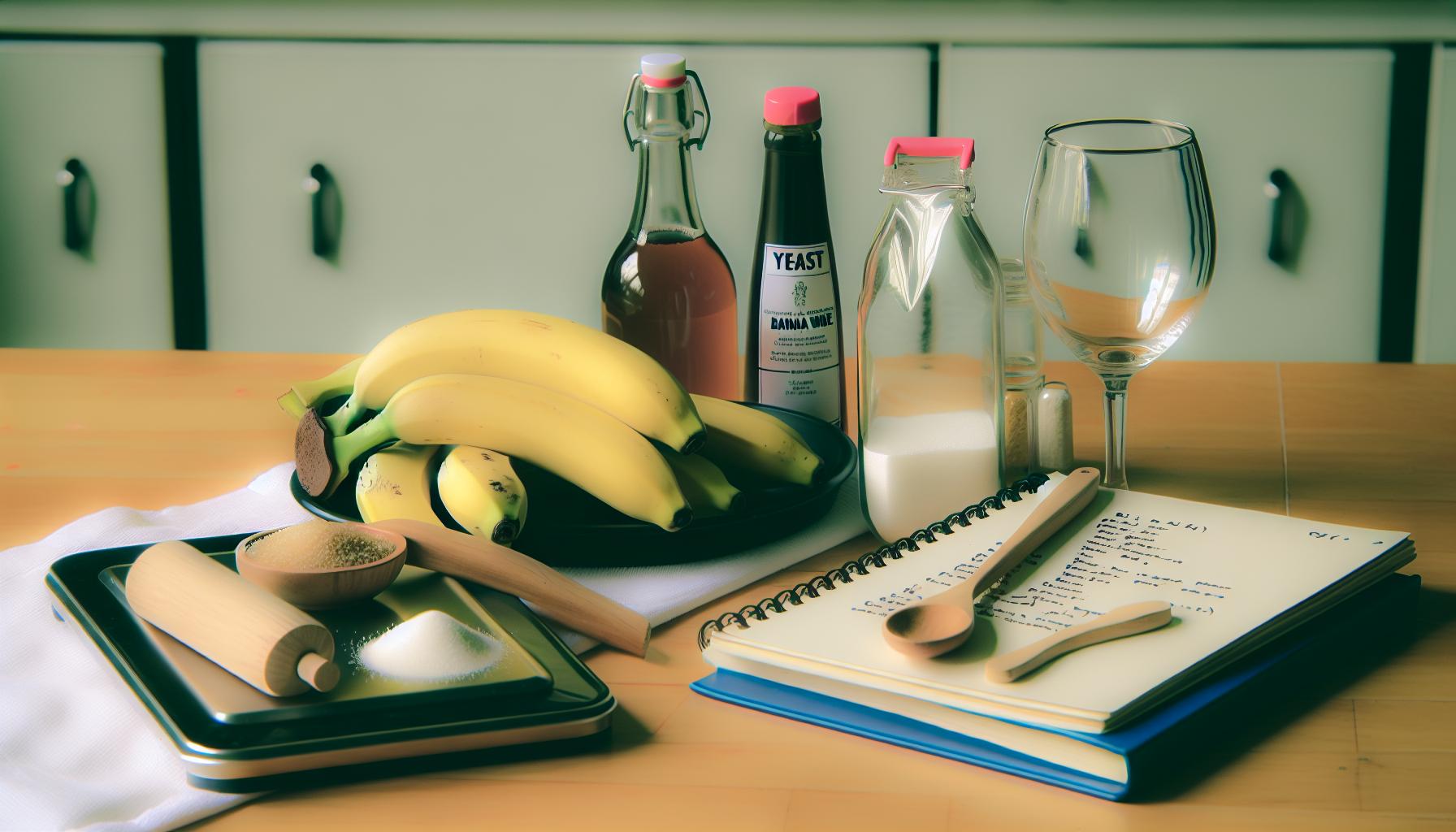
Simple Equipment You Need to Get Started
Creating banana wine is surprisingly simple and a fun adventure that doesn’t require specialized wine-making equipment. You can dive into this delightful process using items you probably already have at home. Let’s explore what you’ll need to get started!
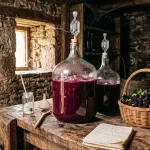
First and foremost, you’ll need a large fermenting container-this could be a food-grade plastic bucket or a glass carboy. The container should be able to hold at least a gallon of liquid, as you’ll be crafting a batch of delicious wine. Make sure it’s clean and sanitized to avoid any unwanted bacteria ruining your brew.
Another essential piece of equipment is an airlock, which allows gases from the fermentation process to escape while preventing outside air from contaminating your wine. These are inexpensive and can typically be found at brewing supply stores. If you want a quick DIY solution, a balloon with a small pinhole can work as a substitute!
Gather a stirring spoon, preferably made of food-safe material like plastic or wood. You’ll be using this to mix your ingredients thoroughly before fermentation begins. Additionally, having a fine mesh strainer or a cheesecloth on hand is vital for filtering the solids from your liquid after fermentation, giving you that smooth, drinkable wine.
You’ll also need bottles for storage after your fermenting process is complete. Regular wine bottles work great, but make sure you have corks or caps to seal them properly. Finally, keep a hydrometer handy if you’re interested in measuring the specific gravity of your mixture; this tool can help you track the fermentation process more precisely and adjust sugar levels as necessary.
With these straightforward items, you’re well on your way to crafting your own batch of banana wine. It’s all about making the most of what you have and enjoying the process. Embrace the creativity that comes with home winemaking, and have fun experimenting!
Step-by-Step Guide to Fermenting Banana Wine
Fermenting banana wine at home is a wonderfully rewarding process that will fill your kitchen with delightful scents and excitement. It’s easier than you might think, and you can adapt these steps to fit your schedule and taste preferences. Here’s how to embark on your fruity fermenting journey!
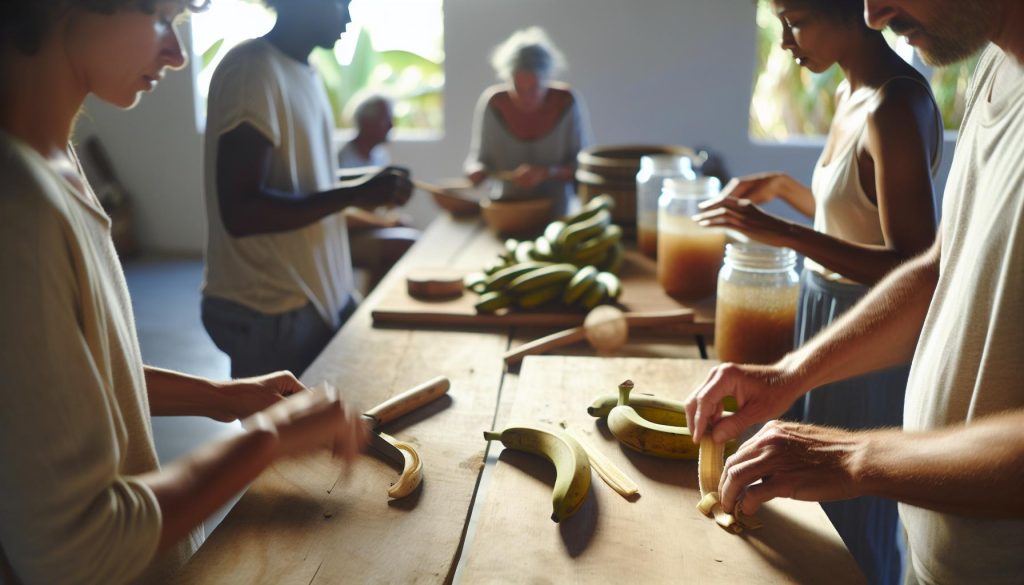
Start by preparing your bananas. You’ll need about 4-5 ripe bananas to yield a gallon of wine. Peel and slice them, placing them in your sanitized fermenting container. This is where all the magic happens, so cleanliness is essential! Next, add about 4-5 cups of sugar, depending on how sweet you’d like your wine. The sugar not only sweetens but also feeds the yeast, contributing to the fermentation process.
Now, it’s time to introduce the yeast. A packet of wine yeast works best, as it’s designed for fermentation, but you can also use regular baking yeast in a pinch. Sprinkle it over your banana and sugar mixture, followed by about a gallon of water (preferably warm to dissolve the sugar efficiently). Stir gently but thoroughly with your sanitized spoon, ensuring everything is well combined. At this point, cover your container with a clean cloth or a lid that allows air to escape, and let it sit at room temperature for about a week.
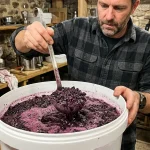
During the fermentation period, you’ll witness the transformation. Tiny bubbles will form, and you might hear gentle gurgling sounds as the yeast works its magic. After about seven days, it’s time to strain the mixture. Use a fine mesh strainer or cheesecloth to separate the liquid from the banana solids. This liquid is what you’ll eventually bottle as wine!
Once strained, return the liquid to the fermenter, attaching the airlock. Let it ferment for another two to four weeks. Test it periodically-when your wine tastes to your liking, it’s ready for bottling. Carefully transfer the wine into sanitized bottles, corking or capping them tightly. Store your bottles in a dark, cool place for at least another month to allow the flavors to meld and mature.
Enjoying your homemade banana wine is the best part! Chill it down and serve it with some friends or pair it with a light dessert for an exotic twist. Remember, each batch will be unique, inviting you to tweak ingredients or experiment with flavorings in future batches. Cheers to your banana winemaking adventure!
Tips for Choosing the Best Bananas for Winemaking
Choosing the right bananas is crucial for crafting the perfect banana wine that bursts with tropical flavor. The quality of the fruit directly impacts the taste, aroma, and overall success of your winemaking adventure. When selecting bananas, look for those that are just ripe enough-think of them as being a beautiful shade of yellow, with a few brown speckles dotting the skin. These marks indicate that the sugars are developing, which is essential for fermentation. Overripe bananas, on the other hand, can contribute to an overly sweet wine or introduce off-flavors that can muddy the final product.
Consider going organic. Organic bananas often have fewer pesticides, which can make a significant difference when making wine, as these chemicals could interfere with the fermentation process. Also, they tend to be picked closer to peak ripeness, so they’re more likely to have that rich, sweet flavor you want in your wine. If you’re unsure, buy a few bunches and do a taste test. The best bananas for winemaking will sing with ripe fruitiness when you bite into them.
Once you’ve gathered your bananas, it’s a good practice to let them come to room temperature before you start the fermentation process. This helps to enhance the aroma and flavor, making the ferment more effective. Remember, the key to great banana wine lies in the balance of sweetness, acidity, and complexity, so don’t shy away from experimenting with different varieties, like red bananas or plantains. Each type can lend its own unique charm to your homemade bottle. Happy winemaking!
Flavoring Your Banana Wine: Creative Additions
You can elevate your homemade banana wine into a truly unique creation by adding vibrant flavors that complement its natural sweetness. Experimenting with different ingredients not only enhances the wine’s character but also opens the door to a delightful exploration of tastes. Here are some creative additions to consider that can bring a tropical twist to your banana wine.
Fruits and Juices
Incorporating other fruits can add depth and complexity to your banana wine. Pineapple is a popular choice, lending a tangy brightness that pairs beautifully with bananas. Simply mash some fresh pineapple and mix it into your fermentation primary for a tropical punch. Similarly, adding the juice of oranges or limes can balance the sweetness and introduce a refreshing citrus note. For a more adventurous option, consider passion fruit; its floral aroma and tartness can beautifully complement the banana’s smoothness.
Spices and Herbs
Spices can also transform your banana wine into something special. A stick of cinnamon can add warmth and depth; just pop it into the fermentation container and let it infuse for a few days. You could also try vanilla beans for a sweet, creamy undertone or a hint of ginger for a spicy kick. If you want to incorporate herbs, a few sprigs of mint can enhance the fruity profile with a refreshing finish. Just remember to strain out any solid additions before bottling!
Sweeteners and Alcohol Enhancers
If you like your wine a bit sweeter, consider adding honey or agave syrup during the primary fermentation stage. These natural sweeteners blend beautifully with bananas and can enhance the mouthfeel of your wine. For an alcohol kick, adding a splash of rum or vodka can create a unique banana cocktail wine, but be sure to balance the additional flavors so that the banana doesn’t get overshadowed.
Flavor Pairing Tips
When flavoring your banana wine, it’s essential to taste as you go. Keep in mind that some flavors can become more pronounced over time, so it’s wise to start with smaller quantities. For example, if you’re including spices, let your mixture ferment for a few days and taste it before adding more. Finally, be adventurous! Each batch is a new chance to explore flavors like coconut, almond, or even chocolate, offering endless possibilities for delicious outcomes.
With these creative additions, your banana wine will not only reflect your personal taste but can also wow your friends and family with its unique flair. Happy experimenting!
Common Mistakes to Avoid When Making Banana Wine
Making banana wine can be a delightful and rewarding process, but there are a few common pitfalls that can affect the flavor and quality of your brew. Understanding these mistakes can save you time and disappointments, ensuring that your homemade banana wine is as tasty as you hope. Here are some of the most frequent errors beginners make and how to avoid them.
One common mistake is using overripe or spoiled bananas. While ripe bananas are essential for a rich flavor, it’s crucial to avoid bananas that are moldy or fermenting prematurely. Always select fresh, unblemished fruit. A good rule of thumb is to use bananas that are just yellow with a few brown spots for optimal sugar content without unwanted flavors.
Another significant error is neglecting sanitation. Good hygiene is vital when brewing any type of wine. Ensure that all equipment, including jars, utensils, and fermentation vessels, are thoroughly cleaned and sanitized before use. This helps prevent the growth of unwanted bacteria or wild yeasts that can spoil your batch. Remember, cleanliness is as important in winemaking as it is in baking!
Additionally, be cautious with your sugar levels. Many beginners worry that their wine will not be sweet enough and tend to add excessive sugar. Remember, the fermentation process will consume some of that sugar, which might result in a way too sweet wine or even halt the fermentation entirely. Start with a modest amount, and you can always adjust later based on taste after fermentation starts.
Finally, patience is key. Rushing the fermentation process can lead to off-flavors. Allow your wine the necessary time to ferment fully. It’s tempting to bottle your wine too early, but giving it enough time to clear and mature will improve its taste tremendously. A common guideline is to let it ferment for at least two weeks before bottling, but taste periodically to find the perfect balance for your palate.
By being vigilant about these common mistakes, you can enhance your winemaking experience and create a delicious banana wine that you’ll be proud to share with family and friends. Happy brewing!
How to Bottle and Store Your Homemade Wine
Bottling your homemade banana wine is one of the most exhilarating moments in the winemaking process, marking the transition from fermentation to enjoyment. Proper bottling is crucial not only for preserving the flavor and quality you’ve worked hard to create but also for ensuring your wine is ready for serving or storing. With just a few straightforward steps and a little care, you can successfully bottle your banana wine and keep it delicious for months to come.
Before you start, gather your materials. You’ll need clean bottles, a funnel, and a siphon or turkey baster for filling. It’s best to use glass wine bottles, which can be sealed with corks or screw-top caps. Make sure everything is sanitized-this is vital! Any contaminants can spoil the wine, so wash your bottles and any other equipment with hot, soapy water and rinse thoroughly. If you have sterilizing solutions or chemicals, using those will give you peace of mind.
Steps to Bottle Your Wine
- Siphoning: Insert the siphon into the fermentation jar, ensuring the end is above any sediment that may have settled at the bottom. This helps keep your wine clear and improves its appearance. Start siphoning the wine into the bottles, using a funnel to avoid spills. Fill each bottle to about an inch from the top to allow for expansion.
- Corking: Once filled, insert a cork or cap on each bottle. If using corks, make sure they are damp to aid in insertion, and don’t hesitate to use a corker if you have one-it can save you from wrestling with stubborn corks. For screw caps, just twist them on firmly.
- Labeling: Here’s where your creativity can shine! Consider labeling your bottles with the date of bottling and any special blends or notes about your winemaking process. This not only helps in tracking your wine but makes for delightful gifts later.
Storing Your Wine
Store your bottles upright for a few days to allow the cork to expand and seal properly. Afterward, turn them on their sides (if corked) to keep the cork moist, which prevents it from drying out and letting air in. Ideal storage conditions include a cool, dark place with a consistent temperature-around 55°F (13°C) is perfect. Sweet banana wine can typically be stored for 6 months to a year, but tasting earlier can help you discover your wine’s unique profile over time.
By taking the time to properly bottle and store your banana wine, you ensure that all your effort comes through in every sip. Plus, nothing feels quite as rewarding as serving up a glass of your homemade creation to friends and family. So, whether you’re toasting to a special occasion or just enjoying a quiet evening, your banana wine will be ready to impress!
Understanding the Fermentation Process for Beginners
When embarking on your banana winemaking journey, understanding fermentation is your passport to crafting a deliciously unique beverage. Fermentation transforms simple sugars from bananas into alcohol, thanks to yeast’s magic. The process might seem daunting, but take heart: it largely unfolds on its own with just a little guidance from you.
First, let’s look at the role of yeast. When you introduce yeast to your banana mash or juice, it begins to feast on the sugars. This feast produces not only alcohol but also carbon dioxide. It’s like a bubbling celebration, where the yeast works diligently while you wait. Choosing a good quality wine yeast can enhance the flavors in your finished product. Look for strains specifically designed for fruit wines to ensure the best results.
Timing is another key element. Typically, fermentation can take anywhere from a week to several weeks, depending on various factors like temperature and the natural sugar content in your bananas. You’ll know fermentation is active when you see bubbles forming in the airlock, and you might even notice a pleasant fruity aroma wafting through your kitchen. Patience is essential here; resist the urge to rush. Each day brings you closer to the magical transformation.
Furthermore, keeping the right temperature is crucial for happy yeast. Aim for a range between 65°F to 75°F (18°C to 24°C) for optimal activity. Too hot, and you risk killing the yeast; too cold, and it may become sluggish. A consistent environment helps your yeast thrive. If you find that your mash isn’t bubbling as expected, it might be worth checking the temperature and ensuring your yeast is still alive. If in doubt, a little sprinkle of fresh yeast can spark things back into action.
Ultimately, understanding these fundamentals empowers you in the art of banana winemaking. Each step you take brings you closer to enjoying a rewarding glass of your homemade banana wine. So roll up your sleeves, embrace the process, and let nature work its wonders-you’ll be savoring the delicious fruits of your labor before you know it!
Troubleshooting Problems in Home Fermentation
When diving into the world of banana winemaking, encountering challenges can feel frustrating, but don’t despair! Many issues can be overcome with a bit of patience and understanding. The key to a successful banana wine lies in monitoring specific aspects of the fermentation process and being ready to troubleshoot when things don’t go as planned.
One common issue is a halted fermentation, where your mash seems to be sitting idle. This may occur due to insufficient yeast activity or an unfavorable temperature. To resolve this, first, check the temperature of your fermentation environment-aim to keep it between 65°F to 75°F (18°C to 24°C). If it’s too cold, the yeast may be sluggish; too hot, and they might die off. If needed, introduce a small amount of fresh yeast to revive the process. A little bump up in the warmth can also encourage activity, just be cautious not to exceed the optimal range.
Another issue could be off-flavors or an unpleasant smell, which can indicate a problem with sanitation or an unwanted wild yeast or bacteria infection. Always ensure that your equipment is sanitized before you start. If you notice a strong, unpleasant odor, it may be best to dispose of the batch to avoid any health risks. Remember, it’s crucial to work in a clean environment to prevent these issues from arising.
If your banana wine is too sweet for your taste, this can signify that fermentation did not fully complete, leaving residual sugars. Here, you can either let it ferment longer if bubbles are still present or gently add a bit of sugar or lemon juice to balance it out to your liking. Lastly, for those who might find their wine too cloudy or with sediment, consider a process called racking, where you gently siphon the clear liquid off the sediment that settles at the bottom. This can help clarify your wine and enhance its appearance.
Troubleshooting is all about observation and small adjustments. Embrace the chance to learn as you go! Each batch is a unique opportunity to refine your skills and discover what works best for your banana wine. Remember, even seasoned winemakers face challenges, so keep experimenting and enjoying the process!
How to Enjoy and Serve Your Banana Wine
When it comes to enjoying your homemade banana wine, there are a few delightful ways to serve and savor it that can elevate your experience. Picture a warm summer evening with friends gathered around; a chilled glass of banana wine in hand can create the perfect atmosphere. This unique beverage, with its fruity aroma and sweet undertones, can be the centerpiece of your next gathering, or simply a welcoming treat after a long day.
To serve banana wine at its best, chill it appropriately. Ideally, you want to serve your banana wine chilled, around 50°F to 55°F (10°C to 13°C). This temperature allows the flavor profiles to shine without overwhelming the senses. Consider pouring it into tall wine glasses or even cocktail glasses to showcase its golden hues.
For those looking to make the most of their banana wine experience, consider pairing it with food. Its sweet and fruity notes make it the perfect companion for a variety of dishes. Here are a few pairing suggestions:
- Cheese Platter: Soft cheeses like brie or goat cheese work wonderfully, as their creaminess complements the sweet wine.
- Spicy Dishes: The sweetness can help balance the heat from spicy foods, such as Thai or Indian cuisine.
- Desserts: Enjoy with fruit tarts or creamy desserts like panna cotta to enhance the banana flavors.
For a fun twist, try creating banana wine cocktails. Mixing it with soda water and a splash of lime juice can make a refreshing spritzer, perfect for hot days. A banana wine mojito, combining crushed mint leaves and lime, can also be a hit, adding a fresh twist to your homemade creation.
Lastly, embrace the art of presentation. Serve your banana wine with small garnishes, such as a slice of banana or fresh mint in the glass, to catch the eye and enhance the drinking experience. Remember, winemaking is as much about sharing and enjoying as it is about the process itself, so raise a glass and share the joy of your tropical twist with loved ones!
Exploring Variations of Banana Wine Recipes
When you begin to explore variations of banana wine recipes, the possibilities truly are as exciting as they are diverse! Each creative twist you add not only enhances the flavor but also personalizes your winemaking experience, making it uniquely yours. Whether you want to experiment with spices, herbs, or even other fruits, you’re bound to discover delightful new profiles that can transform your banana wine into something exceptional.
One fantastic way to elevate your banana wine is by integrating other fruits. For instance, adding pineapple during the fermentation process infuses a tropical dimension that’s incredibly refreshing. Slice a ripe pineapple and add it to your banana mash before fermentation. Alternatively, you can create a fruity blend using berries like strawberries or blueberries. The key is to choose fruits that complement the sweetness of bananas without overpowering their distinctive flavor.
Spices and herbs can also create unique flavor profiles. Consider adding a touch of vanilla or a sprinkle of cinnamon to your mix. Vanilla brings warmth and depth, while cinnamon adds a hint of spice that beautifully balances the sweetness. For those who enjoy a bit of zest, introducing ginger can give your banana wine a nice kick, perfect for the colder months. Just a few slices of fresh ginger root mixed into the fermentation process can yield a warm, aromatic end product.
Don’t shy away from experimenting with ingredients you already love. For example, if you enjoy a hint of citrus, adding the zest of an orange or lemon can impart a fresh, tangy essence to your wine. Citrus zests are particularly potent, so a little goes a long way-start with the peel of just one orange or lemon to gauge the intensity and adjust according to your taste.
Finally, think about the sweetness of your final product. If you prefer a sweeter wine, consider adding a bit of honey or cane sugar during fermentation. This will not only boost the sweetness but can also add complex flavors that enhance the overall bouquet of your banana wine. Just remember to monitor the fermentation closely, as additional sugars can speed up the process.
By exploring these variations, you’re invited to let your creativity shine. Each recipe you try brings you one step closer to crafting a banana wine that represents your personal taste while celebrating the incredible versatility of this delicious fruit. Enjoy the process, take notes of your experiments, and most importantly, have fun with it!
Pairing Food with Banana Wine: Best Matches
Banana wine is a unique and versatile homemade beverage that pairs wonderfully with an array of dishes, enhancing meals with its sweet and fruity notes. Whether you’re hosting a casual get-together or looking to impress at a dinner party, understanding how to pair food with your banana wine can elevate your dining experience.
One of the best matches for banana wine is spicy dishes. The sweetness of the wine can counterbalance the heat in spicy foods, making it an excellent companion to dishes such as mango salsa, spicy shrimp tacos, or grilled jerk chicken. The wine’s smooth taste creates a delightful contrast, allowing the flavors of the dish and the drink to shine.
Another fantastic pairing comes from savory options. Think about cured meats and cheeses, such as a charcuterie board that includes prosciutto, salami, and a variety of cheeses like brie or goat cheese. The creaminess of the cheese and the saltiness of the meats complement the fruity profile of the banana wine, enhancing the overall palate experience. Additionally, banana wine can also work well with roasted vegetables, especially those caramelized to bring out their natural sweetness, like carrots and sweet potatoes.
Seafood lovers will find that grilled fish-particularly with tropical salsa-also pairs beautifully with banana wine. The light, refreshing notes of the wine lift the flavors of the fish, whether it’s a zesty lime-marinated mahi-mahi or simple grilled salmon.
For those with a sweet tooth, think about desserts. Banana wine complements tropical desserts well, like coconut cake or pineapple upside-down cake. Its inherent sweetness aligns perfectly with sugary treats, creating a harmonious match that’s sure to please. Additionally, it can be an interesting alternative to dessert wines in fruit salads or sorbets, particularly with a sprinkle of lime to enhance the fruitiness.
Ultimately, the key to successful pairings is to play around with flavors and find what resonates with your palate. Embrace the adventure of culinary experimentation and enjoy the delightful outcomes that come from matching your homemade banana wine with various foods!
Q&A
Q: What type of bananas are best for making banana wine?
A: The best bananas for making banana wine are overripe bananas, which contribute natural sugars necessary for fermentation. Look for bananas with brown spots or those that are soft to the touch, as they are sweetest and will enhance the flavor of your wine.
Q: How long does it take to make banana wine?
A: Making banana wine typically takes about 4 to 6 weeks from start to bottle. This includes fermentation, which can last around 2 to 3 weeks, followed by bottling and an additional 2 weeks for maturation. Patience is key for the best flavor!
Q: Can I add other fruits to banana wine for more flavor?
A: Yes! You can enhance banana wine by adding fruits like pineapple, mango, or berries. These fruits add unique notes and complexity to your wine. Just remember to balance the additional sugars from these fruits in your recipe.
Q: What is the ideal temperature for fermenting banana wine?
A: The ideal temperature for fermenting banana wine is between 65°F and 75°F (18°C to 24°C). Keeping the fermentation environment stable helps the yeast thrive and produces a better-tasting wine.
Q: How do I know when my banana wine is ready to bottle?
A: Your banana wine is ready to bottle when fermentation has fully stopped, indicated by consistent specific gravity readings over a few days. The wine should also be clear, with no active bubbling, suggesting it’s ready for the next step.
Q: Can banana wine be made without yeast?
A: Yes, banana wine can be fermented using wild yeast found on the skin of the bananas, but this can be unpredictable. Using commercial yeast is recommended for optimal control over fermentation and flavor.
Q: How should banana wine be stored after bottling?
A: After bottling, store banana wine in a cool, dark place to preserve its flavor. Ideal storage temperatures are between 50°F and 60°F (10°C to 15°C). This helps maintain quality and extends its shelf life.
Q: What food pairs well with banana wine?
A: Banana wine pairs wonderfully with spicy dishes, tropical fruit desserts, and cheeses. Its sweet and fruity notes complement savory and spice-rich foods beautifully. Explore your culinary creativity with these pairings!
The Conclusion
Now that you’ve learned how to make banana wine with a tropical twist, it’s time to put your newfound skills into action! Remember, winemaking is all about experimentation-so feel free to tweak the recipe to suit your taste. If you have questions or want to share your own banana wine adventures, drop a comment below!
Looking to expand your homemade creations? Check out our guides on crafting delicious no-bake desserts and making gourmet butters that pair perfectly with your banana wine. Don’t forget to subscribe to our newsletter for more exciting recipes and tips straight to your inbox. Every time you whip up a batch of this delightful banana wine, you’re not only creating a fabulous drink but also a memorable experience. Cheers to your homemade journey-happy winemaking!
Get our latest guides, news, and insights highlighted in your Google Search & AI Overviews.