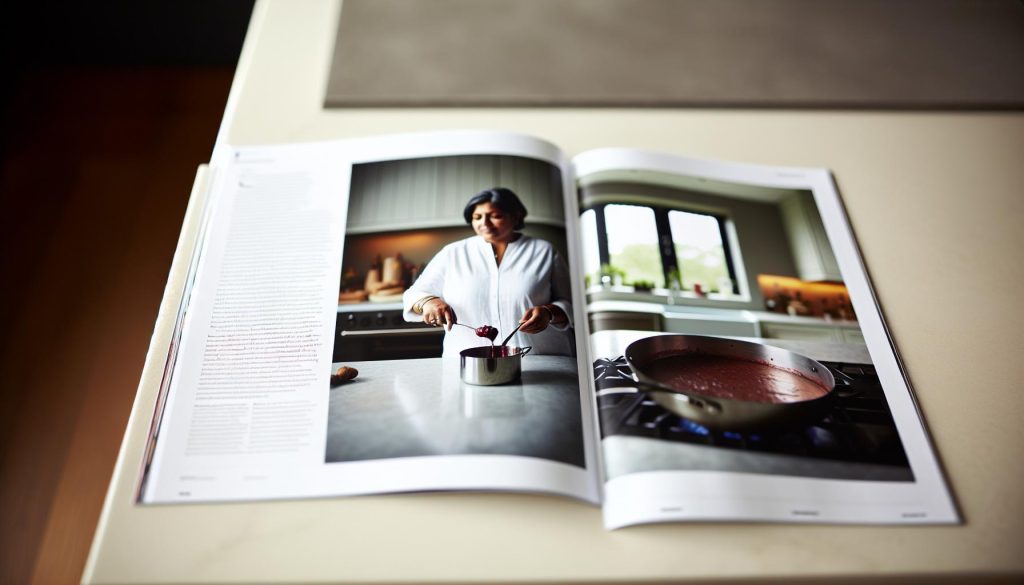
If you’re looking to elevate your steak dinner from everyday to extraordinary, mastering a red wine sauce is a fantastic place to start. This rich, flavorful sauce not only enhances the taste of your steak but also adds a touch of gourmet elegance to your meal. Imagine serving a juicy, perfectly cooked steak drizzled with a velvety red wine reduction that’s bursting with depth and complexity!
Making red wine sauce might sound intimidating, but it’s surprisingly simple and can be accomplished in just a few steps, using ingredients you probably have in your kitchen. Whether you’re hosting a dinner party or enjoying a quiet night in, this sauce will impress your guests and satisfy your cravings.
So roll up your sleeves, pour yourself a glass of the wine you plan to use, and let’s dive into this delicious culinary adventure that will have you feeling like a pro in no time!
Choosing the Right Red Wine for Cooking

can elevate your dishes significantly, especially when making a rich red wine sauce for steak. Not all wines are created equal, and the choice you make can directly affect the flavor profile of your meal. For cooking, it’s best to reach for wines that are fruity, well-balanced, and have depth. Look for options like a Merlot, Cabernet Sauvignon, or Syrah, as these varietals offer bold flavors that complement the savory elements of beef and enriched sauces.
When selecting a wine, consider its acidity and tannins. A wine with higher acidity can cut through the richness of the sauce, while a wine with moderate tannins will enhance the flavor without being overpowering. Aim for a bottle that you enjoy drinking! Cooking with a wine that you love will ensure that the flavors translate beautifully into your dish. A good rule of thumb is to avoid inexpensive “cooking wines” as they can contain added salt and preservatives, which might detract from the quality of your sauce.
Here’s a quick reference to help you choose the perfect red wine:
| Wine Type | Characteristics | Best For |
|---|---|---|
| Merlot | Smooth, medium-bodied, fruity | All-purpose sauce |
| Cabernet Sauvignon | Bold, full-bodied, rich | Steak and hearty dishes |
| Syrah/Shiraz | Spicy, medium to full-bodied | Complex sauces |
| Pinot Noir | Light, fruity, less tannic | Sauces with mushrooms or lighter meats |
Whether you’re searing meat or reducing a sauce, using the right red wine can make your culinary experience not just successful, but genuinely enjoyable. So, don’t hesitate to experiment a little and discover what works best for your palate! Happy cooking!
Essential Ingredients for a Flavorful Sauce
To create a red wine sauce that truly enhances your steak, you’ll want to gather a few essential ingredients that will work together to build rich layers of flavor. The core of any great sauce lies in the balance of components-each ingredient plays a vital role in contributing to the final taste and consistency.
Start with a high-quality red wine; this is your primary flavor agent. A medium to full-bodied wine like Cabernet Sauvignon or Merlot is ideal as they bring depth and complexity. Remember, the wine should be something you enjoy drinking because its flavor will be concentrated in the sauce. Next, you’ll need high-quality beef stock or broth. This will provide a savory base that enhances the sauce’s richness. Homemade stock is fantastic if you have the time, but store-bought varieties can work in a pinch-just opt for low-sodium versions if possible to keep the sauce from becoming overly salty.
The aromatics-like garlic and shallots-are crucial for building a fragrant foundation. Sautéing them in a bit of butter or olive oil will unlock their natural flavors. Consider adding a few sprigs of fresh herbs such as thyme or rosemary for added depth; they can infuse the sauce with a wonderful aroma. For a touch of sweetness to counterbalance the acidity of the wine, a small amount of sugar or honey can really round out the flavors. Finally, don’t forget a splash of balsamic vinegar or soy sauce to finish off the sauce with a hint of acidity and umami.
Essential Ingredients for Red Wine Sauce:
- Red Wine: Medium to full-bodied (e.g., Cabernet Sauvignon, Merlot)
- Beef Stock: For depth and richness
- Aromatics: Garlic and shallots for flavor
- Fresh Herbs: Thyme or rosemary for added fragrance
- Sweetener: Sugar or honey to balance acidity
- Vinegar or Soy Sauce: To incorporate acidity and umami
With these ingredients on hand, you’re well on your way to creating a sauce that not only complements your steak beautifully but also elevates your entire meal. Enjoy the process and feel free to experiment-cooking is all about finding what works best for you!
Step-by-Step Guide to Making Red Wine Sauce

To create a delectable red wine sauce that enhances your steak perfectly, follow these simple yet effective steps. With minimal ingredients and techniques, you’ll find this process approachable, even if you’re not an expert in the kitchen.
Start by selecting a medium to full-bodied red wine, such as Cabernet Sauvignon or Merlot. Pour about a cup into a saucepan and set it over medium heat. Allow the wine to simmer gently, letting it reduce by half. This concentration will build depth of flavor that will be the backbone of your sauce. Now is a great time to add a chopped shallot and a couple of cloves of minced garlic to the sauce. Cooking these in the wine will infuse their aromatic qualities into the mix, enhancing the overall experience.
Once your wine has reduced, incorporate about one cup of high-quality beef stock. This addition brings richness and umami to the sauce, perfectly complementing your steak. Increase the heat slightly and bring the sauce to a simmer again, allowing it to reduce further until you achieve your desired consistency-this usually takes about 10 minutes. Stir in a pat of butter at the end to add a silky texture and a little shine to your sauce. For a touch of sweetness, you can mix in a teaspoon of sugar or honey, adjusting to taste.
Finish your sauce with salt, pepper, and a splash of balsamic vinegar or a dash of soy sauce. This step balances the flavors and adds a subtle tartness that brightens the sauce. Serve it warm over your perfectly cooked steak for a dish that is sure to impress. Enjoy the process as you create this wonderful flavor-enhancing sauce, and remember that experimentation is part of the fun-feel free to tweak it to your personal preference!
Secrets to Perfectly Pairing Red Wine Sauce with Steak
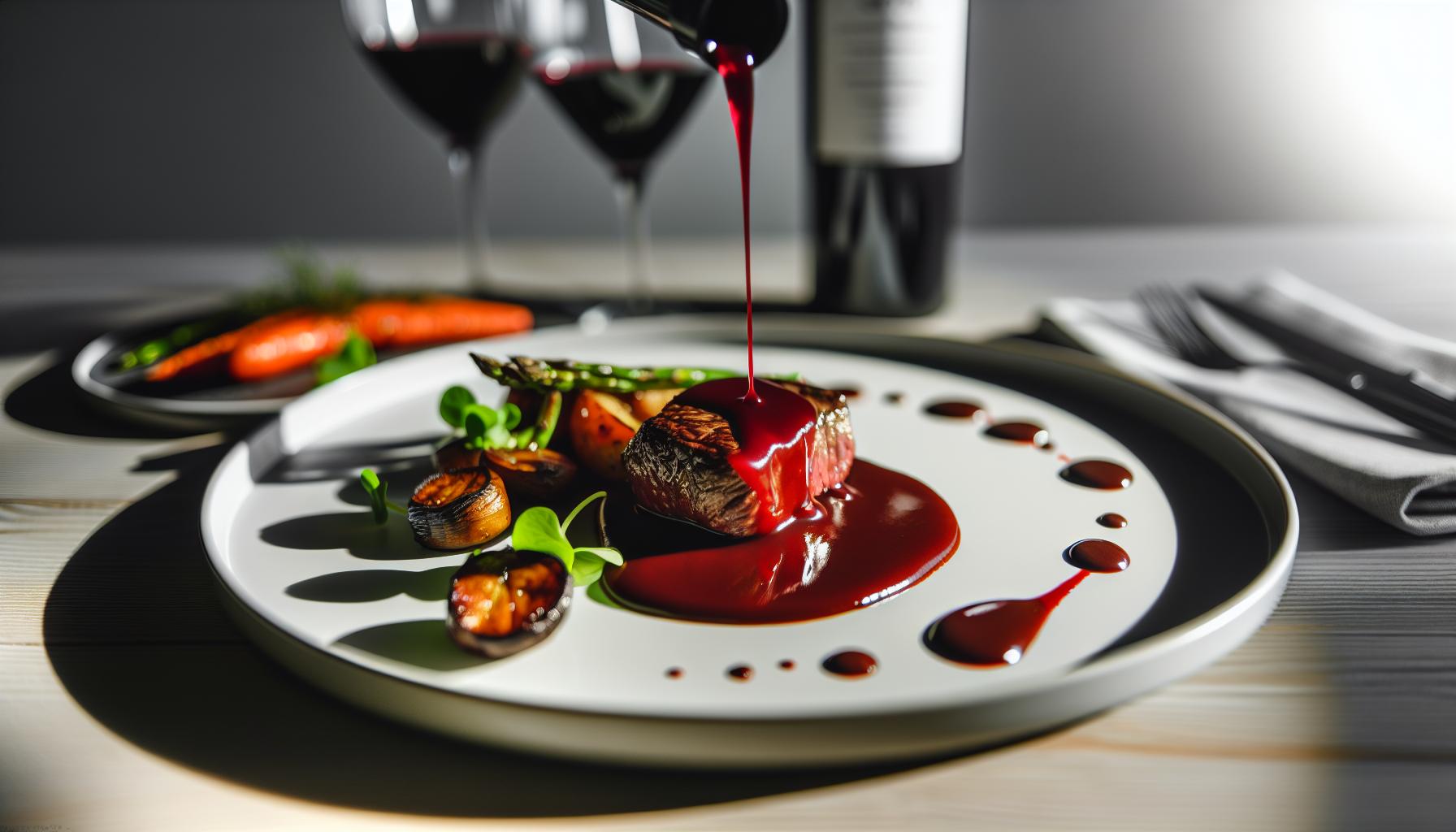
To truly elevate your steak dinner, pairing it with the right red wine sauce is essential. The synergy between your steak and the sauce can turn a simple meal into a culinary delight. A rich, flavorful red wine sauce enhances the meat’s natural umami, making each bite a celebration of tastes. Here are some secrets to get that perfect pairing.
First, consider the cut of steak you’re using. For bold cuts like ribeye or New York strip, which have rich flavors and a decent amount of fat, you want a sauce that can stand up to those characteristics. A robust sauce made from full-bodied wines like Cabernet Sauvignon or Malbec will complement the steak beautifully. For leaner cuts like filet mignon, a lighter red, such as Pinot Noir, will add depth without overwhelming the subtle flavors of the meat.
Next, think about the preparation of both the steak and the sauce. If you’re opting for a grilled steak with smoky flavors, a sauce with earthy notes-like one that includes mushrooms or herbs-will harmonize beautifully. You might even consider adding a splash of smoked paprika to your sauce for that grilled essence. Conversely, if your steak is roasted or pan-seared, those rich, caramelized flavors can pair wonderfully with a sauce that brings a bit of acidity, such as incorporating a dash of balsamic vinegar or even a hint of citrus to cut through the richness.
Utilizing Fresh Ingredients
Another secret lies in using fresh, high-quality ingredients. Fresh herbs like thyme or rosemary can lift the flavors of your sauce, making it fragrant and inviting. Don’t hesitate to experiment; fresh ingredients often yield surprising results that can enhance the overall dish.
Finally, remember that balance is key. If your steak is seasoned heavily or comes with a strong seasoning, your sauce should complement rather than overpower. Aim for a harmony of flavors where the steak and the sauce support each other for a dining experience that sings. With these insights, you’re not just cooking a meal; you’re crafting a sensory journey that will linger long after the last bite. Enjoy the process, and let your creativity shine!
Creative Variations: Enhance Your Red Wine Sauce
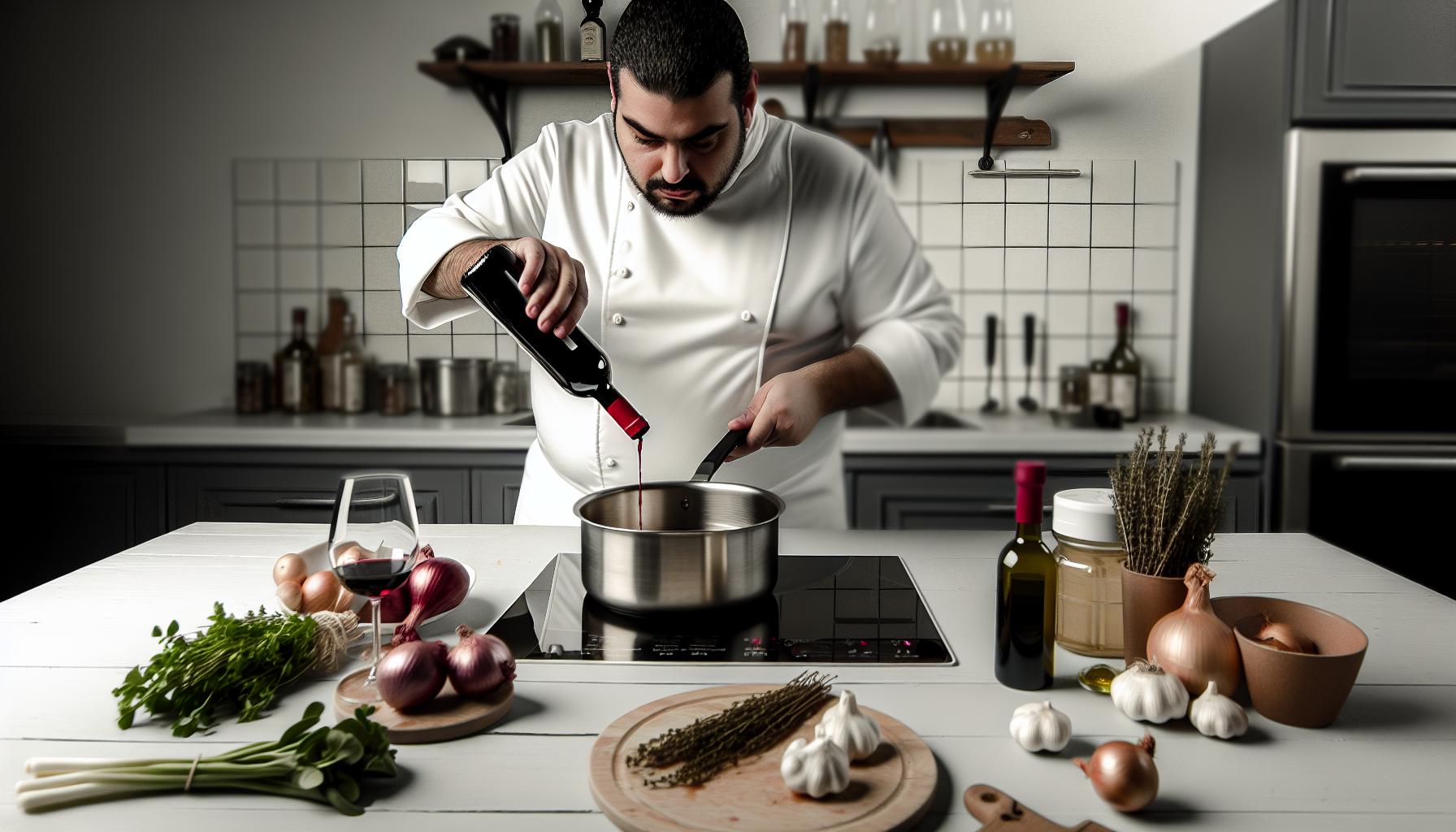
There’s something undeniably rewarding about creating a unique red wine sauce that reflects your personal touch and enhances your steak dish. To truly personalize this classic sauce, consider incorporating a few creative variations that can take your cooking to the next level. These enhancements not only elevate the flavor but also allow you to experiment with ingredients you love.
One delightful twist is adding fruit elements such as figs, cherries, or blueberries. These fruits contribute a natural sweetness that beautifully contrasts with the richness of the red wine and complements the savory notes of the steak. Simply cook down the fruit in the sauce during the simmering process until they break down and blend in. This adds not only flavor but also a beautiful depth of color.
If you’re in the mood for something with a bit more kick, consider incorporating spices like star anise or a dash of cinnamon. These warm spices can introduce a delightful complexity to your sauce. Start with a small pinch and taste as you go-this way, you can control how pronounced you want the spice notes to be. Additionally, experimenting with different herbs, such as sage or bay leaves, can enrich the sauce’s aroma and flavor profile, perfect for a comforting steak dinner.
Also, don’t shy away from experimenting with different types of stocks. A robust beef stock can intensify the umami flavors, while a vegetable stock can provide a lighter, yet rich alternative. Alternatively, for a decadent touch, finish the sauce with a swirl of butter or a splash of cream. This will add a luxurious texture and smoothness, making every bite of steak feel indulgent.
Above all, let your culinary curiosity guide you. Each variation can reflect your personal preferences and enhance the overall dining experience. So roll up your sleeves, gather your favorite ingredients, and feel free to make your red wine sauce as uniquely yours as the steak you’re preparing it for!
Common Mistakes to Avoid When Making Sauce
When crafting a delicious red wine sauce, the right approach can make all the difference. However, even seasoned cooks can run into pitfalls that can compromise the flavor and texture of their sauce. Here are some common mistakes to sidestep for a sauce that truly enhances your steak.
One mistake many make is using low-quality red wine. The wine not only adds depth but also significantly impacts the overall taste of your sauce. Opt for a bottle you wouldn’t mind drinking-this will help ensure a rich, complex flavor. Additionally, rushing the reduction process can yield disappointing results. Allow your sauce to simmer gently until it thickens and the flavors meld beautifully. It might be tempting to speed things up, but patience is key.
Another common error is neglecting to season at various stages. It’s essential to add salt and other seasonings in layers, rather than just at the end. This builds a more nuanced flavor profile. Similarly, avoiding the use of aromatics like onions, garlic, or herbs can leave your sauce flat. These ingredients contribute essential layers of flavor, so don’t skip them!
Lastly, be cautious with the consistency. If the sauce turns out too thick, simply add a splash of stock or water to loosen it up. Conversely, if it’s too runny, let it simmer longer to concentrate. Achieving the perfect sauce is a balancing act of flavors and textures, and being mindful of these common missteps will help you create a velvety, rich accompaniment for your steak. Happy cooking!
Tips for Storing and Reheating Red Wine Sauce
When it comes to enjoying your homemade red wine sauce, knowing how to store and reheat it properly can make all the difference in retaining its rich flavors and velvety texture. Red wine sauce is not just a delicious complement to your steak; it can be a time-saver for future meals if handled correctly. Here are some tips to ensure your sauce stays just as delightful as when you first made it.
First off, let your sauce cool to room temperature before storage. This is crucial to prevent condensation inside the storage container, which can dilute and affect the flavor. Once cooled, transfer the sauce into an airtight container. You can store it in the refrigerator for up to a week. For longer storage, consider freezing the sauce. Portioning it into smaller containers or ice cube trays allows for convenient use in the future. When you’re ready to use it, simply thaw overnight in the fridge or use the microwave for a quicker option.
Reheating is just as important as storing. Avoid reheating directly on high heat, as this can cause the sauce to break and lose its luscious texture. Instead, gently warm it over low heat on the stovetop, stirring regularly. If the sauce seems too thick after being refrigerated or frozen, add a splash of stock, wine, or even water to bring it back to the desired consistency. Always taste and adjust the seasoning after reheating; sometimes, a little extra salt or a squeeze of lemon juice can brighten up the flavors beautifully.
By following these simple steps, you can ensure your red wine sauce is always ready to elevate your steak dinners, keeping the homemade spirit alive and making every meal feel special. Happy cooking!
Serving Suggestions: Elevate Your Steak Dinner
When it comes to serving steak with red wine sauce, the right presentation can truly elevate your dinner experience. Picture this: a perfectly cooked steak, juicy and flavorful, glistening under a rich, glossy red wine sauce. It’s all about layering complementary flavors and textures that make each bite a memorable one.
To start, consider the plate itself. A simple white dinner plate acts as a perfect canvas, allowing the vibrant colors of your steak and sauce to shine. When plating, place the steak at the center and generously drizzle the red wine sauce over it. For added visual appeal, you can garnish with a sprig of fresh rosemary or thyme. Not only does this add a pop of color, but it also introduces an aromatic element that enhances the dining experience.
Chef’s Tips for Side Dishes
Pairing your steak with the right sides can enhance the overall meal. Consider these delicious options:
- Mashed Potatoes: Creamy, buttery mashed potatoes are a classic choice. They soak up the red wine sauce beautifully.
- Roasted Vegetables: A mix of seasonal roasted vegetables, like carrots, Brussels sprouts, and asparagus, adds freshness and crunch.
- Green Beans Amandine: Sautéed green beans with toasted almonds not only provide a vibrant contrast but also a delightful crunch.
- Risotto: For a touch of elegance, creamy risotto infused with garlic and parmesan can serve as a rich bed for your steak.
Remember, keeping your colors vibrant and using fresh ingredients can make even simple sides feel special.
A Touch of Wine
Don’t forget to pour a glass of the same red wine you used for the sauce! This continuity in flavors enhances the dining experience and allows your guests to savor the depth of the dish even further. If available, a full-bodied red like a Cabernet Sauvignon or a bold Merlot complements the richness of the steak and sauce beautifully.
Incorporating these tips will turn your steak dinner into an elevated experience, perfect for impressing guests or enjoying a special night in. Always feel free to experiment with your presentation and sides; after all, cooking is as much about creativity and joy as it is about following recipes. Enjoy your culinary adventure!
How to Balance Flavors in Your Sauce
Creating a red wine sauce for your steak is not just about following a recipe; it’s an art that revolves around balancing flavors to elevate your dish to gourmet status. The classic combination of red wine, shallots or onions, and butter forms a robust foundation, but enhancing this base is where the magic happens. Each ingredient you add can adjust the sauce’s flavor profile, so consider the contrasts and complements that will make your sauce sing.
To truly master flavor balancing, start by choosing the right red wine. Opt for a wine that you enjoy drinking, as its flavors will be concentrated during cooking. A fruity wine, such as a Merlot or Pinot Noir, will add a touch of sweetness, while a more tannic wine like Cabernet Sauvignon can impart depth and richness. Don’t skimp on quality; using a cheap wine will compromise the sauce, reflecting bitterness rather than a well-rounded flavor.
Layering Flavors
Think about layering flavors as you cook. Sautéing shallots in butter until soft releases their sweetness, which can balance the acidity of the red wine. When you deglaze the pan, scrape up any flavorful bits cooked onto the bottom-these tiny morsels are packed with flavor that adds complexity to your sauce. Another way to enhance the flavor is to incorporate aromatics like garlic and fresh herbs such as thyme or rosemary. Adding these near the end of cooking preserves their vibrant essence while infusing the sauce with an aromatic punch.
Tasting and Adjusting
As you craft your sauce, tasting is crucial. Start with a small pinch of salt or a splash of balsamic vinegar to accentuate the tastes instead of overwhelming them. If the sauce feels too acidic, a little sugar or honey can work wonders to balance it out. Remember to finish with a cold pat of butter to enrich the sauce’s texture and flavor. This technique not only gives your sauce a glossy finish but also rounds out harshness, creating a luxurious mouthfeel that simply clings to the steak.
Balancing flavors doesn’t have to feel intimidating. Think of it as a journey where you are the chef in control. Trust your instincts, keep tasting, and don’t be afraid to make adjustments throughout the process. Enjoy the exploration of flavors and the joy of crafting your perfect red wine sauce-it’s all part of the delightful experience of cooking.
Pairing Side Dishes with Steak and Wine Sauce
When it comes to enjoying steak with red wine sauce, the right side dishes can elevate your entire meal, transforming a good dinner into a memorable feast. A beautifully cooked steak paired with a rich, velvety red wine sauce deserves accompaniments that can complement and balance those robust flavors. Here are a few suggestions that will blend beautifully with your main dish.
Classic Pairings
For a traditional approach, consider serving your steak alongside classic sides such as:
- Garlic Mashed Potatoes: Creamy mashed potatoes infused with garlic perfectly soak up the rich wine sauce, making each bite satisfying.
- Roasted Vegetables: A medley of root vegetables like carrots, parsnips, and potatoes, lightly seasoned and roasted, adds a lovely caramelized sweetness that contrasts beautifully with the sauce’s acidity.
- Green Beans Amandine: The crispness of green beans sautéed with almonds provides a nice textural balance and a nutty flavor that complements the dish well.
Creative Options
If you’re feeling adventurous, try some creative side dishes that can add flair to your dinner:
- Wild Mushroom Risotto: The earthiness of mushrooms melds wonderfully with red wine, making this creamy risotto an excellent match for steak.
- Polenta: Creamy polenta can serve as a comforting base for your steak. Top it with a bit of the red wine sauce for a cohesive flavor experience.
- Spinach Salad with Feta: A fresh spinach salad tossed with feta and a light vinaigrette can provide a refreshing contrast to the richness of the steak and sauce.
Hearty Accompaniments
For those who prefer heartier sides, consider:
- Grilled Asparagus: A touch of charred flavor from a grill brings out the natural sweetness of asparagus while its grassy notes enhance the wine sauce.
- Cauliflower Gratin: This cheesy, baked dish can satisfy comfort food cravings and add a creamy contrast to the meal.
Each of these sides not only complements the steak and red wine sauce but also allows you to tailor your meal to suit your tastes, whether you prefer classic, creative, or hearty options. The key is to choose sides that will harmonize with the sauce’s flavor profile, enhancing the overall dining experience. Enjoy experimenting and remember, cooking is all about making it your own!
Exploring Red Wine Varieties for Cooking
When it comes to crafting the perfect red wine sauce, the choice of wine can make or break your dish. Not all red wines are created equal, and understanding the distinct characteristics of various varieties can elevate your sauce from good to gourmet. It’s essential to choose a wine that not only enriches your sauce but also harmonizes beautifully with the steak.
One popular choice is Merlot. Known for its soft tannins and fruit-forward profile, Merlot adds a smooth and velvety quality to the sauce. It works especially well with beef, bringing out the flavors of the meat without overwhelming it. Another great option is Cabernet Sauvignon, which boasts robust tannins and deep berry flavors. This wine complements heavier cuts of beef beautifully, enhancing the sauce’s richness and depth.
If you want to experiment, consider using Pinot Noir. Its lighter body and acidity can create a delicate sauce that works nicely with leaner meats like filet mignon or even lamb. For a more adventurous approach, a splash of Syrah can introduce spicy and fruity notes, perfect if you’re looking to surprise your palate with more complex flavors.
When choosing a wine, remember that it’s not just about the type; the quality matters too. It doesn’t have to be an expensive bottle, but opt for a wine you’d enjoy drinking. The flavors in the sauce will concentrate as it cooks, so using a decent quality wine will yield a more vibrant taste profile. On top of that, if you have leftovers, feel free to enjoy a glass with your meal! This approach not only enhances your sauce but also creates a cohesive dining experience.
In summary, opens an exciting avenue for flavor enhancement in sauces. Whether you stick with classic choices like Merlot and Cabernet Sauvignon or get creative with Pinot Noir and Syrah, each wine brings a unique touch to your culinary creation. Enjoy the journey of trial and flavor, and let your taste preferences lead the way!
Frequently Asked Questions
Q: What type of red wine is best for making red wine sauce?
A: The best red wines for sauce making include full-bodied varieties like Cabernet Sauvignon, Merlot, or Shiraz. These wines have robust flavors that enhance the sauce. Avoid sweet or low-quality wines, as they can negatively affect the sauce’s taste. For specific tips, refer to the Choosing the Right Red Wine for Cooking section.
Q: Can I use leftover wine to make red wine sauce?
A: Yes, using leftover wine is a great way to utilize it! Just ensure that it’s still good quality. The flavors from a previously opened bottle can still impart delicious depth to your sauce. Explore more on this in the Exploring Red Wine Varieties for Cooking section.
Q: How long does red wine sauce last in the fridge?
A: Red wine sauce can last up to 4 days in the fridge when stored in an airtight container. To reheat, gently warm it on the stove while stirring to maintain its texture. Check the Tips for Storing and Reheating Red Wine Sauce for more information.
Q: What meats pair well with red wine sauce aside from steak?
A: Besides steak, pork, lamb, and duck also pair excellently with red wine sauce. The sauce complements their rich flavors beautifully. If you’re looking for a variety of options, see the Serving Suggestions section for other creative combinations.
Q: Should I reduce the sauce after adding wine?
A: Yes, reducing the sauce after adding wine helps concentrate the flavors and achieve a thicker texture. Simmer the sauce for about 15-20 minutes until it has the desired consistency. For a deeper dive, check the Step-by-Step Guide to Making Red Wine Sauce.
Q: How can I balance the acidity of red wine in my sauce?
A: To balance acidity in red wine sauce, add a pinch of sugar or honey to mellow the sharpness. Alternatively, incorporating a bit of cream can smooth out flavors. For more tips on flavor balance, refer to the How to Balance Flavors in Your Sauce section.
Q: What should I serve with red wine sauce?
A: Great side dishes include mashed potatoes, roasted vegetables, or a fresh salad. They complement the rich flavors of the sauce. For ideas on elevating your dinner, explore the Pairing Side Dishes with Steak and Wine Sauce section.
In Conclusion
Thank you for exploring this delicious way to elevate your steak with our rich red wine sauce. Remember, the key takeaways include selecting a quality wine and not being afraid to tweak the recipe to your taste-feel free to get creative! If you’re eager to impress at your next meal, grab your ingredients and start cooking.
For more tasty enhancements, check out our recipes for classic Steak Marinade or Mastering Garlic Butter. Don’t forget to sign up for our newsletter to get the latest recipes and tips delivered right to your inbox!
Your culinary journey doesn’t stop here-explore our other recipes that pair perfectly with red wine or read about the best wines for cooking! We’d love to hear how your sauce turned out, so share your comments and tag us in your delicious creations. Happy cooking!
Get our latest guides, news, and insights highlighted in your Google Search & AI Overviews.