
Did you know that pumpkin seeds are not just a delicious snack, but also a powerhouse ingredient for making creamy, nut-free spreads? Whether you’re looking for a delightful alternative to traditional nut butters or simply want to explore new flavors in your kitchen, pumpkin seed butter is an excellent choice. It’s rich in nutrients, easy to make, and incredibly versatile-perfect for spreading on toast, adding to smoothies, or even drizzling over pancakes. This pumpkin seed butter recipe invites you to get creative without worrying about nut allergies. With just a handful of simple ingredients and a few easy steps, you’ll have a delicious, homemade spread that will impress everyone. So, let’s get started on transforming those humble pumpkin seeds into a gourmet treat that’s both nutritious and satisfying!
Choosing the Right Pumpkin Seeds for Creamy Butter
When it comes to making deliciously creamy pumpkin seed butter, selecting the right seeds is crucial. The best option is to choose hulled pumpkin seeds, often labeled as “pepitas.” These seeds have a tender texture and a rich, nutty flavor that contribute to a smooth butter. Look for raw or lightly roasted seeds, as this will allow you to control the roasting process and achieve your desired flavor intensity.
Consider sourcing organic seeds to avoid any pesticides and enjoy a more wholesome product. Freshness is also key-seeds that are stale will impact both the flavor and texture of your butter. If possible, purchase them from bulk bins, where you can ensure turnover is high and the seeds are fresh.
When you’re ready to blend, a high-quality blender or food processor is essential. These tools will help break down the seeds into a creamy consistency, ensuring a spread that’s both delicious and enjoyable. If you’re experimenting and want to enhance the flavor, consider adding a pinch of salt or a drizzle of honey or maple syrup as you blend. This not only elevates the taste but also makes your pumpkin seed butter uniquely your own. Happy blending!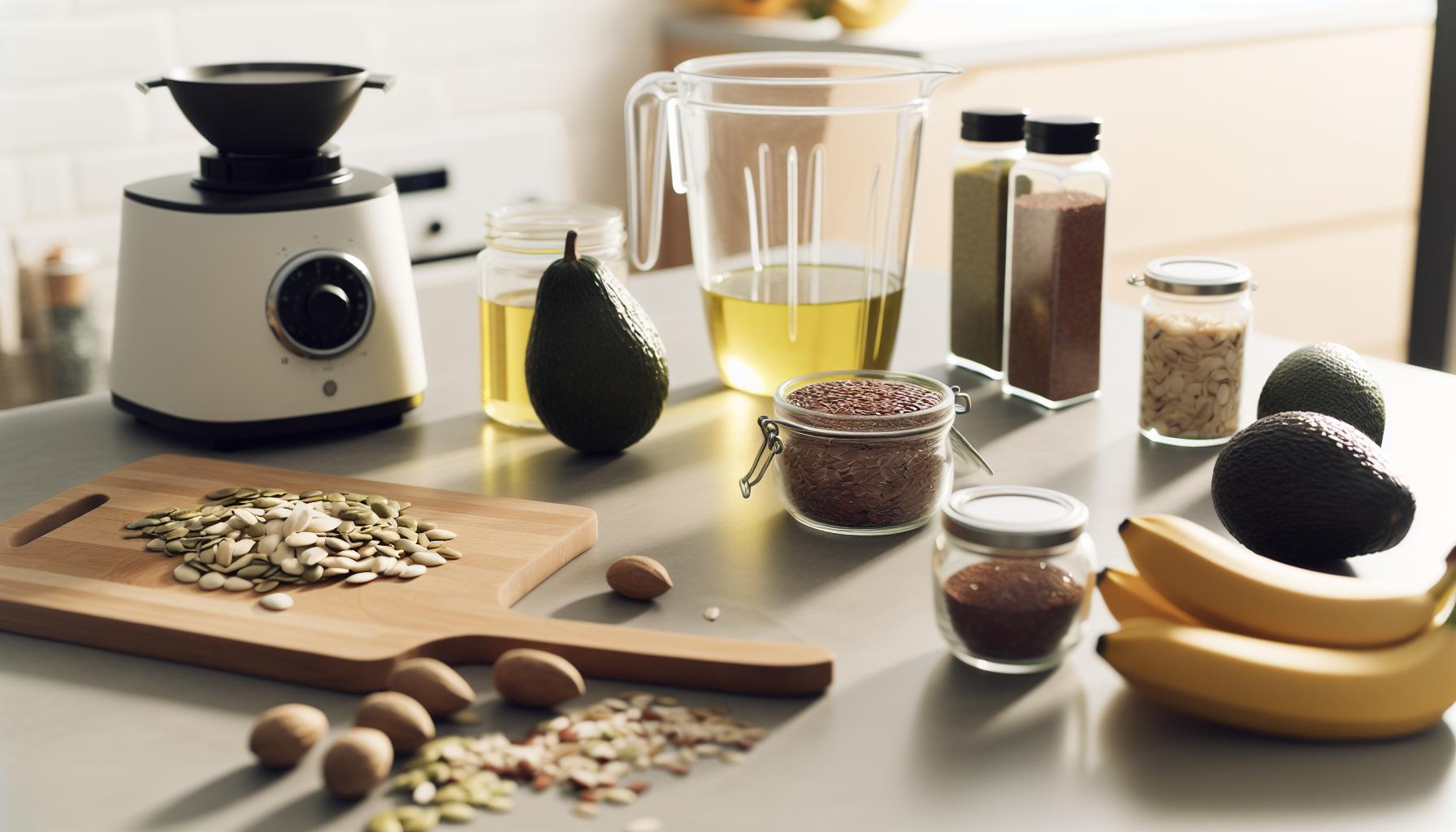
Essential Ingredients for Your Nut-Free Spread
To whip up a delightful nut-free spread, your ingredient list is both simple and approachable. At the heart of your pumpkin seed butter are the hulled pumpkin seeds, commonly known as pepitas. These little green gems are packed with nutrients and bring a satisfying crunch and nutty flavor that make the butter rich and creamy. Look for raw or lightly roasted seeds; this gives you the freedom to control the roasting process, adjusting it to your taste preferences.
In addition to pumpkin seeds, a splash of oil can enhance your spread’s creaminess. Coconut oil or olive oil works wonders here. They add a silky texture while balancing the earthy flavor of the seeds. If you’re aiming for a bit of sweetness, stir in some honey or maple syrup-these natural sweeteners not only elevate your butter but also make it uniquely yours. A pinch of salt is also a game-changer; it brings all the flavors together and amplifies the nutty notes.
For a traditional creamy spread, you’ll need tools that you likely already have in your kitchen-a high-quality blender or a food processor will do the job beautifully. These appliances are key to breaking down the seeds into a smooth consistency, ensuring your end product is not only tasty but also spreadable. Just remember to scrape down the sides of your blender/processor as you go, ensuring all seeds are thoroughly blended.
Experimentation is part of the fun! You can try adding a sprinkle of spices like cinnamon or nutmeg for a warm flavor kick. Get creative with variations to suit your taste, but always start with the basics. With just a few simple ingredients and your kitchen tools, you can create a delicious powerhouse of flavor that’s perfect for spreading on toast, swirling into yogurt, or even as a dip for fruits. Enjoy your journey to a homemade nut-free delight!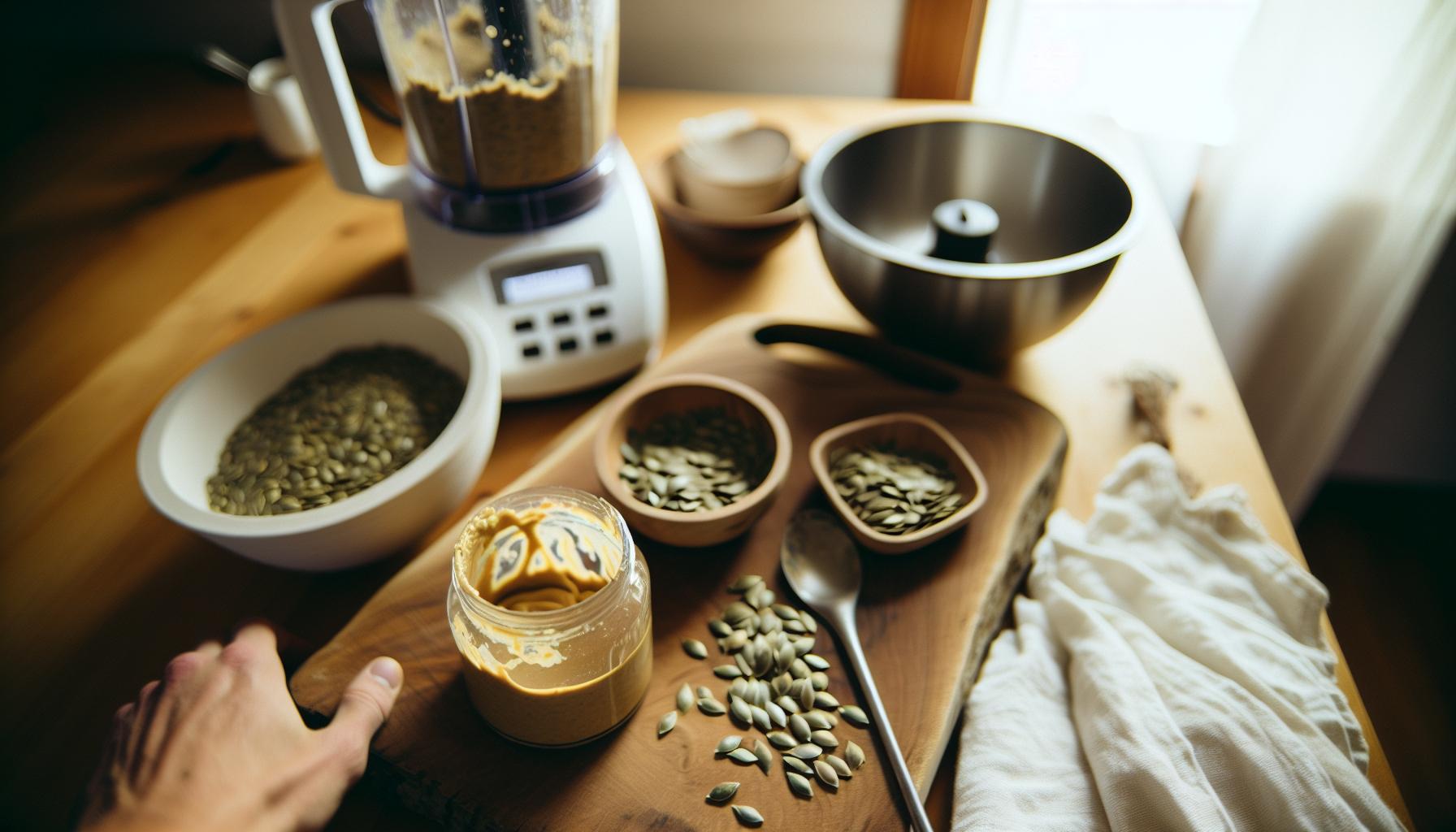
Easy Step-by-Step Guide to Making Pumpkin Seed Butter
Making pumpkin seed butter is a simple and satisfying culinary adventure that can be enjoyed in just a few easy steps. Whether you’re looking for a nut-free spread for toast, a dip for fruits, or a flavorful addition to your morning oatmeal, this homemade delight offers a creamy texture and nutty flavor that’s incredibly versatile. Let’s dive into how you can create your very own pumpkin seed butter right in your kitchen.
Start by gathering your ingredients and equipment. For this task, you’ll need hulled pumpkin seeds (also known as pepitas), your choice of oil (like coconut or olive), a pinch of salt, and if you fancy a touch of sweetness, some honey or maple syrup. You’ll also need a high-speed blender or food processor, which will help achieve that smooth, spreadable consistency.
Begin by measuring about 1 to 2 cups of pumpkin seeds. If you prefer a roasted flavor, spread the seeds on a baking sheet and roast them in a preheated oven at 350°F (175°C) for about 10-15 minutes, checking frequently. This step is optional but can enhance the taste. Once your seeds are ready, transfer them to your blender or food processor. Add 1 to 2 tablespoons of your chosen oil, a pinch of salt, and any sweeteners or spices to taste.
Next, blend the mixture on high speed. Scrape down the sides of the bowl as needed to ensure everything gets blended evenly. You might need to stop and stir a few times, especially at first, as the seeds break down and turn into a thick paste. Continue blending until you reach your desired smoothness-this usually takes about 3 to 5 minutes. If you find the mixture too thick, feel free to add a bit more oil to help it along.
Once the butter is creamy and well-blended, transfer it to an airtight container. It can be enjoyed right away, but letting it sit for a few hours can deepen the flavors. Store your pumpkin seed butter in the refrigerator for up to a couple of weeks. Enjoy your homemade creation on toast, in smoothies, or as a dip for fruit and veggies. Each step allows for creativity-so don’t hesitate to adjust flavors to match your taste preferences!
Tips for Achieving the Perfect Creamy Texture
Achieving the perfect creamy texture in your pumpkin seed butter is all about the right techniques and a bit of patience. When you start blending your seeds, you might notice they initially create a gritty paste that can be discouraging, but don’t worry! This is a natural part of the process. One key tip is to stop your blender or food processor periodically to scrape down the sides. This ensures that all the seeds are incorporated evenly, preventing any clumps from forming.
Another effective trick is to control the temperature of your pumpkin seeds. If you’ve roasted them beforehand, let them cool slightly before blending. Warm seeds can lead to a smoother butter since the heat helps the oils in the seeds release, contributing to a creamier consistency. If you decide not to roast them, consider adding a splash of warm oil to the mix. This gentle warmth can help break down the seeds more effectively.
As you’re blending, the mixture might start becoming quite thick. If you find it’s not reaching the silky smooth texture you desire, don’t hesitate to add extra oil a little at a time. Coconut oil or olive oil can provide not only creaminess but also enhance the flavor. Remember, the blending process can take anywhere from three to five minutes, and it’s worth spending that time to really let those seeds turn into a delightful spread!
Lastly, don’t forget to taste as you go! This is your homemade creation, and tweaking the flavors or adding a bit more oil can make all the difference. With these tips, your pumpkin seed butter will be irresistibly creamy and ready to elevate your snacks and meals. Happy blending!
Flavor Variations to Elevate Your Pumpkin Seed Butter
Creating your own pumpkin seed butter is not just about following a recipe; it’s about personalizing it to suit your taste buds and dietary needs. There’s a whole world of flavor variations you can explore that will enrich your creamy spread and make it even more delicious. Let’s dive into some intriguing ideas to elevate your pumpkin seed butter from simple to sensational!
Add Some Sweetness
If you have a sweet tooth, consider incorporating natural sweeteners like honey, maple syrup, or agave nectar. Start with one tablespoon and adjust to your taste. For a delightful twist, mix in a touch of vanilla extract or sprinkle in some ground cinnamon for a warm, cozy flavor. You can even experiment with chocolate by folding in some cocoa powder for a rich, indulgent treat.
Spice It Up
For those who enjoy a bit of spice, add a pinch of sea salt to enhance the natural flavors of the seeds. You can also try adding a dash of chili powder or cayenne pepper for a kick that transforms your butter into a savory delight. If you like more traditional seasonings, a sprinkle of nutmeg or pumpkin pie spice can bring out those fall flavors that pair wonderfully with pumpkin seed butter.
Mix in the Good Stuff
Texture is key to a satisfying spread. Consider blending in some finely chopped nuts (if not allergic), seeds, or dried fruits such as cranberries or raisins. These additions can provide a delightful crunch and a hint of sweetness that complements the creamy richness of the pumpkin seed base. You can even swirl in a bit of coconut cream for a tropical flair!
Infuse with Oils
Elevate the flavor profile by incorporating flavored oils. A splash of toasted sesame oil can add a nutty depth, while coconut oil can lend a subtle sweetness. Just remember to add these sparingly, as you want to keep the balance right. Each of these variations not only enhances the taste but also offers a unique experience every time you enjoy your pumpkin seed butter.
The beauty of making pumpkin seed butter is the freedom to customize it to your liking. So don your apron, let your creativity shine, and enjoy the process as much as the product!
Nutritional Benefits of Pumpkin Seed Butter
Pumpkin seed butter isn’t just delicious-it’s also a powerhouse of nutrition that can elevate your spread game while offering considerable health benefits. Made from nutrient-dense pumpkin seeds, this creamy delight is rich in healthy fats, protein, and a variety of vitamins and minerals, making it a fantastic addition to your diet, especially for those seeking nut-free alternatives.
One of the standout features of pumpkin seed butter is its impressive nutrient profile. It’s packed with essential fatty acids, particularly omega-3 and omega-6, which support heart health and promote overall well-being. Additionally, a couple of tablespoons of pumpkin seed butter can provide significant amounts of magnesium, which is crucial for muscle function, energy production, and bone health. The seeds also boast a healthy dose of zinc, an essential mineral important for immune function, wound healing, and DNA synthesis.
Moreover, this spread is an excellent source of plant-based protein, catering to those looking to increase their protein intake without relying on animal products. Integrating pumpkin seed butter into your meals can help keep you fuller for longer, which is beneficial for weight management. With about 7 grams of protein per two-tablespoon serving, it can easily enhance smoothies, oatmeal, or even stand alone as a spread on whole grain bread.
Not to forget, pumpkin seeds are rich in antioxidants, including vitamin E, which contribute to fighting oxidative stress in the body. This can help reduce the risk of chronic diseases and promote healthy skin. When you make your own pumpkin seed butter, you control the ingredients, ensuring it’s free from additives and preservatives, making it not only a wholesome choice but also a delicious one. So, whether you’re spreading it on toast or adding it to baked goods, pumpkin seed butter is a simple yet mighty addition to your culinary repertoire!
Creative Ways to Use Pumpkin Seed Butter in Recipes
Incorporating pumpkin seed butter into your recipes not only adds a rich, nutty flavor but also boosts their nutritional value significantly. This creamy spread is incredibly versatile and can enhance a variety of dishes. Here are some delightful ways to use pumpkin seed butter that you’ll want to try!
Start your day with a delicious breakfast by spreading pumpkin seed butter on warm toast or whole grain pancakes. Top it off with sliced bananas or fresh berries, a drizzle of honey, and a sprinkle of chia seeds for added texture and flavor. You can also swirl it into your morning oatmeal or yogurt for an extra protein kick.
For lunch, consider using pumpkin seed butter as a savory addition to sandwiches. Pair it with sliced turkey, fresh spinach, and a dash of sriracha for a unique twist on a classic sandwich. Alternatively, try mixing it into salad dressings-for instance, whisk together pumpkin seed butter, apple cider vinegar, and a touch of maple syrup for a flavorful vinaigrette that pairs beautifully with leafy greens.
When it comes to snacking or dessert, the options are endless! Blend pumpkin seed butter into smoothies for a creamy texture and protein boost. It makes a fantastic addition to energy balls too. Just combine it with oats, dried fruits, and a sweetener of your choice, then roll them into bite-sized balls for a nutrient-packed snack on the go. You can even use it in baking. Substitute it for other butters in recipes for muffins or cookies to add a unique flavor profile to your treats.
By experimenting with these ideas, you’ll find that pumpkin seed butter is not just a filler but a star ingredient that can elevate meals and snacks while keeping them nut-free and nutritious!
Storage Solutions for Freshness and Longevity
To keep your homemade pumpkin seed butter fresh and enjoyable for as long as possible, proper storage is essential. This creamy spread, packed with flavor and nutrition, can last for weeks if stored correctly. The most important aspect is to use airtight containers. Glass jars with tight-fitting lids are ideal, as they minimize exposure to air, which can lead to oxidation and spoilage.
Always store your pumpkin seed butter in the refrigerator. The cool temperature helps maintain its creamy texture and rich flavor while preventing the growth of bacteria. It’s best to use it within two to three weeks for optimal freshness, but if you’re making a larger batch, consider freezing it. Pumpkin seed butter can be frozen for up to three months. Just portion it into small containers or ice cube trays for easy access. This way, you can thaw only what you need without compromising the entire batch.
Before you dig in, give your butter a little stir. Natural oils can separate over time, so mixing it back together will recreate that luscious consistency you love. If you notice that your pumpkin seed butter has developed an off smell or taste, it’s time to toss it-better safe than sorry!
Store your pumpkin seed butter away from strong odors, such as garlic or onions, as it can absorb those flavors. For those who love a pinch of creativity, consider adding flavorings right before you use it, instead of incorporating them into the entire batch. This allows you to enjoy different taste profiles while keeping your base spread fresh and untainted by others. Proper care will ensure that your pumpkin seed butter stays a delightful addition to your meals and snacks!
Popular Pairings with Pumpkin Seed Butter
There’s something truly satisfying about slathering a spread that’s not just delicious but also packed with nutrients. Pumpkin seed butter, creamy and rich, can elevate your meals and snacks in numerous delightful ways. Whether you’re spreading it on toast, mixing it into recipes, or simply enjoying it by the spoonful, understanding the best pairings can enhance your experience.
Start with breakfast, where pumpkin seed butter shines on whole grain toast or bagels. Pair it with banana slices for sweetness or top it with a drizzle of honey and a sprinkle of cinnamon for a warm, cozy treat. For a protein boost, try adding a dollop of your favorite yogurt alongside the butter-combine flavors and textures for a deliciously satisfying start to your day.
When it comes to snacks, consider using pumpkin seed butter as a dip for fresh fruits like apple slices or pear wedges. The nutty flavor complements these sweet fruits exceptionally well-add a dash of cinnamon or even a few chocolate chips for a sweet indulgence. For a savory twist, spread it on crackers or rice cakes topped with sliced cucumbers or radishes, providing a delightful crunch and a burst of flavor.
In the world of baking and cooking, pumpkin seed butter can be an excellent substitute for other spreads in recipes. Use it as a base for smoothies, blending it with fruits and a splash of almond milk for a creamy drink. You can even incorporate it into baked goods. Try adding a spoonful to your pancake batter or mix it into cookie dough for added moisture and a nutty taste that pairs beautifully with chocolate chips or dried fruits.
Lastly, if you’re experimenting with flavors, consider infusing your pumpkin seed butter with spices or other ingredients. A pinch of sea salt, a splash of vanilla extract, or even some maple syrup can create a unique twist that will keep your taste buds excited. The versatility of pumpkin seed butter allows for endless creativity in the kitchen!
Allergen-Friendly Alternatives: Comparing Spreads
When it comes to finding delicious, allergen-friendly spreads, pumpkin seed butter stands out as a top choice, especially for those looking to avoid nuts. It’s creamy, rich, and versatile, making it an ideal alternative for various dietary needs. But how does it compare to other popular spreads that cater to nut allergies? Let’s dive into the world of alternatives and see what each can offer.
Sunflower Seed Butter: Like pumpkin seed butter, sunflower seed butter is nut-free and provides a similar creamy texture. It has a mildly sweet and earthy flavor, making it perfect for spreading on toast or using in recipes. One of its advantages is its high vitamin E content, which promotes healthy skin and immune function. However, keep in mind that some sunflower seed products may be processed in facilities that also handle nuts, so check labels carefully if allergies are a concern.
Hemp Seed Butter: Another plant-based spread that’s gaining popularity is hemp seed butter. It offers a unique nutty flavor and is packed with omega-3 fatty acids and protein, making it a nutritious option. Its consistency can sometimes be thicker than pumpkin seed butter, but it blends beautifully into smoothies or can be enjoyed as a dip. Similar to sunflower seed spread, be sure to verify that it’s made in a nut-free facility.
Coconut Butter: If you prefer a sweeter option, coconut butter can add a tropical twist to your spreads. While it does not have the same nutrient profile as pumpkin seed butter, it’s vegan and allergen-friendly. Use it in recipes or as a topping for pancakes. Its sweet taste pairs well with fruits and makes it a delightful addition to smoothies, although its texture is drier compared to seed butters.
Comparing Nutritional Benefits: Here’s a quick comparison of some common allergen-friendly spreads based on their nutrient profiles-specifically protein, fiber, and healthy fats-which are essential in maintaining energy levels and fullness throughout the day:
| Spread | Protein (per 2 tbsp) | Fiber (g) | Healthy Fats (g) |
|---|---|---|---|
| Pumpkin Seed Butter | 7g | 2g | 16g |
| Sunflower Seed Butter | 6g | 2g | 14g |
| Hemp Seed Butter | 5g | 1g | 13g |
| Coconut Butter | 2g | 2g | 9g |
Exploring these alternatives can lead to delightful culinary creativity while catering to various dietary restrictions. By trying different spreads, you can discover the flavors and textures that best suit your meals and snacks, ensuring that everyone can enjoy a nut-free treat!
Troubleshooting Common Pumpkin Seed Butter Issues
Creating homemade pumpkin seed butter can be a delightful culinary adventure, but it may come with its own set of challenges. If you’ve encountered issues while making your spread, don’t fret! Here are some common problems and practical solutions to help you achieve that creamy consistency and delicious taste you’re after.
One of the most frequent challenges is achieving the desired creaminess. If your pumpkin seed butter is too thick or grainy, it often results from insufficient blending time. Make sure you’re using a high-powered blender or food processor and give it ample time to mix-sometimes up to 10 minutes. If you notice it’s still not smooth enough, consider adding a small amount of neutral oil, like avocado or grapeseed oil, to help emulsify and create a richer, creamier texture. Remember to stop occasionally to scrape down the sides to ensure everything is incorporating evenly.
Another issue might be flavor imbalance. Freshly made pumpkin seed butter should have a nutty, slightly sweet taste. If it turns out too bitter, check the quality of your pumpkin seeds; rancid or old seeds can ruin the flavor. Roasting your seeds beforehand can enhance their natural sweetness and reduce bitterness. Simply toss them in a pan over medium heat for a few minutes until they’re golden, stirring regularly to avoid burning. After roasting, allow them to cool before blending for best results.
If your pumpkin seed butter separates, forming oil on top, it may be due to it being too warm or too cold during storage. This is completely normal! Just give it a quick stir to reincorporate the oil. To keep it from separating too much, store it in a cool, dry place in an airtight container. If you live in a warm climate, consider refrigerating it to maintain the right consistency.
Lastly, if your spread lacks depth or character, don’t hesitate to experiment with flavor additions. A pinch of sea salt or a dash of maple syrup or honey can elevate the taste immensely. Spices like cinnamon or vanilla extract can also add a delightful twist. Feel free to get creative with flavor variations that suit your preferences!
Making pumpkin seed butter can sometimes feel daunting, but with these troubleshooting tips, you’re well on your way to whipping up a batch that’s smooth, flavorful, and perfectly tailored to your taste. Embrace the experience and remember that every attempt brings you closer to your perfect nut-free spread!
Sustainable Practices for Choosing Ingredients
When crafting your own pumpkin seed butter, sustainability can be enjoyable and rewarding! Not only does opting for environmentally friendly ingredients benefit the planet, but it can also enhance the flavor of your homemade spread. By choosing organic and locally sourced ingredients, you not only support local farmers but also often find better quality seeds that are fresher and more flavorful. Look for pumpkin seeds that are certified organic to ensure they are grown without harmful pesticides and fertilizers, which can have a long-term impact on the environment.
Another great sustainable practice is to consider the packaging of the ingredients you buy. Many stores now offer bulk bins, which allow you to purchase pumpkin seeds without any packaging waste. Bring your reusable containers and fill them up-this not only reduces plastic waste but can also save you some money! When you’re selecting oils to add to your butter, look for ones that are sustainably sourced. Cold-pressed oils, like avocado or olive oil, often come from producers who prioritize ethical farming practices, making your spread even more eco-friendly.
Utilizing seasonal ingredients is a fantastic way to minimize your carbon footprint while enhancing the flavor of your pumpkin seed butter. For instance, if you’re mixing in sweeteners like honey or maple syrup, seek out local producers who harvest sustainably. Not only does this support your local economy, but the ingredients are also fresher and more vibrant in flavor. You can even experiment with adding seasonal spices, such as cinnamon or nutmeg, which can often be found locally during the fall harvest season.
Remember, lifestyle choices and small adjustments in your kitchen can lead to significant changes over time. Embracing these sustainable practices not only contributes to creating a delicious pumpkin seed butter but also cultivates a mindful and eco-conscious cooking philosophy that you can share and inspire in your household. Happy butter-making!
Q&A
Q: What are the health benefits of pumpkin seed butter?
A: Pumpkin seed butter is rich in nutrients including magnesium, zinc, and healthy fats, making it great for heart health and boosting immunity. It’s also high in antioxidants and can support prostate health. This nut-free spread is an excellent choice for those with allergies and offers a creamy texture that’s perfect for various dishes.
Q: How can I make my pumpkin seed butter creamier?
A: To achieve a creamier texture in your pumpkin seed butter, try adding a tablespoon of oil (like coconut or olive oil) during blending. You can also blend the seeds for longer or incorporate a splash of milk or a dairy-free alternative to enhance the consistency.
Q: Can I use roasted pumpkin seeds for making pumpkin seed butter?
A: Yes, using roasted pumpkin seeds adds a deeper flavor to your butter. Just ensure they are unsalted and not overly seasoned. Lightly roasting the seeds before blending can elevate the taste and make for a delicious spread.
Q: What can I mix into pumpkin seed butter for flavor?
A: Flavor variations like cinnamon, vanilla extract, or honey can enhance the taste of your pumpkin seed butter. Adding cocoa powder creates a chocolatey version, while mixing in some salt can balance sweetness and enhance flavor complexity.
Q: How can I store homemade pumpkin seed butter?
A: Store your homemade pumpkin seed butter in an airtight container in the refrigerator for up to two weeks. For longer shelf life, you can freeze it in small portions. This keeps the butter fresh and easy to use in recipes.
Q: Is pumpkin seed butter suitable for baking?
A: Absolutely! Pumpkin seed butter can be used in baking as a substitute for other nut butters. It adds moisture and a unique flavor to recipes like cookies, pancakes, and bread while providing a nut-free option for those with allergies.
Q: How long does it take to make pumpkin seed butter?
A: Making pumpkin seed butter typically takes about 10-15 minutes, including preparation and blending. The time may vary depending on your blender’s power and the desired smoothness of the butter.
Q: Can pumpkin seed butter be used as a vegan protein source?
A: Yes, pumpkin seed butter is an excellent vegan protein source. It’s packed with protein, making it a nutritious addition to smoothies, spreads, or directly from the jar, especially for those following a plant-based diet.
In Summary
Now that you’ve mastered this delicious Pumpkin Seed Butter, it’s time to spread the joy! This nut-free creamy treat is not only simple to make but also packed with nutrients. You can enjoy it on toast, in smoothies, or even as a dip for fruits and veggies. Don’t wait too long to try it out-your taste buds will thank you!
If you’re looking for more fun and easy recipes, check out our guides on creating delightful pumpkin desserts and cocktails that will elevate your fall gatherings. Consider signing up for our newsletter for more kitchen inspiration and exclusive recipes delivered straight to your inbox.
We’d love to hear how your pumpkin seed butter turns out! Share your creations or any questions you have in the comments below. Keep exploring all the delicious possibilities in our recipe collection, and don’t miss out on other exciting ways to make your kitchen creations shine!
Get our latest guides, news, and insights highlighted in your Google Search & AI Overviews.