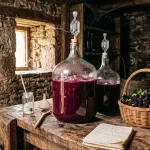

Cranberry wine is a delightful blend of tart and fruity flavors that showcases one of nature’s most vibrant berries. Making your own cranberry wine at home can be a rewarding experience, especially as it allows you to tailor the sweetness and acidity to your taste. Whether you’re looking to impress guests during the holidays or simply enjoy a unique homemade beverage, this recipe is perfect for you.
Imagine crafting a drink that not only complements festive meals but also brings a refreshing twist to your everyday gatherings. Homemade cranberry wine is surprisingly easy to make and requires minimal equipment-perfect for both novice and seasoned homebrewers alike. As you dive into the steps, you’ll find that this process is all about creativity and experimentation. So, roll up your sleeves, grab those tart cranberries, and let’s explore how to transform them into a captivating wine that will have everyone asking for your secret!
Choosing the Right Cranberries: Fresh vs. Dried
When you’re diving into the world of homemade cranberry wine, understanding the difference between fresh and dried cranberries can significantly impact your final product. Fresh cranberries are undoubtedly the star of the show for a reason: they bring a vibrant, tart flavor that’s full of natural acidity and vibrant color. With their firm texture, they release juices during fermentation, which helps create a balanced and aromatic wine. Opt for plump, firm berries that are deep red and free from blemishes; these are the ones that will provide the best results in your winemaking.
On the other hand, dried cranberries can be a convenient and flavorful alternative, particularly if fresh ones are out of season or hard to find. They have a concentrated sweetness and can add a unique depth to your wine. However, their use does come with some caveats. Dried cranberries typically have added sugars, which can affect fermentation and sweetness levels. When using them, it’s best to rehydrate the berries in warm water or juice before adding them to your wine fermentation process. This ensures they will contribute their flavors effectively without overwhelming the final product with unexpected sweetness.
Whether you choose fresh or dried cranberries, the key is to tailor your selection to the kind of flavor profile you’re aiming for in your wine. Fresh cranberries provide that crisp tartness that’s easy to balance with sugar, while dried ones offer an intriguing twist but may take a bit more adjusting to achieve the right flavor balance. Remember, experimenting is part of the fun in homemade winemaking, so don’t hesitate to try both options and see which one you prefer!
Essential Equipment for Homemade Cranberry Wine
To embark on your journey of making homemade cranberry wine, having the right equipment is crucial. You don’t need a winemaking operation or fancy gadgets-just some basic kitchen tools will do! This is about enjoying the process and unleashing your creativity in the kitchen.
First and foremost, here are the essential items you’ll need:
- Fermentation Vessel: A glass carboy or a food-grade plastic bucket will work perfectly for fermenting your wine. Ensure it is sanitized to prevent any unwanted bacteria.
- Airlock: This handy device allows gases to escape while keeping oxygen out, crucial for preventing vinegar formation in your wine.
- Siphon or Racking Cane: To transfer your wine from one container to another without disturbing the sediment, a siphon or racking cane will be your best friend.
- Bottle Caps and Corks: Depending on whether you choose bottles with caps or corks, make sure you have enough on hand for when your wine is ready to be stored.
- Sanitizing Solution: Proper sanitation is key in winemaking. A simple solution of water and unscented bleach or a commercial sanitizer will keep your equipment clean.
- Hydrometer: This handy tool measures the specific gravity of your liquid, helping you determine the sugar content. It’s not mandatory, but it gives you insight into fermentation progress.
Additionally, having a few measuring tools, such as cups and spoons for sugar and juice, will help you keep your recipes consistent. You might also want some sturdy bottles with labels to showcase your homemade creations-who doesn’t love sharing a beautifully labeled bottle of wine with friends and family?
As you set out to make your cranberry wine, remember that even everyday kitchen items can be invaluable in the winemaking process. A good blender can help you crush your cranberries efficiently, while funnel can simplify the bottling process. The beauty of homemade wine is that with a little effort and creativity, you can enjoy a unique and delicious product-perfect for celebrations or quiet evenings at home. So roll up your sleeves, gather your equipment, and let’s get started on crafting your own tart and fruity cranberry delight!
Step-by-Step Guide to Fermenting Cranberries
To create your own cranberry wine, the fermentation process is crucial-it’s where the magic happens! The process transforms simple ingredients into a delightful, tart beverage. With just a bit of patience and care, you can craft a homemade wine that boasts rich, fruity flavors. Here’s a straightforward guide to help you navigate this exciting step.
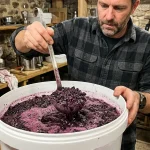
Start by preparing your cranberries. If you’re using fresh cranberries, rinse them under cool water and remove any stems or leaves. For convenience, you can also use dried cranberries; just be sure they are unsweetened and free from additives. Chop or gently crush the cranberries to release their juices. This step is simple but important, as it maximizes the amount of juice available for fermentation.
Next, in your sanitized fermentation vessel, combine the cranberries with water and sugar. The typical ratio is about 2 parts water to 1 part cranberries. The sugar helps balance the tartness while providing food for the yeast during fermentation. Once your ingredients are in the vessel, stir well to dissolve the sugar completely. You want to create a mixture that has a strong cranberry flavor without being overpoweringly sour.
Now, it’s time to introduce yeast. You can use a wine yeast or a simple bread yeast-both can work well. Sprinkle the yeast over the mixture and gently stir it in. Cover the fermentation vessel with a cloth or a lid not tightly sealed to allow gases to escape while keeping contaminants out. Place it in a dark, warm spot, ideally around 70-75°F (21-24°C), for at least a week. During this time, you should see bubbling, which is a sign that fermentation is taking place.
As you watch the process unfold, maintain a clean environment by checking on your mixture regularly. Once fermentation slows down (you’ll notice fewer bubbles), it’s time to strain out the solids. Use a fine mesh strainer or cheesecloth to separate the liquid from the cranberries. Funnel the liquid into your secondary container for further fermentation. You may want to add additional sugar at this stage, depending on your taste preference. Finally, seal it with an airlock, allowing it to ferment for a few more weeks to develop its flavors fully.
Don’t rush this process; patience leads to a better-tasting wine. By regularly checking your work and taking notes on flavors and adjustments, you’ll gain confidence in your winemaking abilities. Embrace the spirit of creativity, and feel free to experiment with your mixtures until you find the perfect balance that suits your palate!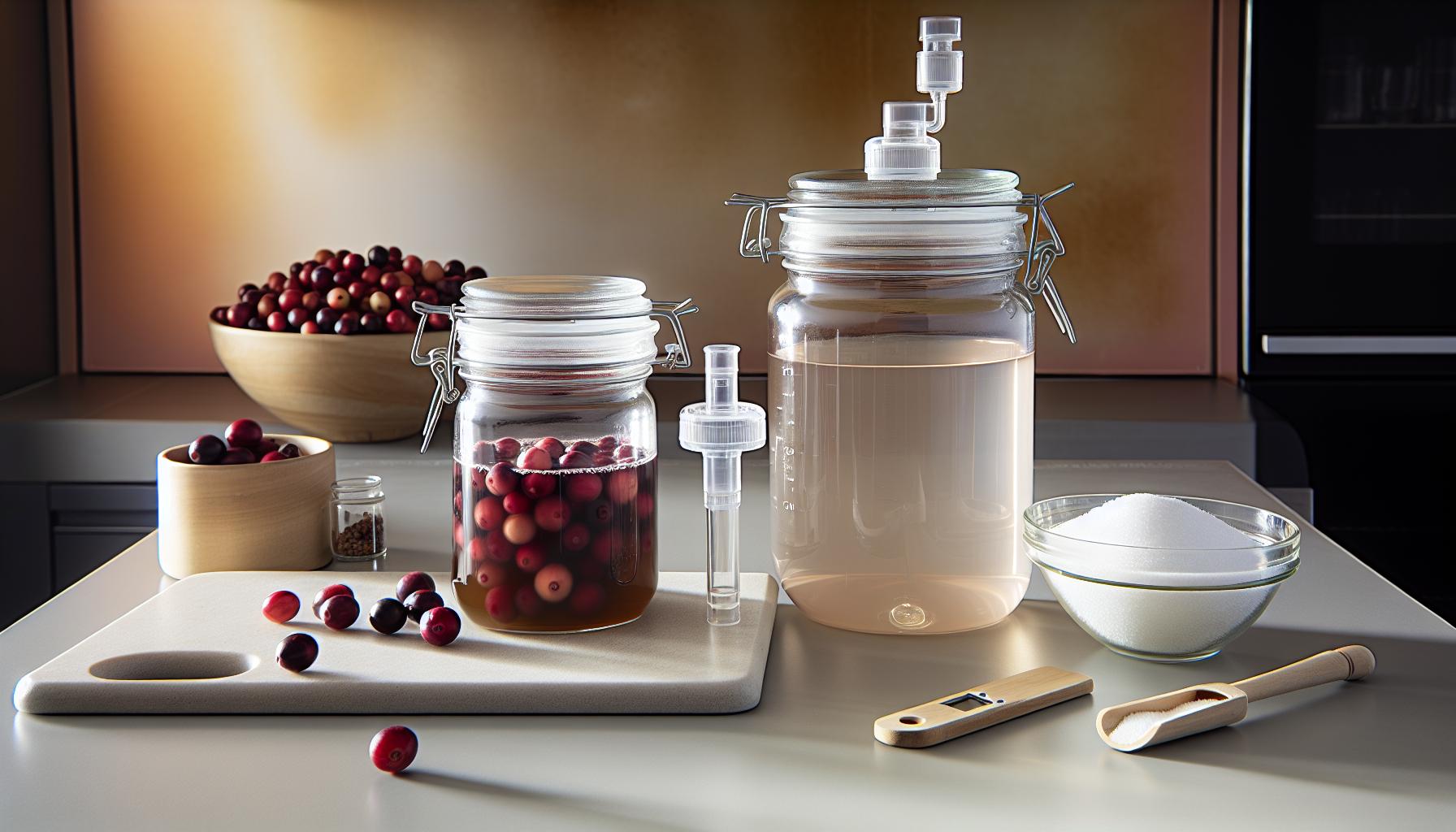
Adjusting Sweetness: Balancing Tartness in Wine
Adjusting the sweetness of your cranberry wine is a delicate balance, crucial for achieving the perfect flavor profile. Cranberries are famous for their tartness, and while that delightful tang complements the wine, a little sweetness can go a long way in softening the flavor and making it more enjoyable. The key is to find a harmonious blend that respects the cranberry’s natural characteristics while enhancing your overall experience.
When you’re ready to adjust the sweetness, consider starting with a small addition of sugar or a natural sweetener like honey or agave syrup. Taste your wine first-this will help you understand how much sweetness you want to incorporate. If your fermentation has produced a particularly sharp profile, you might begin with just a quarter cup of sugar dissolved in a small amount of warm water, stirring to combine before tasting. If it needs more sweetness, gradually add more, always tasting as you go. This step is especially important as it’s much easier to add sweetness than to remove it once it’s in.
Another great option for balancing tartness is to blend in additional juices, like apple or pear, which not only enhance sweetness but can also add interesting flavor notes. Just remember to keep the cranberry essence at the forefront. When mixing in juice, aim for about a quarter of the total volume to maintain that vibrant cranberry flavor.
Finally, allow your wine to rest for a bit after adjustments; flavors often meld and evolve over time. This will also give you a chance to see how the sweetness levels settle. After bottling, you can revisit the taste, and if needed, make final tweaks before enjoying your wine or sharing it with friends. Experimenting is part of the fun, so don’t shy away from trying different combinations until you find that perfect balance that delights your palate!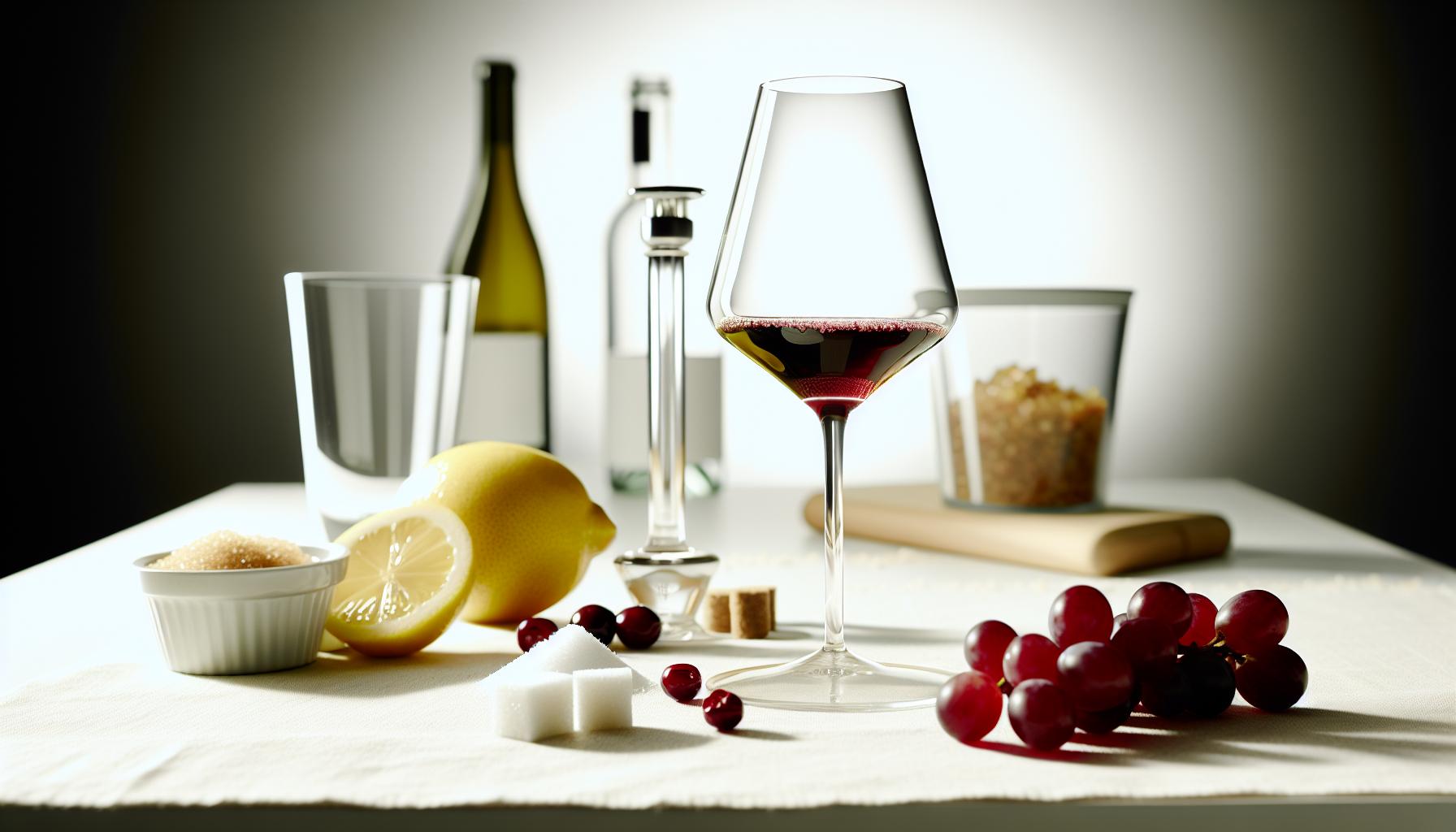
Flavoring Options: Enhance Your Cranberry Wine
When you’re making cranberry wine, the fun doesn’t stop at balancing sweetness. Flavoring your wine can elevate it from good to extraordinary. Just a few creative additions can transform your cranberry wine into a beverage that excites the palate. Let’s explore some delightful flavoring options that will enhance your homemade brew.
One of the simplest ways to enhance your cranberry wine is by incorporating other fruits. Fresh or frozen fruits such as raspberries, blueberries, and oranges complement the tartness of cranberries beautifully. For instance, adding sliced oranges can introduce a zesty brightness, while blueberries can add a soft sweetness. A common blend would involve using a 1:1 ratio of cranberries to other berries; for every cup of cranberries, add a cup of your chosen fruit.
Herbs and spices are also fantastic for adding complexity. Consider infusing your wine with cinnamon, ginger, or rosemary. A single cinnamon stick or a few slices of fresh ginger introduced during fermentation can provide warm, comforting notes. Similarly, a handful of fresh rosemary can create a refreshing, herbal finish. As a rule of thumb, use herbs sparingly-start with a small amount and adjust according to your taste.
Another exciting option is to experiment with citrus peels. The zest of lemons or limes can add a delightful zing that pairs nicely with the wine’s natural tartness. A strip of lemon zest introduced to the fermentation process can brighten the overall flavor profile. Remember to avoid the bitter white pith when zesting.
Finally, don’t overlook the power of vanilla. Adding a split vanilla bean can infuse your wine with a warm, aromatic sweetness. To get the most out of the vanilla, allow it to steep in the fermenting wine for at least a week before tasting, as its flavor can develop further over time.
With these flavoring options, you’re encouraged to experiment and find the perfect mix that resonates with your taste buds! The joy of homemade cranberry wine lies in your ability to customize it, so don’t hesitate to try new fruits and spices until you create a signature blend that’s distinctly yours. Enjoy the process, and happy winemaking!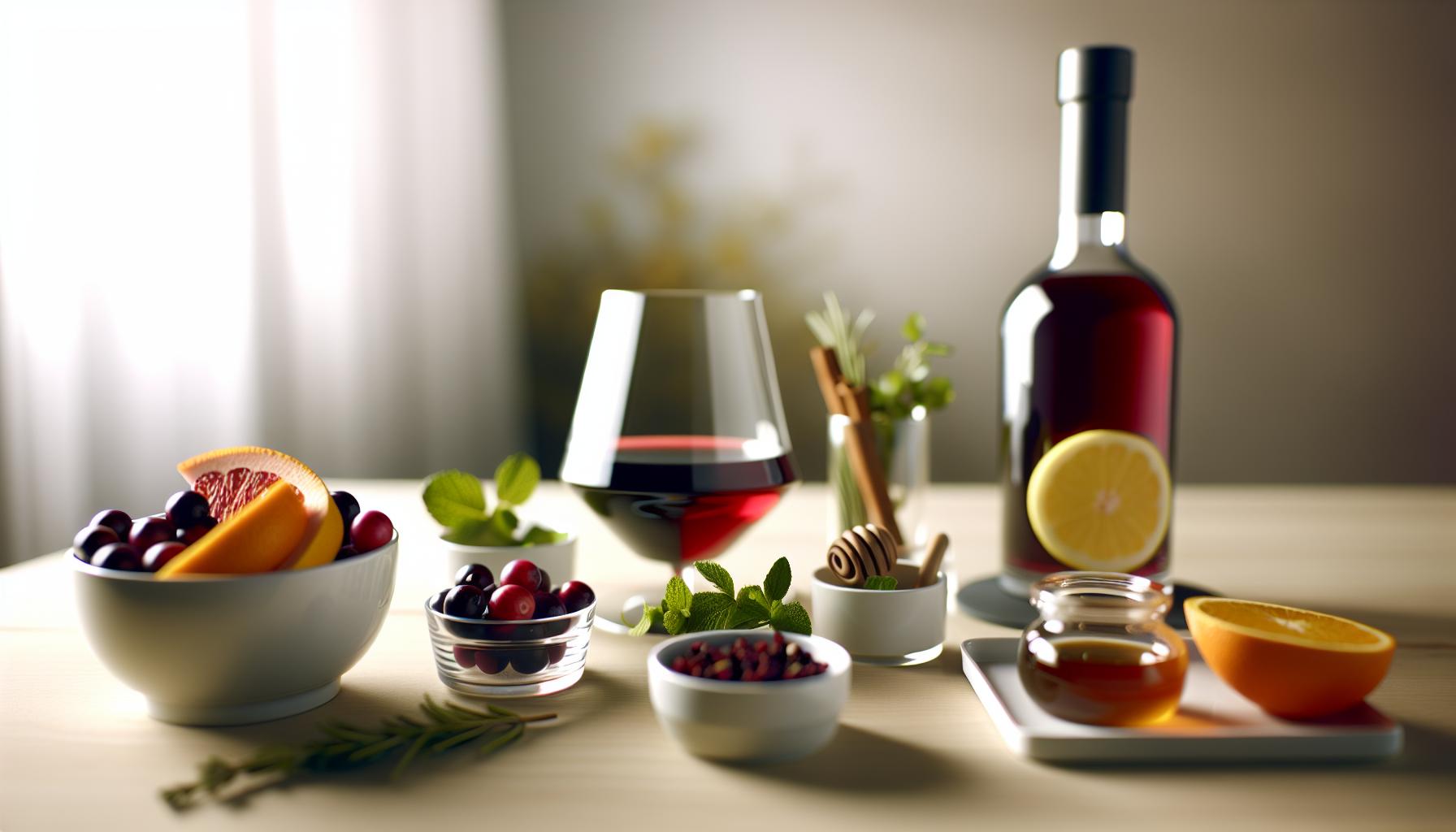
Bottling and Storing Your Cranberry Creation
Bottling and storing your homemade cranberry wine is an exciting next step that not only preserves your creation but also showcases your efforts in a delightful package. Proper bottling techniques are crucial to maintain the quality of your wine, so let’s dive into the essentials.
Begin with cleanliness. Ensure that all bottles and equipment are sanitized to prevent any unwanted bacteria or wild yeasts from spoiling your wine. A simple solution of water and unscented bleach, rinsed thoroughly afterward, works wonders for sanitizing. If you have a vineyard or homebrew supply store nearby, consider using specialized sanitizers for an added peace of mind.
Next, choose the right bottles. Typically, glass bottles with corks are the go-to for wine storage, as they protect against light and provide an airtight seal. If you’re recycling old wine bottles, make sure they’re free from any lingering odors and have intact, clean labels. For ease, you might also consider using funnel or siphon tubing to fill the bottles without spilling-this keeps your workspace tidy and minimizes oxidation.
When it comes to actually bottling your wine, fill each bottle to the shoulder to allow for expansion but leave enough room for the cork. Use a corker for a firm seal-make sure your corks fit snugly to keep air out. After corking, a quick wipe of the bottle’s neck and any excess wine will ensure a clean finish.
Storing Your Cranberry Wine
For optimal storage, place your bottles in a dark, cool space. A wine cellar is ideal, but any area away from light and major temperature fluctuations will do. Aim for a temperature around 50-55°F (10-13°C), as warmer conditions can speed up aging and spoil the delicate flavors you’ve crafted.
To track your progress and to enjoy over time, label each bottle with the date bottled and any special notes about the batch. This way, you can revisit your creations or share with friends and family who might be eager to meet your tart and fruity wine.
And remember, patience is key! While your wine is ready to drink after a few months, giving it more time will develop richer flavors. Enjoy the anticipation as you wait to pop that first cork-each sip will be a testament to your home winemaking journey!
Troubleshooting Common Winemaking Issues
Sometimes, despite your best efforts, winemaking can come with a few hiccups. But don’t fret; troubleshooting common issues can often get you back on track and enhance your winemaking skills! Here are some typical problems you may encounter when making cranberry wine, along with practical advice to help you resolve them.
One frequent issue is fermentation failure. If your wine doesn’t bubble or show signs of fermentation after a few days, it could be due to inactive yeast. Make sure your yeast is fresh and stored properly, and consider using a yeast starter to boost activity. If you suspect the must isn’t warm enough, moving it to a warmer location can also help stimulate fermentation. Remember, yeast thrives in temperatures around 70-75°F (21-24°C).
Another common challenge is excessive sweetness. If your wine tastes too sweet, it might not have fermented fully. One solution is to add a small amount of additional yeast, as this can help convert residual sugars into alcohol. If you’re not looking to ferment further, you can balance the sweetness with acidity-adding a splash of lemon juice or a bit of tart cranberry juice can work wonders to achieve that delightful balance.
Cloudiness in your wine can also be disheartening. A cloudy appearance often results from suspended particles, which may settle over time, but if not, using fining agents like bentonite can help clarify your wine. Just mix it according to the package instructions and add it to your must.
Lastly, if your wine has off-flavors or unpleasant aromas, this could be the sign of spoilage from oxidation or contamination. Ensure all your equipment is sanitized before use. If you detect a vinegar smell, it might indicate acetic acid bacteria presence. To salvage the batch, consider adding sulfur dioxide to inhibit further bacterial growth. In the future, careful monitoring of air exposure during bottling and storage can prevent unwanted oxidation.
Embrace the learning process! Each issue presents an opportunity to enhance your skills and knowledge, making your journey of winemaking all the more rewarding. Remember, patience and experimentation are key ingredients in crafting that perfect bottle of cranberry wine. Enjoy the process and your delicious creations!
Creative Uses for Leftover Cranberry Wine
Using leftover cranberry wine can spark your culinary creativity and reduce waste at the same time. This delightful potion isn’t just for sipping; it’s a versatile ingredient that can enhance a variety of dishes. Here’s how you can get the most out of every drop!
One of the simplest ways to use leftover cranberry wine is in your cooking. Its bold acidity makes it perfect for deglazing pans after sautéing meats. Just pour a splash into the pan to lift those delicious browned bits, then reduce it down to create a flavorful sauce. This works wonderfully with poultry, particularly with roasted chicken or turkey. Pair it with some herbs and butter, and you’ll have an elegant sauce that adds depth to your dish.
Another fantastic use is in desserts. Incorporate cranberry wine into a fruit compote by simmering it with fresh fruits like apples or pears. The wine not only enhances the flavor but also gives it a beautiful deep color. Serve this compote warm over ice cream or pancakes for a luxurious breakfast treat or dessert. You could also use it in baked goods; consider adding a splash to your cake batter or using it to soak layers for a cranberry wine-infused sponge cake.
Additionally, leftover cranberry wine makes a delightful vinaigrette. Combine it with olive oil, mustard, and a touch of honey to create a sweet-tart dressing perfect for seasonal salads. Toss in some nuts and cheese for a satisfying meal. This vinaigrette complements roasted vegetables beautifully too, making it a versatile dressing for any occasion.
Lastly, don’t forget about cocktails! Cranberry wine can serve as the base for a refreshing spritzer mixed with soda water or lemon-lime soda. Alternatively, shake it up with some vodka and a splash of citrus juice for a delightful twist on a classic cocktail. These creative uses not only help you enjoy your homemade cranberry wine longer but also impress your friends and family with your culinary skills!
Pairing Cranberry Wine with Food: Tips and Tricks
Cranberry wine is a delightful way to put a twist on your culinary adventures. With its bright tartness and vibrant color, it can elevate a wide range of dishes, whether you’re hosting a festive dinner or simply enjoying a quiet evening at home. The key to pairing cranberry wine is to balance its sharp acidity with something rich or sweet, creating a delicious harmony on your palate.
Start with meats. The crisp acidity of cranberry wine complements roasted or grilled poultry beautifully. Consider serving it alongside a herb-crusted roast chicken or a savory turkey dish. Try a cranberry wine reduction sauce for your meat, which can be created by simmering the wine with a bit of chicken broth, shallots, and a sprinkle of fresh thyme. This adds a layer of flavor that enhances the whole dish.
Vegetarian dishes also shine with cranberry wine. Think of roasted root vegetables, which benefit from the sweet-tart flavor. A warm quinoa salad with butternut squash, cranberries, and a slight drizzle of cranberry wine vinaigrette can be a showstopper at your dinner table. The wine helps to bridge the flavors, making each bite more delightful.
Desserts are where cranberry wine truly dazzles. Its fruity notes can transform a simple dessert into something sophisticated. Imagine a cheesecake topped with a cranberry wine compote or a tart berry crumble with a dash of the wine mixed into the filling. It brings a brightness that elevates the experience and adds a unique twist that your guests will love.
Lastly, don’t forget about cheese! A cheese platter featuring creamy cheeses like brie or goat cheese pairs exquisitely with cranberry wine. Add slices of apples or pears, nuts, and some honey for a sweet contrast, rounding out a delightful snack or appetizer that’s perfect for any occasion.
Experiment with these pairings, and don’t hesitate to let your creativity flow. The beauty of making your own cranberry wine lies not just in sipping it but also in enjoying the full range of flavors it can bring to your cooking. Cheers to your culinary creativity!
Exploring Variations: Spiced or Herbal Cranberry Wine
Exploring the flavorful dimensions of cranberry wine can elevate your homemade batch from delightful to extraordinary. By experimenting with spices and herbs, you can create variations that are not only unique but also perfectly suited to your palate and your dinner table. Imagine infusing the tartness of cranberries with the warm notes of cinnamon or the refreshing kick of mint. This isn’t just about adding flavor-it’s about crafting a sensory experience that complements every sip.
When venturing into spiced cranberry wine, consider the following spices for infusion:
- Cinnamon: A couple of sticks can be added during fermentation for a warm, inviting flavor.
- Cloves: Just a few will introduce a rich, aromatic complexity.
- Ginger: Fresh ginger slices can add a zingy twist that’s particularly refreshing.
- Nutmeg: A pinch will evoke cozy feelings, perfect for holiday gatherings.
For an herbal take, think of flavors that complement cranberries well. Fresh herbs like rosemary or thyme can add an earthy depth to your wine. You might start by adding a few sprigs at the beginning of the fermentation process, allowing their flavor to meld beautifully with the tartness of the cranberries. Another imaginative approach is to use dried herbs like chamomile for a floral note or lemongrass for a citrusy twist.
Timing is key when infusing flavors. Introduce spices early in the fermentation for a more pronounced taste. If you’re looking for a subtle hint, try adding them during the last few days of fermentation or even during bottling. This allows you to control the intensity and explore how different levels of infusion affect the overall character of your wine.
Lastly, be adventurous! Keep notes on how different combinations turn out, and don’t hesitate to adjust ratios to suit your taste preferences. Each batch can become a new tradition, showcasing your creativity in the kitchen. Remember, winemaking is about making something uniquely yours, so enjoy the process and the delicious results. Cheers to your flavorful experiments with cranberry wine!
Understanding Wine Aging: Is It Worth It?
Aging cranberry wine can transform its flavor profile, giving it a depth and complexity that fresh batches simply don’t have right after fermentation. Many home winemakers wonder if this process is worth the time and patience it requires. The answer largely depends on your personal taste and the characteristics you’re hoping to enhance in your wine.
When you allow cranberry wine to age, it typically softens the tartness inherent in cranberries, resulting in a more balanced and harmonious flavor. This process also contributes to the development of secondary flavors, allowing the subtle notes of any spices or herbs you used during fermentation to come through more clearly. For instance, a wine aged for several months might showcase warm cinnamon overtones rather than just the sharp tang of cranberries.
Here are a few key factors to consider when deciding if aging is right for your cranberry wine:
- Time: Generally, a good aging period ranges from 6 months to a year. During this time, the flavors meld, and the wine matures. If you’re looking for a more immediate satisfaction, you might prefer to enjoy your wine fresh.
- Storage Conditions: Proper storage is essential for aging. Keep your bottles in a cool, dark place, ideally on their sides to ensure the cork stays moist. Avoid temperature fluctuations that could ruin the wine.
- Tasting Notes: Don’t hesitate to taste your wine periodically. This is a chance to learn how aging affects its flavors over time and to decide when it’s just right for your palate.
In summary, while aging cranberry wine may require some dedication, the potential rewards-a smoother, more nuanced drink-can be well worth it for many home winemakers. Trust your instincts and enjoy the discovery of your unique creation over time!
Celebrating with Cranberry Wine: Serving Suggestions
When it comes to celebrating with your homemade cranberry wine, the right serving suggestions can elevate your occasion and impress your guests. Whether it’s a cozy family gathering or a festive holiday party, this vibrant, fruity wine offers a unique twist that pairs beautifully with a variety of foods and atmospheres.
One of the simplest yet most effective ways to serve cranberry wine is chilled, in elegant glassware. This enhances its beautiful ruby hue and refreshing taste. Consider garnishing the glasses with a skewer of fresh cranberries or a sprig of rosemary for a touch of elegance. For a more relaxed vibe, you can also serve it over ice with a splash of sparkling water or club soda, creating a delightful cranberry spritzer that’s perfect for warm gatherings.
Food Pairings to Enhance Your Celebration
Cranberry wine is incredibly versatile when it comes to food pairings. Here are some suggestions to impress your guests:
- Cheese and Charcuterie Boards: Soft cheeses like brie or goat cheese complement the tartness of the wine. Pair with salami, prosciutto, and a variety of nuts for a delightful spread.
- Roasted Poultry: Whether it’s turkey, chicken, or duck, the bright acidity of cranberry wine enhances roasted meats, making it an excellent choice for festive dinners.
- Rich Desserts: Serve your cranberry wine with desserts like chocolate mousse or cheesecake to balance the sweetness with its tart flavor.
- Spicy Dishes: The refreshing nature of cranberry wine pairs nicely with spiced dishes, such as Thai or Indian cuisine, cutting through the heat beautifully.
If you’re feeling adventurous, think about crafting cranberry wine cocktails as a fun twist for your event. A cranberry wine mimosa, mixing your homemade wine with sparkling wine and a splash of citrus juice, can set a festive tone.
Incorporating your wine into themed events-like a cranberry wine tasting evening-can also add a creative flair. Set up small tasting stations featuring different foods that pair well with cranberry wine, allowing guests to explore flavors and discover new favorites together. Remember, the essence of celebration lies in sharing experiences, and what better way to do that than with a bottle of your unique homemade cranberry wine? Cheers to creativity, flavor, and memorable moments!
Frequently asked questions
markdown
Q: What type of cranberries are best for making wine?
A: The best cranberries for making wine are fresh, ripe berries. Look for those that are plump, firm, and bright in color, typically harvested in the fall. Avoid dried cranberries as they lack the necessary moisture and acidity needed for successful fermentation.

Q: How long does it take to make cranberry wine?
A: Making cranberry wine usually takes about 4 to 6 weeks to ferment, plus an additional few months for aging. Once you've completed the fermentation process, allow the wine to mature to enhance its flavor and aroma.

Q: Can I use sweetened cranberry juice to make wine?
A: Yes, you can use sweetened cranberry juice, but it might alter the fermentation process. Make sure to adjust the sugar levels if you're adding additional ingredients or if the juice is overly sweet. This will help maintain the desired tartness of your wine.

Q: What is the ideal fermentation temperature for cranberry wine?
A: The ideal fermentation temperature for cranberry wine is between 65°F to 75°F (18°C to 24°C). Maintaining this temperature range ensures that fermentation occurs efficiently without unwanted flavors developing.

Q: How do I troubleshoot if my cranberry wine isn't fermenting?
A: If your cranberry wine isn't fermenting, first check the yeast viability. Ensure you're using active yeast and that conditions are optimal. If necessary, try adding a small amount of sugar and gently stirring to encourage fermentation.

Q: Can I add other fruits to my cranberry wine for more flavor?
A: Absolutely! You can enhance your cranberry wine by adding other fruits like apples, oranges, or pears. These additions can introduce complementary flavors and aromas. Just be mindful of the balance; don't overpower the tartness of the cranberries.

Q: What should I do with leftover cranberry wine pulp?
A: Leftover cranberry wine pulp can be used to make jams, jellies, or sauces. You can also incorporate it into baked goods or smoothies for added flavor and nutrients. Get creative and don't let it go to waste!

Q: How can I tell when my cranberry wine is done fermenting?
A: Your cranberry wine is done fermenting when bubbling has significantly slowed or stopped, and the specific gravity measurements (using a hydrometer) are stable over a few days. The wine should also have a clearer appearance without cloudiness.
In Retrospect
Now that you’ve learned how to make tart and fruity cranberry wine at home, it’s time to get started! With simple ingredients and a straightforward process, you’ll enjoy the satisfaction of crafting your own delicious wine without any fancy equipment. Whether it’s for a special occasion or just to savor over a weekend dinner, your homemade cranberry wine will surely impress your friends and family.
If you’re excited to explore more, check out our guides on Cranberry Spritzer Recipes for a refreshing drink to pair with your wine, or delve into Creative Wine Pairings to enhance your culinary experiences. Don’t forget to join our newsletter for exclusive tips and recipes to elevate your home winemaking journey. Share your experiences in the comments below-we love hearing from fellow home cooks! Cheers to your new culinary adventure!
Get our latest guides, news, and insights highlighted in your Google Search & AI Overviews.