
The craft of making ice wine (Eiswein) involves harvesting and pressing grapes frozen solid on the vine at temperatures below 20°F (-7°C), extracting a hyper-concentrated nectar rich in natural sugars and acidity while leaving water ice crystals behind in the press.
Imagine savoring a glass of homemade ice wine, rich with flavors of honey and stone fruits, crafted from grapes that have been kissed by frost. Ice wine isn’t just a luxurious treat; it’s a testament to your creativity and patience as a home winemaker. Making ice wine involves freezing grapes to concentrate their sugars and flavors, resulting in a sweet, enchanting dessert wine that’s perfect for celebrations or quiet evenings.
In this guide, we’ll walk you through the simple process of frozen grape fermentation, demystifying what may seem like a complex endeavor. Don’t worry if you’re new to winemaking! With easy-to-follow steps, you’ll soon discover that producing this exquisite beverage is both manageable and rewarding. So grab your finest grapes, and let’s embark on this delightful winemaking journey together. Your tastebuds will thank you!
Choosing the Right Grapes for Ice Wine
Choosing the right grapes is essential when embarking on your ice wine-making adventure. The quality and characteristics of the grapes play a significant role in the flavor and sweetness of the final product. You’ll want to focus on grape varieties known for their natural acidity and ability to develop complex flavors, which are crucial for a balanced ice wine.
One of the most popular choices for ice wine production is the Riesling grape. Riesling grapes are known for their high acidity and floral aromas, making them a favorite among ice wine enthusiasts. They thrive in cooler climates, which is why regions like Germany and Canada are renowned for their exceptional ice wines. Other excellent options include Cabernet Franc and Gewürztraminer, both of which offer distinct flavor profiles and aromas that can enhance the complexity of your wine.
It’s important to harvest the grapes at the right time. Ideally, grapes should be picked after the first frost, when their sugar concentration is at its highest. A sweet spot is when the temperatures drop low enough to freeze the grapes, typically at or below -8°C (17°F). This freezing process allows the ice crystals to form inside the grapes, concentrating their natural sugars and flavors, which results in the luscious sweetness that ice wine is known for.
When selecting grapes, also consider the condition of your chosen fruit. Look for grapes that are well-ripened, with an optimal sugar-acid balance. Avoid any that show signs of rot or damage, as these can impart off-flavors to your wine. With the right grapes in your hands, you’ll be well on your way to crafting a delightful batch of ice wine that will impress your friends and family!
Understanding the Freezing Process for Grapes
When it comes to crafting ice wine, understanding the freezing process of grapes is essential. Unlike regular wines, the grapes for ice wine are harvested after they’ve been frozen on the vine. This method not only concentrates the sugars but also enhances the flavors, leading to the delectable sweetness that ice wines are known for.
As the temperature drops, ice crystals begin to form inside the grape skins. This process typically occurs naturally in regions with colder climates, making places like Canada and Germany ideal for ice wine production. When the grapes freeze, the water turns into ice, leaving the sugars and other concentrated flavors behind. This crucial step changes the grape’s composition, creating a sweet and richly flavored juice once pressed. Interestingly, the freezing can start as early as late fall, but the most suitable temperatures are at or below -8°C (17°F). At this point, the grapes have developed a high sugar content, which is critical for crafting ice wine.
Timing is everything. You want to harvest your grapes at just the right moment. Wait until after the first hard frost, ideally when temperatures plummet during the night. Gathering the fruit early in the morning allows you to pick the grapes while they’re still frozen, ensuring minimal sugar loss. An ice wine maker’s patience pays off because you’ll capture the essence of each grape, leading to a beautifully sweet finish in your wine.
After harvesting, handling the grapes carefully is paramount. It’s tempting to crush the frozen gems right away, but allowing them to thaw slightly can help you achieve better juice extraction. Use gentle pressure to avoid breaking the skins too much, as you want to retain the concentrated flavors without introducing any undesirable elements. Remember, the goal is to preserve that unique character that makes ice wine a luxurious treat. Follow these steps, and you’re well on your way to creating a spectacular ice wine that will warm both the heart and palate.
Step-by-Step Guide to Making Ice Wine
Crafting your own ice wine can be an incredibly rewarding experience, transforming frozen grapes into a sweet, luxurious beverage. To guide you through this creative process, here’s a simple step-by-step approach that will ensure success, whether you’re a novice or an experienced home winemaker.
Begin by selecting your grapes. Varieties like Riesling, Vidal Blanc, and Gewürztraminer are excellent choices because they naturally develop high sugar concentrations. Focus on grapes that have been allowed to freeze on the vine after the first hard frost; this is usually the key step in producing high-quality ice wine.
Once you have harvested your frozen grapes, it’s crucial to handle them gently. Using a clean pair of scissors or garden shears, cut each bunch from the vine, ensuring that they remain intact as much as possible. The ideal time for harvesting is early in the morning when the temperatures are still low, which will help preserve the freezing state of the grapes.
Next, you’ll want to press the grapes. It’s recommended to partially thaw them for optimal juice extraction without damaging the skins too much. Use a fruit press to extract the juice while keeping the pressure gentle to avoid introducing any bitter elements from the skins. The goal is to maximize the extraction of concentrated sweetness while preserving the unique flavor profile of the grapes.
After pressing, it’s time for fermentation. Transfer the juice into a sanitized fermentation vessel-this could be a glass carboy or a food-grade plastic bucket. Add the selected yeast, which significantly impacts the flavor profile of your final product. Seal the vessel with an airlock and let it ferment at a controlled temperature, typically around 15-20°C (59-68°F). This process can take several weeks, depending on the yeast and temperature conditions.
As fermentation is underway, monitor the process carefully. It’s essential to taste your wine periodically, as the flavors will evolve. Once fermentation is complete and the desired sweetness and flavor have been achieved, siphon your ice wine into clean bottles, being careful not to disturb any sediment at the bottom.
Finally, store your bottled ice wine upright in a cool, dark space. It’s crucial to let it age for at least six months to allow the flavors to harmonize, although aging it longer can enhance complexity. When you’re ready to enjoy your homemade ice wine, serve it chilled, and pair it with desserts like crème brûlée, blue cheese, or fruit tarts for a delightful experience.
By following these steps, you can create a delicious ice wine that showcases your skill and creativity. Don’t be afraid to experiment along the way-each batch can be a new opportunity to refine your technique and explore different flavor combinations!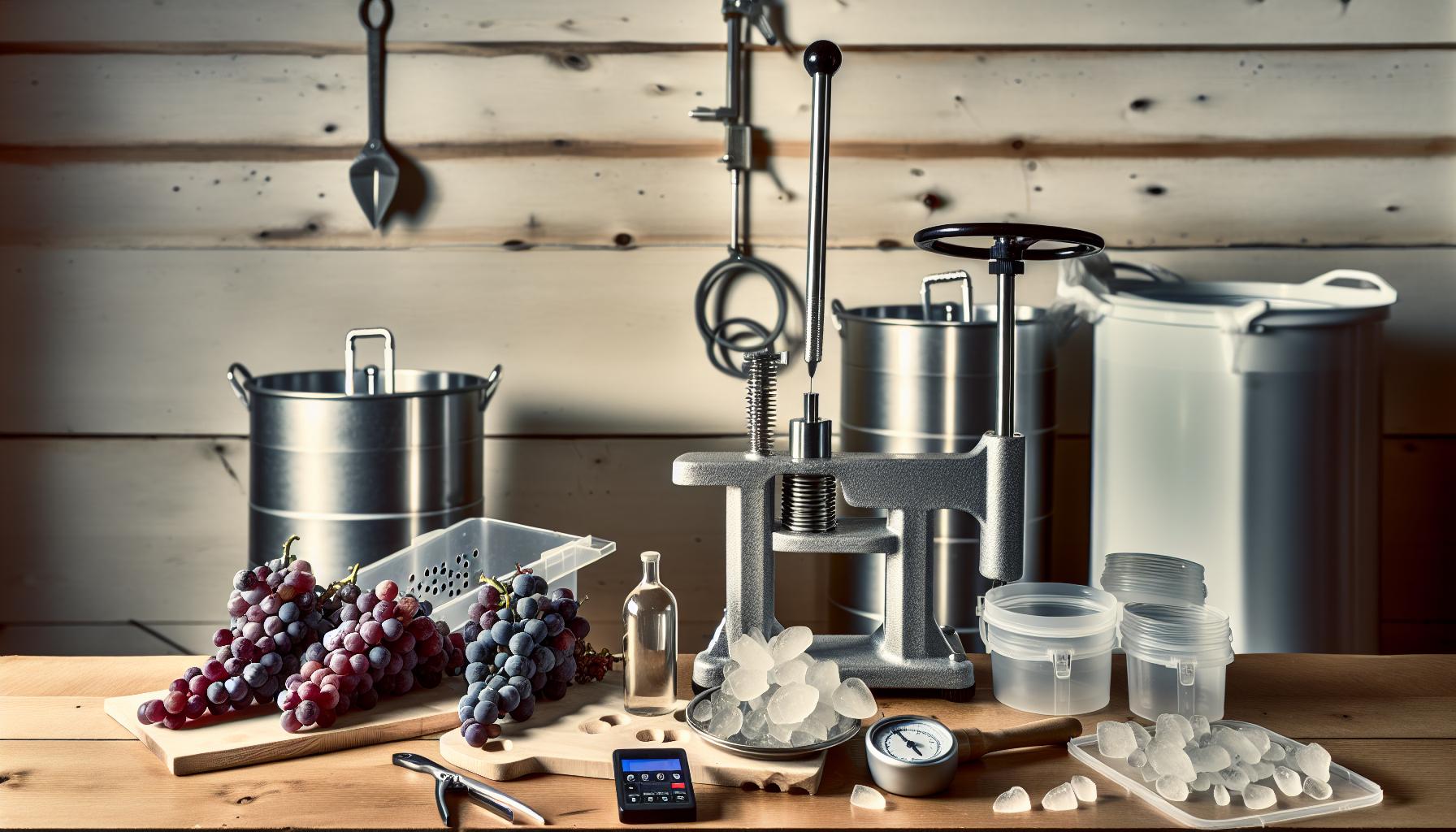
Essential Equipment for Home Ice Wine Production
Getting started with making ice wine can seem daunting, but with the right equipment, you’ll find it an incredibly enjoyable and rewarding process. You don’t need a lot of fancy gadgets-just a few key items to help transform those frozen grapes into a deliciously sweet nectar. Here’s a rundown of what you’ll need to set up your home ice wine production effectively.
Essential Wine-Making Gear
Firstly, you’ll need a good fruit press. This isn’t as intimidating as it sounds! A small hand-crank press or even an electric one can do the job beautifully. Look for one that allows you to gently extract juice without crushing the seeds, which can add unwanted bitterness to your wine.
Next, get a fermentation vessel. This could be a glass carboy or a food-grade plastic bucket. Choose something with a capacity that suits your expected yield. Make sure it can be sealed and fitted with an airlock to allow gases to escape while keeping out unwanted bugs and contaminants.
Don’t forget about sanitizing supplies! Keeping everything clean is key to successful wine making. Use a non-toxic sanitizer to ensure your equipment is free from any lingering bacteria or wild yeast.
For the actual fermentation process, you’ll need a thermometer to monitor the temperature and ensure your fermentation environment stays within the optimal range (around 15-20°C or 59-68°F). Maintaining a stable climate is crucial for the development of flavors.
Tools for Monitoring and Bottling
Once fermentation is finished, you’ll want to transfer your wine into bottles. A siphoning tube or auto-siphon will make this process simple and mess-free, allowing you to bottle without disturbing any sediment that has settled. Don’t forget to grab some wine bottles with corks or caps to store your finished product.
Lastly, while not strictly necessary, a hydrometer can help you measure sugar levels throughout the process, giving you insights into your fermentation dynamics. This is particularly useful if you’re interested in experimenting with sweetness levels in your ice wine.
Making ice wine at home is about enjoying the process and celebrating your results. Whether you’re a beginner or a seasoned winemaker, these tools will help you create a fabulous sweet wine that you can be proud of! Embrace the creative journey, and don’t hesitate to adjust and modify your approach as you develop your own style. Happy winemaking!
Fermentation Techniques for Rich Flavor Profiles
When it comes to making ice wine, the fermentation stage is crucial for developing those rich, complex flavors that make this sweet nectar so delightful. The unique process of fermenting frozen grapes creates a concentrated juice filled with sugars and acidity, providing an exceptional base for your wine. Here’s how you can enhance the fermentation process to ensure your ice wine turns out wonderfully.
To start, it’s essential to maintain the right temperature during fermentation. Ideal conditions are typically between 15-20°C (59-68°F). This range allows the yeast to work effectively while minimizing the risk of off-flavors. If your environment is too warm, the fermentation can proceed too quickly, leaving you with a wine that lacks depth. Conversely, if it’s too cold, fermentation may stall altogether. Use a reliable thermometer to keep an eye on the temperature, adjusting as needed.
Another technique involves adding nutrients to your fermentation vessel. Since your grapes are frozen, they might not have the same level of nutrients that fresh grapes do. Consider using a nutrient blend designed for winemaking to provide the yeast with the necessary elements for a robust fermentation. Typically, these nutrients include diammonium phosphate (DAP) and vitamins that promote a healthy yeast population, ultimately enhancing flavor development.
As for the fermentation duration, expect this process to take anywhere from a few weeks to several months, depending on various factors like yeast strain and sugary content of the must. A good practice is to taste your wine periodically during fermentation to track its development. This not only helps you monitor flavor but also gives you insights into when to stop fermentation, especially if you want to retain some sweetness.
Lastly, consider experimenting with different yeast strains. Each yeast type can impart distinct flavors to your ice wine. For example, some strains enhance fruity notes, while others may introduce floral or spicy aromas. If you’re feeling adventurous, you might even try blending different yeasts to create a unique flavor profile. Keep notes on your process and results to refine your technique in future batches.
By focusing on these fermentation techniques, you’re well on your way to crafting an ice wine that dazzles the palate and celebrates the uniqueness of your homemade winemaking journey. Happy fermenting!
Selecting Yeast and Its Impact on Ice Wine
Selecting the right yeast for your ice wine can be the difference between a delightful bottling and a mediocre one. Yeast is essential in the fermentation process, as it transforms the sugars from your frozen grapes into alcohol while also influencing the wine’s flavor profile. Each yeast strain brings its own unique characteristics to the table, making this choice both crucial and exciting.
You’ll find many types of yeast available, but not all are created equal for ice wine production. Look for varieties specifically suited for high sugar content and low temperatures. For example, *Saccharomyces cerevisiae* is a traditional choice that ferments well and can handle the freezing conditions of ice wine. However, experimenting with *wild yeast* can add intriguing complexity and aromatics. Let’s briefly consider some popular options:
- Champagne Yeast: Known for its high fermentation strength, this yeast can produce wines with a crisp acidity and freshness.
- Fruit Yeast: These strains tend to enhance the fruity notes in your ice wine, highlighting the grape variety used.
- White Wine Yeast: Ideal for whites, these strains typically yield floral and citrus flavors, perfect for a sweet dessert wine.
When selecting your yeast, consider not just the flavors but also the attributes that complement the sugar content of your frozen grapes. Using a yeast that can withstand higher levels of sugar will help ensure that fermentation progresses smoothly, resulting in a well-balanced final product.
Don’t forget the impact of nutrients. Frozen grapes may lack the nutrients needed for optimal yeast health, which could lead to sluggish fermentation. Consider adding a nutrient blend tailored for winemaking, ensuring your yeast is healthy and thriving throughout the process. This attention to detail not only aids fermentation but also enhances the richness of your ice wine.
Lastly, don’t shy away from documenting your results. Each batch can teach you something new about yeast behavior and flavor development. Keep notes about which strains you used, under what conditions, and how the flavors evolved. This way, you’ll refine your process and get closer to that perfect ice wine with every new experiment. Enjoy the journey of making your ice wine, because it’s all about celebrating your unique taste and creativity!
Aging Ice Wine: Best Practices and Tips
The journey from grape to glass is an exciting one, especially with ice wine, where each step hints at the complexity to come. Aging your ice wine is a crucial stage that can significantly enhance its flavors and overall quality. Unlike most wines that you might consume relatively quickly, ice wine is known for its unique ability to develop and mature beautifully over time-sometimes for years! The right aging techniques can transform your ice wine, allowing the concentrated sweet flavors and high acidity to harmonize, resulting in a drink that dazzles on the palate.
To start, consider the environment where you store your bottles. Ice wine should be aged in a cool, dark place, ideally with a consistent temperature around 50-55°F (10-13°C). This can be a dedicated wine cellar, a temperature-controlled wine fridge, or even a dark cupboard if you don’t have the luxury of a cellar at home. The key is to avoid fluctuations in temperature, which can adversely affect your wine’s aging potential. Moreover, keeping the bottles upright can help prevent the cork from drying out, which could allow air to seep in and spoil the wine.
As your ice wine ages, encourage its complexity by periodically keeping notes on its development. Taste your wine at intervals-after six months, a year, and then every year thereafter. This not only enhances your appreciation of the nuances but also provides a wonderful opportunity to share your findings with friends and family. It’s a joyful moment when the flavors evolve from merely sweet to layered with notes of honey, apricot, and even hints of spice.
Best Practices for Aging Ice Wine
- Temperature Control: Aim for a stable environment around 50-55°F (10-13°C).
- Darkness is Key: Store in a dark place to avoid light damage.
- Review Regularly: Conduct taste tests to monitor changes and develop your wine’s profile.
You may find that aging ice wine leads to very rewarding experiences. The layers of flavor can deepen, bringing complexity that makes your homemade ice wine even more enticing in the years to come. Whether you prefer to enjoy it young and fresh or aged for a richer profile, this section of the winemaking process invites creativity and personal taste. Cheers to your aging journey-each bottle tells a story!
Pairing Ice Wine with Food: Perfect Matches
Enjoying ice wine isn’t just about savoring its sweetness; it’s also about the delightful pairings that can elevate your experience. The intense flavors and high acidity of ice wine make it a versatile companion for various dishes, inviting you to explore dynamic combinations.
Start by considering your ice wine’s flavor profile. A classic choice, such as a Riesling ice wine, can complement spicy Asian dishes brilliantly. The sweetness counters the heat, creating a balanced gastronomic delight. Imagine sipping a chilled glass alongside some spicy Thai curry or sweet and sour dishes-your taste buds will thank you!
For cheese lovers, ice wine is a match made in heaven. Consider pairing it with rich, creamy cheeses like brie or pungent blue cheese. The creaminess of the cheese contrasts beautifully with the wine’s acidity, while the complex flavors enhance each sip. If you’re hosting a cheese board event, don’t hesitate to include some fruit preserves or honey to add another layer of flavor, creating a truly indulgent experience.
Seafood also plays nicely with ice wine, especially dishes featuring shellfish. Think grilled shrimp drizzled with a citrusy glaze or a delicate crab salad-each bite is a celebration when paired with an ice wine that has hints of stone fruits and a vibrant finish.
Lastly, for dessert, ice wine shines with fruit-based sweets. Lemon tarts, berry cobblers, or even a simple vanilla panna cotta can be transformed into magical experiences when paired with a well-chosen ice wine. Remember, the key is to balance sweetness and acidity; a dessert that isn’t overly sweet will allow your wine’s character to shine.
As you experiment with these pairings, trust your palate and don’t hesitate to try new combinations. Whether you’re enjoying a meal with loved ones or hosting a gathering, ice wine can turn an ordinary evening into an extraordinary culinary adventure. Cheers to delicious pairings and joyful sipping!
Troubleshooting Common Ice Wine Challenges
Making ice wine at home can be a magical experience, but like any craft, it comes with its unique set of challenges. Whether you’re a novice winemaker or simply diving into the fascinating world of frozen grape fermentation, it’s vital to be prepared for common pitfalls. Here are some tips to help ensure your ice wine turns out as luscious as you envision.
One of the most significant issues you may encounter is the quality of your frozen grapes. Ensure they are properly frozen at temperatures of at least 15°F (-9°C). Grapes not frozen quickly enough can spoil or develop unwanted flavors. If you’re unsure about the freezing process, try freezing your harvested grapes in small batches and testing their sugar concentration after a few hours to ensure they retain their sweetness. Remember, the aim is to harvest grapes with high sugar levels, so consider conducting a simple brix test before freezing.
Another concern is fermentation. If your fermentation stalls or doesn’t start at all, it could be due to insufficient yeast or incorrect temperatures. Ensure your yeast is fresh and activated properly before adding it to the must. The yeast should start fermenting ideally between 50°F to 60°F (10°C to 15°C). If it’s too cold, you may need to gently warm it to encourage activity. If you notice a sluggish fermentation, you might try adding more yeast or even using a yeast nutrient to help it along.
As for flavor development, achieving that rich profile you want can sometimes be tricky. If the final product tastes too sweet or lacks balance, consider your aging process. Aging ice wine can enhance complexity, but it requires patience; be sure to check your wine regularly. Experiment with different aging vessels-oak barrels can add delightful nuances, while stainless steel preserves more of the fruit’s natural character.
Lastly, don’t forget about bottling and storage. Ensure your bottles and corks are sanitized to prevent contamination. Ice wine is best stored in a cool, dark place, ideally at 55°F (13°C), to maintain its flavors and aromas. If you find your wine oxidizing or losing its brightness too quickly, you may want to invest in a vacuum pump to help maintain freshness.
With a little patience and the right techniques, you can navigate these challenges and craft a delightful ice wine that’s sure to impress. Embrace the journey, enjoy the process, and celebrate the unique experiences that homemade ice wine can bring. Cheers to your winemaking adventure!
Creative Variations: Flavors and Techniques to Try
Experimenting with flavors and techniques in the world of ice wine can be a delightful way to enhance your winemaking journey. While traditional ice wine focuses on the natural sweetness and acidity of the grapes, there’s a whole universe of creative approaches to explore. Let’s dive into a few ideas that can elevate your homemade ice wine and make it uniquely yours.
Fruit Blends
One effective way to give your ice wine a twist is by blending different grape varieties or even incorporating other fruits. For example, consider mixing in *Riesling* grapes with a bit of *Cabernet Franc* to add complexity. You could also introduce fruits such as peaches or apricots during fermentation; their natural sugars and aromatic qualities can impart intriguing flavors. Simply crush the additional fruit and mix it with your frozen grapes before pressing.
Spice It Up
Another fun avenue is experimenting with spices. Adding a few sticks of cinnamon or a couple of whole cloves during fermentation can create depth and warmth in your ice wine. Just be sure to strain them out before bottling! This technique offers a cozy flavor profile that pairs beautifully with holiday meals or desserts.
Alternative Sweeteners
If you’re feeling adventurous, you might consider incorporating alternative sweeteners in small amounts during fermentation. Honey or maple syrup can provide a unique character and complement the wine’s natural sweetness. Start with a teaspoon and adjust to taste; remember, a little goes a long way!
Innovative Yeast Choices
Don’t overlook the impact of yeast on the final flavor profile. While most home winemakers stick to popular strains like *Lalvin 71B*, trying out wild yeasts or specialty strains can yield pleasant surprises. Each strain contributes different aromatics and mouthfeel, so it’s worth conducting small batch experiments to see which ones you enjoy most.
Aging Techniques
Finally, explore various aging containers. Beyond the conventional oak barrels, you can try aging in stainless steel tanks or even glass carboys with oak spirals added for flavor infusion. Each method will create a different character in your ice wine, allowing you to tailor it to your specific taste preferences.
By embracing these creative variations, you can turn your ice wine into a personalized masterpiece. Don’t hesitate to jot down your observations and adjust recipes as you go along-after all, the joy of winemaking lies in the journey of discovery. Cheers to your adventurous spirit in crafting unique ice wine flavors!
Storing and Serving Ice Wine Like a Pro
Ice wine is a truly unique beverage, known for its luscious sweetness and vibrant acidity, making it a delightful treat for both special occasions and cozy nights at home. To fully appreciate your homemade ice wine, knowing how to store and serve it correctly can make all the difference. Here’s how to do just that!
Proper storage is essential to maintaining the flavors you’ve crafted in your wine. Ice wine should be kept in a cool, dark place, ideally around 45-50°F (7-10°C). A dedicated wine fridge works wonders, but a traditional refrigerator will suffice if kept away from strong odors. Because ice wine is often enjoyed years after production, you can also consider aging it; however, be mindful that extreme temperatures can alter its taste.
When it comes to serving, temperature plays a crucial role in flavor perception. Ideally, serve ice wine chilled, between 40-45°F (4-7°C), to highlight its refreshing acidity. Pouring it into smaller glasses enhances the experience, allowing for a more concentrated aroma to be appreciated with every sip. A simple way to chill your ice wine is to place the bottle in an ice bucket or a bowl filled with ice and water for about 30 minutes.
Pairing your ice wine with food is where the fun truly begins! Its sweetness and acidity make it a fantastic match for a range of dishes. Consider pairing it with rich cheeses like blue cheese or creamy desserts such as panna cotta and fruit tarts. For a savory twist, it also complements spicy Asian dishes beautifully.
Lastly, when serving, encourage guests to savor the experience. Discuss the flavors, aromas, and food pairings, creating a warm and inviting ambiance. Celebrate the creativity and hard work that went into crafting your ice wine. By combining the right storage and serving techniques with delightful pairings, you can ensure that every bottle is a true celebration of flavor and craftsmanship. Cheers to your success in ice wine production!
Q&A
Q: What climate is best for making ice wine?
A: Cold climates are essential for making ice wine. Ideal temperatures should drop to at least -7°C (20°F) for optimal grape freezing. Regions known for ice wine production, like Germany or Canada, benefit from cold winters that foster the necessary conditions for this unique winemaking process.
Q: How long should grapes be frozen for ice wine?
A: Grapes should be left on the vine until they freeze naturally, usually 12-24 hours before harvest. This allows the sugars to concentrate. After harvesting, it’s crucial to keep grapes frozen until you are ready to press them, ensuring a quality ice wine.
Q: Can any grape variety be used for ice wine?
A: Not all grape varieties are suitable for ice wine. High-sugar varieties, like Riesling, Vidal Blanc, or Cabernet Franc, work best. These grapes retain their acidity and balance the sweetness, creating a well-rounded ice wine.
Q: What is the ideal sugar content for ice wine grapes?
A: The ideal sugar content for ice wine grapes should be around 35-40 Brix (measuring sugar concentration). This high sugar level is crucial to ensure a balanced final product with the sweetness characteristic of ice wine.
Q: How does aging affect ice wine?
A: Aging can significantly enhance the complexity of ice wine. With proper storage, it can develop honeyed notes and deeper flavors over time. Ideally, store them in a cool, dark place and consider aging for at least 3-5 years for optimal flavor development.
Q: What equipment do I need to start making ice wine at home?
A: Basic equipment includes a wine press, fermentation vessels, and airlocks. You’ll also need bottles and corks, and consider a refractometer for measuring sugar levels. Home winemaking kits with essential tools can simplify the process.
Q: What are some common mistakes when making ice wine?
A: Common mistakes include not harvesting grapes at the right time, inadequate freezing temperatures, and poor sanitation. Ensure grapes are fully ripe, frozen upon harvest, and that all equipment is well-cleaned to avoid contamination.
Q: How long does the fermentation of ice wine take?
A: Ice wine fermentation can take several weeks to months due to high sugar content and low temperatures. Patience is key, as colder fermentations promote complex flavors. Monitor the process closely for desired sweetness and acidity levels.
Feel free to explore more about troubleshooting common challenges and creative variations in your ice wine production methods!
The Conclusion
Congratulations on taking the first steps towards crafting your own delightful ice wine! With just a few simple ingredients and some patience, you can enjoy this unique treat that boasts both sweetness and complexity, perfect for elevating any celebration or cozy gathering. Remember, the process can be just as enjoyable as the final sip, so embrace your creativity as you experiment with different grape varieties and fermentation techniques.
If you’re eager to learn more about their unique qualities, check out our guides on selecting the best grapes for winemaking and tips for creating the perfect cheese pairings to complement your ice wine. Don’t forget to subscribe to our newsletter for exclusive recipes and winemaking insights! Your journey into gourmet creations doesn’t have to end here-explore our additional resources for infusing flavors into your own homemade products.
Share your ice wine stories in the comments below-we love hearing about your experiences! Remember, every bottle crafted is a testament to your dedication and creativity in winemaking. Cheers to your new adventure!
Cryo-Extraction Thermodynamics in the Press
Authentic Eiswein relies on physical fractional crystallization. Water freezes at 32°F (0°C), but sugars, fruit acids, and aroma compounds lower the freezing point of grape nectar:
| Pressing Stage | Temperature Range | Extraction Fluid | Brix & Gravity Level |
|---|---|---|---|
| Pre-Dawn Harvest | 14°F – 18°F (-10°C to -8°C) | Whole clusters frozen rock hard on vine | Frozen berry state; zero free liquid |
| Continuous Mechanical Press | Kept strictly below 20°F (-7°C) | Viscous, golden syrupy drop droplets | 35° – 42° Brix (1.155 – 1.190 SG) |
| Press Cake Retention | Press basket interior | Pure frozen water ice shards and skins | Discarded frozen water residue |
High Osmotic Pressure Yeast Inoculation
Must containing over 35° Brix exerts brutal osmotic pressure on yeast cells, pulling water out of their membranes and causing cell lysis. To ferment ice wine successfully, use an osmotolerant yeast strain such as Lalvin EC-1118, K1-V1116, or DV10. Acclimate the yeast via a progressive step-up starter: rehydrate yeast in warm water, then add equal parts ice wine must every 4 hours over a 16-hour period before pitching into the main carboy. Fermentation is notoriously slow, often taking 2 to 6 months at 60°F (15°C) to reach 9% to 11% ABV with balanced residual sugar.
Can I make ice wine by freezing grapes in a home deep freezer?
Yes. This technique is called cryo-extraction (or “icebox wine”). Freeze ripe high-sugar white grapes (Riesling or Vidal Blanc) for 48 hours at 0°F (-18°C), then press immediately while frozen to yield concentrated dessert nectar.
Why are ice wine bottles sold in 375ml half-bottles?
Because frozen pressing yields only 10% to 20% of the liquid of a standard grape harvest, ice wine is intensely concentrated, rare, and traditionally bottled in slender 375ml dessert bottles.
Get our latest guides, news, and insights highlighted in your Google Search & AI Overviews.