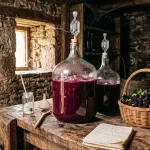
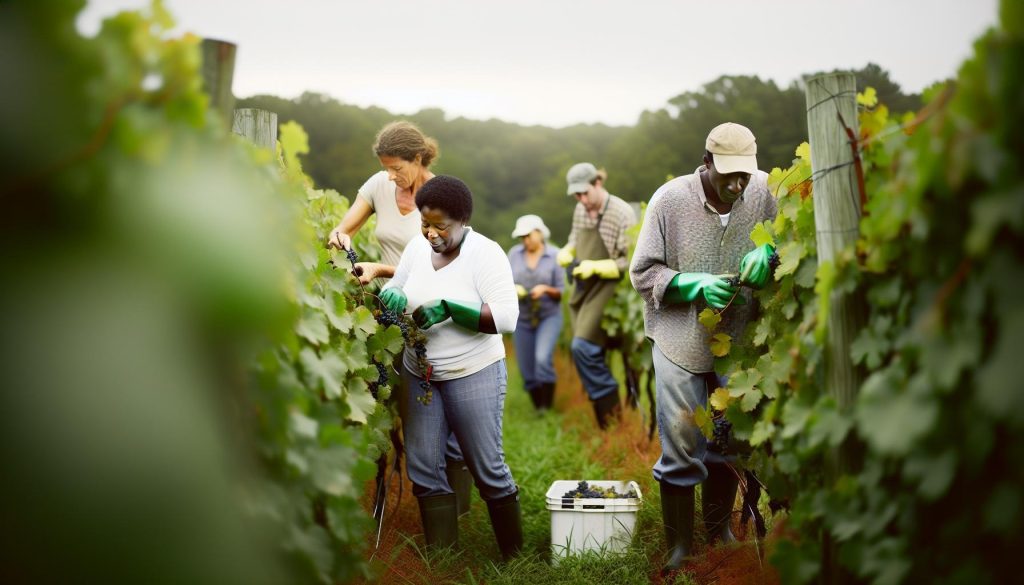
A scuppernong wine recipe is a quintessential Southern winemaking tradition transforming thick-skinned, bronze Vitis rotundifolia muscadine grapes into a fragrant, golden table wine characterized by ripe melon aromas, brisk natural acidity, and balanced sweetness.
Have you ever sipped on a glass of homemade wine and thought, “I wish I could do this myself”? Well, making scuppernong wine could be your next delightful kitchen adventure! This sweet and fragrant Southern grape wine is not only a local treasure but also a fantastic way to celebrate homegrown produce. Scuppernongs, with their unique flavor and rich history, deserve a place on your dining table.
Whether you’re a novice or a seasoned homebrewer, crafting scuppernong wine is an enjoyable process that connects you to tradition and nature. Plus, it’s simpler than you might think! In this guide, I’ll walk you through each step, share essential tips, and provide a recipe that will inspire you to create a batch of your own. So, roll up your sleeves and let’s embark on this delicious journey together, where every sip can tell a story!
Essential Tools and Ingredients for Homemade Wine
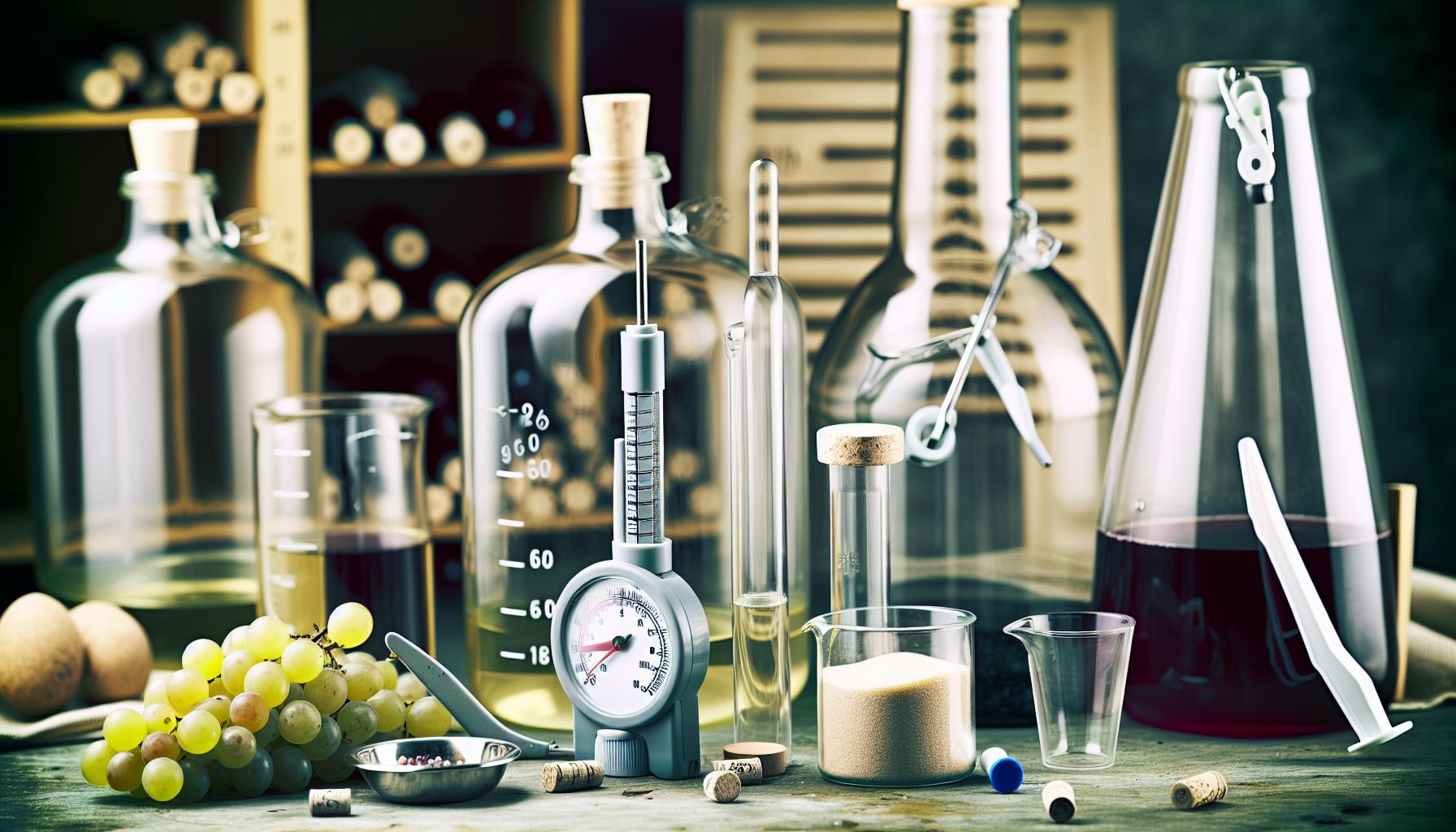
Making Scuppernong wine at home is an exciting and rewarding venture. With a few essential tools and ingredients, you can transform these sweet, golden grapes into a delightful beverage that embodies the essence of Southern charm. Let’s dive into what you’ll need to get started!
To begin, the main star of your winemaking is, of course, the Scuppernong grapes. Look for ripe, sweet grapes, ideally harvested in late summer or early fall. Aim for about 5 to 6 pounds of grapes for a batch of wine that yields approximately one gallon.
In addition to grapes, here are the key ingredients and tools to gather:
Ingredients:
- Water: You’ll need about 1 to 2 cups of water, depending on how sweet you want your wine.
- Sugar: Most recipes suggest around 2 to 3 cups of granulated sugar. Adjust this based on your taste preferences and the natural sweetness of your grapes.
- Wine yeast: Choose a suitable wine yeast, such as Montrachet or Champagne yeast, which aids in fermentation.
- Campden tablets: These help prevent wild yeast and bacteria from interfering with your fermentation process. Use one or two tablets, crushed, for your batch.
Essential Tools:
- Fermentation vessel: A glass carboy or food-grade plastic bucket will work well. Ensure it has a lid that can be sealed but allows for air circulation.
- Airlock: This is vital for letting gas escape while keeping contaminants out during fermentation.
- Hydrometer: To measure the specific gravity of your must, which helps you track fermentation progress and determine alcohol content.
- Bottling equipment: You’ll need bottles, corks, and a corker for storing your finished wine.
With these ingredients and tools, you can easily embark on your Scuppernong winemaking journey. Remember, making wine is as much about creativity as it is about precision, so feel free to experiment a little along the way. Happy winemaking!
Step-by-Step Guide to Crushing Scuppernong Grapes
Crushing Scuppernong grapes is a delightful and essential step in the winemaking process, transforming these sweet, juicy fruits into must, the foundation of your homemade wine. You can easily do this in your kitchen with just a few common tools, ensuring that the natural flavors and aromas of the grapes shine in your final product. Let’s get started!
First, gather your supplies. You’ll need a large bowl or a fermentation vessel, some clean water for rinsing, and a sturdy tool for crushing-your hands work wonderfully, but a potato masher or even a rolling pin can also do the trick. Start by washing your Scuppernong grapes thoroughly to remove any dirt or debris. This step is crucial for ensuring that unwanted flavors don’t end up in your wine.
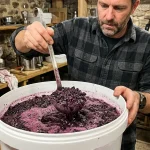
Once your grapes are clean, it’s time to crush them. If you’re using your hands, simply take a handful of grapes and squeeze gently, releasing their juices while crushing the skins to create a mix of pulp and juice. If you prefer a more thorough method, place the grapes in a bowl and use your masher, working from the center towards the edges until you have a well-mixed mash. Aim for a consistency similar to applesauce, where the skins are broken but not completely pulverized. The skins contribute essential colors and flavors to the wine, so leave some texture intact.
After crushing, let the mixture sit for a few hours, allowing the natural enzymes to work their magic. This resting period enhances extraction from the skins. When you’re ready, transfer the grape mash to your fermentation vessel, adding any additional ingredients like water and sugar as per your recipe. Remember, this is your chance to play with different flavors. You might add spices or other fruits for a unique twist on traditional Scuppernong wine. Enjoy the process, and don’t hesitate to get a little messy-making wine is all about tapping into your creativity and having fun in the kitchen!
How to Ferment Scuppernong Wine at Home

To transform your crushed Scuppernong grapes into delicious wine, fermentation is the magical process that occurs after you’ve created your grape mash. This stage is where the natural sugars in the grapes convert into alcohol, resulting in the delightful beverage you’re aiming to craft. Fermentation can seem daunting, but with a bit of guidance, you’ll find it’s surprisingly straightforward and rewarding.
First, it’s essential to choose the right fermentation vessel. A glass carboy or a food-grade plastic bucket works well for this purpose. Make sure it’s clean and free from any residues-bacteria can spoil your wine. If you have a stopper and an airlock, use them! They help control the fermentation while allowing gases to escape, preventing your wine from turning into an unintended fizzy concoction.
Now, transfer your grape mash into the vessel. If you decided to experiment with additional flavors, like spices or other fruits, this is the perfect time to add them in. Next, you’ll want to introduce a natural yeast. Some like to rely on the wild yeasts present on the grape skins, which is perfectly fine. However, if you want a reliable fermentation, consider adding a specific wine yeast for better control over the flavor and sugar conversion. Follow the package instructions for the proper amount, but typically, a teaspoon or two will suffice.
Once everything is combined, seal the vessel with the airlock and place it in a warm, dark area, ideally between 70°F to 75°F. During fermentation, you’ll notice bubbling as carbon dioxide is released. This can last from a few days up to a couple of weeks. It’s crucial to keep an eye on the fermentation; if it becomes overly vigorous, consider moving it to a cooler spot. After bubbling slows down, typically when a layer of sediment settles at the bottom, it’s time to siphon the liquid into another clean container. This process, known as racking, helps reduce the risk of off-flavors from the sediment.
Enjoy the journey of fermentation! It’s an exciting phase where the potential flavors of your Scuppernong wine start taking shape. Plus, this DIY process not only crafts your favorite wine but also creates memories to cherish for years to come. With patience and care, you’ll be savoring your homemade Scuppernong wine in no time!
Understanding the Aging Process for Better Flavor
The aging process of wine is like a gentle transformation, leading your Scuppernong into a beautifully nuanced drink. This is where the true magic happens. As the wine matures, it develops deeper flavors, aromas, and textures that reflect its unique journey from grape to glass. Understanding how to properly age your wine can elevate your homemade Scuppernong from delightful to truly exceptional.
To age your wine effectively, start by choosing the right environment. Wine should be stored in a cool, dark place with a stable temperature-ideally between 50°F to 60°F. Fluctuations in temperature can disrupt the aging process, so a consistent environment is key. Humidity is also important; around 70% is optimal. This helps keep corks moist, preventing them from drying out and allowing air to spoil your wine. You don’t need a fancy wine fridge; a cool basement or a dedicated cupboard can work just fine.
The aging duration will depend on your personal taste and the intended flavor profile. Scuppernong wines generally benefit from aging anywhere from 6 months to several years. As they mature, you may notice the wine’s flavors becoming more rounded and complex. The fruity notes evolve, and the acidity softens, resulting in a smoother finish. A fun way to track this is to taste your wine every few months. This allows you to really connect with the aging process and decide when it’s perfect for you.
During aging, also consider the use of oak barrels or chips if you’re feeling adventurous. Aging wine in oak adds depth and complexity, introducing notes like vanilla, spice, and caramel. If using oak chips, soak them in your wine before adding them to the aging container, and remember to monitor how these flavors develop over time. With patience, your Scuppernong wine can transform into a delightful expression of your winemaking journey, ready to impress at your next gathering or become a cherished addition to your personal collection.
Tips for Bottling Your Scuppernong Wine
When it comes time to bottle your homemade Scuppernong wine, you’ll be sealing in all that hard work and anticipation! This final step is crucial, and with a few tips, you can ensure that your wine not only tastes great but is also properly stored for future enjoyment. Let’s dive into some practical advice to make your bottling process as smooth and enjoyable as possible.
Firstly, sanitize everything. Just like your fermentation process, cleanliness is key. Clean and sanitize your bottles, caps, and any other equipment you’ll be using. A good tip is to use a solution of one tablespoon of unscented bleach per gallon of water, making sure to rinse everything thoroughly with clean water afterward. This step will help prevent any unwanted bacteria or flavors from ruining your wine.
Next, consider your bottling technique. Using a siphon or racking cane can help transfer your wine from the fermentation vessel into the bottles without disturbing the sediment that has settled at the bottom. Fill each bottle to about an inch from the top to allow room for corking without overflow. This approach not only keeps your wine clear but also ensures that you maintain the intended flavors and smoothness.
Don’t forget to label your bottles! Clearly mark each bottle with the variety of wine, the date it was bottled, and any other useful notes about the vintage. This is particularly helpful when you have multiple batches or varieties, and it adds a professional touch. You can even get creative with your labels, making it a fun activity to personalize your creations.
Lastly, store your bottles upright for a few days to allow the corks to set, and then lay them on their sides if you’re using corks, which helps keep them moist. Choose a cool, dark place to store your bottles where temperatures are stable. Your Scuppernong wine will appreciate the care you put into its final resting place, and you’ll be rewarded with a delightful glass of homemade goodness when the time comes to taste your creations!
Bottling doesn’t have to be daunting; think of it as the rewarding finish line of your winemaking adventure. With careful preparation and a little creativity, you can turn ordinary bottles into a beautiful showcase of your craft!
Creative Variations on Classic Scuppernong Wine
When it comes to making Scuppernong wine, the beauty of this Southern grape lies not just in its simplicity, but in its remarkable versatility. Don’t hesitate to think outside the bottle! By experimenting with flavors and ingredients, you can craft unique variations that reflect your personal taste and creativity. For instance, adding spices such as cinnamon or cloves during the fermentation can infuse your wine with warmth and depth, reminiscent of a cozy autumn evening. Alternatively, consider incorporating fruit blends by mixing Scuppernong grapes with peaches or apples. This not only enhances the flavor profile but also makes for a delightful and refreshing wine.
Herbal Infusions and Exotic Flavors
If you’re feeling adventurous, why not try out herbal infusions? Herbs like basil, lavender, or even mint can create a refreshing twist on your classic Scuppernong wine. Simply add a handful of the herbs during the fermentation stage for a few days and then strain them out before bottling. The result is a wine that is both aromatic and unique, perfect for serving at summer gatherings. Another exciting option is to experiment with different types of yeast, which can contribute to varying flavors and aromas in your wine. For example, using a champagne yeast can result in a sparkling version of your Scuppernong wine that’s perfect for celebrations.
Sweetness Adjustments
A common question among home winemakers is about sweetness levels. If you enjoy a sweeter palate, consider adding honey or sugar at the end of the fermentation process for a touch of sweetness that enhances the natural fruitiness of your wine. Remember, balancing acidity and sweetness is key; thus, taste frequently and adjust as needed. A helpful tip is to make small batches when trying these variations, allowing you to experiment without committing to large quantities.
Incorporating these creative ideas into your Scuppernong winemaking not only elevates your wine but also ensures that each bottle tells a personal story. So roll up your sleeves, gather some friends, and embark on this flavorful journey. Your next batch might just surprise you and become a new favorite!
Common Mistakes to Avoid When Making Wine
When diving into winemaking, especially with Scuppernong grapes, it’s easy to feel overwhelmed. Many first-time winemakers stumble upon the same pitfalls that, with a bit of guidance, can be easily avoided. Understanding these common mistakes can help ensure your wine turns out fantastic and is a joy to create.
One prevalent misstep is inadequate sanitation of your equipment. This step is crucial as any lingering bacteria can spoil your wine. Make sure everything that comes into contact with your wine-fermentation vessels, bottles, and tools-is thoroughly cleaned and sanitized. Use a reliable sanitizer, and don’t skip any part of the process; even a small oversight can lead to disappointing results.
Another frequent error is not accurately measuring your ingredients, particularly sugar and yeast. These elements are critical in the fermentation process. Many home winemakers assume they can just eyeball the quantities, but this can lead to imbalances. For instance, too little sugar can result in a low-alcohol wine, while too much can cause fermentation issues. Invest in a kitchen scale and a hydrometer to measure sugar content accurately. These tools will help you achieve the desired sweetness and alcohol levels consistently.
Also, keep an eye on the fermentation temperature. Scuppernong grapes thrive in warmer climates, but during fermentation, temperatures that are too high can produce off-flavors, while too low can stall the process. Aim for a steady temperature range of about 70-75°F (21-24°C), and consider using a temperature-controlled environment if your space is prone to fluctuations.
Finally, patience is key. Many novice winemakers are eager to taste their creation and rush the aging process. Wine benefits from time, allowing flavors to meld and mature. Resist the urge to bottle too early; give your wine at least a few months to age. This allows the complexities of your Scuppernong wine to develop beautifully, rewarding your patience with a more refined flavor profile.
By keeping these tips in mind, you’ll set yourself up for success on your winemaking journey. Enjoy the creativity of crafting your unique Scuppernong wine, and remember, the process is as delightful as the sip that follows!
How to Taste and Evaluate Your Scuppernong Wine
When you’re ready to taste your homemade Scuppernong wine, you’re not just sipping a drink; you’re experiencing the culmination of your hard work and creativity. It’s a moment of celebration! But tasting wine is also about understanding the nuances that can enhance your appreciation for what you’ve created. Follow these simple yet effective steps to truly savor and evaluate your Scuppernong wine.
Start by looking at your wine. Pour a small amount into a clear glass and observe its color, clarity, and brightness. Scuppernong wine typically has a lovely golden hue. Hold the glass against a white background to really see the colors pop. Clarity is essential; a well-filtered wine should be clear. Any cloudiness may indicate sediment or that something went awry during the fermentation process.
Next, it’s time to smell. Swirl the wine gently in the glass to release its aromas, then bring the glass closer to your nose. Take a deep breath in, and try to identify the various scents. Scuppernong grapes, with their musky, sweet notes, can offer a range of fragrances from floral to fruity. Are you sensing ripe peaches, honey, or even hints of citrus? Your nose can provide an incredible lead into the wine’s character.
Now onto tasting! Take a small sip and let it roll around in your mouth. Focus on the flavor profile-what tastes are coming forward? You might identify sweet and rich notes typical of Scuppernong, along with acidity that balances the sweetness. Is the mouthfeel heavy or light? Assess the balance of flavors, sweetness, and acidity. A well-crafted Scuppernong wine will have a harmonious blend, making each sip enjoyable and refreshing.
Don’t forget the finish. After swallowing, notice the lingering flavors on your palate. This is often a key indicator of the wine’s quality. A wine that leaves a pleasant aftertaste can indicate that you’ve captured the essence of the grapes beautifully.
Lastly, consider keeping a tasting journal. This can be an excellent way to track your winemaking journey. Note down each wine’s characteristics, the date, and any variations you made in the process. Over time, you’ll develop your palate and enhance your winemaking skills.
Remember, tasting wine is meant to be a joyous experience, so take your time and savor each moment!
Pairing Scuppernong Wine with Southern Dishes
When it comes to blending the sweet, fruity notes of Scuppernong wine with Southern cuisine, the possibilities are as vibrant as the dishes themselves. The unique characteristics of this wine, with its rich, musky flavor profile, make it an excellent companion for a variety of classic Southern meals. Whether you’re hosting a dinner party or enjoying a casual meal at home, knowing how to pair your homemade Scuppernong wine can elevate your dining experience.
Protein Pairings
Start with the main event! Grilled chicken or pork, especially when marinated with herbs or a peach glaze, harmonizes beautifully with Scuppernong wine. The wine’s natural sweetness complements the savory elements while enhancing the dish’s freshness. For a truly Southern flair, serve it alongside shrimp and grits. The creamy grits paired with perfectly seasoned shrimp will allow the wine’s acidity to balance the richness of the meal, creating a delightful tasting experience.
Vegetarian Dishes
Don’t overlook the greens! Southern-style collard greens or sautéed fresh vegetables-especially dishes that include bell peppers and garlic-pair well with the bright notes of Scuppernong wine. Try a refreshing salad topped with sliced strawberries, almonds, and a citrus vinaigrette; this dish lets the wine’s fruity characteristics shine through, creating a delightful contrast.
Desserts and Accents
For dessert, explore the simplicity of Southern peach cobbler or pecan pie. The sweet, nutty flavors beautifully complement the wine’s honeyed notes, making each sip feel like a celebration. If you’re feeling adventurous, consider cheese pairings; soft cheeses like Brie or goat cheese served with a light fig jam can also bring out the best in both the wine and the additional flavors on your plate.
In every pairing, the key is to balance flavors, allowing the sweetness of the Scuppernong wine to shine without overwhelming the other elements of your meal. Use these suggestions as a jumping-off point for your culinary creativity, and don’t hesitate to experiment with other Southern favorites. Enjoy the process of pairing, and celebrate the delightful fusion of homemade wine and traditional dishes!
Storing and Preserving Your Homemade Wine
When you finally pour your homemade Scuppernong wine, it’s a moment worth celebrating! But what happens next? Properly storing and preserving your wine is key to maintaining its flavor and quality over time. While winemaking may seem like high art, taking care of your wine is entirely within reach for any home enthusiast.
First things first, store your bottles horizontally if possible. This keeps the cork moist and helps prevent it from drying out, which can introduce air into your wine and spoil it. Aim for a cool, dark location, ideally at a constant temperature between 55°F and 65°F (13°C to 18°C). Avoid places with temperature fluctuations, like near heaters or in direct sunlight. A dedicated wine fridge can offer the perfect environment if you want to take storage further, but a simple cupboard or basement works just great too.
Consider using bottles with thicker glass and good-quality corks. A sturdier bottle can help shield against light exposure, which can degrade your wine over time. If you’re using screw caps, they tend to be quite effective at sealing in those delicious flavors without the risks associated with corks.
Also, pay attention to how long you plan to keep your wine. Scuppernong wine is generally best enjoyed within one to two years of bottling. However, if you’ve made a particular batch that you think may benefit from aging, keep it stored under optimal conditions to see how those flavors develop. When it’s time to pour, chill your Scuppernong wine for a delightful refreshment-it pairs fabulously with many Southern dishes and makes any evening feel a little more special.
By adhering to these simple storing and preserving tips, you’re ensuring that every sip of your homemade Scuppernong wine is as vibrant and beautiful as the day you bottled it. Enjoy the fruits of your labor, and don’t shy away from sharing your winemaking journey with friends and family; it’s a delightful conversation starter!
The History and Significance of Scuppernong Grapes
Did you know that Scuppernong grapes, a distinctive and prized variety within the muscadine family, carry a rich history intertwined with Southern culture? Originating in North America, these grapes are not only celebrated for their unique sweet flavor but also for their deep roots in the heritage of the American South. They first caught the attention of early settlers and have since become a symbol of victory over adversity for many families.
The name “Scuppernong” is derived from a river in North Carolina, where these grapes were first cultivated in the wild. As the grapevine spread, it became a staple of Southern winemaking and is recognized as the first grape variety to be made into a wine in the United States. The resilience of Scuppernong vines, able to thrive in the humid, hot climate of the South, made them a beacon of hope for early farmers and winemakers. Their high resistance to diseases compared to other grape varieties ensured that they could be grown without the heavy reliance on pesticides, making them a more sustainable option for local farmers.
Beyond their agricultural significance, Scuppernong grapes are entrenched in Southern culinary traditions. They are often associated with family gatherings, harvest festivals, and seasonal celebrations. Homemade Scuppernong wine, with its sunny hue and robust taste, is more than just a beverage; it’s a connection to history and community. The process of making it in the kitchen is a cherished ritual for many families, allowing generations to share stories over a glass of this delicious wine.
As you embark on your winemaking journey with Scuppernong grapes, remember that you’re participating in a time-honored tradition that celebrates both the land and culture of the South. Each bottle you create is not just a reflection of your skills but a nod to the rich tapestry of history and the legacies of those who have come before us. So, pour a glass and raise a toast to your own part in this vibrant story!
Faq
Q: What type of yeast is best for making Scuppernong wine?
A: The best yeast for making Scuppernong wine is a wine yeast like Lalvin EC-1118 or Red Star Premier Blanc. These yeasts are known for their ability to produce a clean fermentation profile, allowing the fruity flavors of Scuppernong grapes to shine. Make sure to rehydrate the yeast as per the package instructions for optimal results.
Q: How long does it take to ferment Scuppernong wine?
A: Fermentation of Scuppernong wine typically takes about 7 to 14 days. It depends on factors like temperature and yeast activity. You’ll know fermentation is complete when bubbles in the airlock slow down significantly, and the specific gravity stabilizes.
Q: Can I use frozen Scuppernong grapes to make wine?
A: Yes, you can use frozen Scuppernong grapes to make wine! Just ensure they are fully thawed before crushing. Frozen grapes can actually enhance the flavor due to the breakdown of cell walls, which helps release the juice and sugars.
Q: What is the ideal aging time for Scuppernong wine?
A: The ideal aging time for Scuppernong wine can range from 6 months to 2 years. Aging allows the flavors to mellow and integrate better. Taste your wine periodically to decide when it reaches your preferred flavor profile.
Q: How can I troubleshoot common fermentation issues with Scuppernong wine?
A: If you encounter issues like stuck fermentation, ensure that your fermentation temperature is within the ideal range (around 70-75°F). Adding yeast nutrient can also help. If off-flavors develop, consider adjusting your sanitation practices to prevent spoilage.
Q: What are some common flavor profiles of Scuppernong wine?
A: Scuppernong wine usually exhibits flavor profiles that include fruity notes of pear, melon, and honey. It can also have hints of floral or citrus undertones, making it a refreshing choice for sipping or pairing with food.
Q: Can I add other flavors to Scuppernong wine during fermentation?
A: Yes, you can add other flavors such as citrus zest, spices, or other fruits during fermentation. Just be cautious not to overpower the natural flavors of the Scuppernong grapes. Start with small amounts and taste as you go.
Q: How do I store my homemade Scuppernong wine?
A: To store homemade Scuppernong wine, keep it in a cool, dark place at constant temperatures (ideally between 55-65°F). Use wine bottles with closures suitable for long-term aging, and make sure to lay them on their side to keep the cork moist.
In Conclusion
Now that you’re ready to craft your own delicious Scuppernong wine, gather your ingredients and dive into this fun and rewarding process! Remember, winemaking is all about experimentation and personal flair, so don’t hesitate to adjust the recipe to suit your taste. If you enjoyed this guide, check out our tips on how to bottle your wine or discover the best food pairings for your homemade wine-these resources will enhance your winemaking journey even further!
Feeling inspired? Share your winemaking adventures in the comments below and connect with other home brewers! Don’t forget to subscribe to our newsletter for more mouthwatering recipes and exclusive tips. Your next culinary creation is just a click away! Embrace the craft of homemade winemaking, and taste the fruits of your labor-both literally and figuratively!
Crushing Thick Scuppernong Skins and Hull Maceration
Unlike thin-skinned European Vitis vinifera grapes, bronze scuppernongs possess leathery, fibrous hulls packed with intense wild muscadine aromas. In a proper scuppernong wine recipe, extracting these aromatic compounds without imparting harsh herbaceous bitterness requires crushing the grapes just enough to pop the skins without pulverizing the seeds. Keep the crushed bronze skins in the primary fermentation bag for only 2 to 3 days before pressing to achieve a clean, brilliant golden hue.
| Winemaking Step | Key Metric | Objective in Scuppernong Wine |
|---|---|---|
| Fruit Volume | 6.0 lbs per gallon | Ensures rich, aromatic body without watery dilution |
| Sugar Addition (Chaptalization) | Target 1.090 SG | Compensates for low natural grape brix (11%–13% ABV) |
| Primary Maceration | 48 to 72 Hours Max | Prevents extraction of harsh hull tannins |
| Yeast Selection | Lalvin EC-1118 or Lalvin 71B | 71B metabolizes harsh malic acid for smoother finish |
Managing Muscadine Acid Levels with Calcium Carbonate
Native Southern scuppernongs are naturally high in titratable acidity, especially tartaric and malic acids. If your finished scuppernong wine tastes overly sharp, conduct cold stabilization by chilling the secondary carboy at 35°F to 40°F (2°C to 4°C) for 3 weeks to precipitate potassium bitartrate (“wine diamonds”) out of solution, or dose with 0.5 teaspoon of food-grade calcium carbonate per gallon.
What is the difference between muscadine and scuppernong?
All scuppernongs are muscadine grapes, but not all muscadines are scuppernongs. Scuppernong is the specific bronze-green variety of muscadine (named after the Scuppernong River in North Carolina), whereas muscadines also include purple and black cultivars.
Should scuppernong wine be sweet or dry?
While traditional Southern heritage prefers a sweet or semi-sweet profile (Specific Gravity 1.010–1.015) to balance the grape’s bold aromatics, fermenting scuppernong to bone dry (SG 0.996) produces a remarkably crisp, refreshing white wine reminiscent of Sauvignon Blanc.
Get our latest guides, news, and insights highlighted in your Google Search & AI Overviews.