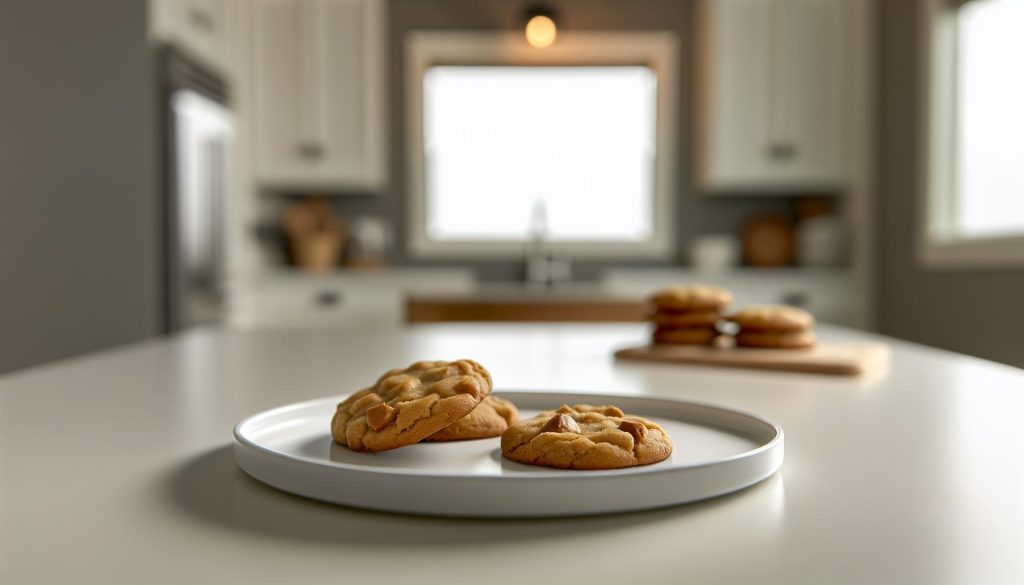
There’s something irresistible about peanut butter chip cookies that can transport you back to childhood with every bite. Imagine a warm, chewy cookie, packed with rich peanut butter flavor and sweet chocolatey chips melting in your mouth. This isn’t just any cookie recipe; it’s designed to deliver that bakery-worthy chewiness that keeps you reaching for another. Whether you’re baking for a special occasion or just treating yourself, mastering the art of these cookies can bring joy to your kitchen and delight to your friends and family. With simple ingredients and straightforward steps, you can create a warm batch of these delicious cookies that will impress anyone who takes a bite. Ready to turn your kitchen into a cozy bakery? Let’s get started!
The Secret to Bakery-Worthy Chewiness
Creating that perfect cookie with a satisfying chewiness often feels like an elusive goal, reminiscent of your favorite bakery’s creations. The secret lies not just in the ingredients but in how they’re combined and handled. It all starts with butter. Using softened butter instead of melted ensures your cookies will spread properly while maintaining that delightful texture. Also, for the dough, consider chilling it for at least 30 minutes before baking. This step is crucial as it allows the fats to solidify, resulting in a cookie that doesn’t spread too thin in the oven, preserving its chewy core.
When it comes to the sugar, don’t shy away from using a blend of brown and white sugar. Brown sugar adds moisture and a rich flavor thanks to its molasses content, while granulated sugar contributes to a slight crunch on the outside. The balance of these two creates a great texture-soft and chewy in the center with a little crispy edge.
Another crucial element for achieving that desirable chewiness is the flour. It’s tempting to think that using all-purpose flour is straightforward, but opting for a mixture with a little cake flour can elevate your cookie. The added protein in cake flour helps with structure, giving your peanut butter cookies that perfect bakery-style chew. Remember, how you measure your flour affects the outcome; too much flour can lead to a dry cookie. Spoon it into your measuring cup and level it off for accuracy.
Finally, incorporating a small amount of cornstarch into your cookie dough can yield an incredibly soft and chewy texture. Even just a tablespoon can make a noticeable difference. Don’t forget to keep an eye on baking times; underbaking your cookies slightly can also create that perfect chewy texture-take them out when they’re just set but still soft in the center. This combination of techniques will have your friends and family wondering when you secretly trained as a professional baker!
Essential Ingredients for Perfect Peanut Butter Cookies
Creating the perfect peanut butter cookies starts with choosing the right ingredients. While it may seem simple to whip up a batch, the unique textures and flavors come from a thoughtful selection of components. To achieve that delightful chewiness you crave, you’ll want to pay attention to a few key elements.
Peanut Butter
The star of the show is, of course, peanut butter. For a truly rich flavor, opt for a high-quality natural peanut butter that contains just peanuts and salt, avoiding those with added sugars and oils. This choice not only enhances flavor but also contributes to the desired texture. If you prefer a chunkier cookie, you can use crunchy peanut butter for added texture.
Sweeteners
When it comes to sweeteners, a combination of brown sugar and granulated sugar is essential. Brown sugar brings moisture and a hint of caramel flavor, while granulated sugar aids in achieving a slight crispiness on the outside. Aim for a ratio that balances the two for a cookie that is soft in the middle yet has a lightly crunchy texture that will keep you coming back for more.
Flour and Other Dry Ingredients
In terms of flour, all-purpose is a staple, but mixing in some cake flour can elevate your cookies to bakery-level softness. This blend provides a tender texture that’s hard to resist. Don’t forget to sift your flour properly to avoid clumps-spoon it into your measuring cup for accuracy. Additionally, a small amount of cornstarch can be added to help keep your cookies soft; just a tablespoon will do wonders for the chewiness.
Eggs and Vanilla
Next, include an egg in your recipe for binding and moisture. Using room temperature eggs will help your dough blend together seamlessly. A splash of vanilla extract is crucial, as it adds depth and enhances the overall flavor profile of your cookies.
By carefully selecting and measuring these ingredients, you set the stage for a batch of peanut butter cookies that are soft, chewy, and bursting with flavor. Embrace the joy of baking, and don’t hesitate to experiment with these components to make the recipe your own!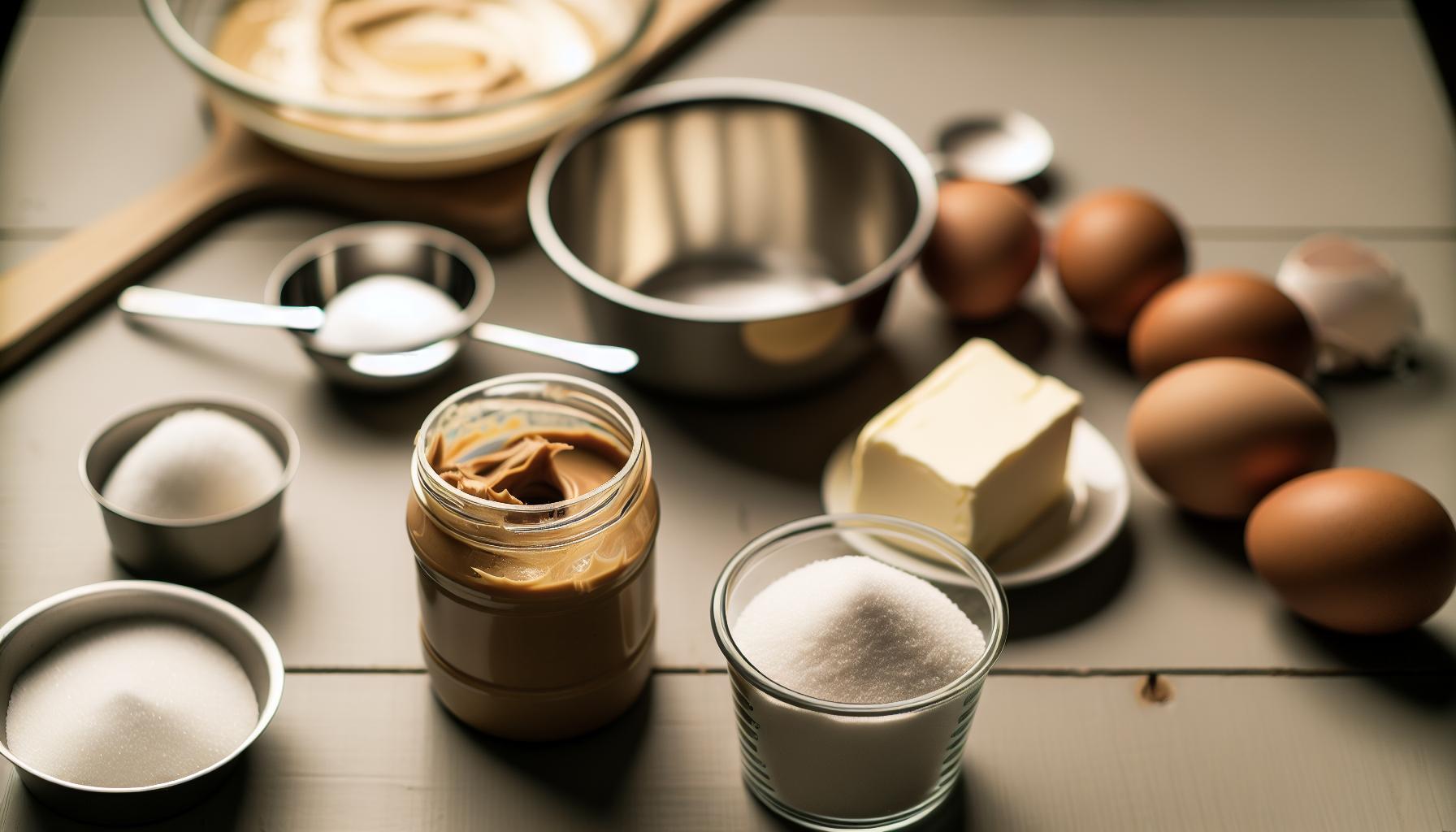
Step-by-Step Instructions for Baking Success
Creating mouthwatering peanut butter chip cookies at home is more accessible than you might think. Follow these straightforward steps for baking success that will leave you with a warm and chewy treat everyone will adore.
Start by preheating your oven to 350°F (175°C). This ensures that your cookies bake evenly right from the start. While the oven heats up, grab a large mixing bowl and blend together your butter and sugars. Use a hand mixer or stand mixer for about 2-3 minutes until the mixture is light and fluffy-this aeration is key to achieving that delightful chewiness in your cookies.
Next, add in your peanut butter, egg, and vanilla extract. Make sure your peanut butter is creamy and at room temperature for easier mixing. Beat everything together until it’s smooth and well combined. In a separate bowl, whisk together your dry ingredients: all-purpose flour, baking soda, and a pinch of salt. Gradually mix the dry ingredients into the wet mixture, taking care not to over-mix. Overworking the dough can lead to tougher cookies.
Now it’s time to add the star ingredient-peanut butter chips! Gently fold them into the dough with a spatula to ensure they’re evenly distributed. Use a cookie scoop to portion out the dough onto a parchment-lined baking sheet. Leave enough space between each scoop as the cookies will spread while baking. For an extra touch, sprinkle a few additional peanut butter chips on top of each ball of dough.
Bake your cookies in the preheated oven for about 10-12 minutes, or until the edges are lightly golden. The centers may look slightly underbaked, but fear not! They will continue to set as they cool. Allow your cookies to rest on the baking sheet for 5 minutes before transferring them to a wire rack to cool completely. This step helps them maintain that soft, chewy texture.
With these easy steps, you’ll have bakery-worthy peanut butter chip cookies ready to impress your family and friends. Enjoy the process, and feel free to make the recipe your own-experimenting is half the fun of baking!
Tips for Achieving the Ultimate Chewy Texture
To create peanut butter cookies that are irresistibly chewy, there are several key tips that can elevate your baking game. A crucial element is the combination of sugars: using both brown sugar and granulated sugar not only contributes to flavor complexity but also enhances moisture retention. Brown sugar contains more moisture due to its molasses content, leading to a softer and chewier texture. You might consider a ratio of about two parts brown sugar to one part granulated sugar for the best results.
Another essential technique for achieving that soft, chewy bite is to be cautious with your mixing and baking times. When you mix the dry ingredients into the wet ones, do so just until combined. Overmixing can lead to a denser, tougher cookie. Additionally, watch your baking time closely-aim for cookies that are slightly underbaked in the center. They’ll continue to cook on the baking sheet once removed from the oven, allowing for that perfect chewy finish.
Experiment with resting the dough. Chilling your cookie dough for at least 30 minutes before baking can improve the flavors and contribute to a better texture. The chilled dough spreads less and allows the cookies to rise higher, resulting in a thicker, chewier product. If you can wait overnight, that’s even better!
Lastly, don’t forget the importance of choosing the right peanut butter. Creamy, natural peanut butter that’s free of unnecessary additives will yield the best texture. If you’re feeling adventurous, try incorporating different types of peanut butter, such as crunchy for added texture or even maple-infused for a unique twist. With these simple tips, you’ll be well on your way to baking scrumptious, bakery-worthy peanut butter chip cookies!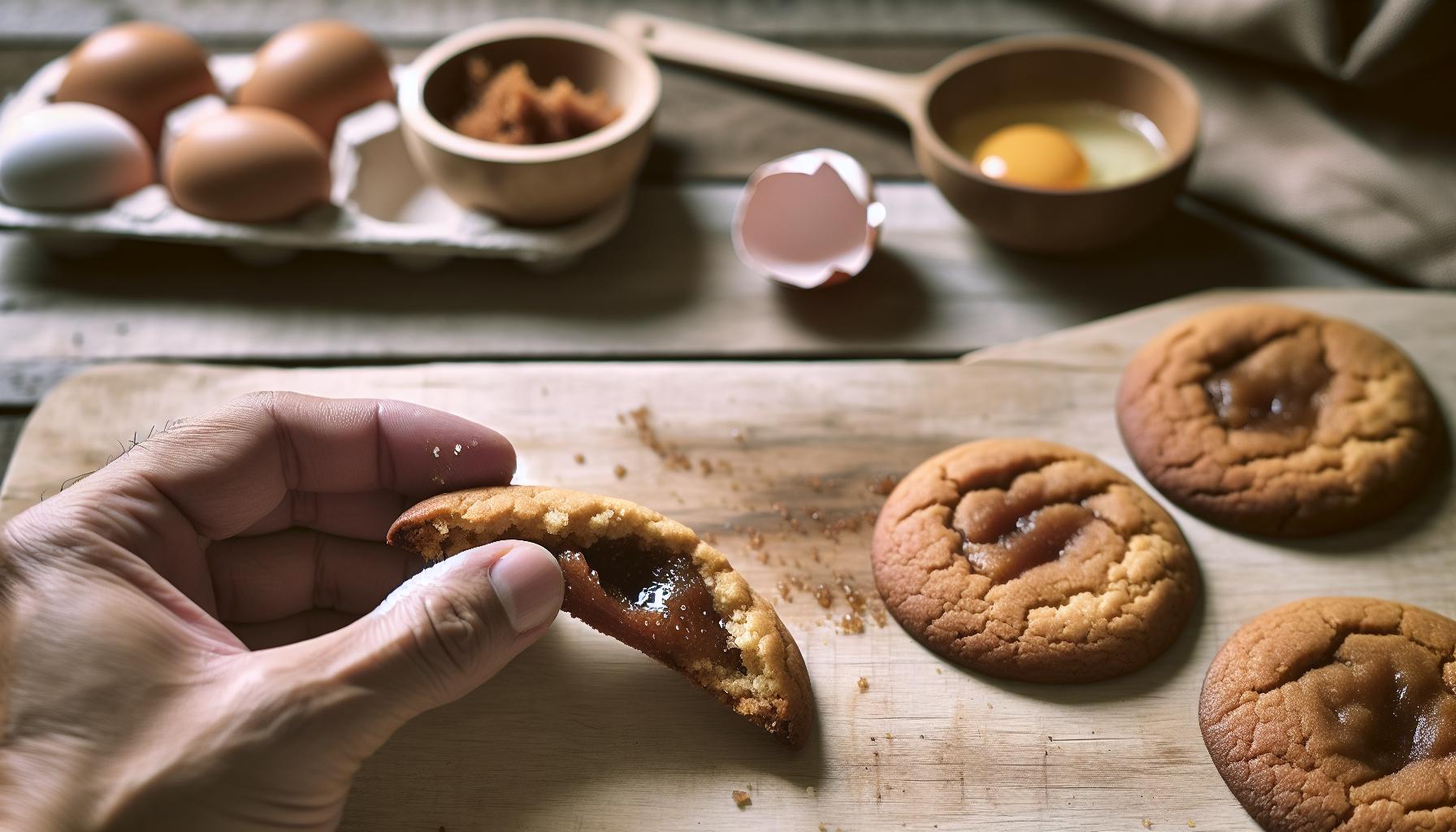
Variations to Elevate Your Peanut Butter Cookies
Elevating your peanut butter cookies can be a delightful journey of flavors and textures. One of the simplest ways to diversify your cookie game is through the addition of mix-ins. Chocolate chips are a classic choice, but consider trying dark chocolate or white chocolate chips for contrasting sweetness. Dried fruits, like cranberries or cherries, can add a chewy surprise and a hint of tartness, while chopped nuts-such as peanuts, pecans, or walnuts-will create an appealing crunch that complements the smoothness of the peanut butter.
The base recipe can also be adjusted to create different flavor profiles. For a touch of indulgence, mix in some cocoa powder to give your cookies a rich chocolate flavor. Alternatively, a tablespoon or two of maple syrup can enhance the cookie’s sweetness with a warm, earthy flavor. If you’re in the mood for something a little spicier, adding a sprinkle of cinnamon or ginger can give your cookies a cozy, baking-spice vibe-perfect for those chilly days!
Another way to elevate your creation is to experiment with different types of peanut butter. While creamy is a go-to, using chunky peanut butter can introduce delightful texture, while flavored options like honey-roasted or even chocolate-peanut butter can completely transform the flavor profile of your cookies. If you’re feeling extra adventurous, a swirl of Nutella or another chocolate spread in the cookie dough right before baking can add a decadent surprise in every bite.
Here’s a quick recap on variations you can try:
- Mix-ins: Chocolate chips, dried fruits, chopped nuts
- Flavor adjustments: Cocoa powder, maple syrup, or spices like cinnamon
- Different peanut butters: Chunky, honey-roasted, or flavored varieties
- Creative swirls: Nutella or chocolate spreads
Experimenting with these variations not only makes baking more fun but also allows you to personalize your peanut butter cookies to suit your taste. Enjoy the process, and don’t hesitate to make adjustments that reflect your style!
Common Mistakes to Avoid When Baking
Baking peanut butter cookies can be a joyous venture, but even the most seasoned bakers can run into pitfalls that can turn your delicious dreams into potential disasters. One common mistake is not measuring ingredients properly. Baking is a science, and even a slight deviation from the correct amounts can drastically affect the texture and flavor. Always use the right tools-like a kitchen scale for dry ingredients-and level off your measuring cups for accuracy.
Another frequent error is overmixing the dough. While it’s tempting to thoroughly combine the ingredients, overmixing can incorporate too much air and lead to tough cookies instead of the chewy goodness you’re aiming for. Mix until just combined and don’t worry if there are a few flour streaks left. Additionally, remember to chill your dough before baking. This step is crucial for helping the cookies maintain their shape and promoting the perfect chewy texture, so give it at least 30 minutes in the fridge.
Don’t forget about the importance of oven temperature and baking time. Always preheat your oven and use an oven thermometer to ensure it’s accurate. If your oven runs hot, you might end up with cookies that are burnt on the edges but raw in the middle-a frustrating outcome if you’re hoping for that ideal chewiness! Also, keep an eye on your baking time; cookies can quickly go from perfectly baked to overdone. It’s often better to pull them out a minute or two early, as they’ll continue to cook on the baking sheet.
Lastly, resist the urge to line your baking sheets with too much parchment paper or greasing them excessively. While a thin layer is helpful, too much can prevent the bottoms from browning properly, ruining that all-important texture contrast. By avoiding these common pitfalls, you’ll be well on your way to creating soft, chewy peanut butter cookies that rival your favorite bakery. Happy baking!
How to Store and Freeze Your Cookies
If you find yourself with a batch of those delicious, chewy peanut butter chip cookies and want to keep the joy going beyond the first day, knowing properly is essential. Proper storage can help maintain their moist and chewy texture while ensuring they stay fresh and delectable for days-or even weeks-after baking.
To store your cookies at room temperature, first allow them to cool completely on a wire rack. Once cool, stack them in an airtight container, placing a piece of parchment paper between layers to prevent sticking. This method keeps them soft and chewy for about a week. For longer storage, you can keep the cookies in the refrigerator, where they will last for about two weeks. Just remember to seal them well to avoid any refrigerator odors affecting their flavor.
When it comes to freezing your cookies, this is a fantastic way to save some for later without sacrificing quality. You have two options: freeze baked cookies or freeze dough for future baking. If freezing baked cookies, let them cool completely, then layer them in a freezer-safe container with parchment paper between layers. Seal tightly to avoid freezer burn, and they can last up to three months. When you’re ready to enjoy them, just thaw them at room temperature for about 15-20 minutes.
For those who love freshly baked cookies on demand, freezing cookie dough is just as easy. After preparing your dough, scoop it out into balls and place them on a baking sheet lined with parchment paper. Freeze the dough balls for about an hour until solid, then transfer them to a freezer bag or airtight container. This way, you can bake fresh cookies whenever the craving strikes-just bake them straight from the freezer, adding a couple of extra minutes to the baking time.
With these simple storage and freezing techniques, you can ensure that your peanut butter chip cookies stay as irresistible as the day they were baked. Enjoy the convenience of having homemade cookies ready whenever you need a sweet treat!
Pairing Suggestions for a Gourmet Experience
When it comes to enjoying your freshly baked peanut butter chip cookies, pairing them with the right accompaniments can elevate your experience from delightful to gourmet. Imagine sinking your teeth into a warm, chewy cookie, with its rich, nutty flavor mingling beautifully with complementary tastes. That’s the magic of thoughtful pairings.
One classic option is to serve your cookies warm with a glass of cold milk. The creaminess of the milk balances the rich, sweet, and nutty flavors of the cookies, creating a comforting treat reminiscent of childhood. If you’re feeling adventurous, try a flavored milk, such as chocolate or almond, for an extra twist that enhances the cookie’s flavors.
For a more adult pairing, consider a dark roast coffee. The bold, roasted notes of a good coffee contrast beautifully with the sweetness of the peanut butter cookies, helping to accentuate their flavor. You could even drizzle a bit of coffee over the cookies or make an affogato by melting your cookie into a scoop of vanilla ice cream topped with hot coffee for a delightful dessert.
If you want to create a more indulgent experience, try adding some dipping sauces. Melted chocolate or warm butterscotch sauce can take your cookies to another level, allowing you to dip and savor every bite. A sprinkle of sea salt over the melted chocolate can create a heavenly sweet-salty contrast that is simply irresistible.
Lastly, don’t shy away from incorporating fresh fruits into your cookie experience. Slices of crisp apple or fresh bananas pair wonderfully with cookies, adding a refreshing crunch that balances the cookie’s density. For a gourmet touch, make a fruit salad drizzled with a hint of honey and a sprinkle of cinnamon to serve alongside your cookies.
By embracing these pairing suggestions, you can turn your peanut butter chip cookies into a gourmet experience that delights the senses and brings the joy of homemade baked goods to a whole new level!
Creative Ways to Customize Your Cookie Recipe
There’s something magical about transforming a classic peanut butter cookie into a unique treat that reflects your personal style. With a few simple twists, you can infuse your favorite flavors and textures, making each batch a new adventure in baking. Whether you want to explore nutty accents, fruity hints, or chocolatey indulgences, customizing your cookie recipe is a delightful way to get creative in the kitchen.
One easy way to elevate your peanut butter cookies is by adding mix-ins. Consider folding in chocolate chips, butterscotch chips, or even m&ms for a fun pop of color and flavor. You could also play with nuts-walnuts, pecans, or even crunchy peanuts can add a satisfying crunch and deepen the nutty flavor of the cookies. If you enjoy fruit, try adding dried cranberries or chopped apples for a touch of sweetness and moisture.
For something a little different, consider experimenting with spices. A pinch of cinnamon or nutmeg can add a warm, aromatic layer to your cookies, making them perfect for the fall season. Alternatively, a splash of espresso powder can enhance the flavors of your peanut butter while giving the cookies a sophisticated edge.
Don’t forget about adjusting the base recipe itself! You can try substituting half of the all-purpose flour with oat flour or whole wheat flour for a heartier texture. This not only changes the flavor but also makes your cookies a bit healthier. If you love chocolate, feel free to replace some of the peanut butter with Nutella for a swirled treat that combines the best of both worlds.
Baking is all about experimentation, so don’t be afraid to dive in! Each variation you try will lead you closer to discovering your ultimate peanut butter cookie. Make sure to take notes on your modifications so you can recreate your favorites again and again. Happy baking!
Nutritional Information and Ingredient Alternatives
Understanding the nutritional profile of your peanut butter chip cookies can help you create a treat that’s not only delicious but also aligns with your dietary preferences. Traditional peanut butter cookies typically provide a comforting blend of protein, healthy fats, and just the right amount of sweetness. A standard cookie recipe may yield around 80-100 calories per cookie, depending on portion sizes and additional ingredients.
For those looking to swap ingredients to cater to specific dietary needs or preferences, there are plenty of delicious alternatives. Here’s a breakdown of some common substitutions:
Ingredient Alternatives
- Peanut Butter: For a nut-free option, try sunflower seed butter or soy nut butter. These alternatives maintain a creamy texture and provide similar flavor notes without the allergens.
- Sugar: Consider using coconut sugar or maple syrup as a natural sweetener. Both options offer a lower glycemic index, which can be beneficial for blood sugar management.
- Flour: Substitute half of your all-purpose flour with almond flour for a gluten-free option that’s higher in protein. Oat flour is another excellent choice, adding a slightly chewy texture.
- Butter: Unsalted coconut oil or vegan butter can give a similar richness without the dairy, perfect for those following a plant-based diet.
- Eggs: For egg-free baking, a flaxseed meal mixed with water (1 tablespoon flaxseed meal + 3 tablespoons water = 1 egg) can work wonders, binding your ingredients together beautifully.
- Chocolate Chips: Opt for dark chocolate chips for a lower-sugar and antioxidant-rich version. If you want a fun twist, try white chocolate or carob chips!
The versatility of peanut butter cookies makes them suitable for various dietary lifestyles, from vegan to gluten-free. When modifying your recipe, keep in mind that the texture and flavors may slightly change, but experimentation is the best part of baking!
For a more wholesome treat, here’s a simple *Nutritional Estimate* you might consider:
| Ingredient | Calories | Protein (g) | Fat (g) | Carbohydrates (g) |
|---|---|---|---|---|
| 1 Cookie (Traditional) | 100 | 3.5 | 5 | 12 |
| 1 Cookie (Almond Flour) | 90 | 4 | 4 | 10 |
Embracing these alternatives not only enables you to cater to various dietary preferences but also invites creativity into your baking. Happy experimenting in your kitchen, and enjoy each delicious bite of your homemade treats!
Faq
Q: What makes peanut butter chip cookies chewy?
A: Peanut butter chip cookies achieve chewiness primarily from brown sugar and proper mixing techniques. Using a combination of creamy peanut butter and a generous amount of brown sugar helps retain moisture. Additionally, not overmixing the dough and letting the cookies rest before baking are key factors for a chewy texture.
Q: Can I use natural peanut butter in my cookie recipe?
A: Yes, you can use natural peanut butter, but it’s essential to choose one that doesn’t separate easily. Natural peanut butter may alter the texture, making cookies slightly less chewy. If using natural peanut butter, consider adding a bit more sugar or fat to maintain moisture.
Q: How do I prevent my peanut butter chip cookies from spreading too much?
A: To prevent excessive spreading, chill the cookie dough for at least 30 minutes before baking. Using more flour or a blend of all-purpose and bread flour can also help. Ensure your baking sheets are cool when you place the dough, as warm sheets can cause cookies to spread too quickly.
Q: What are the best mix-ins for peanut butter chip cookies?
A: Aside from peanut butter chips, consider adding chocolate chips, chopped nuts, or oats. These additions can enhance flavor and texture, making your cookies even more delicious. Experiment with different combinations to find your perfect mix!
Q: How can I make my peanut butter chip cookies more flavorful?
A: Enhance flavor by incorporating spices like cinnamon or vanilla extract. For an exciting twist, add a pinch of sea salt on top before baking or mix in some toffee bits for a sweet contrast. These simple additions can elevate your cookies significantly.
Q: How can I tell when my peanut butter chip cookies are done?
A: Cookies are typically done when the edges are golden brown and the centers look slightly underbaked. They will continue to cook as they cool on the baking sheet. This technique helps maintain that desirable chewy texture.
Q: What is the best way to store my peanut butter chip cookies?
A: Store your cookies in an airtight container at room temperature for up to one week. For longer freshness, freeze them in a single layer and then transfer them to a freezer bag. Thaw at room temperature to enjoy chewy cookies anytime!
Q: Can I make peanut butter chip cookies gluten-free?
A: Absolutely! Use a gluten-free flour blend or almond flour in place of all-purpose flour. Ensure that all other ingredients, like baking powder and chocolate chips, are also gluten-free to maintain a safe baking environment for those with dietary restrictions.
To Conclude
Now that you have the perfect recipe for Peanut Butter Chip Cookies with bakery-worthy chewiness, it’s your time to shine in the kitchen! Remember, using quality ingredients like creamy peanut butter and fresh chocolate chips will elevate your cookies to new heights. Don’t hesitate-gather your ingredients today and impress your friends and family with these delightful treats!
If you’re hungry for more, check out our Ultimate Guide to Chewy Cookies to explore various flavors and techniques that will keep your baking exciting. For another quick treat, our No-Bake Peanut Butter Pie is a must-try! And don’t forget to join our newsletter for exclusive tips and recipes that make baking easier and more enjoyable.
We’d love to hear how your cookies turn out-share your experience in the comments below! Your feedback not only helps us grow but also inspires fellow bakers. So, let’s keep that oven warm and continue our delicious journey together! Happy baking!
Get our latest guides, news, and insights highlighted in your Google Search & AI Overviews.